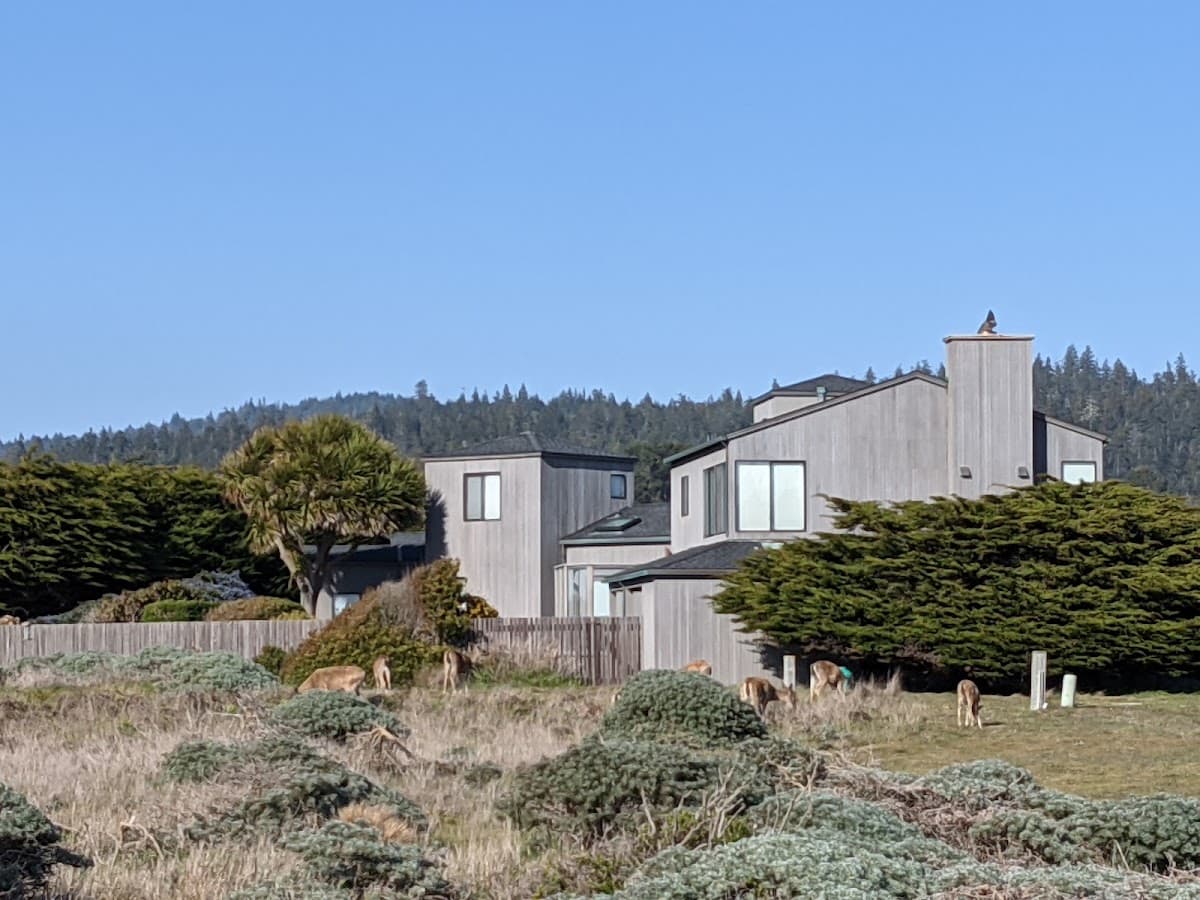
Sonoma County
California's premier wine country with rolling vineyards and artisanal charm
Sonoma County doesn't shout like its famous neighbor Napa. Instead, it whispers promises of unhurried afternoons, family-owned wineries where the owner still pours your tasting, and restaurants that source ingredients from farms you can actually see from your table. This is California wine country without the pretense — where a $15 bottle can be just as memorable as a $150 one, and where the real luxury is having nowhere urgent to be.
Culture & Context
WINE WITHOUT PRETENSE
Sonoma is Napa's less fussy, more likable neighbor. Locals know this and are quietly proud of it. The town is genuinely small (around 10,700 people), centered on a historic plaza that's actually California's largest, and the whole place operates on wine-country time.
Summers mean tourists clog Spain Street and parking turns competitive near the Plaza. Winters? The town exhales.
Restaurants are easier to get into, wineries are quieter, and you finally feel like you're visiting somewhere real. The wine culture here is serious but not pretentious. Family-owned operations make up 85% of the more than 100 valley wineries, and you can tell.
People are talking about the grapes, not performing for Instagram. The median resident is 54, which sets the pace. This is not a party destination.
It's a place where a good Saturday means a farmers market, a two-hour tasting, and a long lunch. There's also a genuinely deep history on the Plaza, including the site of the 1846 Bear Flag Revolt, where California briefly declared itself its own republic. That flag still flies on every state government building in California today.
Local Customs
RESERVE AHEAD ALWAYS
Always make a winery reservation. Walk-ins are slowly disappearing across Sonoma Valley. Call ahead, especially for groups of 4 or more..
Tipping at tasting rooms is not required but is appreciated. A dollar or two per person is standard for a good host.. The Tuesday Night Market runs May through August on the plaza, 5-8pm.
It's free, community-run, and very much a local scene. Tourists are welcome but don't dominate it.. The Friday Farmers Market (9am-12:30pm, Arnold Field parking lot at 241 First St.
W.) is year-round and genuinely excellent for provisions.. Don't drive between wineries.
Hire a driver, book a tour, rent a bike, or call Uber. DUIs are taken seriously and cabs are sparse. Plan this before you start tasting..
Drinking is permitted on Sonoma Plaza park itself from 11:30am until sunset. It's technically legal, not a loophole. But don't be loud about it..
No dogs in Sonoma Plaza park itself, though a small dog park sits nearby at 175 First St. West.. Free parking exists.
The Casa Grande lot (off First St. East, behind the Barracks) and the smaller lot behind Sebastiani Theatre are both free. Street parking has time limits, so check signs.
Safety
VERY SAFE, COASTAL CAUTION
Sonoma is genuinely safe. The violent crime rate is 0.15% and property crime sits at 1.
03%, both low by California standards. Standard precautions apply downtown on busy tourist weekends: keep an eye on bags in crowded Plaza areas. The bigger safety considerations are actually wine-related: do not drive between multiple winery visits.
Drunk driving enforcement is active in wine country. On the Sonoma Coast (Highway 1 and Sonoma Coast State Park), the ocean is not for swimming. Strong rip currents, heavy surf, and sudden ground swells make it dangerous.
Never turn your back to the water. Duncan's Landing near Bodega Bay is specifically flagged as one of the most dangerous points on the coast due to unpredictable surf. Stick to the trails and heed warning signs, as the coastal shale formations are unstable.
Wildfire risk is real in late summer and fall. Check Cal Fire alerts if visiting between August and November, especially if you're staying in hillside properties near Glen Ellen or Kenwood.
Getting Around
RENT A CAR
Getting to Sonoma requires a plan. A car is the honest answer for most people. Sonoma County has 1,500+ square miles of terrain, wineries are spread across it, and public transit doesn't reach most of them.
Fly into Charles M. Schulz Sonoma County Airport (STS) in Santa Rosa (served by Avelo, American, and Alaska Airlines) for the shortest ground transfer. SFO and Oakland (OAK) are each 60-65 miles south.
Groome Transportation runs shuttles from SFO and OAK to Santa Rosa, Rohnert Park, and Petaluma for around $34-$51 each way. Once in Sonoma city itself, downtown is genuinely walkable. The Sonoma Shuttle runs local routes and is fare-free.
Bike paths and lanes exist throughout the city, and bike parking is available at multiple spots around the Plaza. For winery-hopping, hire a driver, book a wine tour company, or designate one non-drinking person in your group. Uber exists here but wait times from remote vineyard areas can exceed 30 minutes.
The SMART train (Sonoma-Marin Area Rail Transit) connects parts of Sonoma County to Marin County and welcomes cyclists, but it doesn't serve the city of Sonoma directly. If you're coming just for the Plaza area and nearby walkable wineries, you can survive without a car. For anything else, rent one.
Useful Phrases
Money-Saving Tips
- 1.Many tasting rooms waive fees if you purchase a bottle - ask before you start tasting
- 2.Visit during weekdays when some wineries offer lower tasting fees and more personal attention
- 3.Pack picnic lunches - many wineries allow outside food and have beautiful grounds for eating
- 4.Stay in Sebastopol or Santa Rosa instead of Healdsburg to save $100+ per night on hotels
- 5.Happy hours at wine bars like Stark's Steak & Seafood offer half-price wines by the glass
- 6.Buy wine directly from producers to avoid retail markups - most offer 15-20% discounts
- 7.Check Groupon for discounted wine tours and tasting experiences
- 8.Visit during winter months (January-March) for significantly lower accommodation rates
Travel Tips
- •Book restaurant reservations well in advance, especially for weekend dinners in Healdsburg
- •Designate a driver or hire a service - DUI enforcement is strict and Uber can be scarce in rural areas
- •Bring layers - coastal areas can be 20 degrees cooler than inland valleys
- •Download offline maps - cell service can be spotty in remote vineyard areas
- •Ask winemakers about library wines - older vintages often available but not advertised
- •Visit farmers markets for local produce and artisan goods - Healdsburg Saturday market is exceptional
- •Make appointments at smaller wineries - many require reservations and offer more intimate experiences
- •Explore beyond wine - craft breweries, distilleries, and cider makers offer variety
Frequently Asked Questions
BUILD YOUR
SONOMA COUNTY PLAN
Insider picks, smart timing, and a plan ready when you are.
Start Planning