US Virgin Islands (St. John)
Pristine National Park Island Paradise
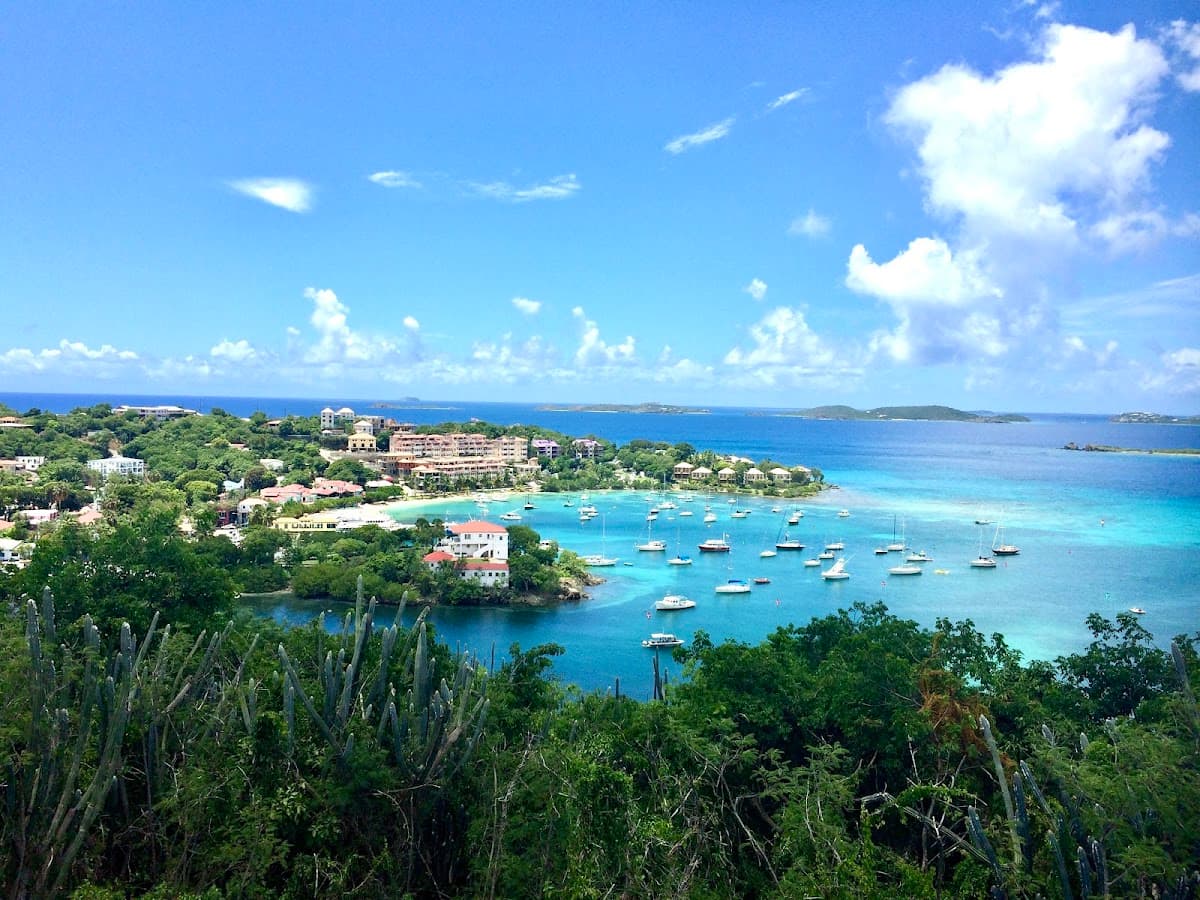
Two-thirds national park, zero traffic lights, and some of the Caribbean's most untouched beaches. St. John is what happens when Mother Nature gets protection from overdevelopment. This smallest of the main US Virgin Islands packs serious punch into its 20 square miles — think hiking trails that end at secluded coves, luxury villas perched on clifftops, and snorkeling spots where sea turtles outnumber tourists. But here's the catch: you'll pay for this paradise, and you'll need to plan ahead. No cruise ship crowds here, just day-trippers from St. Thomas and guests at some seriously upscale resorts.
Best Months
JAN · FEB · MAR · APR · MAY · DEC
~29°C · high crowds
Culture & Context
LOVE CITY HISTORY
Locals call it "Love City," and that nickname sets real expectations. St. John has a proud, tight-knit community shaped by a history that includes Danish colonial rule, slavery, emancipation in 1848, and U.
S. acquisition in 1917. About 4,170 people live here full time, and they notice when visitors treat the island like an all-inclusive resort instead of someone's actual home.
More than 60% of the island is protected as Virgin Islands National Park, and that's not just a tourist brochure stat — it shapes everything from where you can build a house to how residents think about water conservation. Most homes run on rainwater cisterns. Power outages happen.
Things move slowly, and that's the whole point. The Emancipation Day on July 3rd isn't a side note to the Fourth of July — it's the main event for locals, commemorating the end of slavery on the island in 1848. Treat it accordingly.
Virgin Islands Creole (sometimes called the "Thomian dialect" on St. John) blends English with West African grammatical structures and Dutch, Spanish, and French vocabulary influences, a legacy of the island's complex colonial past.
Local Customs
GREET FIRST ALWAYS
Always greet people before asking anything. 'Good morning,' 'Good afternoon,' or 'Good evening' — pick the right one and say it first. Launching straight into a question without a greeting is considered rude, and you'll notice the temperature in the room drop..
Cover up when you leave the beach. It's actually illegal to walk through Cruz Bay in just a swimsuit, and even 'beach coverups' that are sheer don't count. Men need shirts; women need non-see-through coverage from chest to below the buttocks.
Businesses will turn you away.. Drive on the LEFT. The roads are steep, narrow, and full of blind curves.
Add free-roaming donkeys and the occasional goat or mongoose and it demands full attention. Don't stop in the middle of Centerline Road to photograph wildlife — use pull-offs.. Don't call it 'St.
John's.' It's St. John.
Adding that 's' irritates locals, and understandably so.. If you have room in your car and someone is walking uphill — especially near Dolphin Market in Coral Bay or on steep residential roads — the custom is to offer them a ride. It's part of the Love City ethos..
Use reef-safe sunscreen and check the ingredients, not just the label. Octinoxate, oxybenzone, and octocrylene are all banned in the USVI. Rangers on the hills will cite you for other beach violations too, like glass on the sand or audible music..
When someone says 'Good Night,' they mean 'Hello' or 'Good Evening,' not goodbye. Don't be thrown off.. Water conservation is real.
Take shorter showers. Turn off taps. The island's cistern system means every drop genuinely matters, especially during dry season from January through May.
Safety
WATCH THE ROADS
St. John is one of the calmer islands in the USVI. Most crime affecting tourists involves petty theft — unattended bags on Trunk Bay are a known target, and valuables left in parked cars get broken into more often than you'd expect.
Violent crime affecting tourists is rare. The roads are arguably the bigger hazard. They're steep, narrow, winding, and you're driving on the left — often in a Jeep on blind curves with donkeys around the corner.
Take it slow. Scooter rentals are genuinely dangerous on these roads and best avoided entirely. There are only two gas stations on the island; the more reliable one is in upper Cruz Bay near Route 104.
At night, stick to Cruz Bay or your villa — not because Coral Bay is dangerous, but because those winding mountain roads after dark and a few rum punches is a bad combination. All taxis are cash only, so keep cash on hand for getting home safely. Rangers patrol National Park beaches and will cite you for violations like glass containers, smoking, or non-reef-safe sunscreen — these are enforced.
Getting Around
JEEP REQUIRED HERE
St. John has no airport. You fly into Cyril E.
King Airport (STT) on St. Thomas, then get to a ferry terminal. Two options: the Red Hook ferry terminal (east side of St.
Thomas) runs frequent ferries directly to Cruz Bay for about $7–8 each way and takes 20 minutes. The Crown Bay/Charlotte Amalie terminal is closer to the airport but the ferry is less frequent. Taxis from STT to Red Hook run about 5–10 minutes.
Once on St. John, there are no Ubers or Lyfts. Rent a 4WD Jeep or Bronco — book months ahead, especially for peak season (December–March) and Carnival week.
Rentals start at $80–90/day. Drive on the left. Open-air safari taxis (converted truck beds seating up to 25 people) serve as shared transport and are cheaper than private taxis for common routes.
Expect stops along the way. A 2-hour private sightseeing tour runs about $25/person for two or more passengers. Getting to Coral Bay from Cruz Bay takes about 20 minutes on Centerline Road under normal conditions — longer after rain, when fallen trees or boulders occasionally block the road.
A 4WD vehicle is not a luxury on this island; it's a safety necessity for many residential driveways.
Useful Phrases
Money-Saving Tips
- 1.Book villa rentals 6+ months ahead for winter — last-minute prices can double
- 2.Shop groceries at Starfish Market in Cruz Bay before heading to your villa
- 3.Bring snorkel gear from home to avoid $15/day rental fees
- 4.Pack reef-safe sunscreen — the good stuff costs $25+ on island
- 5.Download offline maps before arriving — cell service is spotty in national park areas
- 6.Bring cash for ferry tickets and small vendors — many don't accept cards
- 7.Consider staying in St. Thomas and day-tripping to save on accommodation costs
Travel Tips
- •Rent an SUV or Jeep — the hills are steep and roads are narrow
- •Drive on the left side of the road despite left-hand drive cars
- •Book restaurant reservations well ahead, especially for dinner
- •Bring passport for day trips to British Virgin Islands
- •Pack hiking shoes for trail access to secluded beaches
- •Download trail maps from Virgin Islands National Park website
- •Check ferry schedules — last boat to St. Thomas leaves at 11pm
- •Bring reef-safe sunscreen to protect the coral
- •Pack a waterproof phone case for water activities
- •Stock up on supplies in Cruz Bay before heading to remote areas
Frequently Asked Questions
Explore US Virgin Islands (St. John)
BUILD YOUR
US VIRGIN ISLANDS (ST. JOHN) PLAN
Insider picks, smart timing, and a plan ready when you are.
Start Planning