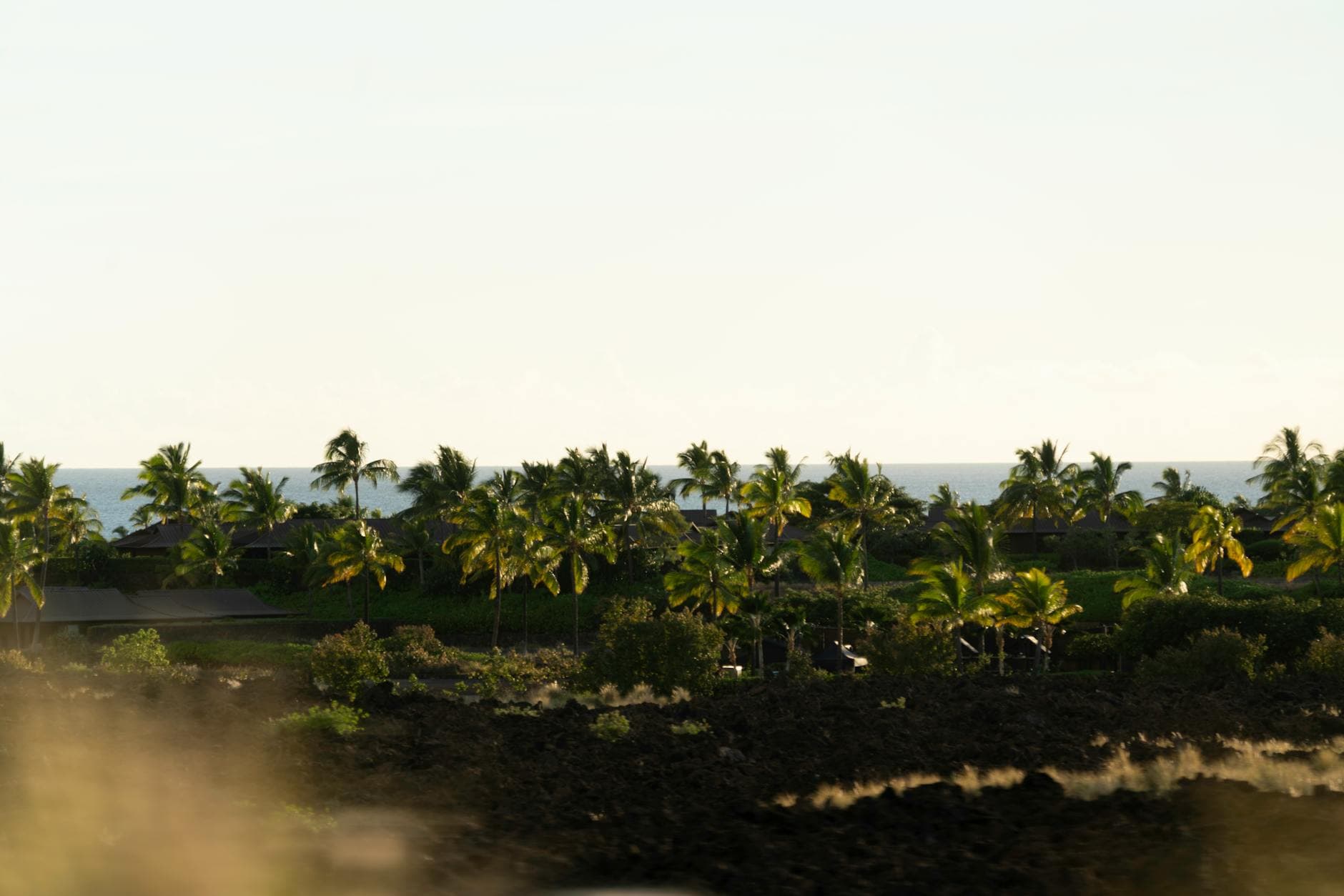
Hilo
Big Island's lush gateway to volcanic wonders
Hilo feels like Hawaii before the resorts took over. This is the Big Island's wet side, where waterfalls tumble through downtown and farmers markets sell rambutan you've never heard of. The rain here isn't a bug — it's a feature that keeps everything impossibly green and the crowds manageable. You'll find local families at Liliuokalani Gardens feeding koi fish, not tour groups snapping selfies. And when the clouds part, you get views of Mauna Kea that'll make you forget all about Waikiki.
Best Months
APR – OCT
~30°C · moderate crowds
Culture & Context
REAL HAWAII, REAL RAIN
Hilo is the anti-resort side of Hawaii, full stop. No mega-hotels, no luau dinner shows for cruise passengers, no strip of chain restaurants blocking the ocean view. What you get instead is a real working town shaped by wave after wave of plantation workers: Japanese, Filipino, Portuguese, Chinese, Korean, and Native Hawaiian communities all left their mark on the food, the language, and the way people treat each other.
The result is a genuinely multicultural place where a plate lunch counter sits next to a Buddhist temple and everybody calls older people "aunty" or "uncle" regardless of blood relation. Hilo also holds the title of rainiest city in the United States, averaging well over 120 inches a year. Don't fight it.
The rain is why everything is so green, why the waterfalls actually flow, and why Hilo never became another Kona. The downside: mold, soggy shoes, and the occasional feeling that the sun is a myth. But locals barely notice.
They just keep going.
Local Customs
SHOES OFF, ALOHA ON
Take your shoes off before entering anyone's home. This is not optional. It's just what you do..
Call older people 'Aunty' or 'Uncle' even if you've just met them. It's respectful, not presumptuous.. Don't take rocks, coral, or sand home with you.
Beyond the legal issues, locals take the cultural prohibition on removing pieces of the island very seriously.. The Hilo Farmers Market on Mamo Street (biggest on Wednesdays and Saturdays) is a real market, not a tourist market. Regulars show up early, prices are reasonable, and the produce is genuinely local.
Don't haggle.. Respect the concept of 'aina (the land). Signs asking you not to stray off trails or disturb natural features aren't just bureaucratic; they reflect a deep cultural relationship with the environment.
Follow them.. Don't leave anything in your car. Not a bag, not a jacket, not a charger.
The property crime rate in Hilo is higher than the Hawaiian average, and car break-ins are the most common form.. The rain is not a complaint topic. Locals love their rain.
If you grumble about it, you'll get polite smiles and nothing more.
Safety
WATCH YOUR CAR
Hilo is not dangerous, but it is not entirely relaxed either. The biggest real risk is property theft. The property crime rate sits notably higher than the Hawaiian average, and car break-ins are frequent.
Never leave anything visible in your vehicle, even for a short stop. Lock your doors. This applies everywhere in Hilo, not just sketchy-looking areas.
Violent crime is statistically rare and tends to be tied to areas most tourists won't visit. Stick to the waterfront, downtown, Rainbow Falls, and the farmers market and you'll be fine. Natural hazards are worth knowing: Kilauea volcano is active and about 45 minutes south in Hawaii Volcanoes National Park.
Lava-related volcanic gas (called 'laze' and 'vog') can occasionally drift toward Hilo. Check the Hawaiian Volcano Observatory site if you're sensitive to air quality. Flash flooding is real on the Hilo side given the extreme rainfall.
Wailuku River has a history of fast rises; note that signs in the area mark past flood levels. Don't enter the river. Mosquitoes are active on the wet Hilo/Puna side; bring repellent.
And one more thing: the coqui tree frog is everywhere. It's small, it's loud, and it chirps at roughly 90 decibels from dusk until dawn. If you're a light sleeper, bring earplugs or book a hotel with good soundproofing.
Getting Around
RENT A CAR
Rent a car. Full stop. Hilo has a walk score of 23, meaning almost nothing is walkable if you're staying anywhere but directly in the downtown core.
The Hele-On Bus system runs 22 fixed routes across the Big Island, with the main hub at Moʻoheau Bus Terminal at 329 Kamehameha Avenue in downtown Hilo. It operates roughly 3:15am–2:30am seven days a week and can technically get you from the airport (Hilo International, ITO) to downtown. But routes are infrequent, coverage outside of town is patchy, and the cross-island trip to Kona takes hours.
Tourists consistently report it's more hassle than it's worth for anything beyond hopping around central Hilo. Uber and Lyft exist but availability is limited and wait times can be long. Taxis are available at the airport.
If you're planning to see Volcanoes National Park (45 minutes south on Highway 11), the Hamakua Coast, or Akaka Falls, you need wheels. Hilo to Kona via Waimea runs 1.5–2 hours on a good day; budget time and gas accordingly.
Gas on the Hilo side sometimes runs slightly lower than the statewide average of $5.50–$5.80 per gallon, but it still stings.
The Hilo International Airport app was in development as of late 2025 and expected by March 2026.
Useful Phrases
Money-Saving Tips
- 1.Hilo Farmers Market prices drop significantly in the last hour before closing
- 2.Many waterfalls and hiking trails around Hilo are completely free with just parking fees
- 3.Local plate lunch spots like Cafe 100 serve huge portions for under $12
- 4.Gas is cheaper in Hilo than resort areas like Kona - fill up here before volcano trips
- 5.Wednesday farmers market has the same vendors as Saturday but smaller crowds and better deals
Travel Tips
- •Pack rain gear year-round - Hilo gets 130+ inches annually and showers come without warning
- •Download offline maps before driving to remote waterfalls where cell service disappears
- •Bring reef-safe sunscreen - many Hilo beaches and tide pools require it by law
- •Start waterfall hikes early morning when lighting is best and crowds are thinnest
- •Book volcano tours in advance during peak season - they fill up quickly from cruise ship passengers