Kailua-Kona
Big Island's sunny coffee coast and Ironman home
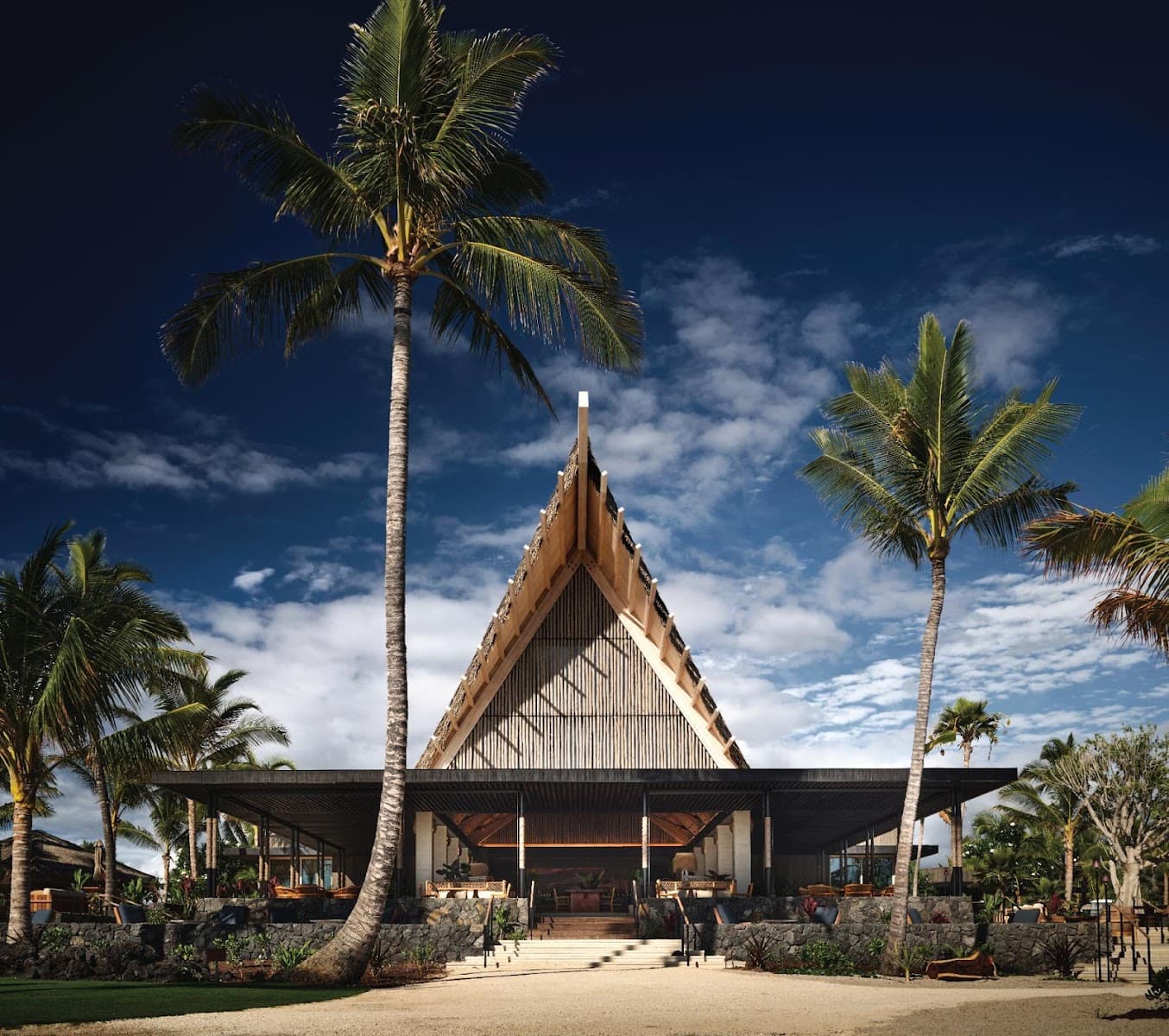
Kailua-Kona sits on the Big Island's sunny leeward coast, where ancient Hawaiian history meets modern adventure. This is where Captain Cook first landed, where Ironman legends are made, and where some of the world's best coffee grows on volcanic slopes. The town stretches along Ali'i Drive, a waterfront strip that connects historic sites with beachfront bars and world-class snorkeling spots. You'll find fewer crowds than Maui or Oahu, but just as much natural beauty – plus that authentic Big Island vibe that keeps locals and visitors coming back.
Best Months
APR · MAY · JUN · SEP · OCT · NOV
~29°C · moderate crowds
Culture & Context
ROYALTY & COFFEE CULTURE
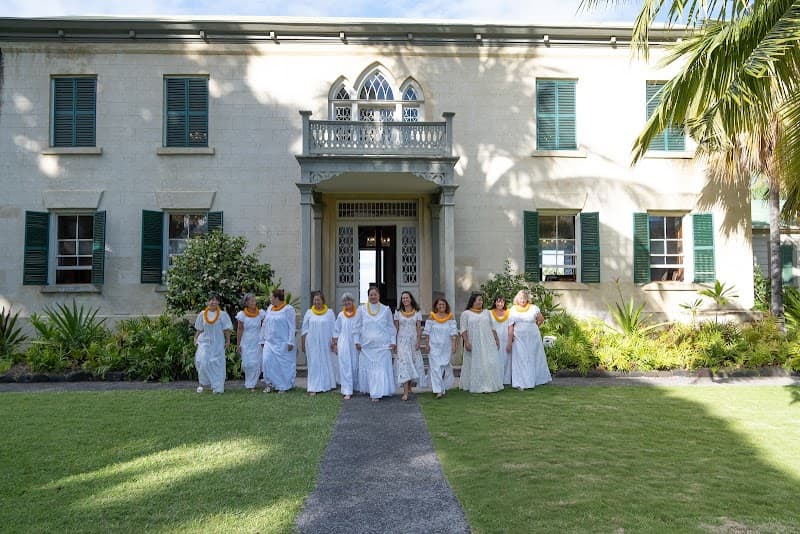
Kailua-Kona sits on ground that mattered enormously in Hawaiian history. King Kamehameha the Great lived here and chose this coast as his seat of power after unifying the Hawaiian Islands in 1795. The main street, Ali'i Drive, is literally named for Hawaiian royalty (ali'i means chief or noble). Hulihe'e Palace on the waterfront was a summer home for the royal family. This is not decorative history — it shapes how locals relate to the land and the town.
The coffee culture is real, not just a marketing pitch. The slopes above town sit in an elevation band with volcanic soil and afternoon cloud cover that produces some of the most expensive coffee in the world. Farm tours run $20-45 and most involve actual tastings of single-origin beans. It's worth one morning.
The Ironman World Championship has been held here since 1981 and is genuinely woven into local identity. The race course (swim in Kailua Bay, bike out through the lava desert, run back down Ali'i Drive) defines the town's international reputation. Locals have complicated feelings about Ironman week — it's economically significant but also exhausting. If you're visiting in early October, expect crowds, price hikes, and a very specific kind of energy.
Here's the thing about Hawaiian culture broadly: the concept of kuleana (responsibility) is central. As a visitor, your kuleana is to be mindful — stay on trails, don't disturb wildlife, don't take anything from heiau or the lava fields, and move through the place with some awareness that people live here year-round and it isn't a theme park.
Local Customs
MAHALO & MAKAI DIRECTIONS
Say 'mahalo' instead of just 'thank you' — locals genuinely appreciate the effort, and it costs nothing.. Directions work differently here. 'Makai' means toward the ocean; 'mauka' means toward the mountain.
GPS uses street names; locals use landscape. Learn both or you'll miss turns.. Kapu signs mean keep out and are non-negotiable, especially at heiau (ancient Hawaiian temples).
Don't climb on stone structures, even if no one's watching.. The 'aloha spirit' isn't a marketing tagline. It's written into Hawaii state law.
Drive with patience, let people merge, and don't honk unless something dangerous is happening.. Never take lava rocks from the island. It's illegal, and locals take it seriously.
The story about Pele's curse isn't just folklore — you'll find returned rocks mailed back to the national park from guilty tourists every year.. Kama'aina discounts are real. If you live in Hawaii, always ask.
As a visitor, you don't qualify, but knowing the term tells people you've done your homework.. Plate lunch is the local working meal: two scoops of rice, one scoop macaroni salad, and an entrée. Order it, eat it.
Don't ask for substitutions at a plate lunch counter.. Honu (green sea turtles) are federally protected. Keep at least six feet of distance in the water and on the beach.
Rangers do enforce this at Kahaluʻu Beach Park.. Friday is pau hana (literally 'work is done') — the Hawaiian version of happy hour culture. Bars and restaurants fill up early.
Plan accordingly.. Agriculture inspection on arrival is mandatory and taken seriously. Don't try to bring certain fresh fruits, plants, or soil from the mainland.
Hawaii's isolation is ecologically critical.
Safety
WATCH YOUR RENTAL CAR
Kona is generally safe. Crime rates run about 42% lower than the US average and violent crimes are 69% below the national norm. But petty theft is the real concern, and it targets tourists specifically. Rental cars are the most common target — never leave anything visible inside, not even a charging cable. Theft from vehicles is the single most common crime across all of Hawaii.
Ali'i Drive gets noticeably sketchier after dark in certain stretches, particularly away from the main lit restaurant strip. Ask your hotel or host which blocks to avoid at night. Don't wander isolated beach paths alone after dark. Homeless encampments exist around the Maka'eo Walking Path — it's not dangerous in daylight, but pay attention.
Ocean hazards are taken less seriously than they should be. Never turn your back to the water along the seawall, especially during larger swell. Magic Sands Beach gets brutal shore break. The water looks inviting everywhere, but currents and waves are stronger than they look.
Volcanic air quality (called 'vog' — volcanic smog) drifts over Kona from Kīlauea on certain wind days. People with respiratory issues should check vog forecasts at vog.hi.gov before outdoor activities. It's not dangerous for most visitors but it's noticeably unpleasant on bad days.
Nearest hospital: Kona Community Hospital, 79-1019 Haukapila Street, Kealakekua — about 15 minutes south of downtown. Urgent care option in town: Kaloko Urgent Care, 73-4976 Kamanu St, Suite 110, Kailua-Kona (808-300-3441).
Getting Around
RENT A CAR IMMEDIATELY
Rent a car. This is not negotiable if you want to see more than Ali'i Drive. The Big Island is enormous — 95 miles wide — and the best beaches, coffee farms, and historical sites are all a drive away. Book before you arrive because airport inventory runs out fast, especially around Ironman week in October. All major agencies are at KOA (Ellison Onizuka Kona International Airport), located about 15 minutes north of downtown. Rental starts around $34/day if you book ahead.
Gas runs around $5.20/gallon. Factor that into your budget. Speed limits are 45-55 mph nearly everywhere — the island isn't built for mainland-speed commuting.
The Hele-On Kona Trolley (Route 201) runs along Ali'i Drive seven days a week, 6am to 9pm, every 60 minutes. It goes between Loloku Street Park & Ride and Keauhou. Good for getting between downtown spots without fighting for parking. Check @heleonbus on Twitter/X for real-time rider alerts.
Uber and Lyft both work in Kona and have designated pickup zones at KOA airport. Taxis exist but are not cheap — roughly $40 from the airport to downtown. SpeediShuttle and Roberts Hawaii run shared airport-to-hotel service and are worth it if you're going straight to a resort.
Walking works well along the one-mile Ali'i Drive strip. Beyond that, the distances get long and the sun gets serious fast. Biking is doable in town. Kona Bike Rentals and Bike Works Hawaii rent everything from beach cruisers to road bikes. Electric bikes are increasingly popular given the hill between downtown and Holualoa.
Useful Phrases
Kailua-Kona Itineraries
View all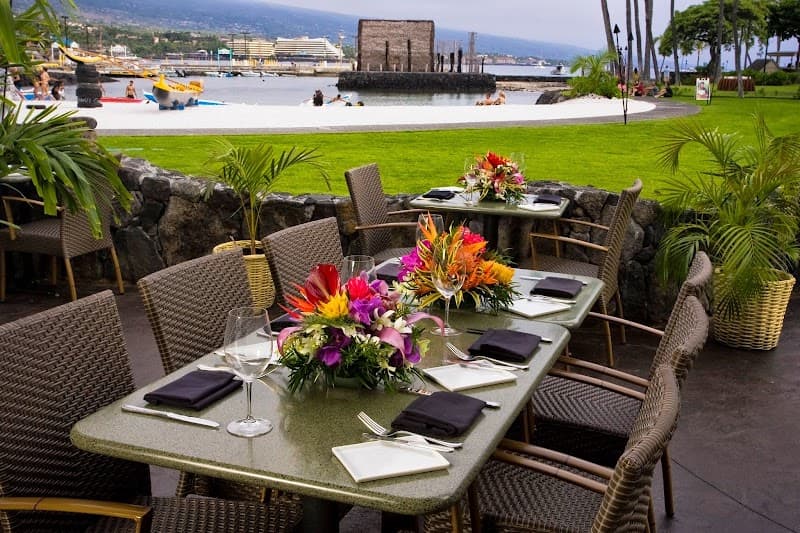
Tropical Kona Chill Day: Beach, History & Island Vibes
Weekend · $$$
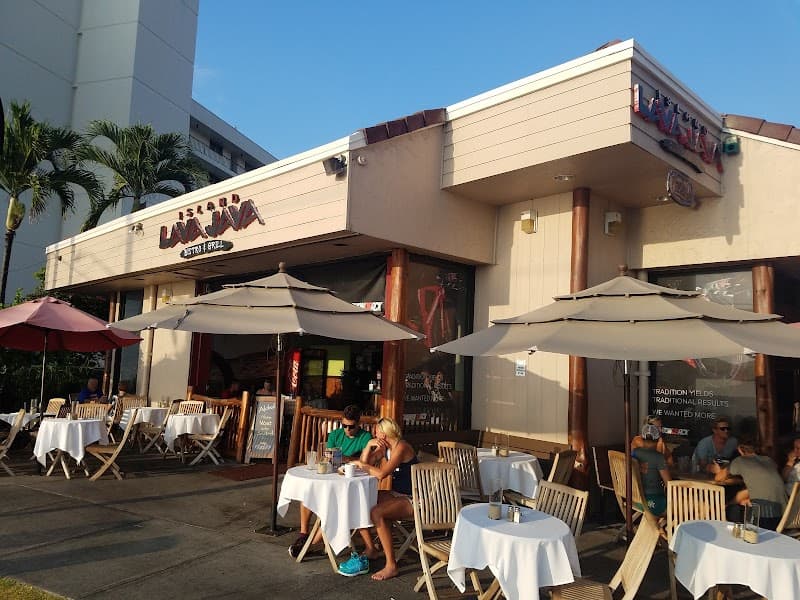
Slow-Coast Celebration Day in Kailua-Kona
Weekend · $$
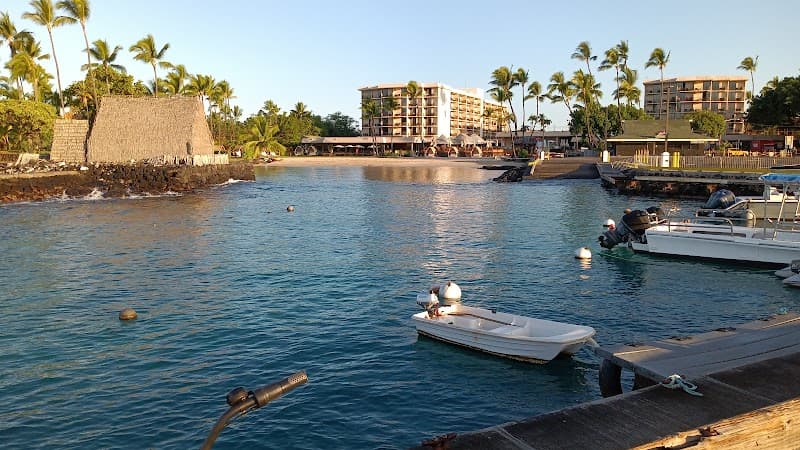
Adventure & Aloha: 7 Days in Kailua-Kona
Week · $$$
Kona Adventure Bliss: 10 Days of Waves, Trails & Wonders
Weekend · $$$
Romantic Kona Coast Weekend Escape
Weekend · $$

Romantic Kona Coast Weekend Escape
Weekend · $$$$
Things to Do in Kailua-Kona
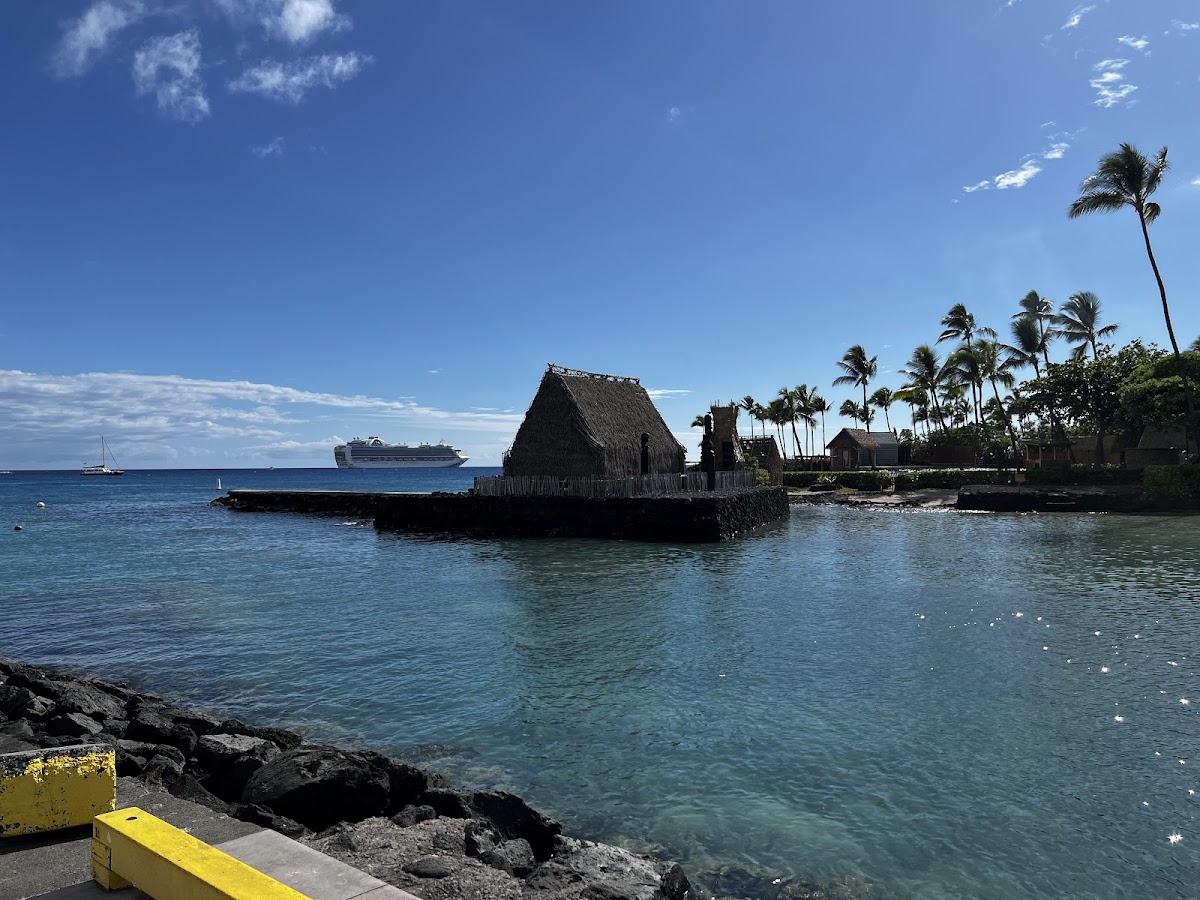
Kailua-Kona Pier
Kailua Village · 60 min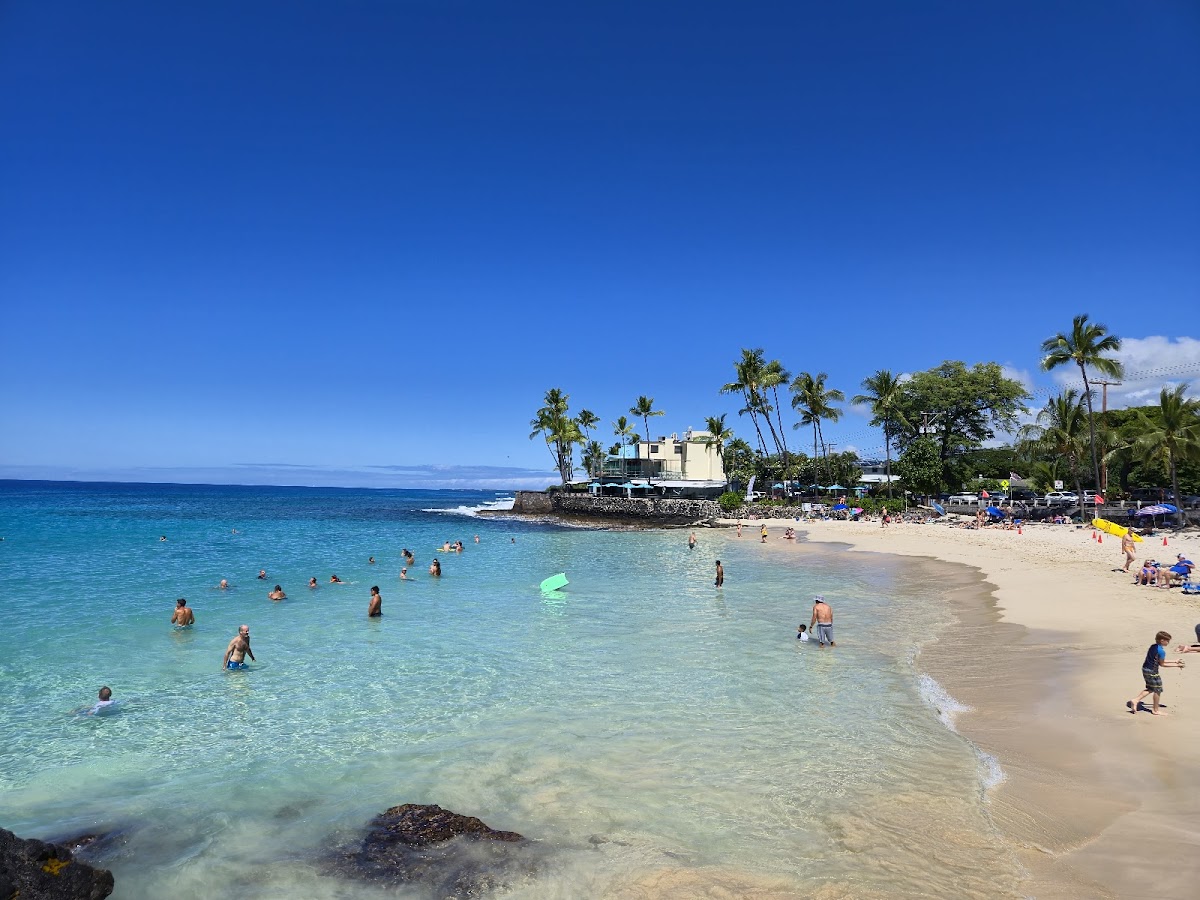
Magic Sands Beach
Kailua-Kona · 120 min
Kona Inn Shopping Village
Kailua Village · 60 minMoney-Saving Tips
- 1.Book accommodations in Keauhou instead of downtown Kailua-Kona for better rates and newer properties
- 2.Shop for groceries at KTA Super Store rather than resort shops – prices are 30-40% lower
- 3.Many coffee farms offer free tours and tastings – skip the expensive coffee shop chains
- 4.Municipal parking lots cost $5/day versus $20+ at resort parking
- 5.Happy hour at oceanfront restaurants runs 3-6pm with discounted drinks and appetizers
- 6.Snorkel gear rentals from local shops cost half what resorts charge
- 7.Food trucks and plate lunch spots offer authentic local food for under $15
- 8.Visit during shoulder seasons (April-May, September-November) for 20-30% lower hotel rates
Travel Tips
- •Bring reef-safe sunscreen – Hawaii bans chemical sunscreens that damage coral
- •Book manta ray tours in advance, especially during peak season – they sell out quickly
- •Ali'i Drive closes for the Ironman race in October – plan alternate routes if visiting then
- •The west side gets very little rain, but pack a light jacket for evening ocean breezes
- •Many beaches have limited shade – bring an umbrella or beach tent
- •Download offline maps – cell service can be spotty in remote areas
- •Respect Hawaiian cultural sites by staying on marked paths and not touching artifacts
- •Kahalu'u Beach Park has restrooms and showers – perfect for a full beach day
- •Coffee farm tours work best in the morning when it's cooler and less crowded
- •Two-Step at Place of Refuge has rocky entry – water shoes make it much easier