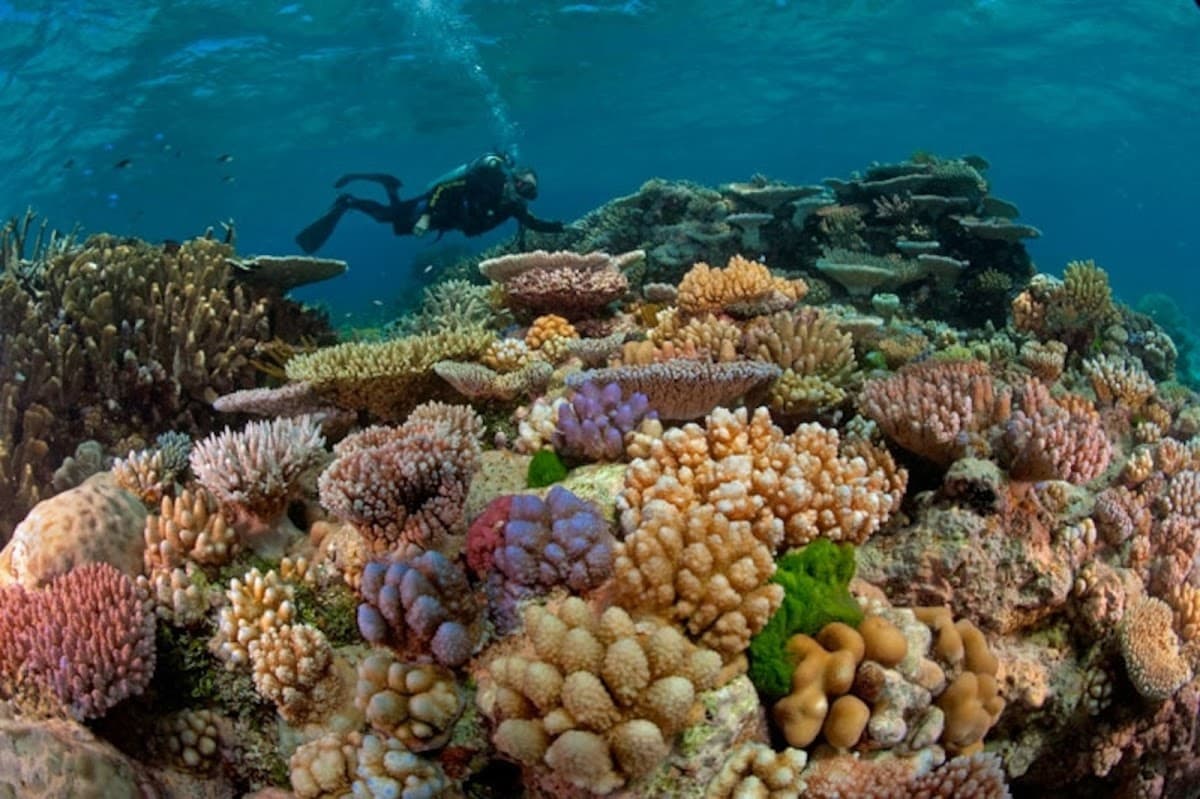
Great Barrier Reef
World's largest coral reef system teeming with marine life
The Great Barrier Reef stretches 2,300 kilometers along Australia's northeast coast, making it the world's largest coral reef system. But here's what the postcards don't tell you: this isn't just one reef. It's actually 2,900 individual reefs and 900 islands, each with its own personality and marine ecosystem. You can snorkel with sea turtles at Lady Elliot Island, dive the famous Cod Hole near Lizard Island, or simply float above gardens of staghorn coral in the shallow waters off Port Douglas. The reef system supports over 1,500 fish species, 400 coral types, and marine life ranging from microscopic plankton to 30-ton humpback whales. And yes, despite climate concerns, large sections remain vibrant and accessible to travelers who know where to look.
Money-Saving Tips
- 1.Book reef tours directly with operators rather than through hotel concierges to save 20-30% on day trip costs
- 2.Many Cairns hostels offer package deals combining accommodation with reef tours for better value than booking separately
- 3.Consider camping on resort islands like Fitzroy Island ($25/night) instead of resort accommodation ($400+/night)
- 4.Liveaboard diving boats often cost less per day than daily reef trips when you factor in meals and accommodation
- 5.Shop for snorkel gear at Kmart or Big W in Cairns ($30-50) rather than renting daily ($15-20)
- 6.Book flights to Hamilton Island instead of connecting through Brisbane to save time and money on Whitsundays trips
- 7.Many reef operators offer standby rates up to 50% off if you're flexible with dates and departure times
Travel Tips
- •Pack a rashguard or wetsuit even in summer – reef sun reflects intensely and you'll spend hours in the water
- •Bring reef-safe sunscreen (zinc oxide or titanium dioxide based) as many operators ban chemical sunscreens
- •Download offline maps before heading to remote islands as mobile coverage drops significantly on outer reefs
- •Book reef tours for early morning departures to avoid afternoon winds that can make boat rides uncomfortable
- •Carry seasickness medication even if you're not usually prone – reef boats encounter ocean swells beyond the continental shelf
- •Most reef tours include snorkel gear, but serious snorkelers should bring their own mask for better fit and visibility
- •Check tide times before booking – low tides expose more coral but can make snorkeling in shallow areas difficult
- •Respect marine park zoning rules – green zones prohibit fishing and some areas require special permits for diving
Frequently Asked Questions
BUILD YOUR
GREAT BARRIER REEF PLAN
Insider picks, smart timing, and a plan ready when you are.
Start Planning