
Dunedin
Scotland's charm meets New Zealand's wild beauty
Dunedin sits at the bottom of New Zealand's South Island like a Victorian time capsule that somehow learned to surf. Here's a city where Scottish settlers built Gothic Revival masterpieces in the 1800s, then nature decided to add penguins, albatross, and some of the most dramatic coastal scenery you'll find anywhere. The Octagon anchors the city center with its statue of Robert Burns, while the Otago Peninsula stretches east like a finger pointing toward Antarctica. Students from the University of Otago keep the energy young, craft breweries pour world-class beer, and you can spot royal albatross just 30 minutes from downtown. Look, it's not the easiest place to reach, but that's exactly why it works.
Best Months
JAN · FEB · MAR · OCT · NOV · DEC
~20°C · high crowds
Culture & Context
EDINBURGH OF THE SOUTH
Dunedin was founded by Scottish settlers in 1848, and the Edinburgh connections run deep. The street grid mirrors parts of Scotland's capital, the University of Otago (founded 1869) is the country's oldest, and the city's stone Victorian and Edwardian buildings give it a weight that most New Zealand cities lack. Locals call it the Edinburgh of the South, and for once that comparison isn't overblown.
But it's also very much a South Pacific university city. The University of Otago pumps around 20,000 students through the place, keeping the food scene sharp, the live music venues alive, and the politics leaning progressive. The scarfie culture is real and visible. So is the wildlife. The Otago Peninsula, a volcanic spine jutting into the Pacific east of the city, hosts the world's only mainland breeding colony of northern royal albatross at Taiaroa Head, plus yellow-eyed penguins (one of the rarest), New Zealand sea lions, and little blue penguins.
Dunedin holds UNESCO City of Literature status, which it wears with pride. The local arts scene punches well above its population weight of roughly 132,000 people. Here's the thing: the city has a genuine alternative edge that Auckland mostly lost to money. And it's cold and frequently grey, which concentrates people indoors, in galleries and venues and good cafes. That's not a downside. That's the character.
Local Customs
WILDLIFE RESPECT PARAMOUNT
No tipping is expected at restaurants or cafes. If food and service are exceptional, a small tip is appreciated but never assumed. Locals will find it slightly awkward if you insist..
Remove your shoes when entering someone's home. It's not universal but common enough that you should look for the shoe pile at the door before barging in with your boots on.. The Otago Farmers Market happens every Saturday from 8am to 12:30pm next to the Dunedin Railway Station.
It's a genuine local institution. Get there before 10am or the good stalls run out.. Biosecurity declarations on arrival at New Zealand airports are taken seriously.
Declare everything you're carrying, including food, plant material, and muddy hiking gear. Fines are real and enforcement is thorough.. BYO (bring your own alcohol) restaurants are common and a good way to cut your bill.
Look for the 'BYO' label on menus. Corkage fees usually run NZ$5–10 per bottle.. Dunedin is a UNESCO City of Literature, and locals take books and independent bookshops seriously.
Scribes bookshop is a local favourite. Expect strong opinions on New Zealand fiction.. Rugby is social glue here.
The Highlanders are the local Super Rugby team and games at Forsyth Barr are a genuine community event. Express any mild interest and locals will talk for hours.. Wildlife etiquette matters on the Otago Peninsula.
Keep 10 metres from sea lions and penguins, stay on marked tracks, and don't use flash photography near wildlife at night. The animals genuinely don't care about your Instagram.
Safety
LARGELY SAFE, STAY ALERT
Dunedin scores 83 out of 100 for perceived safety, putting it among the safer mid-sized cities globally. Day-to-day it's relaxed. You can walk the CBD during the day without concern, and most neighbourhoods feel genuinely safe. The main watch-outs: avoid South Dunedin at night, where higher petty crime rates make it an easy skip. Around the Octagon late on weekends, the usual alcohol-fuelled university crowd creates the kind of ambient unpredictability you'd see in any student city. Watch your drink. Watch your bag.
For solo travelers: public transport at night is the main vulnerability, so use Uber or a taxi after midnight rather than waiting at a poorly-lit bus stop. When hiking on the Otago Peninsula or coastal tracks, always tell someone your plans. Mobile coverage is patchy beyond the city limits. Carry a physical map or download offline maps. Beach swimming requires caution: St Clair and St Kilda have strong rips, so swim between the flags only. Wildlife interaction: stay 10 metres from sea lions at all times. They look slow. They are not slow. Emergency services: 111 for Police, Fire, Ambulance. Non-emergency Police: 105.
Getting Around
WALKABLE CBD, RENT FOR PENINSULA
The CBD is genuinely walkable. From the Octagon to the Railway Station takes about 10 minutes on foot, and most city-centre attractions fall within a reasonable walk of each other. For anything further, Dunedin runs on the Orbus bus network managed by the Otago Regional Council. Get a Bee Card for better fares. Call 0800 672 8736 for bus info. The bus app or the Transit app handles real-time tracking.
For the Otago Peninsula, which is where the albatross, penguins and sea lions are, you genuinely need a car or a tour. Public buses don't cover the peninsula in useful ways. Rental car companies operate in the city and the airport (15 minutes south of the CBD). Dunedin Airport has Air New Zealand and Jetstar connections, with direct flights to Auckland, Wellington, and Christchurch. For getting to Dunedin overland from Christchurch, the InterCity bus runs a reliable service and takes about 5.5 hours down SH1. The Taieri Gorge Railway tourist train is worth knowing about for a day trip inland, though it doesn't connect to anywhere useful for transit. Uber operates in the city. Taxis are available but agree on a fare or insist on the meter.
Useful Phrases
Things to Do in Dunedin
Downtown Dunedin Stroll
Downtown Dunedin · 90 min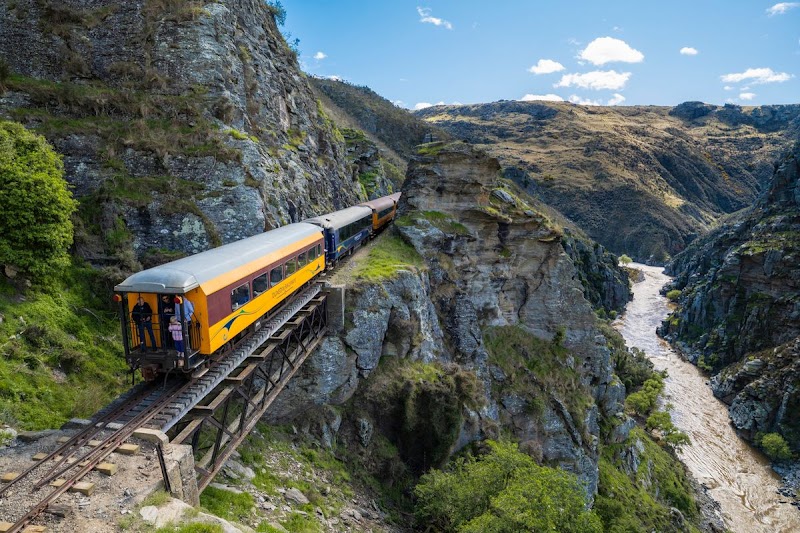
Dunedin Railway Station
City Centre (Railway Station) · 45 min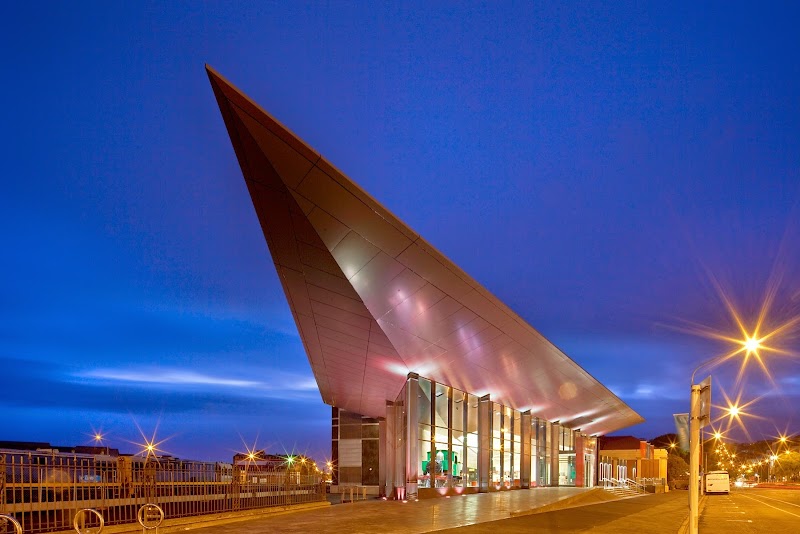
Toitū Otago Settlers Museum
City Centre (near Railway Station) · 90 minMoney-Saving Tips
- 1.Book accommodation 6-8 weeks ahead for summer visits - prices double during peak season and availability disappears
- 2.Buy groceries at Pak'nSave on Cumberland Street rather than downtown shops to save 20-30% on basics
- 3.Many wildlife tours offer student discounts with valid ID - ask when booking, savings range from $5-15 NZD
- 4.Wednesday nights at most pubs feature drink specials and quiz nights with prizes - easy way to meet locals
- 5.Petrol costs more on the peninsula than in the city - fill up before heading to wildlife spots
- 6.The Saturday farmers market at the Octagon offers better prices on local produce than supermarkets
- 7.Happy hour at bars typically runs 4-6pm with $2-3 NZD off drinks - time your evening start accordingly
Travel Tips
- •Bring layers year-round - Dunedin's weather changes quickly, especially on the peninsula where wind picks up suddenly
- •Book albatross tours in advance during breeding season (March-September) as they limit numbers to protect wildlife
- •Download offline maps before heading to the Catlins - cell coverage disappears in many coastal areas
- •Pack rain gear regardless of season - Dunedin averages 120 rainy days per year
- •University of Otago creates a young energy February-November but accommodation gets scarce during Orientation Week
- •Wildlife viewing works best early morning or late afternoon when animals are most active
- •The peninsula's narrow roads have few passing opportunities - allow extra time and pull over for faster vehicles
- •Many restaurants close Mondays, especially in winter - check ahead or you'll find limited options
- •Sandfly Bay requires a 20-minute walk through dunes to reach penguins - wear sturdy shoes and bring water