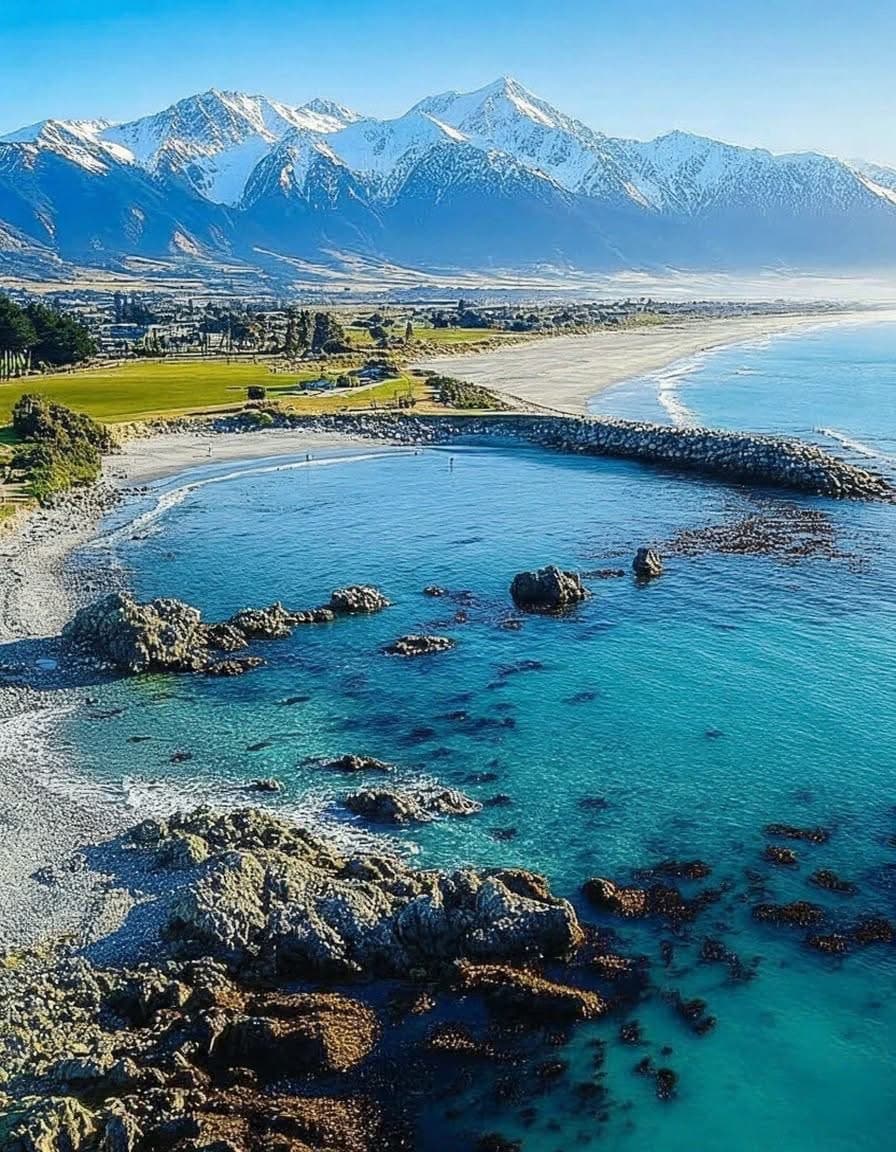
Kaikoura
New Zealand's marine wildlife capital beneath snowy peaks
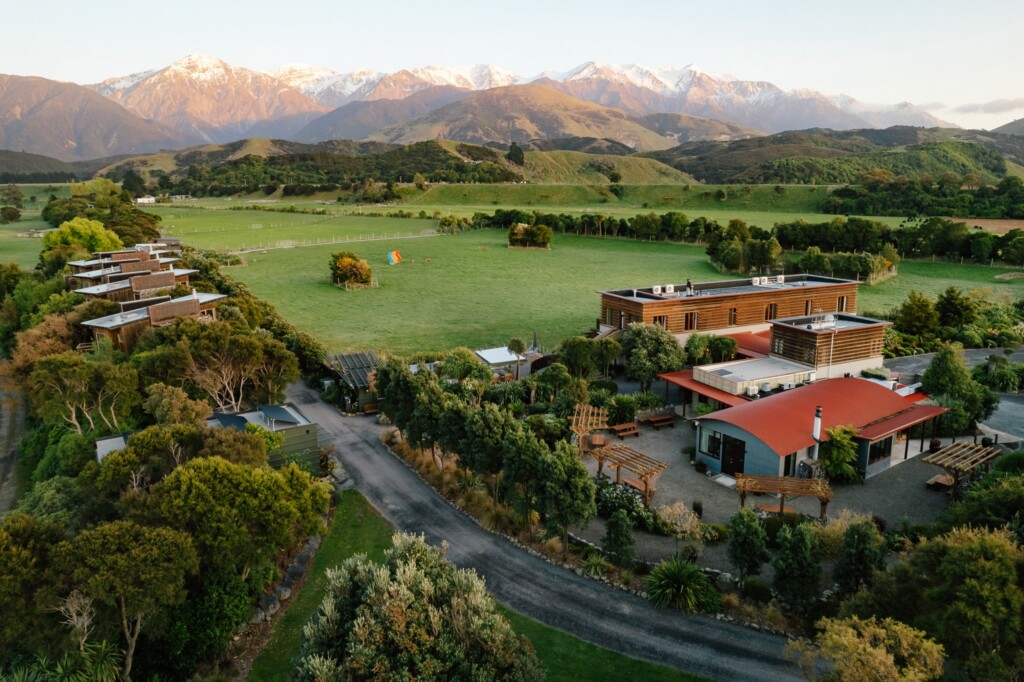
Kaikoura sits where the Seaward Kaikoura Range crashes into the Pacific Ocean, creating one of New Zealand's most dramatic coastlines. This small fishing town has become famous for one thing: marine wildlife. The deep Kaikoura Canyon lies just offshore, bringing sperm whales, dolphins, and seals close to shore year-round. But here's what makes it special — you can spot whales in the morning and hike alpine trails in the afternoon. The town itself is unpretentious, with a main street lined with seafood shacks and tour operators. Crayfish (lobster) is the local specialty, and you'll find it everywhere from roadside stands to upscale restaurants. The backdrop of snow-capped mountains makes every meal feel like a postcard moment.
Best Months
JAN · FEB · MAR · OCT · NOV · DEC
~20°C · peak crowds
Culture & Context
WHALES & CRAYFISH LEGACY
Kaikōura is a small coastal town of about 3,600 people, squeezed between the Pacific Ocean and the Seaward Kaikōura mountain range on New Zealand's South Island. The name tells you exactly what matters here: "kai" means food and "kōura" means crayfish. So quite literally, this is a place built around eating crayfish.
The Māori ancestor Paikea was said to have been led to New Zealand by a whale, and his descendants still live in Kaikōura today. That lineage matters. The whale watching isn't just a tourist gimmick.
It has deep cultural roots, and the local Ngāi Tahu-owned Whale Watch Kaikoura operation reflects that. The town took a serious hit from a 7.8-magnitude earthquake in November 2016, which temporarily cut off all road and rail access.
The recovery has been remarkable, though reminders of the quake linger. Drive the coastal road and you'll still spot the massive wire-mesh retaining walls holding the mountainside back. The Kaikōura Museum has a whole exhibition called "The New Normal" with firsthand accounts from survivors.
Worth an hour of your time. The town sits above a geological wonder: the Kaikōura underwater canyon plunges to over 1,200 metres just offshore. That depth brings cold, nutrient-rich water to the surface, which feeds everything from plankton to giant sperm whales.
This is why the marine life here is extraordinary. It's not luck. It's geology.
Local Customs
RESPECT WILDLIFE FIERCELY
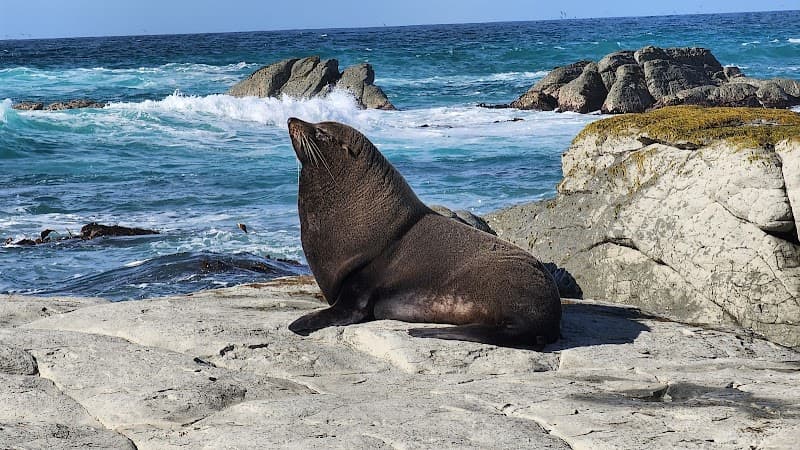
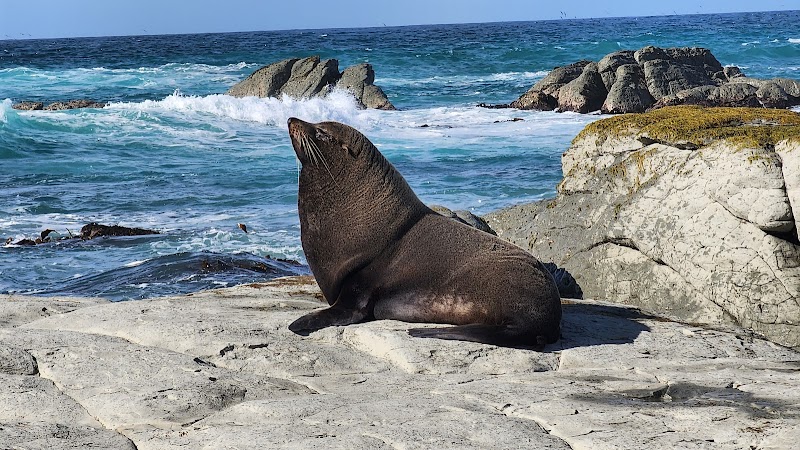
Tipping is genuinely not expected anywhere in Kaikoura. Rounding up or leaving a few coins is a nice gesture for great service, but locals will not be offended if you don't, and staff won't chase you down.. Keep at least 20 metres from fur seals at all times.
They look dopey and slow but can move fast and carry nasty bacteria in their bite. The DOC takes wildlife harassment seriously and can issue fines.. Do not swim near or feed the seals.
Even at Point Kean, where seals get very close to the path, tourists who approach too closely get hissed at and occasionally lunged at.. Check the tide times before walking the lower Peninsula Walkway track. After roughly 4pm, high tide can cut off sections of the coastal path near the seal colony..
The Visitor Centre at 75 Westend is worth a stop but opens at 10am, which can be frustrating if you're an early riser trying to plan the day. Head to the railway station area instead for Whale Watch check-in, which starts at 7:15am.. Many marine tours operate subject to weather and sea conditions.
If your whale watch gets cancelled, you'll get a full refund. But if it runs and the whales don't show up, you get 80% back. Build this into your planning and book activities for earlier in your stay, not your last morning..
New Zealand drives on the left. The open road speed limit is 100km/h, and town limits vary between 50-70km/h. Check signs carefully as they change without much warning on SH1 through town..
The International Visitor Levy (IVL) is now NZD $100 per visitor, tripled from the previous $35. Pay this online before arrival if you need an NZD Electronic Travel Authority (ETA).
Safety
SEALS & SWELLS RULE
Kaikōura is genuinely safe. Crime is not a concern for visitors. The real risks here are environmental.
The coast can get rough fast, especially in southerly weather. Waves on the rocky Peninsula shoreline have knocked people off their feet, so keep well back from the water's edge during swells. For the Peninsula Walkway low track, check the tide tables before heading out.
High tide after 4pm can cut off parts of the path without much warning. Wildlife safety is the other big one. Stay at least 20 metres from fur seals.
They carry Leptospirosis bacteria and can move quickly when startled. Do not get between a seal and the water, and especially don't get between a mother and her pup. If a seal hisses, back away.
Whale watch and dolphin tours can be cancelled on short notice due to sea conditions. If you're prone to seasickness, pick up motion sickness tablets at the local pharmacy on Beach Road before your tour. The operator does sell natural alternatives, but medicinal options require a pharmacy visit.
The earthquake risk in this region is real. Kaikōura is seismically active. Know what to do in the event of a strong shake: drop, cover, hold.
If at the coast, move immediately to higher ground if the shaking is severe, without waiting for an official tsunami warning.
Getting Around
SCENIC DRIVE OR TRAIN
Getting to Kaikōura is straightforward. The most popular route is self-driving SH1: 2.5 hours north from Christchurch or 2 hours south from Picton, with the mountains on one side and the ocean on the other.
It's a genuinely great drive, but there are single-lane sections and roadwork-related delays around the quake repair zones, so allow extra time. The Coastal Pacific train runs between Christchurch and Picton from October through April. It departs Christchurch at 7am, stops in Kaikōura around 10am, and arrives Picton at 12:40pm.
Southbound it departs Picton at 1:40pm and passes through Kaikōura at 4:15pm. The views of the mountains crashing into the ocean from the train are genuinely hard to beat. InterCity buses also run the Christchurch-to-Kaikōura route through the Waipara wine valley.
Within town, you don't need a vehicle. The main strip, the Esplanade, and the Peninsula are all walkable. A few shuttle buses handle transfers to and from accommodation.
Whale Watch Kaikoura is based at the old railway station on Whaleway Station Road, a short walk or drive from town.
Useful Phrases
Kaikoura Itineraries
View all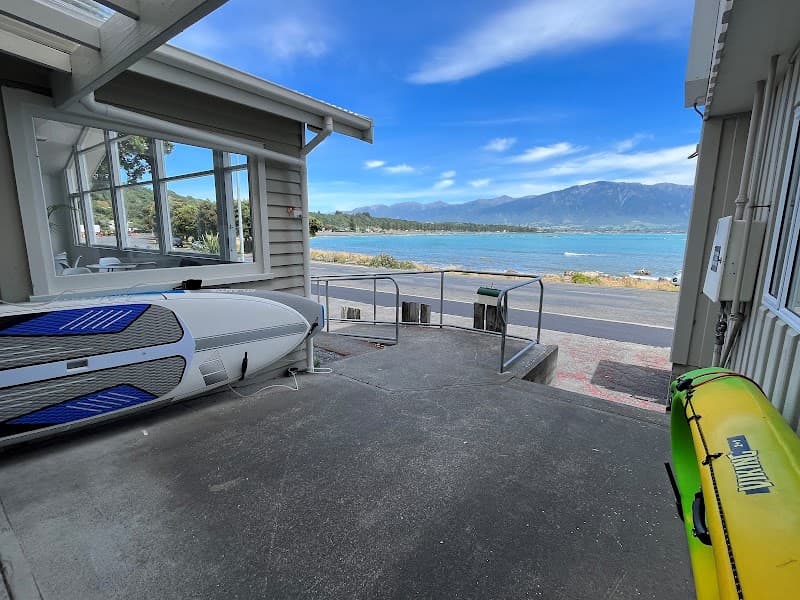
Wild Shores of Kaikōura: A 7-Day Coastal Escape
Week · $$$
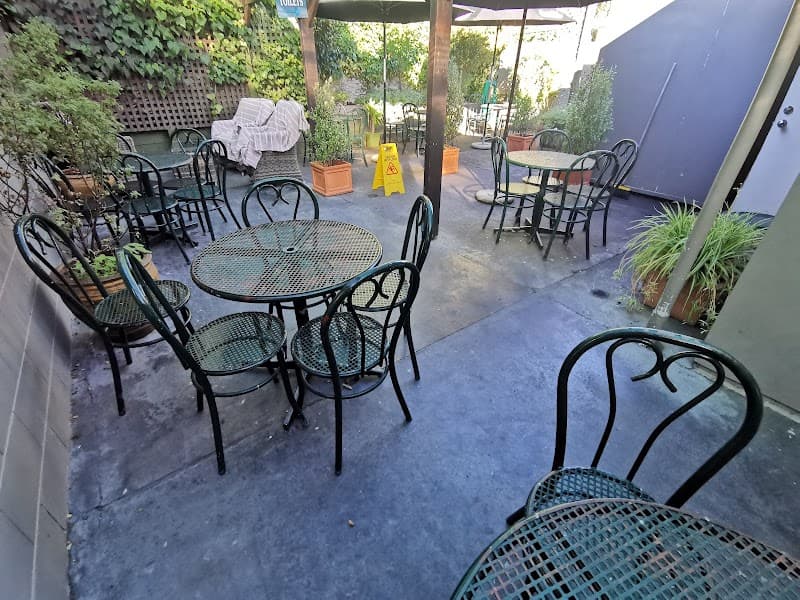
Wild Coasts & Forest Paths: 3 Days in Kaikōura
Weekend · $$$
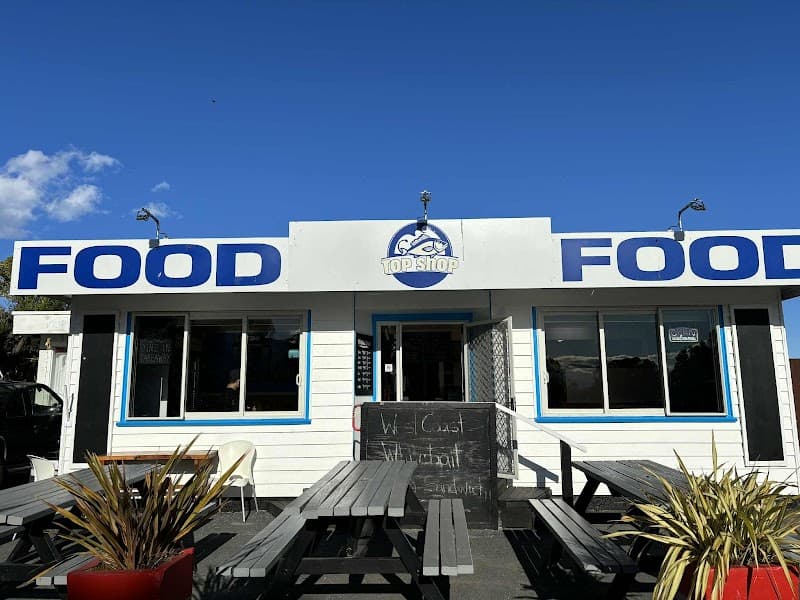
Wild Seas & Secret Coves: 7 Days in Kaikoura
Week · $$$

Kaikoura Coast Weekend: Dolphins, Cliffs, and Quiet Romance
Weekend · $$$
Kaikoura Wild Coast Family Adventure Week
Week · $$$

Wild Coasts & Whales: A Family Weekend in Kaikoura
Weekend · $$$
Where to Stay in Kaikoura
1 recommended properties
Things to Do in Kaikoura
Kaikoura Peninsula Walkway (Town to Seal Colony Section)
Kaikoura Peninsula / Esplanade · 120 min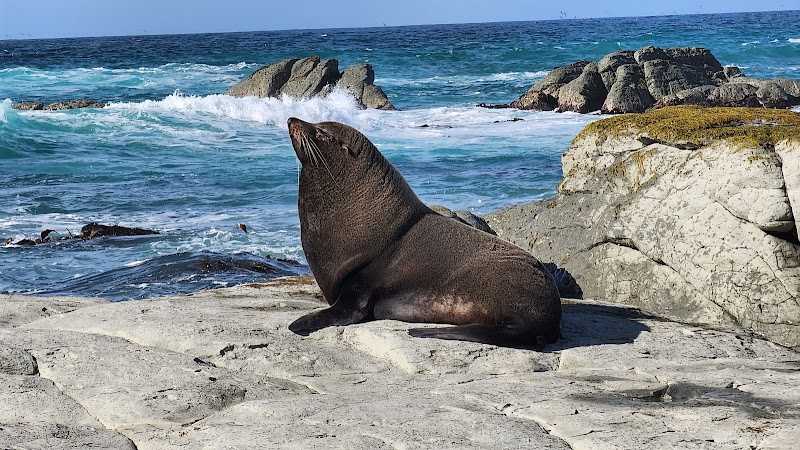
Kaikoura Seal Colony (Point Kean)
Kaikoura Peninsula · 60 min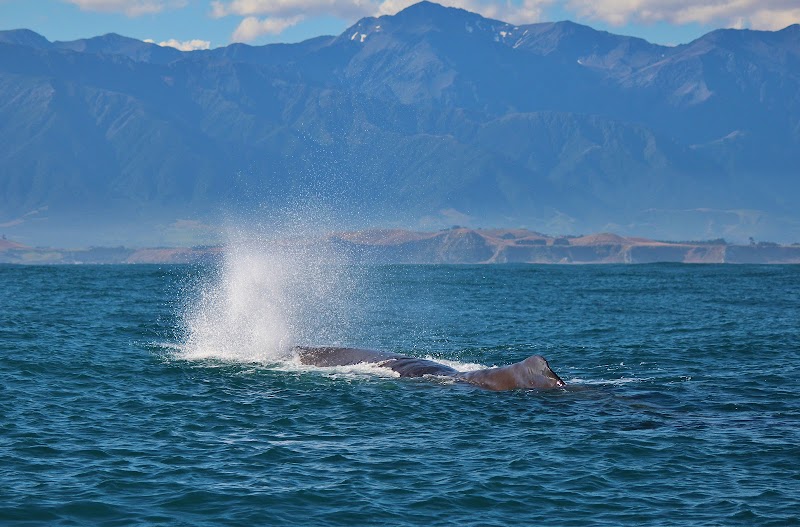
Whale Watch Kaikoura Family Cruise
South Bay · 180 minMoney-Saving Tips
- 1.Book whale watching tours online in advance for 10-15% discounts
- 2.Buy crayfish directly from fishing boats at South Bay wharf for half restaurant prices
- 3.Stay in Kaikoura midweek - weekend rates can be 40% higher
- 4.Pack lunch for hiking trails - there are no cafes on the peninsula walks
- 5.Fill up your car in Kaikoura - next petrol station is 45 minutes away
- 6.Check multiple tour operators - prices for similar whale watching trips vary by $20-30
- 7.Shop at New World supermarket rather than tourist-focused stores for 30% savings on basics
Travel Tips
- •Bring seasickness medication even if you don't usually get sick - Kaikoura waters can be rough
- •Wear layers - mountain weather changes quickly and sea breezes are constant
- •Book accommodations well ahead for December-February and Easter holidays
- •Download offline maps - cell coverage is patchy on peninsula walks
- •Respect seal colonies by staying at least 10 meters away - they can move surprisingly fast
- •Check tour cancellation policies - weather can shut down whale watching with little notice
- •Bring a good camera with zoom lens - wildlife photography opportunities are incredible