Tauranga
New Zealand's sunny harbor city with pristine beaches nearby
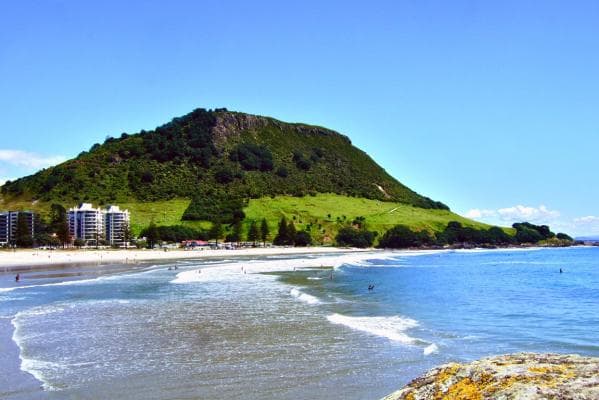
Look, Tauranga gets it right. This Bay of Plenty harbor city serves up 2,400 hours of sunshine annually while most of New Zealand shivers through winter drizzle. The locals call it "the Mount" when referring to Mount Maunganui, the iconic volcanic cone that anchors the eastern end of the city. But Tauranga is more than just good weather and Instagram-worthy peaks.
The city sprawls around a natural harbor that's been feeding families for centuries. Māori settled here over 700 years ago, drawn by the same sheltered waters and fertile land that make modern Tauranga New Zealand's fastest-growing city. Today, you'll find container ships sharing the harbor with weekend sailors, while the downtown waterfront buzzes with cafes and weekend markets.
Here's what works: Tauranga delivers that rare combination of urban amenities and beach town chill. You can grab specialty coffee on Devonport Road, then be body-surfing at Mount Maunganui Beach within 20 minutes. The city sits perfectly positioned for day trips to Rotorua's geothermal wonders or the glowworm caves of Waitomo. And those Bay of Plenty beaches? They're the real deal – golden sand stretches that actually live up to the tourism posters.
Best Months
JAN · FEB · MAR · APR · DEC
~22°C · peak crowds
Culture & Context
MĀORI HEART, MODERN PULSE
Tauranga's Māori name means "resting place" or "safe anchorage," and that energy still comes through. The Bay of Plenty has been home to Māori communities for centuries, and local iwi maintain a strong, active presence here. Mauao, the volcanic cone known to outsiders as Mount Maunganui, is not just a hill to climb.
For local Māori, it's an ancestor. Treat it accordingly. The Gate Pā historical site in the city is where one of the most significant battles of the New Zealand Wars was fought in 1864 — British forces suffered their heaviest losses there.
The wider city is culturally diverse: about 19% of residents identify as Māori, plus a growing Asian community and expats from all over. Te reo Māori (the Māori language) is increasingly visible on signage, in greetings, and in public life as part of a nationwide revitalisation. Making even a small effort to use it earns genuine warmth from locals — both Māori and Pākehā (European New Zealanders).
Local Customs
SHOES OFF, KAIA ORA
Shoes off at the door. If you're invited into someone's home — Māori household or not — check by the entrance. Shoes often come off, and following suit is just respectful..
The hongi (pressing foreheads and noses together) is a traditional Māori greeting used in formal settings like pōwhiri (welcoming ceremonies). Don't initiate it yourself, but if someone offers, accept it with respect rather than awkwardly dodging it.. Kia ora works as hello, thank you, and cheers all in one.
Use it freely — locals love hearing visitors try.. Mauao (Mount Maunganui) is a sacred site. People climb it daily, but treat it with the same respect you'd give any culturally significant place.
Stay on the marked track, don't litter, and don't blare music on the summit.. New Zealand's biosecurity rules are dead serious. Declare everything at the border.
Failing to declare food, plant material, or dirty outdoor gear can land you a NZ$400 fine on the spot.. The NZ sun is aggressive — UV levels are higher here than at equivalent latitudes in Europe or North America due to lower ozone. Slip, slop, slap (shirt, sunscreen, hat) even on cloudy days..
Tipping is not expected or required in New Zealand. It's appreciated but never obligatory. Don't feel awkward about not tipping..
New Zealanders are casual and direct. Small talk is fine, but don't be surprised if someone skips pleasantries and just answers your question straight.
Safety
SAFE, BUT WATCH YOUR CAR
Tauranga is a genuinely safe city by any reasonable measure — New Zealand ranks third in the world for peace and safety on the 2025 Global Peace Index. That said, petty property crime in Tauranga Central runs higher than you might expect. Theft makes up 76% of incidents in the CBD area.
Car break-ins at scenic spots and trailheads are the most common tourist issue. Don't leave anything visible in a rental car, especially at the Mauao carpark or beach reserves. Violent crime against tourists is rare.
The city's waterfront can feel quiet at night, so use the same common sense you'd apply anywhere — avoid unlit areas alone late at night, don't leave drinks unattended in bars. The emergency number is 111 (police, fire, ambulance). For non-emergencies, call 105.
Natural hazards are worth knowing: Tauranga sits near a fault line, White Island (an active volcano) is visible offshore on clear days, and beach rips can be strong — swim between the flags at patrolled beaches. UV levels in New Zealand are higher than at comparable latitudes elsewhere, so treat sunscreen as non-optional even on overcast days.
Getting Around
RENT A CAR
Flying in: Tauranga Airport (TRG) is a short domestic hop from Auckland (about 45 mins) or Wellington. Air New Zealand runs regular services. From Auckland by road it's roughly 2.
5 hours down the SH1 and SH2, or 3 hours via the Coromandel if you want a scenic drive. Buses: The Bay of Plenty regional bus network covers about a dozen routes across Tauranga, running seven days a week except Christmas Day and Good Friday. Since January 2026 fares increased by about 30-40 cents per trip — the first rise since 2018.
Get a Bee Card for discounted fares. The national InterCity bus network also serves Tauranga, connecting to Auckland, Rotorua, and beyond. Getting around locally: Honestly, a car makes life easier here.
The bus network is solid for getting between The Mount and the CBD, but once you want to reach Papamoa Beach, McLaren Falls, or the waterfall walks south of the city, you really want wheels. Ride-sharing (Uber operates here) fills some gaps. The city is also reasonably bike-friendly with cycling paths, which works well if you're staying near The Mount or the CBD waterfront.
Useful Phrases
Money-Saving Tips
- 1.Shop at Pak'nSave Tauranga on Cameron Road for cheapest groceries – prices beat tourist-area supermarkets by 20%
- 2.Mount Maunganui Beach parking is free before 8am and after 6pm during summer – time your beach visits accordingly
- 3.Bay Hopper day passes cost $10 NZD versus $3.50 per trip – worthwhile if making 3+ bus journeys
- 4.Wednesday farmers market at Tauranga Primary School has end-of-day discounts on fresh produce
- 5.Many accommodation places offer weekly rates that work out 15-20% cheaper than nightly bookings
- 6.Free WiFi at Tauranga Library and most cafes – skip expensive hotel internet charges
- 7.Mount Maunganui walking tracks are free and offer better harbor views than paid tourist attractions
Travel Tips
- •Climb Mount Maunganui early morning to avoid crowds and heat – the 3.4km loop takes 45-60 minutes
- •Pack reef-safe sunscreen – Tauranga's UV levels are intense year-round due to the ozone hole
- •Check tide times before visiting Hot Water Beach – you can only dig hot pools 2 hours either side of low tide
- •Download the MetService app for accurate Bay of Plenty weather forecasts – conditions change quickly
- •Book accommodation well ahead for summer holidays and long weekends – Tauranga gets busy with domestic tourists
- •Bring or buy a wetsuit for winter swimming – water temperatures drop to 14°C by August
- •Most restaurants close Sunday nights and Mondays – plan accordingly or you'll be stuck with takeaways