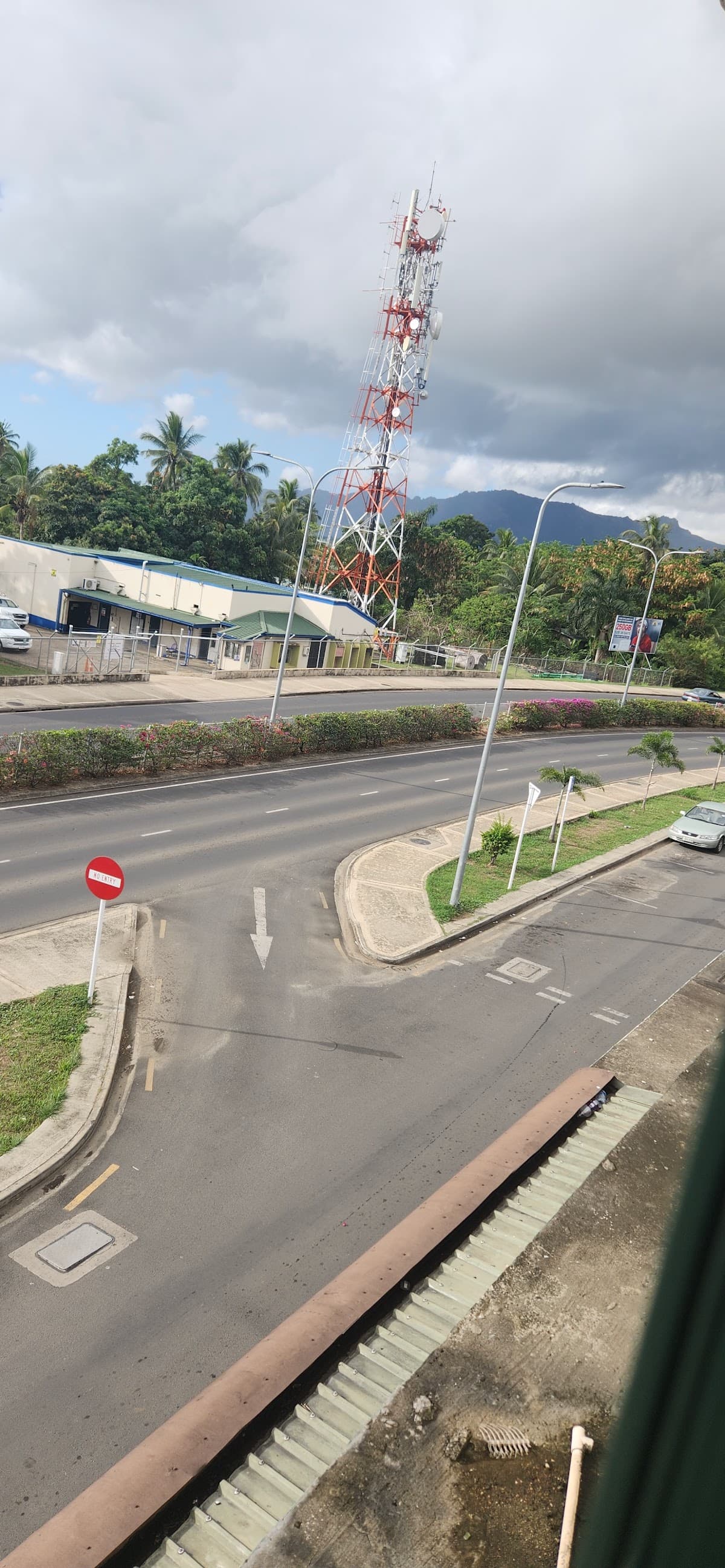
Nadi
Fiji's gateway to tropical paradise and island adventures
Most people rush through Nadi on their way to Fiji's outer islands. Big mistake. This gateway city packs serious punch — from the sacred Sri Siva Subramaniya Temple to the muddy bliss of Sabeto Hot Springs. Sure, it's not the postcard-perfect resort destination you'll find on the Mamanucas. But Nadi gives you real Fiji: Indian curry houses next to traditional bure, backpackers sharing beers with honeymooners, and some of the friendliest locals you'll meet anywhere. Plus, everything costs about half what you'd pay on the resort islands.
Best Months
MAY – OCT
~27°C · high crowds
Culture & Context
FIJIAN & INDO-FIJIAN BLEND
Nadi sits on the western edge of Viti Levu, Fiji's main island, and it's where nearly every international visitor lands first. But here's the thing: most people treat it as a layover town and scramble straight to the outer islands. That's a mistake.
Nadi has genuine character. The town is a real mix of indigenous Fijian and Indo-Fijian cultures, which means you can eat jackfruit curry at a local canteen one hour and watch a traditional meke dance performance the next. Temperatures hold steady around 25.
5°C (77.9°F) year-round. And one important detail for pronunciation: the "d" in Fijian is said with an "n" in front of it.
So it's not "Nah-dee." It's "Nan-di." Get that right in the first five minutes and locals will warm to you immediately.
Local Customs
RESPECT & SEVUSEVU RITUAL
Bring sevusevu (a bundle of kava root) when visiting a village. You can pick one up at Nadi Central Market for around FJD $20. Don't skip this — it's not optional, it's how you show respect to the village chief..
Remove your shoes AND anything on your head (hats, sunglasses) before entering a village or temple. Hold backpacks in your hand rather than wearing them on your back.. If someone offers you food, eat it.
Turning it down is rude. Even a small taste counts. This applies especially during kava ceremonies or village visits..
Fiji time is real. Your 10am boat transfer might leave at 10:30. Your dinner will arrive when it arrives.
Locals don't respond well to urgency or frustration. Slow down and the whole place opens up.. Dress modestly away from the beach — bikinis and board shorts belong on the sand, not in town.
At temples and villages, cover your shoulders and knees, full stop. Women can borrow a sulu (sarong) at most temple entrances.. No photos during the sevusevu (kava) ceremony.
At markets, always ask vendors before pointing a camera at them. At temples, exterior shots are generally fine, interior shots usually are not.. Tipping is not a Fijian tradition.
At resorts, there's often a Staff Christmas Fund box. Small tips of FJD $5-13 for exceptional service are appreciated but never expected.
Safety
WATCH YOUR BELONGINGS
Nadi is generally safe, and Fijians are genuinely welcoming. But it's an urban hub, and the same common-sense rules apply here as anywhere. Petty theft (bag snatching, pickpocketing) is the main concern, mostly in crowded areas around Nadi Town, the markets, and the airport.
Don't flash expensive cameras or leave bags unattended. After dark, the stretch of Queens Highway between Namaka and the airport is poorly lit and not designed for walking — take a taxi. Same goes for the road between Wailoaloa Beach and central Nadi.
The Martintar and Denarau areas are better lit and more comfortable at night. Watch your drinks at bars — drink spiking has been reported. Credit card skimming happens; stick to ATMs at major banks (ANZ and Westpac have the widest network).
ATM fees run FJD $10-15 per withdrawal. On the health side: dengue fever is a real risk, carried by day-biting mosquitoes. Use insect repellent during the day, not just at dusk.
Cyclone season runs November to April. Flooding can affect roads and close access to the airport. Keep plans flexible during this period.
The Fiji government declared an ongoing HIV outbreak in 2025 — standard precautions apply. Emergency numbers: Nadi Police Station 670 0222, general emergency 911, Tourist Police 4502639.
Getting Around
BUSES, TAXIS & FERRIES
Getting around Nadi is easy once you know the system. The local yellow buses are absurdly cheap at FJD $1-4 per ride and connect most of the main neighborhoods. Get an e-Transport card to make paying faster.
But buses stop running early — don't count on them after dark. For taxis, look for the ones with LT plates, which are licensed and use meters within the Nadi area. Metered fares within town run FJD $5-15.
Shared taxis (slightly faster than buses, slightly pricier at FJD $5-10) are a good middle option for Denarau or Lautoka runs. One warning: some taxi drivers at the airport claim their meters are broken. They don't.
Insist on the meter or agree on a firm price before you get in. The standard Nadi airport to Denarau fare should be FJD $25-35. Private taxis for door-to-door trips cost FJD $20-40 for short hops.
For island-hopping, all ferries to the Mamanuca and Yasawa islands depart from Port Denarau Marina. South Sea Cruises and Awesome Adventures run the main routes, with one-way fares around FJD $80-150. Ferries run roughly hourly during the day.
If you want to explore at your own pace on land, car rental starts around FJD $60/day. Remember: Fiji drives on the left. Bicycle rentals (FJD $15-25/day) work fine for exploring within Nadi Town and surrounds, but the main Queens Road has fast traffic so stay alert.
Useful Phrases
Things to Do in Nadi
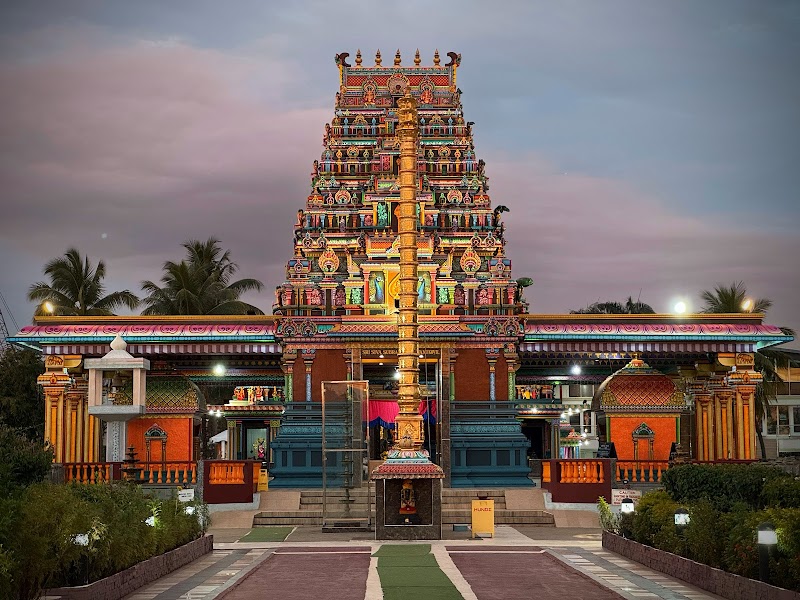
Sri Siva Subramaniya Temple
Nadi Town · 60 min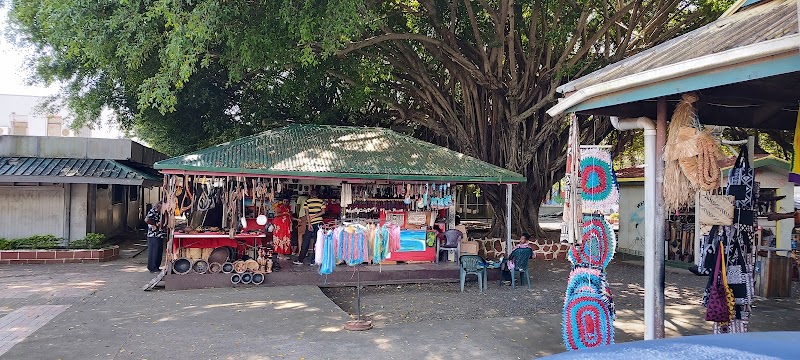
Handicraft Market
Nadi Town · 60 min
Kava Tasting Session
Nadi Town · 60 minMoney-Saving Tips
- 1.Negotiate taxi fares before getting in — tourist prices can be double the local rate
- 2.Shop at Namaka Market early morning for the freshest produce at local prices
- 3.Many hotels offer free airport transfers — always ask when booking
- 4.Local buses cost under FJ$2 for most rides versus FJ$15+ for taxis
- 5.Eat at Indian restaurants away from tourist strips for authentic meals under FJ$15
- 6.Buy groceries at MH Supermarket for the best selection and prices
- 7.Kava ceremonies at hostels are free and more authentic than paid hotel shows
- 8.Day trip packages often include hidden fees — ask for the total price upfront
Travel Tips
- •Pack reef shoes — coral can be sharp and sea urchins hide in shallow water
- •Bring sevusevu (kava root) when visiting traditional villages as a respectful gift
- •Download offline maps — cell coverage can be spotty outside the main areas
- •Afternoon rain is almost guaranteed November through April — plan indoor activities
- •Sunscreen costs double in Fiji — bring plenty from home
- •ATMs are common but often run out of cash on weekends
- •Respect local customs — cover shoulders and knees when visiting temples
- •Book island day trips directly with operators rather than through hotel concierges