Papeete
French Polynesian capital with vibrant markets and culture
Look, Papeete isn't your typical tropical paradise postcard. This is French Polynesia's working capital, where real life happens between the cruise ship visits. The air smells like frangipani and car exhaust. Street vendors sell fresh coconuts next to government buildings. And somehow, it all works perfectly.
Most travelers rush through on their way to Bora Bora or Moorea. But here's what they're missing: the best ma'a tahiti (Tahitian food) outside someone's grandmother's kitchen, markets that actually serve locals, and a glimpse of Polynesian culture that hasn't been sanitized for tourists. Plus, your dollar stretches further here than on the outer islands.
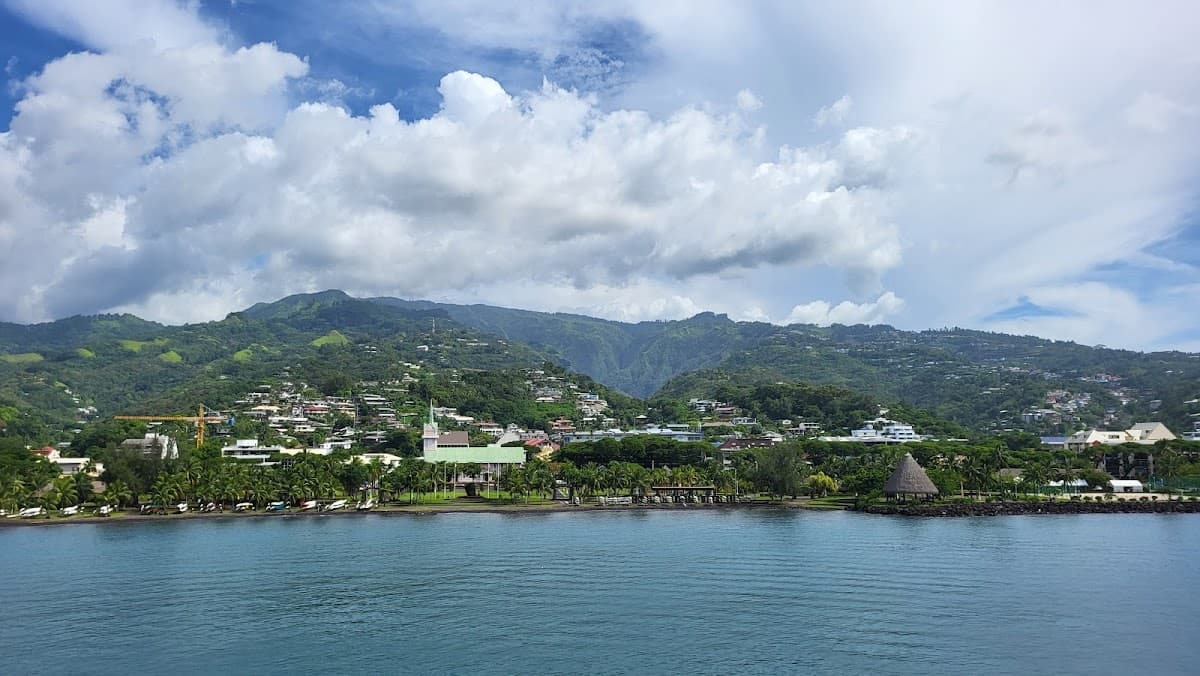
The city sits on Tahiti's northwest coast, where the mountains meet the lagoon. It's gritty and gorgeous in equal measure. You'll find French bakeries next to traditional fare houses, and the Sunday morning market at Place Vaiete draws everyone from tattooed fishermen to well-dressed church-goers.
Best Months
APR – NOV
~28°C · moderate crowds
Culture & Context
WORKING PORT CITY
Papeete is French Polynesia's capital and its only real city. But don't arrive expecting the postcard. The overwater bungalows are somewhere else entirely.
This is a port town that works for a living: cargo ships, ferry terminals, government offices, and a produce market that opens at 5 AM. French and Tahitian coexist here in every conversation. Vendors on Rue du Marché switch languages mid-sentence without thinking about it.
The Chinese community built much of the city's commerce, and their influence shows up in the food, the architecture, and whole neighborhoods. Polynesian culture runs underneath everything, surfacing in the music leaking from churches on Sunday mornings, in the drum rehearsals that spill onto parking lots during Heiva season, and in the mana people talk about as naturally as the weather. Sunday brings the city to a near-complete stop.
Shops close. The market trims hours. The waterfront goes quiet except for the ferry engines and choral hymns crashing through church walls.
Plan around it.
Local Customs
SUNDAY SHUTS DOWN
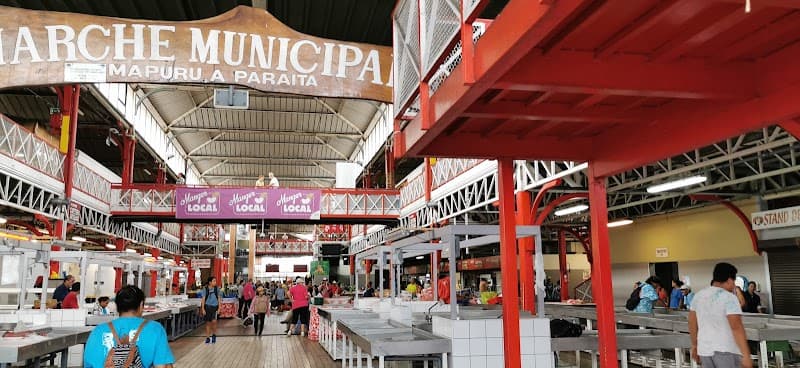
Sunday shuts Papeete down. The Marché de Papeete reduces hours, most shops close entirely, and the waterfront goes quiet. The city's energy moves into churches.
Protestant services at Paofai lean on intricate four-part harmony. Catholic masses at Saint-Pierre-Céleste weave Tahitian lyrics into the liturgy. Both are worth hearing.
Dress modestly and stay seated during communion if you attend.. Tipping is not part of Polynesian culture. Service charges are built into restaurant and hotel bills.
A small tip of 500–1,000 XPF for an exceptional tour guide is appreciated but genuinely not expected. Don't feel guilty about skipping it.. The roulottes at Place Vaiete are cash-only.
So is the Marché de Papeete and Le Truck bus system. Carry at least 5,000 XPF (around $45 USD) in notes at all times. Credit cards work fine at hotels and most central restaurants, but the best food in Papeete runs on cash..
Tahitians have a genuinely unhurried pace that can read as indifference if you're not used to it. It isn't. It's cultural.
Don't push, don't show visible impatience, and don't expect scheduled events to start exactly on time. The phrase aita pea pea exists for a reason.. The Tahitian alphabet has only 13 letters.
The letter B doesn't exist, which is why locals pronounce Bora Bora as 'Pora Pora.' Knowing this is a good icebreaker with locals who enjoy seeing visitors actually curious about the language.. Tattoo (tatau in Tahitian) originated here.
Traditional Polynesian tattoo is a living art form, not a tourist novelty. If you're getting one, do your research on the artist and the meaning of the motifs. Motif meaning matters to practitioners, and many carvers and tattoo artists will explain if you ask sincerely..
Poisson cru is safe to eat. The raw tuna in lime juice and coconut milk is a staple for a reason. Lime juice denatures surface proteins.
Eat it within an hour of preparation and stick to busy roulottes with high turnover. The Marché fish section peaks before 8 AM for freshness.
Safety
WATCH PETTY THEFT
Papeete is generally safe for visitors. Serious crime is low. Petty theft — pickpocketing, bag snatching near the market and waterfront — is the main thing to watch for.
Standard city precautions apply: don't leave valuables in rental cars, don't display expensive gear openly at the market, keep your bag close in crowded spaces. Avoid poorly lit side streets after dark and wrap up waterfront walks by 7 PM or stick to Boulevard Pomare where lighting and foot traffic continue. Beaches in French Polynesia are not lifeguard-patrolled.
Currents can be strong even inside lagoons. Ask locals before swimming in unfamiliar spots and follow posted signs. Stray dogs are present throughout Papeete and across the islands — dog attacks have been reported, so don't approach them.
For medical emergencies, dial 15 for an ambulance. The Central Hospital of French Polynesia in Papeete has full facilities. Outside the capital, medical care is limited.
Getting Around
LE TRUCK & FERRIES
Le Truck — Tahiti's painted public buses — covers the coastal road for 250 XPF ($2.25) per ride, cash only. Timetables are more suggestion than schedule.
Good for slow daytime wandering around the island. Completely useless for airport connections or anything time-sensitive. Taxis from central Papeete to Faa'a International Airport run 1,500–2,000 XPF ($14–18) depending on traffic.
The airport is only 5 kilometers away but the road can clog. The smartest move in Papeete is the Moorea ferry. The Aremiti or Terevau high-speed catamaran departs from Quai Divers, takes 30 minutes, costs 900 XPF ($8) one way, and drops you on the most scenic island in the Pacific before lunch.
Book morning crossings in advance on weekends — locals fill those boats. For driving, traffic in the city center is dense and pedestrian-vehicle dynamics are unpredictable. Side streets have no lighting after dark.
Rental cars make sense for exploring outside Papeete, but driving into the city itself is more hassle than it's worth. ATMs: Banque de Polynésie and Socredo machines are reliable in central Papeete. Avoid the non-bank ATMs near the cruise terminal, which charge around $7 per withdrawal.
Useful Phrases
Papeete Itineraries
View all
Seven Jungle-Wild Days in Papeete & Tahiti
Week · $$$
Papeete Weekend: Markets, Jungle Valleys, and Lagoon Calm
Day Trip · $$$
7 Wildly Romantic Days in Lush Papeete
Week · $$$
Wild Green Weekender in Papeete & Tahiti
Weekend · $$$
Wild Green Weekender in Romantic Papeete
Day Trip · $$$
7 Days of Papeete Jungles, Culture, and Easy Family Fun
Week · $$$
Things to Do in Papeete
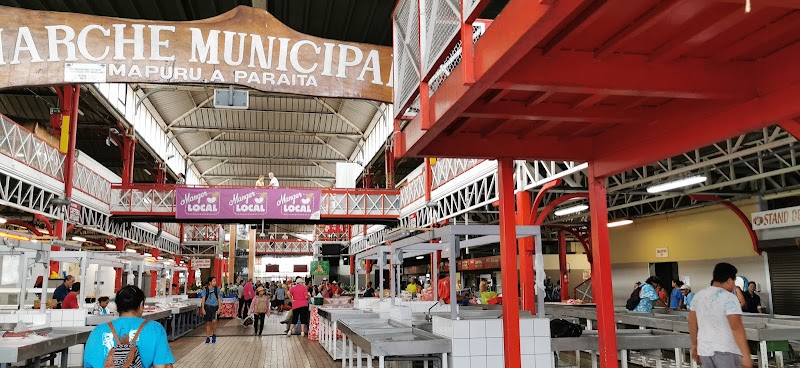
Papeete Market (Marché de Papeete) at Dawn
Central Papeete / Waterfront · 60 min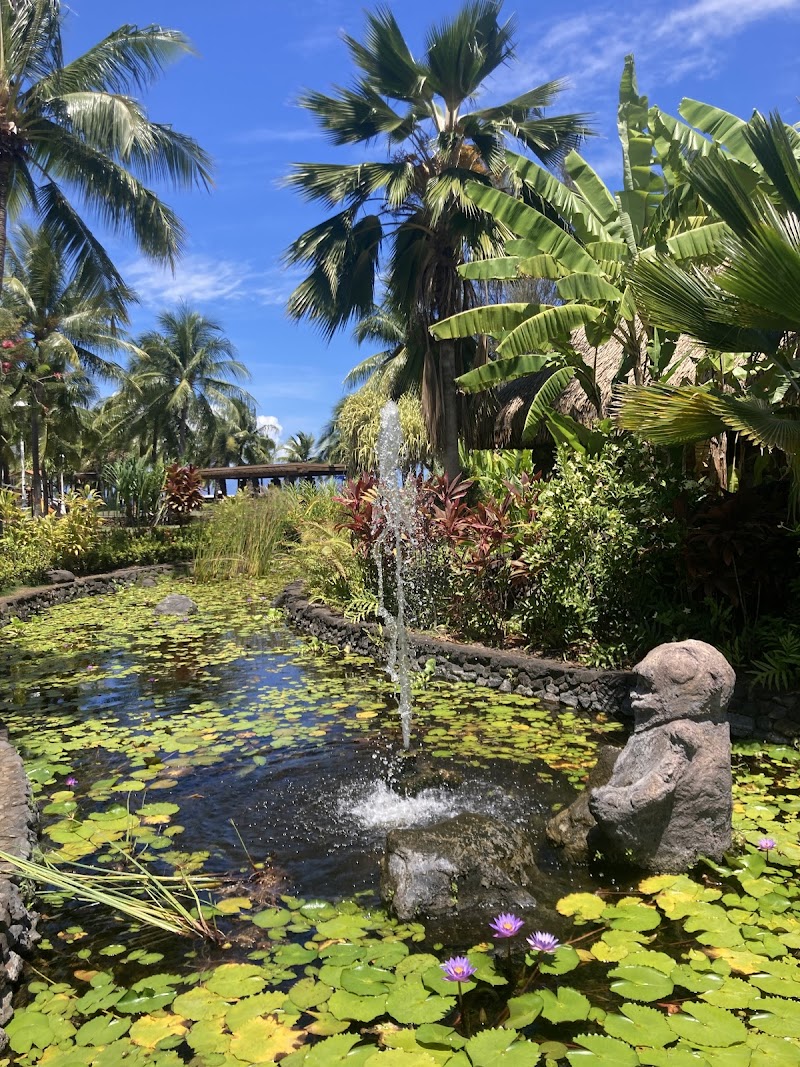
Papeete Waterfront Promenade & Paofai Gardens
Papeete Waterfront / Paofai · 90 min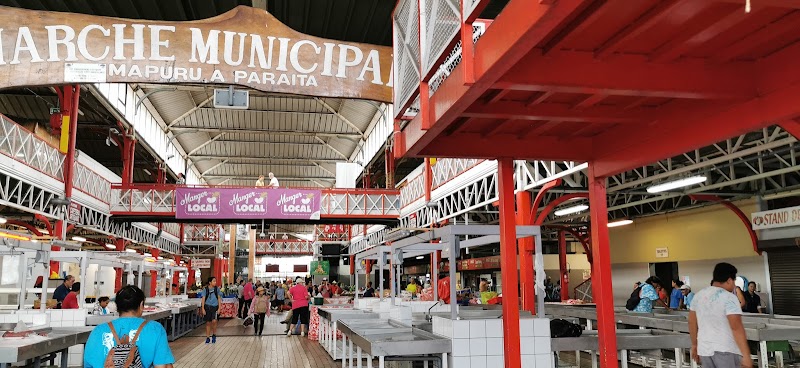
Papeete Municipal Market (Marché de Papeete)
Centre-Ville · 90 minMoney-Saving Tips
- 1.Shop at Carrefour or Champion supermarkets instead of hotel stores – prices can be 50% lower for basics like water and snacks
- 2.Eat at local food trucks (roulottes) rather than restaurants – meals cost 1,000-2,000 XPF vs 4,000+ at sit-down places
- 3.Buy fresh fruit and vegetables at Marché de Papeete early morning for the best prices and selection
- 4.Take Le Truck public buses instead of taxis – island-wide travel costs under 300 XPF vs 2,000+ for taxi rides
- 5.Visit during shoulder season (April-May or September-November) for 30-40% lower accommodation rates
Travel Tips
- •Learn basic French phrases – English isn't as widely spoken as you might expect in this French territory
- •Bring reef-safe sunscreen or buy it locally – regular sunscreen is banned to protect the coral
- •Pack mosquito repellent for evening walks, especially during the wet season
- •Sunday morning is when locals shop and socialize – join them at Place Vaiete for the real Papeete experience
- •Respect local customs at churches and cultural sites – cover shoulders and remove hats when entering