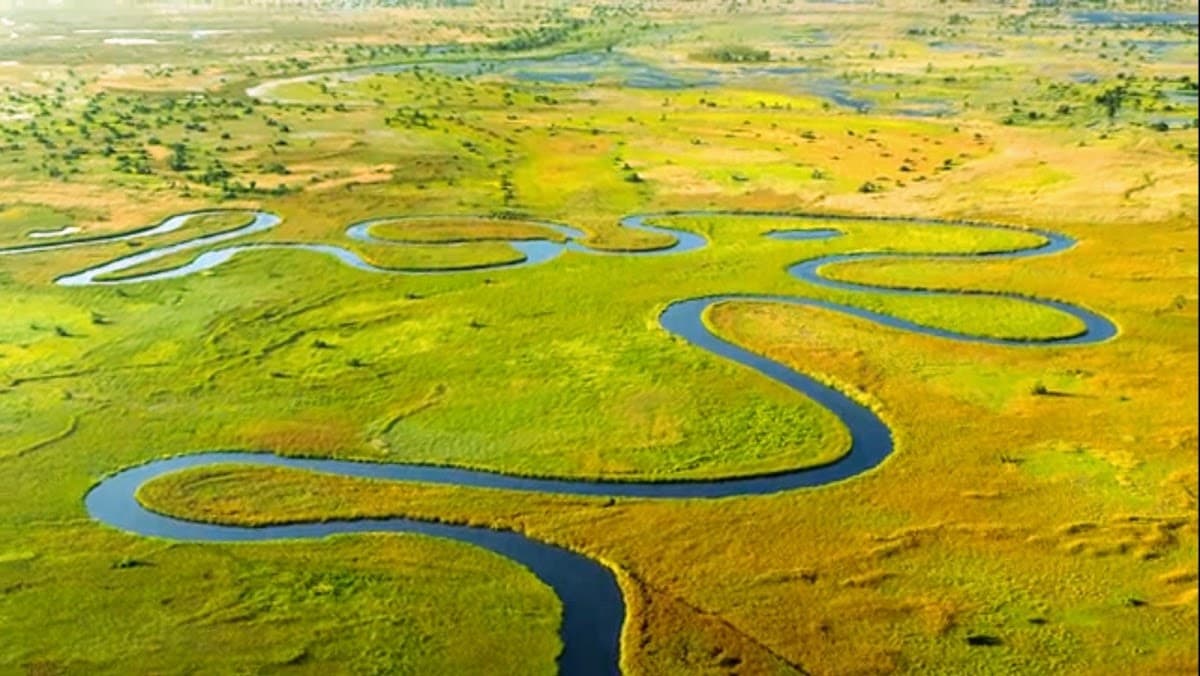
Okavango Delta
Africa's pristine wetland wilderness teeming with wildlife
The Okavango Delta isn't your typical African safari destination. This UNESCO World Heritage site spreads across 15,000 square kilometers of pristine wetlands in northern Botswana, where the Okavango River fans out into a maze of channels, lagoons, and islands. Here, you'll glide through papyrus-lined waterways in traditional mokoro dugout canoes, spot elephants wading belly-deep through crystal-clear channels, and fall asleep to the haunting calls of fish eagles. But this wilderness comes with a price tag that matches its exclusivity – most camps start around $1,500 per person per night. The payoff? Some of the most authentic wildlife encounters on the continent, where you might find yourself the only humans for miles around.
Itineraries coming soon
We're working on adding amazing itineraries for Okavango Delta. In the meantime, try the app to create your own!
Money-Saving Tips
- 1.Book mokoro day trips from Maun for around $50 per person instead of staying at luxury camps that cost $1,500+ per night
- 2.Fly into Maun rather than connecting through expensive charter flights from other African cities
- 3.Visit during shoulder seasons (April-May or October-November) when luxury camps offer 30-40% discounts
- 4.Share charter flights with other travelers to split the $300+ per person cost between camps
- 5.Book camping mokoro expeditions through community operators in Seronga for under $100 per day including guide and meals
- 6.Consider staying in Maun and taking day trips rather than overnight delta camps to save thousands
- 7.Look for last-minute deals on luxury camps during low season when occupancy drops
Travel Tips
- •Pack neutral-colored clothing for game drives and avoid bright colors that spook wildlife
- •Bring a good pair of binoculars – wildlife viewing happens at distance in the delta
- •Pack insect repellent and long sleeves for dawn and dusk when mosquitoes are active
- •Confirm weight restrictions for charter flights – most allow only 20kg in soft bags
- •Bring a waterproof bag for electronics during mokoro rides through shallow channels
- •Book camps well in advance for dry season (May-September) when demand peaks
- •Consider malaria prophylaxis and consult your doctor before traveling to this region
- •Pack a good flashlight or headlamp for walking around camps after dark
- •Bring a universal power adapter – camps use South African-style plugs
- •Download offline maps before arriving as cell service is spotty throughout the delta
Frequently Asked Questions
Explore Okavango Delta
Ready to explore Okavango Delta?
Get a personalized itinerary in seconds with Takeoff.
Free on iOS. No credit card required.