Okinawa Prefecture
Tropical Japanese islands with unique Ryukyu culture
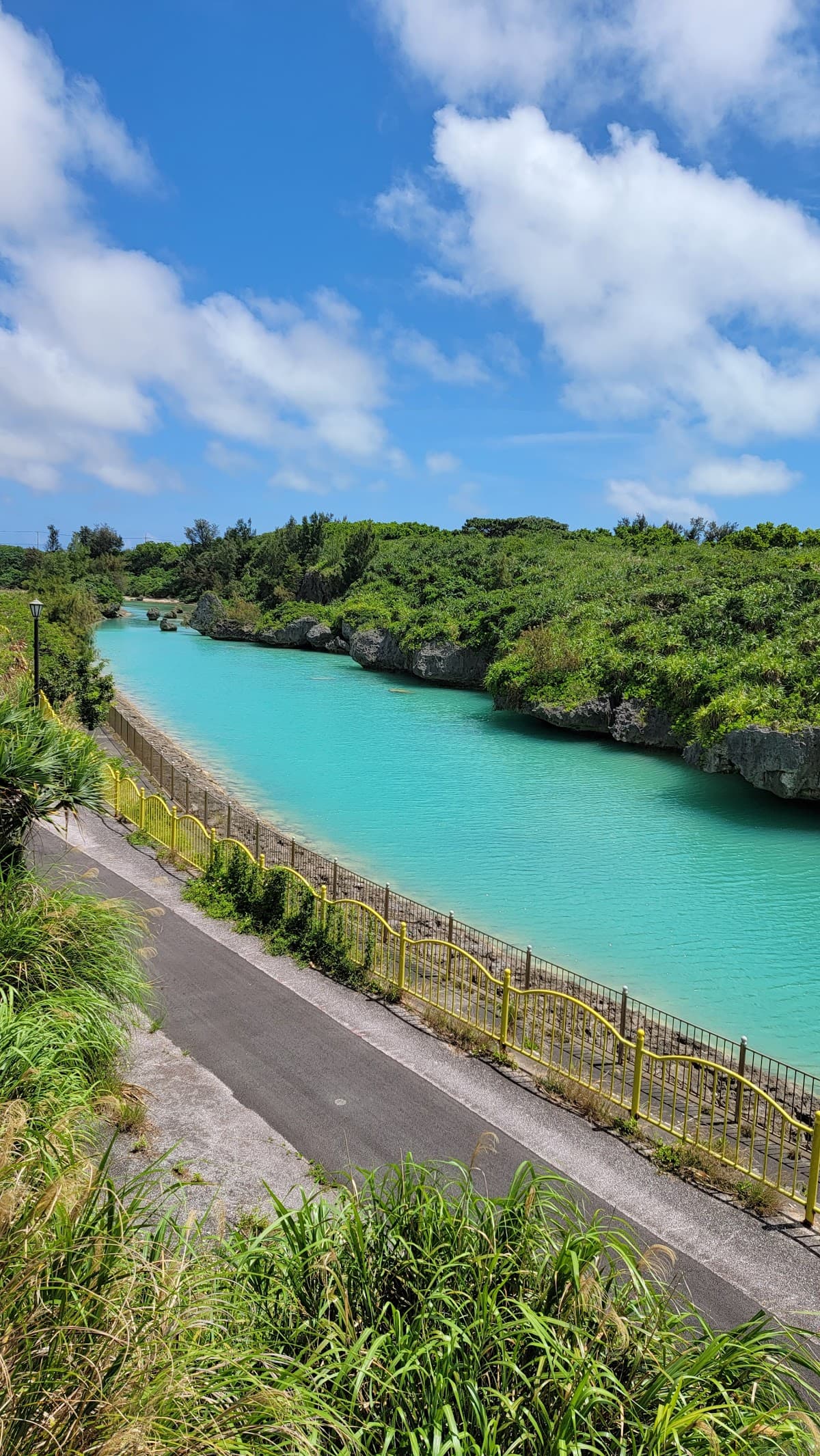
Okinawa isn't the Japan you think you know. These subtropical islands stretch across 400 miles of turquoise Pacific, where ancient Ryukyu kingdoms once thrived independently of mainland Japan. Today, you'll find pristine coral reefs, World War II history, and a culture that feels distinctly different from Tokyo or Kyoto. The locals speak their own language, eat purple sweet potatoes, and live longer than almost anyone else on Earth. But here's what makes Okinawa special: it's where Japanese efficiency meets island time, creating something entirely unique in the Pacific.
Itineraries coming soon
We're working on adding amazing itineraries for Okinawa Prefecture. In the meantime, try the app to create your own!
Money-Saving Tips
- 1.Book accommodations early for winter months (December-February) when mainland Japanese escape the cold
- 2.Rent cars at the airport for better rates than hotel pickup locations
- 3.Shop at local supermarkets like San-A for snacks and drinks instead of tourist areas
- 4.Take advantage of free parking at most beaches and attractions
- 5.Buy awamori directly from distilleries for better prices than souvenir shops
- 6.Use the Naha city bus day pass (¥660) if staying near the monorail line
- 7.Eat at local family restaurants (teishoku-ya) for filling meals under ¥1,000
- 8.Book inter-island flights in advance for significant savings over walk-up fares
Travel Tips
- •Bring reef-safe sunscreen – many beaches prohibit regular sunscreen to protect coral
- •Learn basic Okinawan greetings like 'Haisai' (hello) to connect with locals
- •Pack light layers for air-conditioned spaces that can feel arctic in summer
- •Download offline maps as cell service can be spotty on remote islands
- •Respect sacred sites and war memorials – many locations have deep historical significance
- •Book diving trips early, especially during winter whale watching season
- •Carry cash – many local restaurants and shops don't accept cards
- •Check typhoon forecasts from June through October before traveling
- •Bring mosquito repellent for jungle hikes and evening activities
- •Reserve rental cars well in advance during peak seasons
Frequently Asked Questions
Explore Okinawa Prefecture
Ready to explore Okinawa Prefecture?
Get a personalized itinerary in seconds with Takeoff.
Free on iOS. No credit card required.