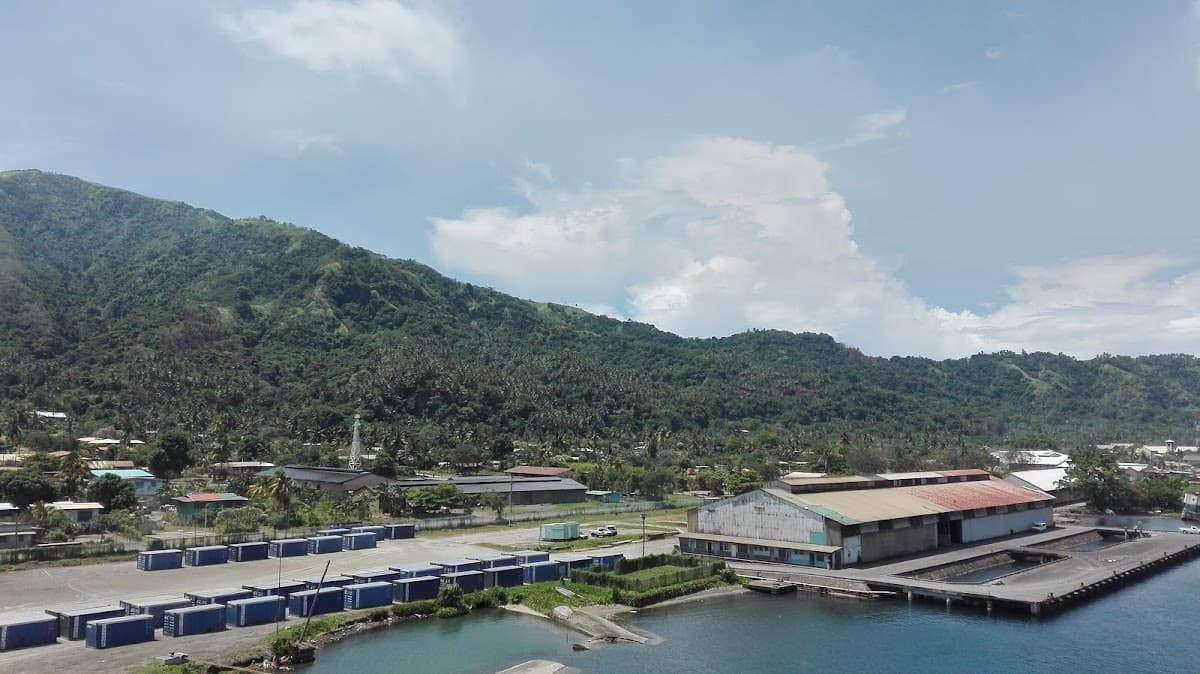
Papua New Guinea
Last frontier of tribal cultures and biodiversity
Papua New Guinea sits at the edge of the known world, where Stone Age villages coexist with coral reefs that Darwin himself would envy. This is adventure travel at its most raw — no Instagram crowds, no overpriced resort buffets, just 600+ distinct cultures speaking 800+ languages across landscapes that feel prehistoric.
The Highlands pulse with sing-sing festivals where warriors paint their faces in clay and bird feathers. The Sepik River winds through villages where crocodile scarification marks manhood. And beneath the Coral Triangle waters, manta rays glide past WWII bomber wrecks in what marine biologists call the most biodiverse seas on Earth.
But here's the thing — PNG doesn't coddle tourists. Roads wash out during rainy season. Flights get canceled. Village homestays mean pit toilets and bucket showers. Come prepared for discomfort, and you'll leave with stories that'll make every other travel tale sound tame.
Explore Subregions
Explore the Region
Money-Saving Tips
- 1.Bring US dollars in good condition — torn or marked bills get rejected at banks
- 2.ATMs exist only in major towns and frequently run empty, especially on weekends
- 3.Negotiate taxi fares upfront — meters don't exist and tourist prices run 2-3x local rates
- 4.Village homestays cost 50-100 kina per night including meals, much cheaper than hotels
- 5.Market prices vary wildly for foreigners — bring a local guide to get fair deals
- 6.Credit cards work at upscale hotels only — cash dominates everywhere else
- 7.Tipping isn't expected but small amounts (5-10 kina) are appreciated for good service
Travel Tips
- •Get malaria prophylaxis before arrival — mosquitoes are aggressive year-round
- •Pack a first aid kit with antibiotics — medical facilities are basic outside Port Moresby
- •Learn basic Tok Pisin phrases — 'Yu orait?' (How are you?) opens doors everywhere
- •Bring gifts for village visits — tobacco, betel nut, or small tools are most appreciated
- •Download offline maps — cell coverage disappears quickly outside major towns
- •Pack serious rain gear even during dry season — weather changes fast in the tropics
- •Respect photography restrictions — many cultures consider cameras spiritually dangerous
- •Travel with reputable local guides — solo exploration can be genuinely dangerous
- •Book internal flights well in advance — Air Niugini has limited schedules and frequent delays
Frequently Asked Questions
Explore Papua New Guinea
BUILD YOUR
PAPUA NEW GUINEA PLAN
Insider picks, smart timing, and a plan ready when you are.
Start Planning