Rann of Kutch
White salt desert transforms into cultural celebration ground
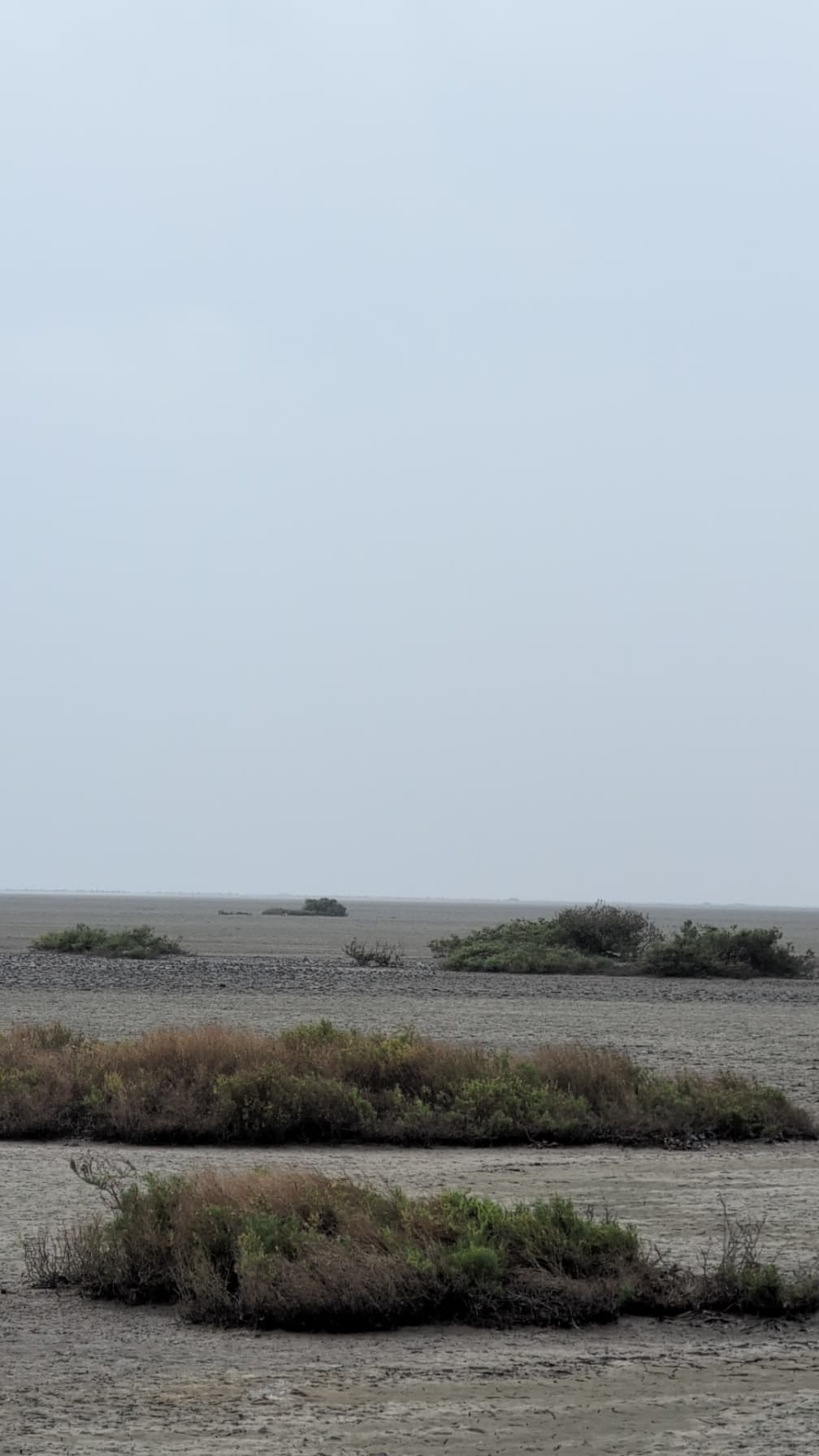
The Rann of Kutch looks like another planet. This massive salt desert in Gujarat stretches endlessly white under the sky, transforming from a flooded marsh during monsoons to a crystalline wilderness come winter. But here's what makes it special — it's not just about the landscape. The Rann becomes a cultural playground during peak season, with traditional music echoing across the salt flats and artisan villages showcasing centuries-old crafts. You'll camp under stars so bright they hurt your eyes, ride camels across terrain that crunches underfoot, and witness sunsets that turn the white ground into molten gold. The region spans over 7,500 square kilometers, making it one of the largest salt deserts in the world. And unlike other desert destinations, this one comes with a festival attached.
Itineraries coming soon
We're working on adding amazing itineraries for Rann of Kutch. In the meantime, try the app to create your own!
Money-Saving Tips
- 1.Book Rann Utsav packages early for better rates - prices double closer to festival dates
- 2.Stay in Bhuj town instead of desert camps to save 60% on accommodation costs
- 3.Eat at local dhabas in Bhuj rather than tourist restaurants - meals cost ₹150 vs ₹500
- 4.Buy handicrafts directly from artisan villages like Bhujodi - skip the middleman markup
- 5.Travel by state buses from Ahmedabad to Bhuj for ₹200 instead of ₹4000 flights
- 6.Visit in March after festival season ends - same desert experience, half the price
Travel Tips
- •Pack warm clothes - desert nights get surprisingly cold even in winter
- •Bring sunglasses and sunscreen - the white salt reflects intense UV rays
- •Wear closed shoes on the salt flats - the crystalline surface can cut feet
- •Carry plenty of water - the desert air dehydrates you faster than you think
- •Download offline maps - cell service gets spotty in remote areas of the Rann
- •Book full moon nights well ahead - these are the most popular dates
- •Respect local customs when visiting craft villages - ask before photographing artisans
- •Keep cash handy - most village shops and local guides don't accept cards
Frequently Asked Questions
Explore Rann of Kutch
Ready to explore Rann of Kutch?
Get a personalized itinerary in seconds with Takeoff.
Free on iOS. No credit card required.