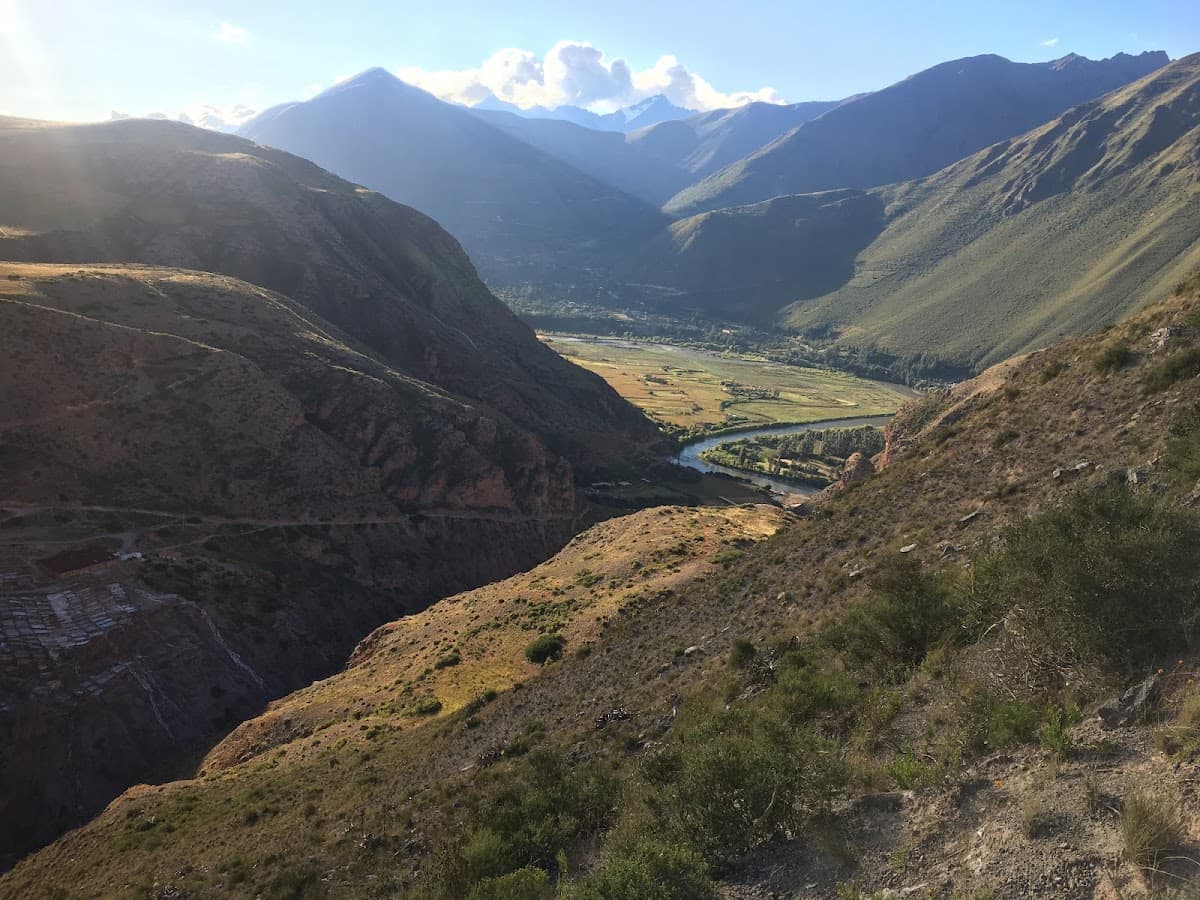
Sacred Valley
Ancient Inca heartland where history breathes through terraced mountains
The Sacred Valley stretches between Cusco and Machu Picchu like a living museum where time moves differently. Here's the thing - this isn't just another tourist stop on the way to the famous citadel. The valley holds its own magic in the form of 500-year-old salt terraces, markets where Quechua echoes off stone walls, and ruins that make Machu Picchu look like the new kid on the block.
You'll find yourself 9,000 feet above sea level, surrounded by snow-capped peaks and agricultural terraces that have fed communities since before the Spanish arrived. But don't expect crowds like Cusco. The Sacred Valley moves at the pace of llama trains and morning mist rolling off the Urubamba River.
Look, this place rewards the curious traveler. The one who stops to watch women weaving alpaca wool in Chinchero's Sunday market or climbs the circular terraces of Moray just to understand how the Incas experimented with microclimates. And yes, you'll still get your Instagram shots - just with fewer tourists photobombing them.
Itineraries coming soon
We're working on adding amazing itineraries for Sacred Valley. In the meantime, try the app to create your own!
Money-Saving Tips
- 1.Book Machu Picchu train tickets directly with PeruRail or Inca Rail to avoid tour company markups of $20-30 per ticket
- 2.Stay in Ollantaytambo instead of Aguas Calientes to save $50+ per night on accommodation near Machu Picchu
- 3.Visit Pisac market on Tuesday or Thursday instead of Sunday - same products, lower prices, fewer crowds
- 4.Hire drivers for full days rather than half-days - the per-hour rate drops significantly for 8+ hour bookings
- 5.Buy coca leaves and snacks in Urubamba before heading to smaller towns where prices double
- 6.Book Sacred Valley hotels directly rather than through booking sites - many offer 10-15% discounts for direct reservations
- 7.Pack lunch from your hotel for day trips to Maras and Moray - restaurant options are limited and overpriced at these sites
Travel Tips
- •Arrive in Sacred Valley at least 2 days before attempting Machu Picchu to acclimatize to the 9,000+ foot elevation
- •Bring layers - morning temperatures can be near freezing even in dry season, but afternoons warm up quickly
- •Download offline maps before leaving Cusco - cell service is spotty throughout the valley
- •Pack altitude sickness medication even if you don't usually get it - the combination of elevation and physical activity affects most visitors
- •Learn basic Spanish phrases - English is limited outside main tourist areas and hotels
- •Carry cash in small bills - many local restaurants and shops can't break 100 or 200 sole notes
- •Book Sunday market visits early in the morning (7-9 AM) to see locals shopping before tour groups arrive
- •Respect photography rules at ruins - flash photography damages ancient stone and many sites prohibit photos inside structures
Frequently Asked Questions
Explore Sacred Valley
Ready to explore Sacred Valley?
Get a personalized itinerary in seconds with Takeoff.
Free on iOS. No credit card required.