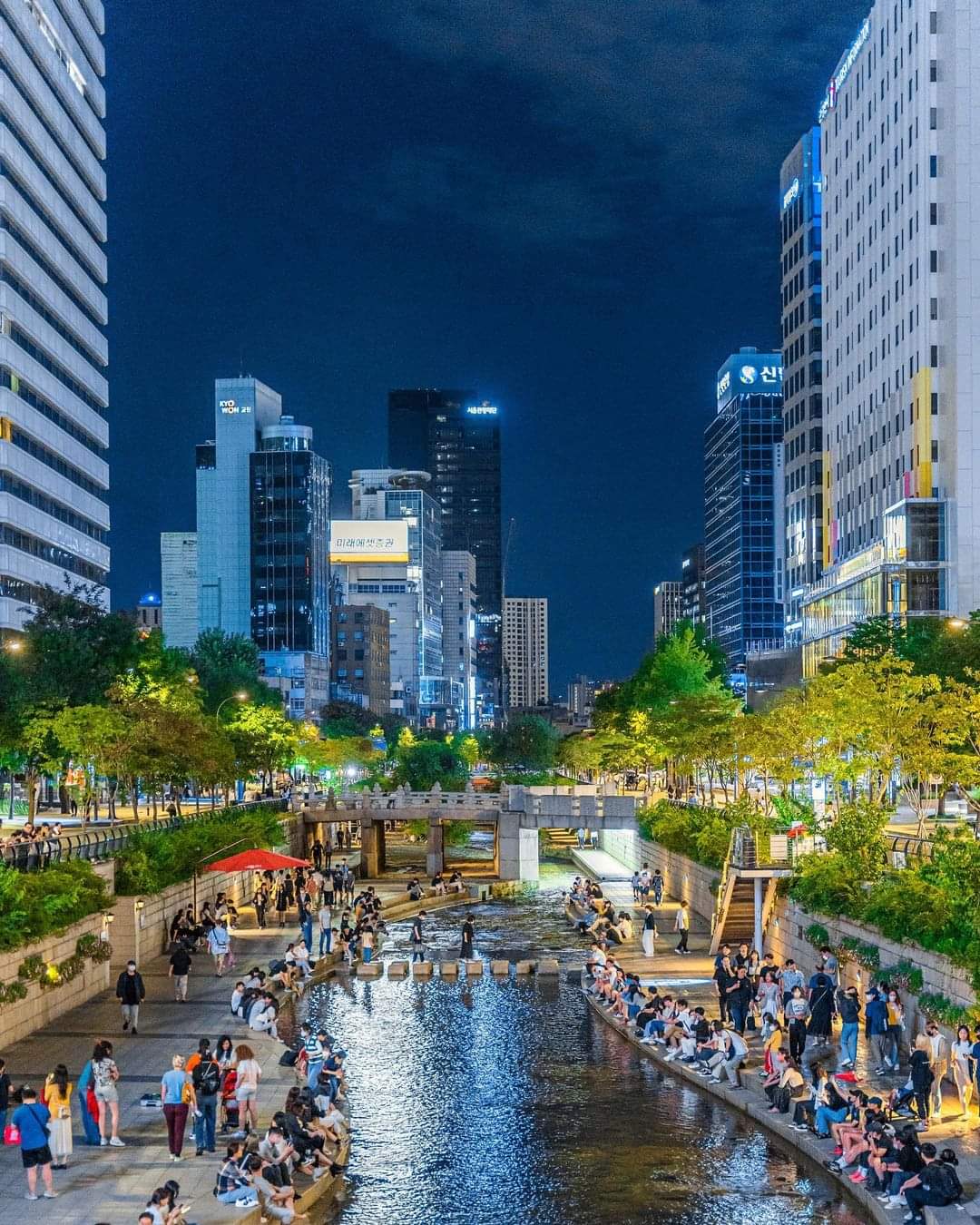
Seoul
Korea's dynamic capital blending ancient traditions with futuristic innovation
Seoul hits different. One minute you're wandering through 600-year-old palaces in Jongno, the next you're getting your face scanned to enter a robot café in Gangnam. This city of 9.7 million moves fast – subway trains arrive every two minutes, food vendors work until 4am, and construction cranes reshape the skyline monthly. But Seoul's real magic isn't in its efficiency. It's in how seamlessly 14th-century temples coexist with holographic shopping displays, how grandmothers in traditional hanbok share subway seats with teenagers in designer streetwear. The city runs on contradictions, and somehow they all make perfect sense.
Best Months
MAR · APR · MAY · SEP · OCT · NOV
~19°C · moderate crowds
Culture & Context
PALACE MEETS K-POP
Seoul became Korea's capital in 1394 under the Joseon Dynasty, and Confucian values from that era still show up in daily life in very practical ways — respect for elders runs deep, hierarchy matters in professional settings, and ancestral rituals are still taken seriously. Gyeongbokgung and Changdeokgung palaces were deliberately positioned to reflect harmony between architecture and nature. That's not just tourist copy — stand inside the palace grounds on a clear day and the mountains behind actually frame the buildings.
The city then endured Japanese colonization, the Korean War, and one of the fastest economic recoveries in modern history. Today, Seoul is also the center of the Korean Wave (Hallyu) — K-pop, K-dramas, and Korean skincare have given the city a second cultural identity that draws a completely different crowd than the history tourists. Both crowds are right.
The city holds both things without trying to reconcile them, which is part of what makes it interesting. One very practical note: Koreans appreciate effort with the language. You don't need to be fluent.
Dropping even a few polite phrases changes the temperature of interactions noticeably — restaurant owners bring out extra side dishes, shopkeepers are more patient. Honbap (혼밥), meaning eating alone, is completely normalized here. Solo diners have their own restaurants.
Nobody is going to stare at you.
Local Customs
BOW & TWO HANDS
Bowing is the default greeting. A small nod works fine for casual interactions. Deeper bows show more respect — you'll see this especially with older generations..
Use two hands when giving or receiving anything — a business card, a payment, a gift, a drink. One hand with the other supporting your forearm is the minimum. This one matters more than most tourists realize..
Formal speech is the safe default with anyone you don't know, anyone older than you, and all service workers. The language has built-in politeness levels, and using casual speech with a stranger is considered rude.. Take off your shoes when entering someone's home.
Always. If you're not sure in a restaurant with floor seating, look for where others leave their shoes near the entrance.. Eating and drinking alone is completely normal and fully accepted.
There's even dedicated infrastructure for it — solo-dining restaurants with partitions, single-serving portions, individual bar seats.. At Korean BBQ restaurants, the staff will often grill the meat for you. Let them.
Some places allow self-grilling, but don't assume.. Tipping is not customary in South Korea. Leaving money on the table can confuse or even mildly offend staff.
Skip it.. Koreans often pour drinks for others at the table rather than refilling their own glass. If someone reaches to pour for you, let them.
Return the gesture.. Download Naver Papago (better than Google Translate for Korean-English) and Kakao Maps (better than Google Maps for navigation in Seoul). Do this before you land..
The 1330 Korea Travel Hotline has English-speaking staff available 24/7 for translation, directions, tourist complaints, and emergencies. Save it in your phone.
Safety
SAFEST CITIES GLOBALLY
Seoul consistently ranks among the safest major cities in the world. Violent crime targeting tourists is extremely rare. You'll see locals leave laptops unattended at cafes while they use the restroom — this is just normal here.
But a few things are genuinely worth knowing. Delivery motorcycles and e-bikes treat sidewalks as optional lanes — listen for the hum of a motor when walking and be ready to step aside. The hidden camera issue in some public restrooms is a known and documented problem; the government is actively addressing it, and police inspect high-traffic restrooms regularly, but women are advised to use facilities in major shopping malls, subway stations, and tourist hubs to be safe.
Street scams are rare but do exist. The main one involves people approaching tourists for a "cultural ceremony" and then demanding money. A polite decline and keep walking is all it takes — they won't be pushy.
In nightlife areas like Itaewon, things can get rowdy late at night due to intoxicated crowds. The Guro District and Yeongdeungpo have slightly higher general crime rates, though tourists aren't specifically targeted. Mountain trails at night are dangerous due to terrain, not crime — there's no lighting and emergency response is slow.
Book taxis via the KakaoTaxi app rather than flagging one off the street: you see the driver's name and plate, and the route is tracked. The app has a 'safe return' feature that shares your live route with a contact. For emergencies: dial 112 for police, 119 for fire and ambulance.
The 1330 Korea Travel Hotline operates 24/7 in English for translation, directions, and tourist assistance. Air quality can get poor in spring (March–May) when fine dust levels rise — download AirVisual to check before planning outdoor days. One more practical note: Adderall and some common prescription medications are illegal in South Korea.
If you take controlled substances, check with the Korea Ministry of Food and Drug Safety before packing them.
Getting Around
SUBWAY DOMINATES
The Seoul subway is one of the better metro systems on the planet — clean, frequent, reliable, and cheap. Rides start at ₩1,400 (~$1) with a T-money card. Pick up the card at the airport or any convenience store (GS25, CU, 7-Eleven).
It works on subways, buses, taxis, and even some convenience store purchases. From Incheon Airport, the AREX train is your best option. The all-stop train to Seoul Station costs ₩4,150 (~$3) and takes about 43 minutes.
The express train costs ₩8,000 (~$6) and takes about 43 minutes to City Terminal (fewer stops, slightly faster feel). Airport buses are also available — a 24-hour limousine bus service makes stops near all the major tourist neighborhoods. Taxis have a base fare of ₩4,800 (~$3.
50). Always use KakaoTaxi for bookings: you see the driver's details before they arrive, and the route is logged. Late-night surcharges apply between 10pm and 4am, adding 20–40% to the fare.
Important: Do NOT rely on Google Maps for walking directions. It doesn't function accurately in South Korea due to local mapping regulations. Use Naver Maps or KakaoMaps instead.
Both have English-language settings. For trips outside Seoul — say to Busan — the KTX high-speed train makes the journey in about 2.5 hours and costs roughly $30–60 one way.
Subway lines run until about midnight to 1am depending on the line. N-buses cover major routes from 1am to 5am for late nights out.
Useful Phrases
Explore Destinations

Explore the Region
Seoul Itineraries
View all
Seoul Slow Day: Palaces, Markets & Spa Calm
Weekend · $$$
Slow Seoul Weekender: Palaces, Markets & Night Lights
Weekend · $$$
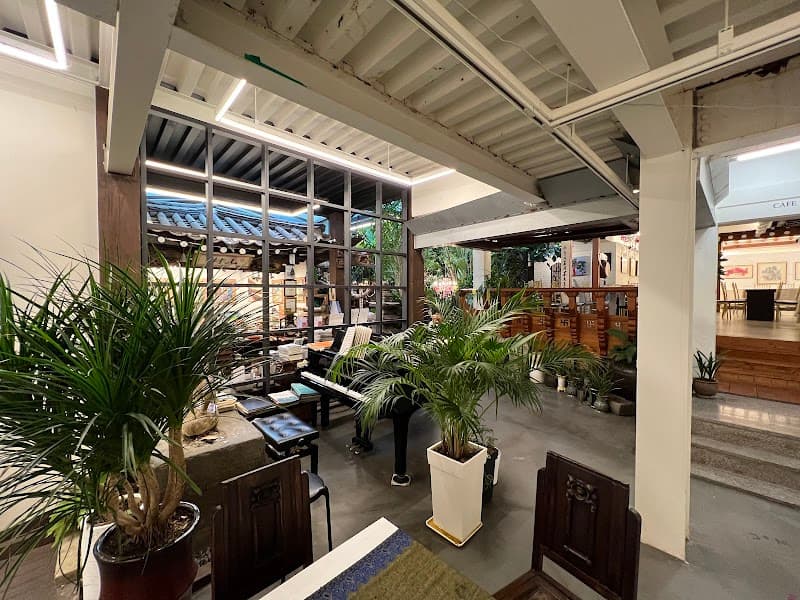
Seoul in Seven: Slow Days, Bright Nights, Local Flavors
Week · $$$
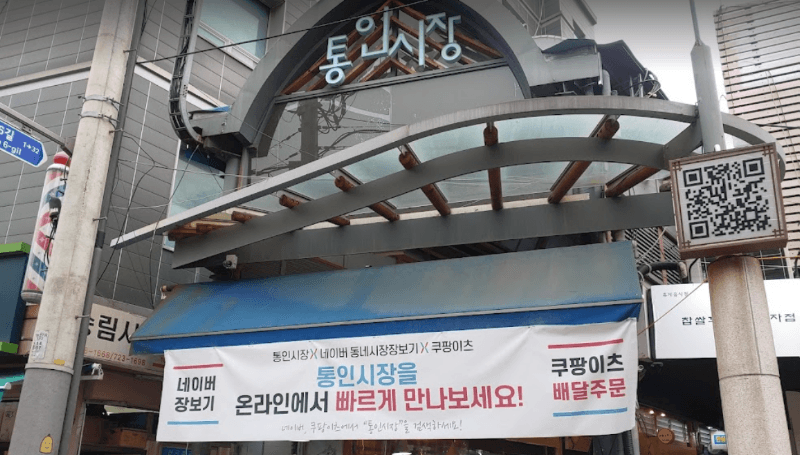
Seven Thrilling Days in Dynamic Seoul
Weekend · $$$
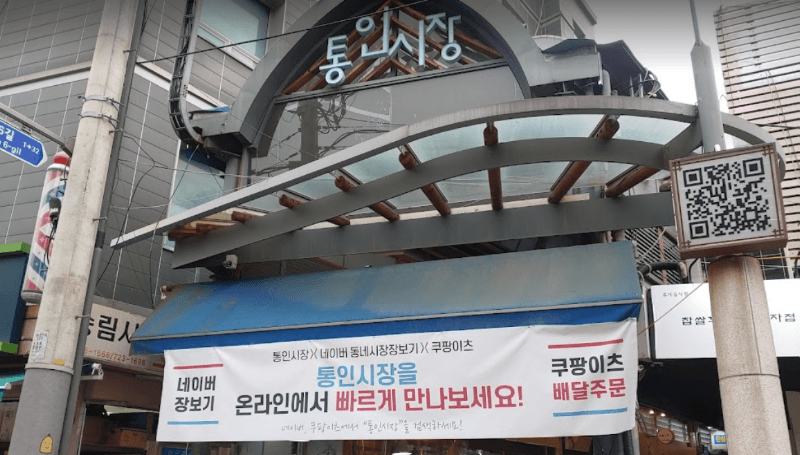
Seoul Thrills & Tastes: 5 Days of Urban Adventure
Weekend · $$
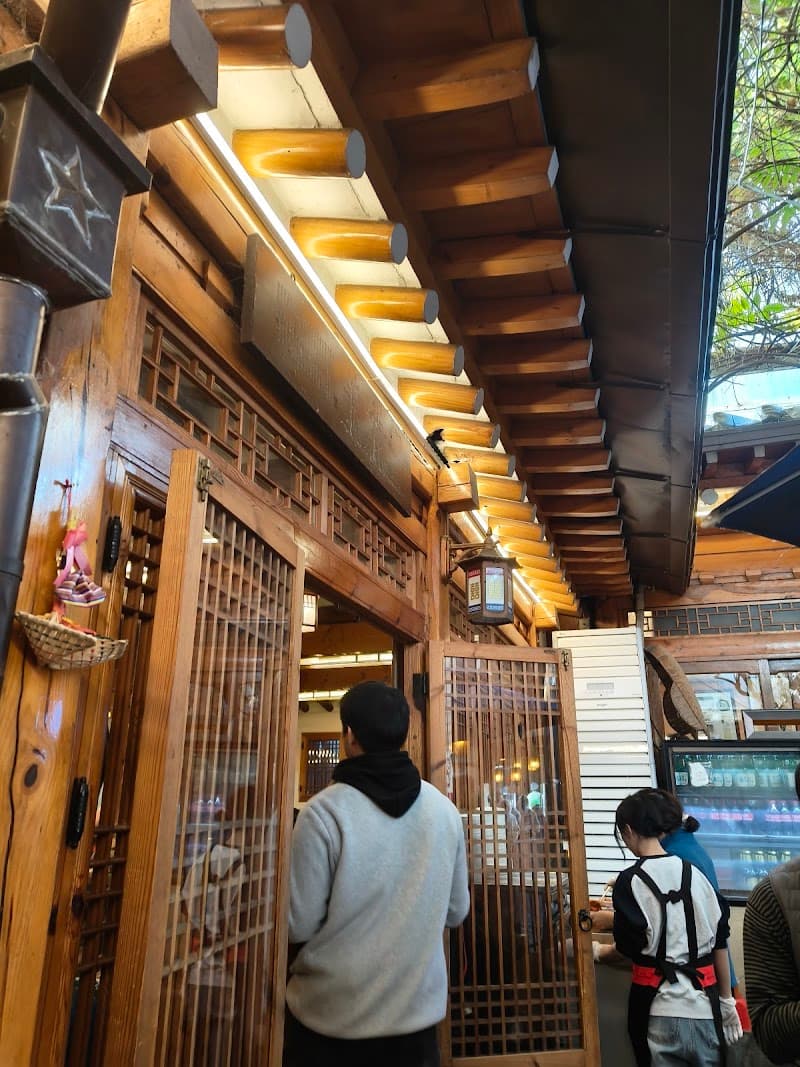
Seoul in 7 Days: Palaces, Markets, Style, and Night Energy
Week · $$$
Things to Do in Seoul
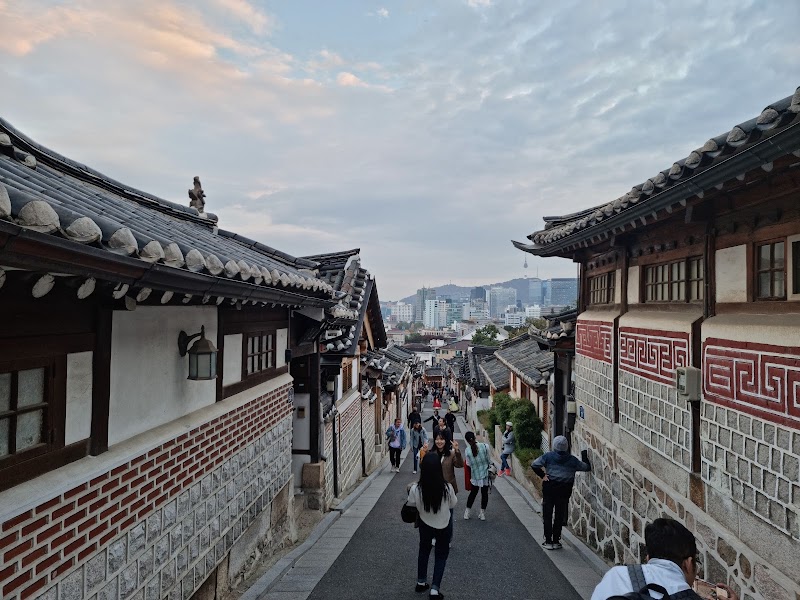
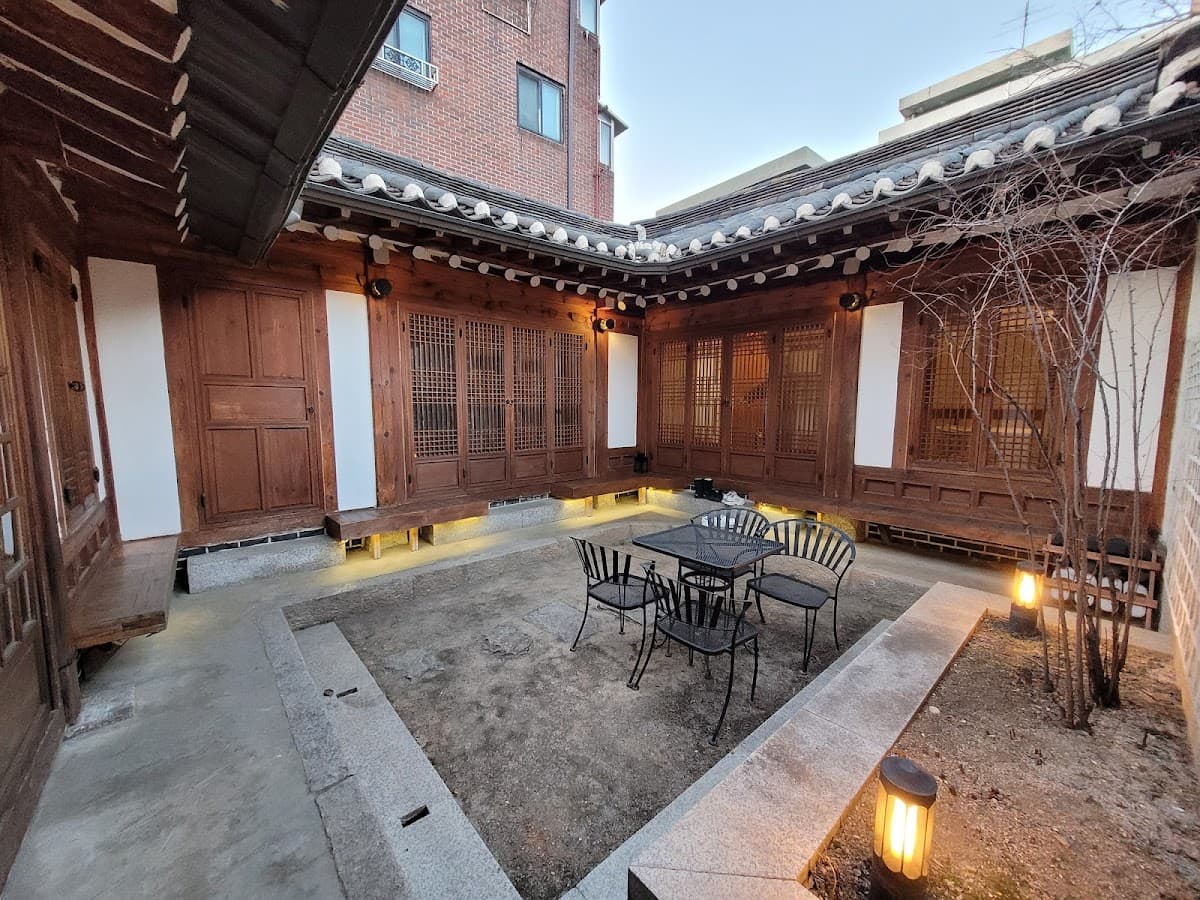
Bukchon Hanok Village
Samcheong-dong · 90 min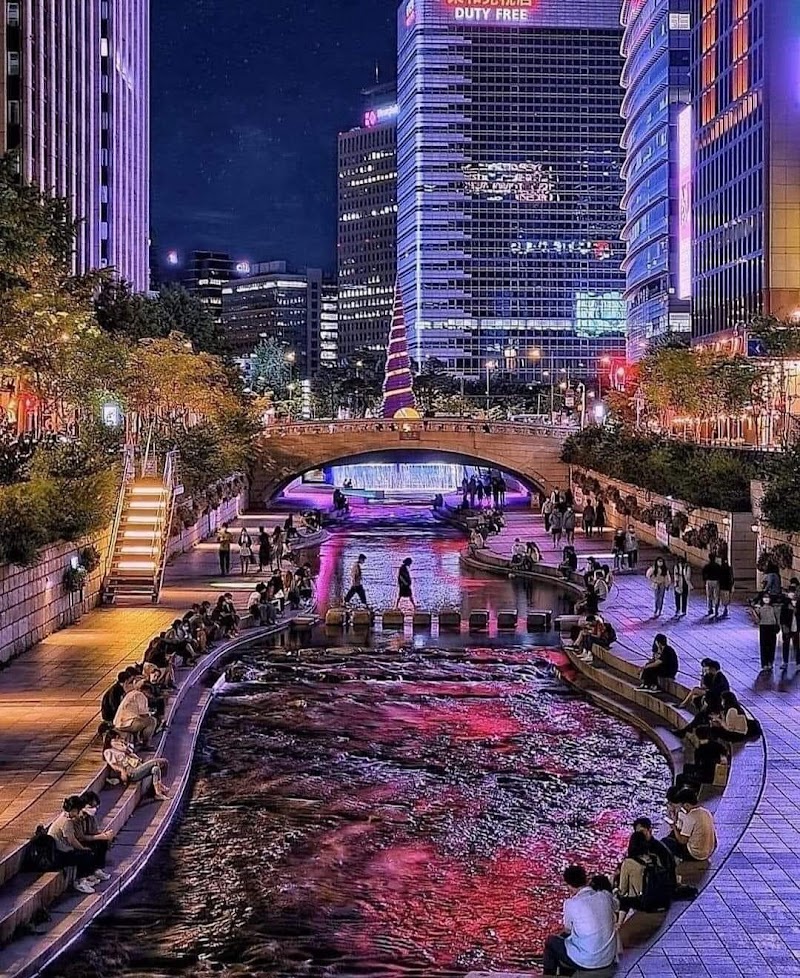
Cheonggyecheon Stream
Jongno · 60 min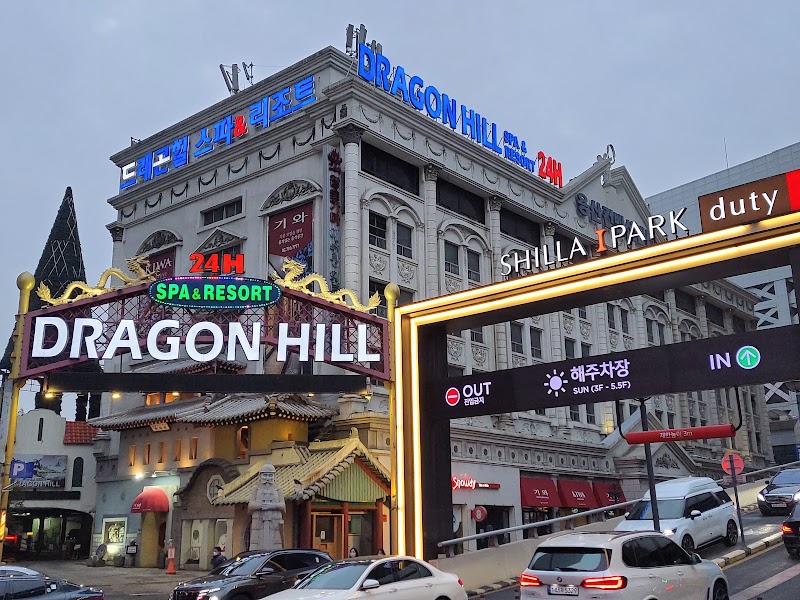
Dragon Hill Spa
Yongsan · 120 minMoney-Saving Tips
- 1.T-money cards work for subway, bus, and even some taxis – load 50,000 won ($42) and you're set for a week
- 2.Convenience store meals (gimbap, instant noodles) cost under 3,000 won ($2.50) and are surprisingly good
- 3.Many palaces offer combination tickets – Gyeongbokgung + 3 others costs 10,000 won ($8.50) vs 12,000 won separately
- 4.Happy hour at department store food courts runs 2-4pm with 20% discounts on prepared foods
- 5.Free WiFi is everywhere – cafes, subway stations, even some street corners have government hotspots
- 6.Skip airport express trains – regular subway Line 9 takes 20 minutes longer but costs 1,370 won vs 9,000 won
Travel Tips
- •Download Papago translator app – it works with Korean text in real-time using your camera
- •Bow slightly when greeting older Koreans – it shows respect and they'll appreciate the effort
- •Remove shoes when entering homes, some restaurants, and traditional guesthouses
- •Tipping isn't expected and can actually be considered rude – service charges are included
- •Many Korean ATMs don't accept foreign cards – use Global ATMs at 7-Elevens or major banks
- •Business cards require two hands when receiving – it's considered proper etiquette
- •Subway priority seats are taken seriously – give them up for elderly, pregnant, or disabled passengers