Sichuan
China's spicy heartland of pandas, mountains, and legendary cuisine
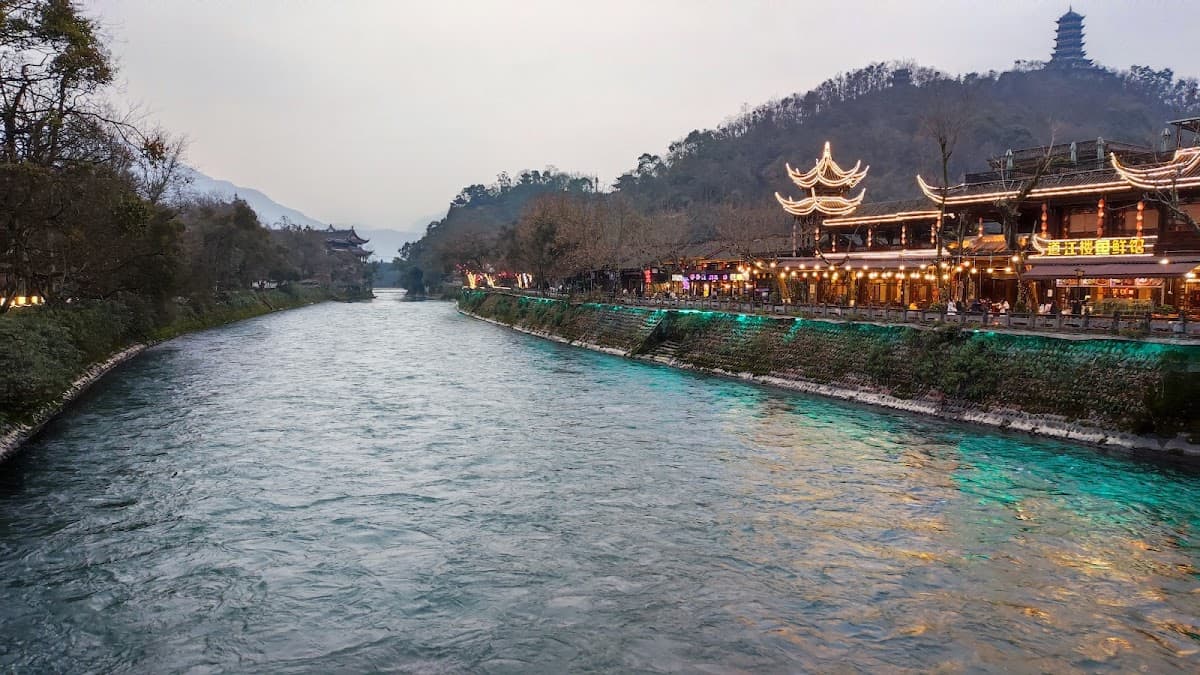
Sichuan hits different. This isn't just another Chinese province - it's where your taste buds go to get their minds blown and your Instagram feed gets seriously upgraded. The birthplace of mapo tofu and kung pao chicken sits in China's southwest, bordered by the Tibetan Plateau and serving up landscapes that range from bamboo forests full of pandas to alpine lakes that look photoshopped.
But here's what makes Sichuan special: it's real China without the tourist circus. Sure, you'll find crowds at the Giant Panda Research Base in Chengdu, but venture into the backstreets for authentic hotpot at 2am and you're eating alongside locals who've been perfecting the art of numbing spice for generations. The Sichuanese take their food seriously - mala (numbing and spicy) isn't just a flavor profile, it's a way of life.
And the scenery? Jiuzhaigou Valley looks like someone cranked up the saturation on Mother Nature. Mount Emei offers sunrise views that'll make you forget about the 3am wake-up call. The province spans from 200 meters above sea level to peaks over 7,000 meters, which means you can be sweating in Chengdu's humid summer and shivering at high altitude on the same day.
Explore Cities

Explore the Region
Money-Saving Tips
- 1.Eat at university areas like Sichuan University for authentic food at student prices - meals under 20 yuan
- 2.Buy panda souvenirs outside the research base, not inside - same products, half the price
- 3.Use Alipay or WeChat Pay everywhere - cash is becoming obsolete and you'll get better exchange rates
- 4.Book Jiuzhaigou tickets online in advance - they limit daily visitors and sell out during peak season
- 5.Take buses instead of taxis for longer trips - Chengdu to Leshan costs 40 yuan by bus vs 300+ by taxi
- 6.Stay in business hotels rather than international chains - same quality, 60% less cost
- 7.Bargain at markets but not in restaurants - food prices are generally fixed and fair
Travel Tips
- •Download translation apps - English isn't widely spoken outside tourist areas
- •Bring tissues everywhere - public bathrooms rarely provide toilet paper
- •Pack layers for mountain trips - temperature swings of 20°C in one day are normal
- •Get a VPN before arriving - Google, Facebook, and Instagram are blocked
- •Carry altitude sickness medication if visiting western Sichuan above 3,000 meters
- •Learn chopstick etiquette - sticking them upright in rice is considered bad luck
- •Book accommodations in advance during Chinese holidays - everything fills up fast
- •Carry a portable charger - you'll need your phone for payments and navigation constantly
Frequently Asked Questions
Explore Sichuan
Ready to explore Sichuan?
Get a personalized itinerary in seconds with Takeoff.
Free on iOS. No credit card required.