Sikkim
Himalayan kingdom where monasteries meet mountain peaks
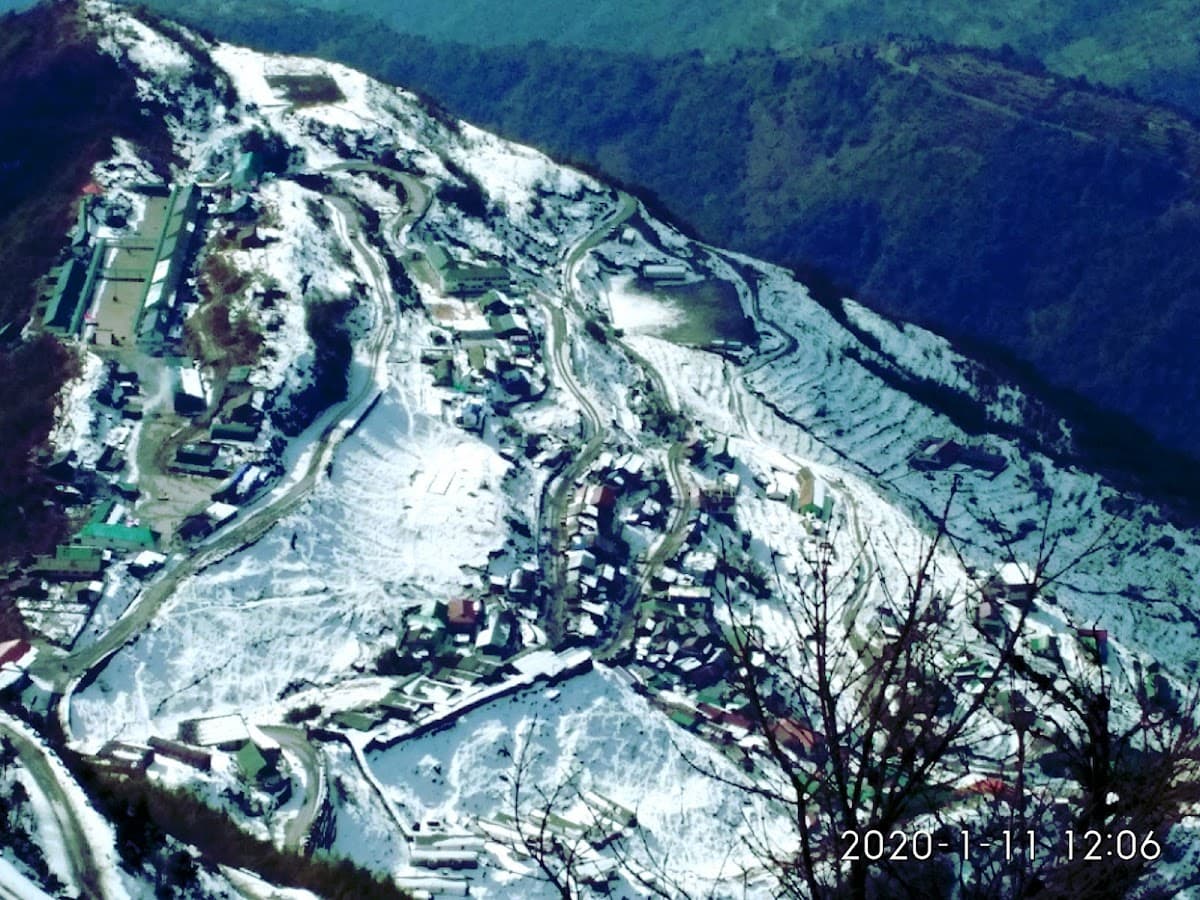
Sikkim doesn't feel like India. This tiny Himalayan state tucked between Nepal and Bhutan moves at its own pace, where prayer flags flutter against snow-capped peaks and monks in maroon robes walk past organic vegetable gardens. You'll find yourself whispering in Gangtok's monasteries one morning and gasping at Kanchenjunga's massive face the next. Here's the thing about Sikkim — it's still relatively unknown to most travelers, which means you get the Himalayas without the crowds. But don't mistake quiet for boring. This place delivers serious mountain adventure alongside some of the most peaceful moments you'll find in Asia.
Itineraries coming soon
We're working on adding amazing itineraries for Sikkim. In the meantime, try the app to create your own!
Money-Saving Tips
- 1.Book accommodations early for March-May and October-November — prices double during peak seasons
- 2.Carry cash in small denominations — many mountain villages don't have ATMs or card machines
- 3.Shared taxis cost ₹20-50 between towns versus ₹1,500-2,000 for private vehicles
- 4.Permit fees for northern areas (Lachen, Lachung) are around ₹200 per person but tour packages inflate the total cost
- 5.Local dhabas serve filling meals for ₹100-150 versus ₹500+ at tourist restaurants
- 6.Buy trekking gear in Gangtok rather than bringing it — rental shops charge ₹100-200 per item per day
- 7.Government buses are cheapest but slowest — budget ₹50-100 for long routes like Gangtok to Pelling
Travel Tips
- •Carry your passport everywhere — inner line permits are checked frequently, especially near borders
- •Download offline maps before heading to remote areas — cell service is patchy in mountain valleys
- •Pack layers including warm clothes even in summer — temperatures drop quickly after sunset at altitude
- •Respect photography restrictions at monasteries — always ask permission before taking photos of monks or religious ceremonies
- •Book northern area tours (Lachen, Lachung) through registered operators only — freelance guides can get you in trouble with permits
- •Carry altitude sickness medication if going above 3,000 meters — Gurudongmar Lake sits at 5,430 meters
- •Keep photocopies of important documents — originals can get damaged on bumpy mountain roads
- •Learn basic Hindi or Nepali phrases — English isn't widely spoken outside Gangtok's tourist areas
Frequently Asked Questions
Explore Sikkim
Ready to explore Sikkim?
Get a personalized itinerary in seconds with Takeoff.
Free on iOS. No credit card required.