Sinai Peninsula
Biblical landscapes where desert meets Red Sea coral
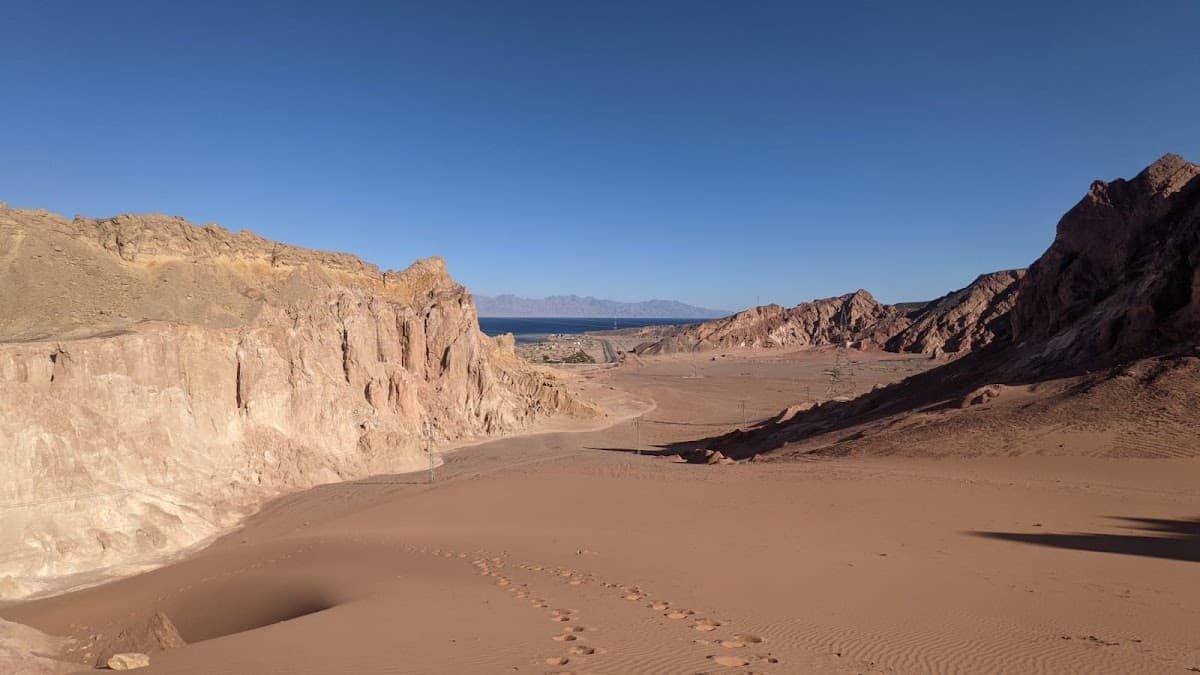
The Sinai Peninsula sits at the crossroads of Africa and Asia, where Moses received the Ten Commandments and coral reefs paint the Red Sea floor in impossible colors. This triangular wedge of desert holds some of Egypt's most sacred sites alongside world-class diving spots that draw underwater photographers from around the globe. You'll find Bedouin camps under star-filled skies, ancient monasteries carved into cliffsides, and beach towns where backpackers and luxury travelers share the same sunset views. But here's the thing - Sinai rewards those who venture beyond the resort strips. The real magic happens when you're climbing Mount Sinai at 3 AM or floating above coral gardens in Ras Mohammed National Park.
Itineraries coming soon
We're working on adding amazing itineraries for Sinai Peninsula. In the meantime, try the app to create your own!
Money-Saving Tips
- 1.Negotiate taxi fares before getting in - meters rarely work and drivers quote inflated prices to tourists
- 2.Bring cash in Egyptian pounds - ATMs exist in major towns but can be unreliable, especially in Saint Catherine
- 3.Book Mount Sinai climbing tours directly with Bedouin guides in Saint Catherine village rather than through coastal hotels
- 4.Eat at local restaurants away from resort areas - a full meal costs 80-120 Egyptian pounds versus 300+ at tourist spots
- 5.Diving packages in Dahab cost significantly less than Sharm el-Sheikh - same reefs, half the price
Travel Tips
- •Pack layers for desert temperature swings - it can drop 20°C between day and night, especially in winter
- •Start Mount Sinai climbs at 2-3 AM to reach the summit for sunrise - bring a headlamp and warm clothes
- •Respect photography rules at Saint Catherine's Monastery - no photos inside, and dress conservatively
- •Book accommodation in advance during peak season (December-February) - options are limited in Saint Catherine village
- •Carry plenty of water for desert activities - dehydration happens quickly in dry mountain air
- •Download offline maps before heading into remote areas - cell service disappears quickly outside main towns
Frequently Asked Questions
Explore Sinai Peninsula
Ready to explore Sinai Peninsula?
Get a personalized itinerary in seconds with Takeoff.
Free on iOS. No credit card required.