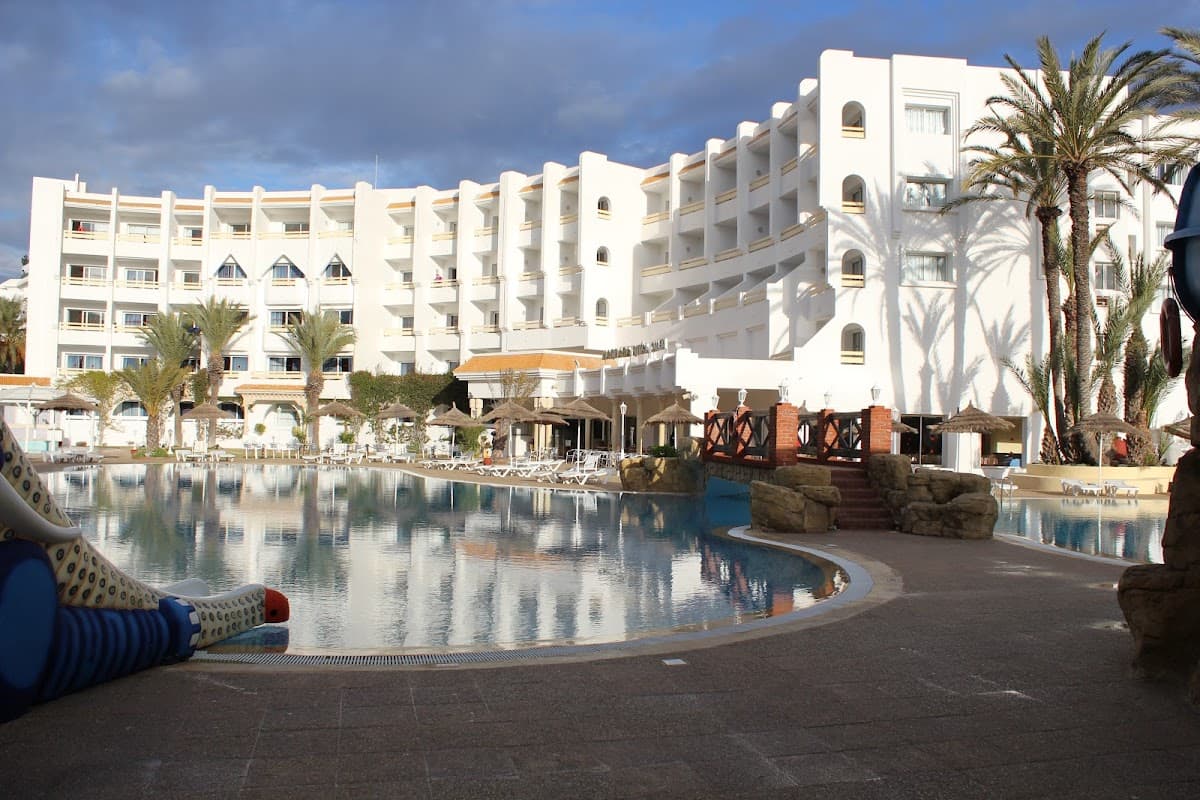
Sousse Governorate
Tunisia's historic coastal region blending ancient medinas with Mediterranean beaches
Picture this: you're wandering through a 1,000-year-old medina in the morning, then lounging on white sand beaches by afternoon. That's Sousse Governorate in a nutshell. This stretch of Tunisia's coast serves up history and beach time in equal measure, without the tourist traps you'll find elsewhere. The medina in Sousse city earned UNESCO status for good reason - its walls have stories that go back to the 9th century. But step outside those ancient stones and you'll find resort towns like Hammamet where families splash in calm Mediterranean waters. Here's the best part: your money goes far. A three-course dinner costs what you'd pay for a coffee in Paris. The region works for everyone - solo travelers exploring Roman ruins, families building sandcastles, couples watching sunsets from clifftop cafes.
Culture & Context
ANCIENT MEDINA, LIVING CITY
Sousse is Tunisia's third-largest city, sitting on the Mediterranean coast about 140km south of Tunis. It's been around since the Phoenicians called it Hadrumetum, nearly 3,000 years ago. The medina dates to the 9th century Aghlabid era, and those same stone walls still stand today.
Look, the city is genuinely lived-in. Locals shop in those alleyways, hang laundry from windows above the souks, and argue over prices you'll never get. That's the actual appeal.
French is spoken widely (especially in hotels and restaurants), but Tunisian Arabic (Derja) is the street language. A few words of Derja go a long way. The further you get from the tourist strip, the less English you'll encounter.
Tunisia is a Muslim-majority country but notably progressive by regional standards. Alcohol is available in hotels and many restaurants. On Fridays, select supermarkets won't sell it.
Ramadan shifts every year, so check dates before you go — evenings come alive during it, but daytime services are reduced. Here's the thing: Sousse is a real working city that also happens to have a UNESCO medina and a beach. It's not solely built for tourists, which is exactly what makes it interesting.
Local Customs
MODEST DRESS, RIGHT HAND
Dress modestly when exploring the medina or any religious site. Shoulders and knees covered is the baseline. Beach resorts and the corniche promenade are totally fine for normal summer clothes, but context matters..
Remove shoes before entering mosques. Non-Muslims generally cannot enter the prayer hall itself, but the Great Mosque courtyard in Sousse is worth seeing from outside.. Eating is done with the right hand.
The left hand is considered unclean. It matters at shared meals and in traditional settings.. Haggling is expected in the souks.
But don't start negotiating on something you have zero intention of buying. That wastes everyone's time and creates friction.. It is technically illegal to photograph military buildings, embassies, or government offices.
Save your camera for the medina walls and the marina.. Unmarried couples sharing hotel rooms is technically illegal, though enforcement is essentially nonexistent in tourist areas. Most hotels won't question you..
Tunisian dinars cannot legally be taken out of the country. Spend what you exchange or convert back before you leave. Many sites and small shops only accept cash, so carry some..
Tipping is customary but modest. Rounding up in a cafe or leaving a dinar or two after a restaurant meal is perfectly appropriate.. Public displays of affection are frowned upon in local culture.
This applies to all couples. Keep it low-key outside resort zones.
Safety
PETTY THEFT, COMMON SENSE
Sousse is generally safe for tourists. The main tourist zone, beach promenade, and medina are well-policed. Tunisia's Tourist Police unit specifically operates in popular areas like Sousse.
The 2015 terrorist attack at a Sousse beach resort was a genuine tragedy that decimated tourism for years, but that level of violence has not recurred and security has since been significantly increased. The primary risks in 2026 are mundane: petty theft and scams. Pickpocketing happens in the medina souks and on the beachfront promenade.
Don't flash cameras, jewelry, or phones. A hidden money belt under your shirt for passport and cards is a solid precaution. The 'closed attraction' scam — where a friendly local claims a mosque or museum is shut and offers to guide you elsewhere — is the most common tourist hustle.
Just ignore it and walk in. Taxi overcharging is the other frequent annoyance. Insist on the meter or negotiate the fare before you get in.
Avoid dark, unoccupied streets late at night, particularly solo. Muggings are rare and almost exclusively happen in low-traffic areas after dark. Street harassment (catcalling) occurs, particularly toward solo female travelers, and is best handled by ignoring it entirely and keeping moving.
LGBTQ+ travelers should be aware that homosexuality is criminalized in Tunisia. Most international hotels are discreet and private, but public displays of affection of any kind are best avoided. The border regions near Libya and Algeria carry higher risks and are under travel advisories from multiple governments — stay well away.
Stick to the east coast and you're in the safe zone.
Getting Around
LOUAGES & LOCAL TRAINS
The closest airports are Monastir Habib Bourguiba International (MIR), 20km away, and Enfidha-Hammamet International (NBE), 35km from Port El Kantaoui. Both handle European charter and budget flights. Trains run from Sousse to Tunis, Monastir, Mahdia, and Sfax.
The Sahel Metro (electrified regional line) has five stops within Sousse and extends south. But honestly, louages are the move for intercity travel. These shared minivans with red stripes depart from the station on Rue El Masjed El Aksa when full.
Tunis runs about 12 TND (roughly €3.50) and takes two hours. Fares to Sfax, Gabès, Djerba, and Monastir range from 2 to 31 TND depending on distance.
Within the city, blue-stripe louages and articulated buses cover local routes for a dinar or two. Taxis exist but require firm meter-checking or price-negotiation upfront. Unlicensed or meter-less cabs are the primary scam risk in Sousse.
A mini-train runs along the corniche up to Port El Kantaoui, which is a fun and cheap way to get there without arranging a taxi. Highway A1 toll road connects Sousse to Tunis for drivers. Tap water is technically potable but mineral-heavy and chlorinated.
Most people, locals included, drink bottled water (0.2–0.65 TND per litre).
Useful Phrases
Explore Cities
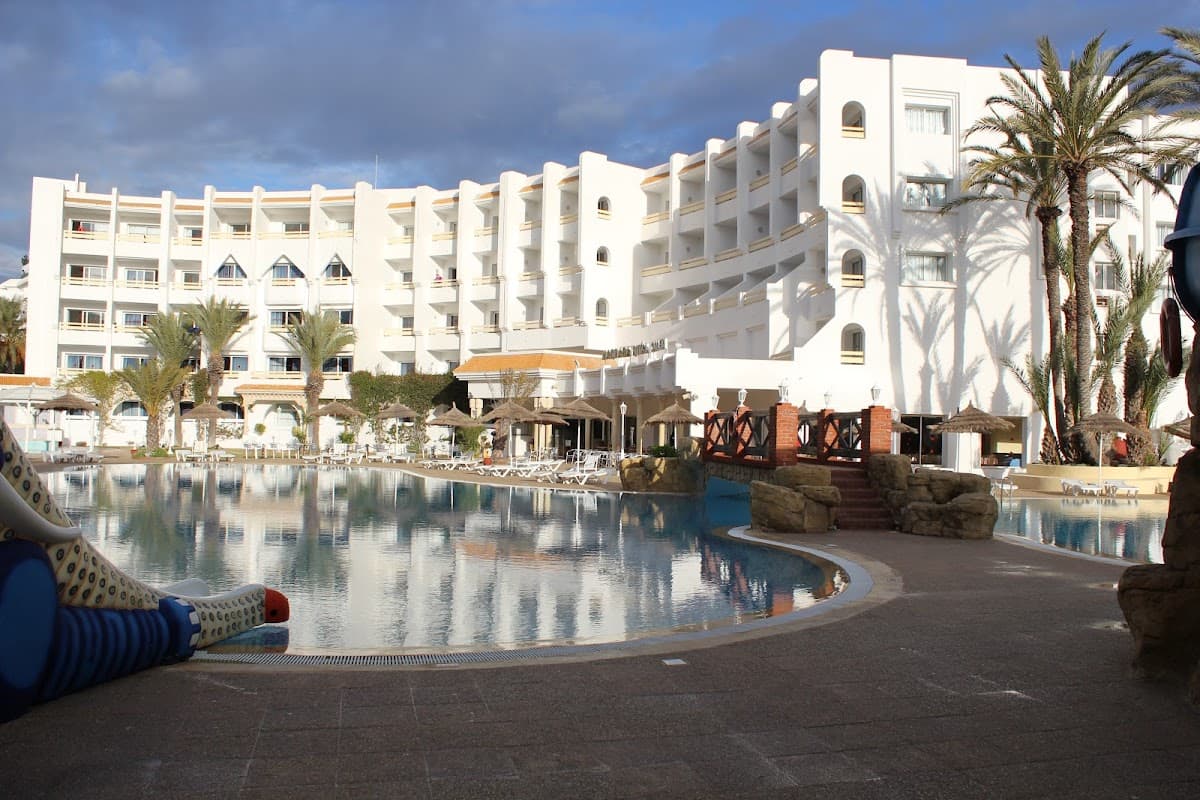
Explore the Region
Money-Saving Tips
- 1.Louages (shared taxis) cost a fraction of private taxis - 5 dinars gets you between major towns
- 2.Eat at local restaurants inside medinas where meals cost 8-12 dinars instead of tourist zones charging 25+
- 3.Buy bottled water from grocery stores (1 dinar) rather than hotels (4 dinars)
- 4.Haggle in souks but not in fixed-price restaurants - know which situations allow negotiation
- 5.Stay in medina guesthouses (30-50 dinars/night) instead of beachfront resorts (100+ dinars)
- 6.Visit museums on Sundays when many offer reduced admission for locals and residents
- 7.Pack lunch for day trips - roadside restaurants charge tourist prices near major sites
Travel Tips
- •Learn basic Arabic greetings - 'Ahlan wa sahlan' (welcome) opens doors and hearts
- •Dress modestly when visiting mosques and traditional neighborhoods, especially during Ramadan
- •Carry small bills - many vendors can't break large denominations
- •Friday prayers affect opening hours - plan museum visits for other days
- •Download offline maps - GPS works but street signs mix Arabic, French, and sometimes neither
- •Bring reef-safe sunscreen - the Mediterranean sun reflects strongly off white sand beaches
- •Keep your passport handy - some sites require ID for entry, especially near military areas
Frequently Asked Questions
Explore Sousse Governorate
BUILD YOUR
SOUSSE GOVERNORATE PLAN
Insider picks, smart timing, and a plan ready when you are.
Start Planning