Patagonia
Untamed wilderness at the end of the world
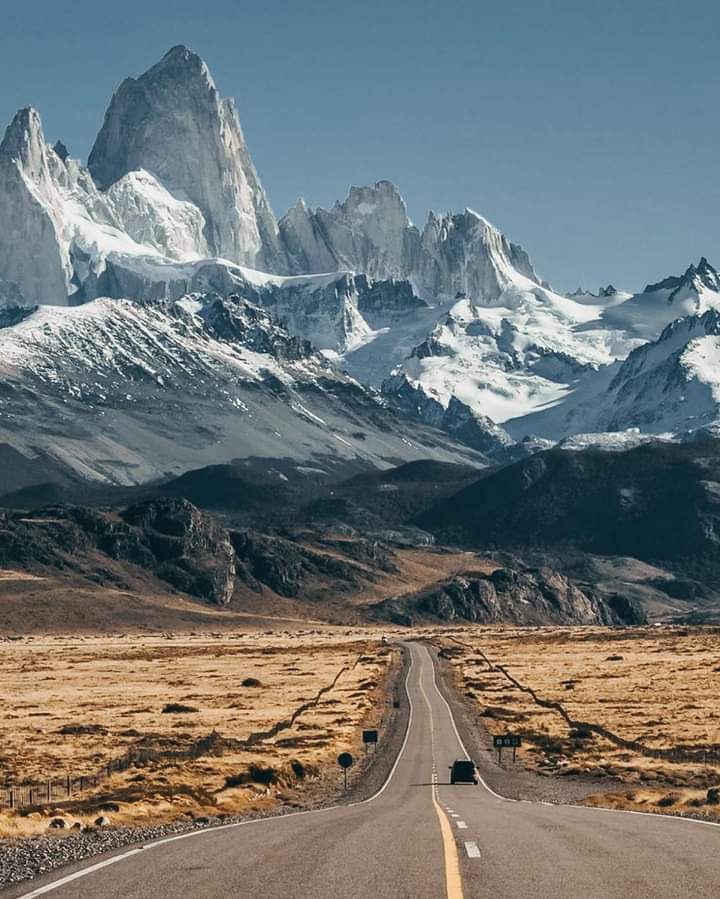
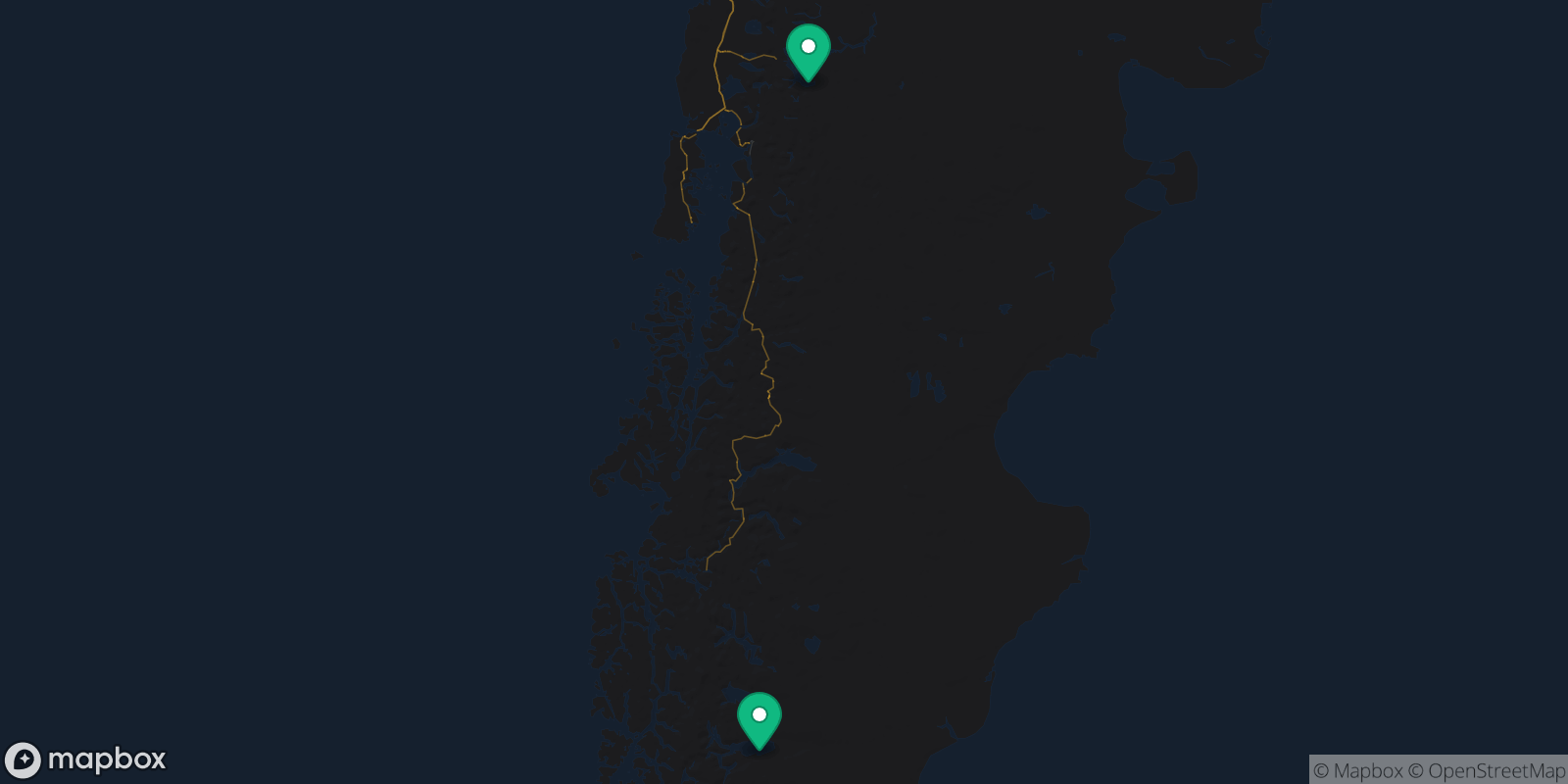
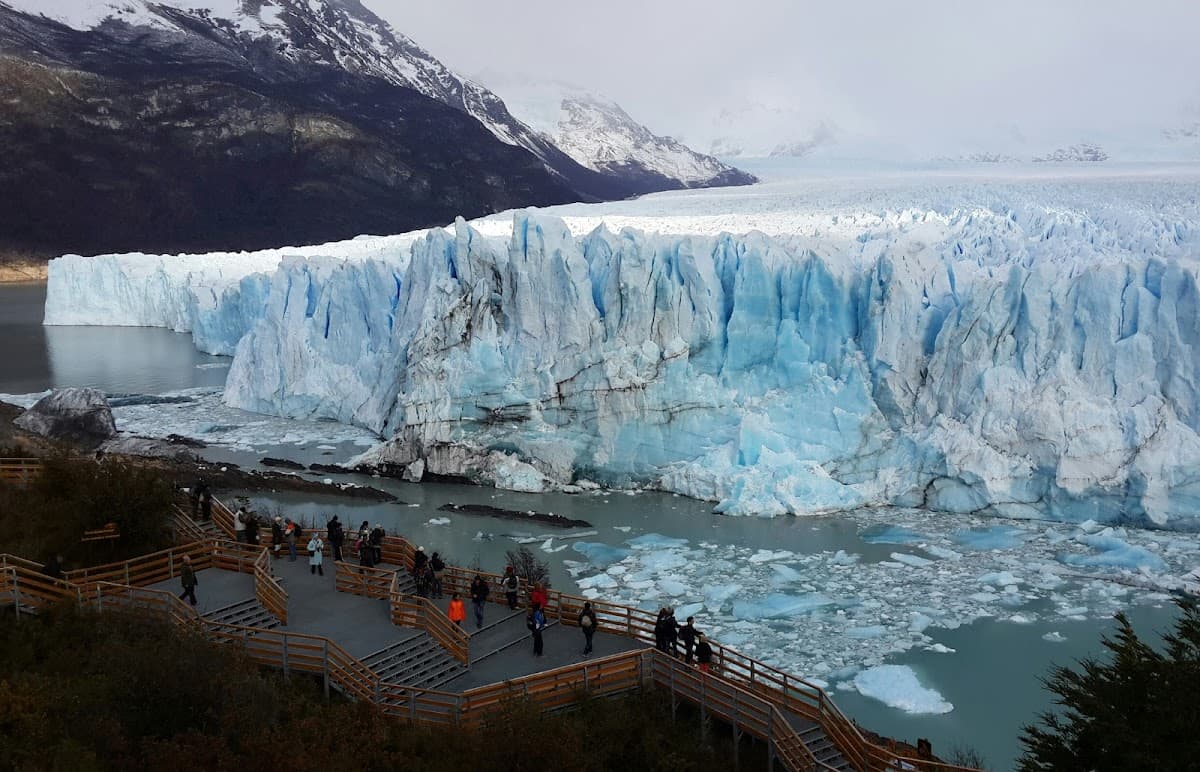
Patagonia doesn't mess around. This isn't some gentle introduction to South American travel — it's raw, windswept wilderness that stretches across both Chile and Argentina like nature forgot to put on the brakes. You'll find granite spires that pierce the sky in Torres del Paine, glaciers the size of small countries around El Calafate, and condors riding thermals over endless steppes. The region spans roughly 400,000 square miles, but most travelers stick to a handful of gateway towns connected by long, lonely roads. Summer here runs November through March, when 18-hour days give you maximum time to chase penguins, hike the famous W Trek, or boat between icebergs. But here's what guidebooks won't tell you: Patagonia is expensive, the weather changes faster than your mood after a 12-hour bus ride, and you'll either fall completely in love or swear you'll never return. Most people do both.
Explore Cities
Explore the Region
Money-Saving Tips
- 1.Bring US dollars or euros for better exchange rates than using ATMs, especially in remote areas
- 2.Stock up on groceries in major towns — a bottle of water costs $5 in Torres del Paine vs $1 in Puerto Natales
- 3.Book accommodation early for summer season (Dec-Feb) when prices can triple overnight
- 4.Consider staying in Puerto Natales instead of inside Torres del Paine to save $100+ per night
- 5.Rent camping gear locally rather than flying with it — several shops in El Calafate and Puerto Natales offer rentals
- 6.Fill up your gas tank whenever you see a station — remote stretches have no fuel for 200+ kilometers
- 7.Pack your own snacks for long bus rides and day hikes to avoid tourist trap prices
Travel Tips
- •Download offline maps before heading into remote areas — cell service disappears for hours at a time
- •Pack wind-resistant layers even in summer — Patagonian winds regularly hit 60+ mph
- •Book the W Trek permits months in advance, especially for December and January dates
- •Carry a good headlamp for those 18-hour summer days that suddenly turn dark
- •Learn basic Spanish phrases — English is limited outside major tourist areas
- •Bring a universal power adapter and portable charger for long days hiking without electricity
- •Check border crossing hours before driving between Chile and Argentina — some remote crossings close at 6pm
- •Pack seasickness medication for boat trips to glaciers — Patagonian waters get rough fast