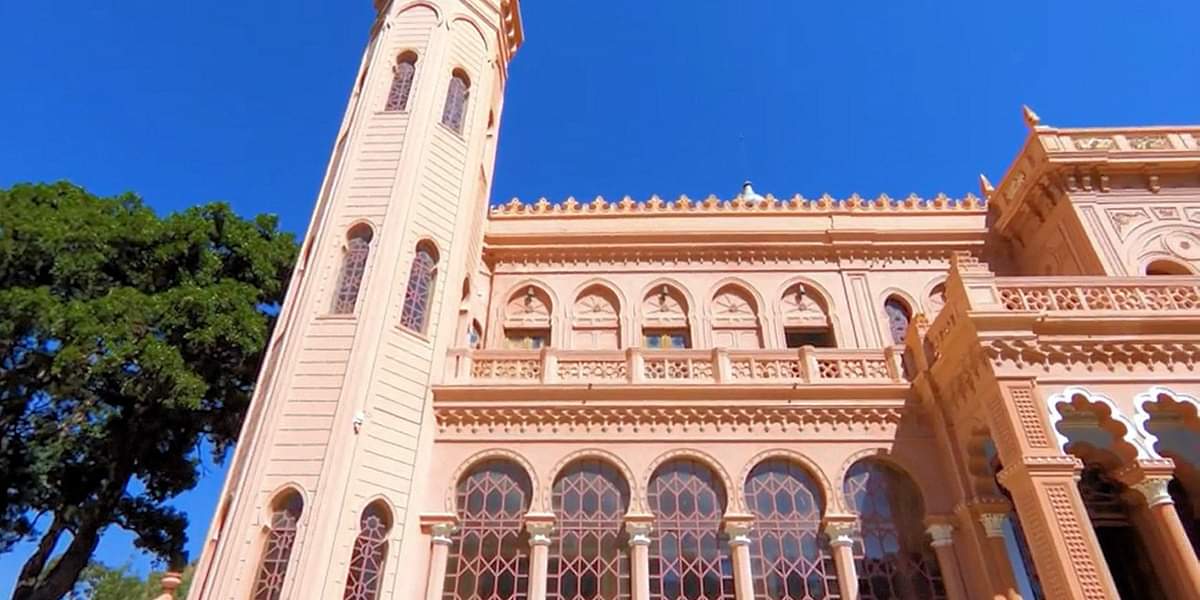
Sucre
Bolivia's white colonial jewel and constitutional capital
Sucre doesn't try to impress you. It just does. Bolivia's constitutional capital spreads across hillsides in pristine white colonial buildings that earned it UNESCO World Heritage status. But here's what the guidebooks miss: this is one of South America's most livable cities. Students from Universidad San Francisco Xavier fill sidewalk cafés. Indigenous women in bowler hats sell fresh fruit on Plaza 25 de Mayo. And you can eat like royalty for $3. The city sits at 2,800 meters, so pack layers — mornings are crisp, afternoons warm, evenings cool. Most travelers rush through Bolivia chasing salt flats and jungle tours. Their loss. Sucre rewards those who slow down.
Best Months
APR – SEP
~23°C · moderate crowds
Culture & Context
WHITE CITY, INDEPENDENCE CRADLE
Sucre is Bolivia's constitutional capital, though most government work happens in La Paz. That detail alone tells you something about Bolivia's complicated politics. The city sits at 2,810 meters (9,220 ft) above sea level — high enough to feel the altitude but nowhere near as brutal as La Paz or Potosí.
Locals are proud of that distinction. The Spanish founded it in 1539 and the whitewashed colonial buildings they left behind earned Sucre the nickname "La Ciudad Blanca." UNESCO put the historic center on its World Heritage list in 1991.
Bolivia declared independence here in 1825, and the Casa de la Libertad (on the main plaza) is where that happened. The city is home to the Universidad de San Francisco Xavier de Chuquisaca, one of the oldest universities in the Americas, and the student population keeps things lively and a bit more progressive than you'd expect from a city of 360,000. Spanish is the dominant language here, but Quechua is woven into daily conversation, especially in markets and among older residents.
Sucre has earned a reputation as the best city in Bolivia to study Spanish, largely because the accent is slower and clearer than in Argentina or Spain.
Local Customs
PACHAMAMA OFFERINGS, RESPECT WEAVERS
Always negotiate prices at markets, but keep it respectful. Indigenous weavers at places like Tarabuco spend weeks on a single piece — grinding someone down to half price on a handmade textile is considered rude.. Use 'Usted' instead of 'Tú' when addressing older people or anyone in a formal context.
Bolivians notice the difference and appreciate the respect.. Before drinking, it's custom to spill a small amount of your drink on the ground as an offering to Pachamama (Mother Earth). In a bar, raising your glass slightly is accepted.
This is called a ch'alla.. Tipping is not mandatory but appreciated. Rounding up the bill or leaving 5-10% for good service at a sit-down restaurant is considered generous.
It is not expected at markets or street food stalls.. Cash is essential. While some hotels and larger restaurants accept cards, most market stalls, local eateries, and taxis are cash-only.
Keep small bills handy — vendors rarely have change for large notes.. Taxis are cheap but unmetered. Always agree on the fare before getting in.
A typical ride within the city center should run 10-15 BOB (about $1.50-2 USD).. Be aware that large political demonstrations can break out with little warning and may block roads and transport links.
This is a real practical consideration, not just a safety note.
Safety
SAFER THAN LA PAZ
Sucre is one of Bolivia's safer cities, and significantly calmer than La Paz. That said, petty theft is real. Keep your phone in your front pocket at the Mercado Central and busy bus areas.
The D-2 district in the north of the city has notably higher rates of phone and wallet theft — no reason to be there as a tourist. San Roque is an old red-light district area; fine during the day, not worth wandering alone at night. The US State Department currently has Bolivia at a Level 2 (Exercise Increased Caution) advisory, mostly due to occasional political demonstrations that can block roads with little warning and some crime hotspots that are not in Sucre specifically (the Chapare region is a separate issue entirely).
Standard urban common sense applies: use registered taxis after dark, don't flash expensive gear, and keep a photocopy of your passport handy. Altitude is the other safety factor people underestimate. At 2,810 meters, Sucre is high enough to slow you down for the first day or two — especially if you've come from sea level.
Drink water, go easy on alcohol the first night, and take hills slowly. The good news: Sucre's altitude is mild compared to La Paz, making it a smart first stop in Bolivia for acclimatization.
Getting Around
WALKABLE COLONIAL CORE
Sucre's Alcantarí International Airport sits about 30km from the city center — allow 40-60 minutes and budget for a taxi or minibus. Flights from La Paz take about 45 minutes and cost $60-80 USD one way; growing airline competition has brought prices down. The main bus terminal is a 15-minute uphill walk from the historic center (or a short taxi ride).
Overnight buses from La Paz run 80-180 BOB depending on the company and seat type; El Dorado and Copacabana are the most recommended operators. Once you're in Sucre, you can walk almost everywhere in the historic center. Taxis are cheap but unmetered — always agree on a fare before getting in (expect 10-15 BOB for most city trips).
Local microbuses run fixed routes for about 1.50-2 BOB. For day trips, Tarabuco has its own bus departure point ("Parada a Tarabuco") — buses leave every 5-10 minutes and shout the destination, takes 90 minutes, costs 10 BOB.
Getting to Potosí takes 3-4 hours by bus; Uyuni is roughly 10 hours.
Useful Phrases
Sucre Itineraries
View all
Sucre in Style: Colonial Charm & High-Altitude Indulgence
Week · $$$$
Sucre in 7 Days: White City, Green Valleys, Wild Trails
Week · $$$
Sucre in Three Days: Jungle Wild in the White City
Weekend · $$$
Sucre Jungle Wild: Canyons, Craters & Quiet Courtyards
Day Trip · $$$

Seven Romantic Days Through Sucre’s Colonial Charm
Week · $$$
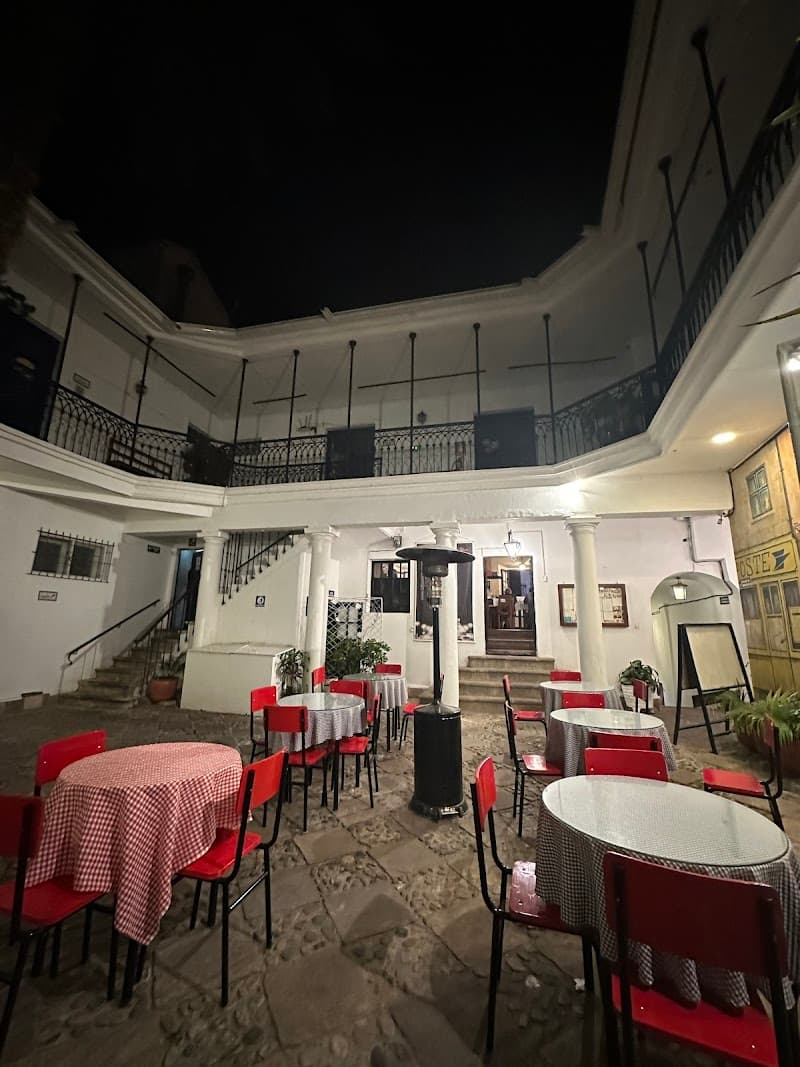
Sucre for Two: Colonial Calm, Gardens, and Sunset Views
Weekend · $$$
Things to Do in Sucre
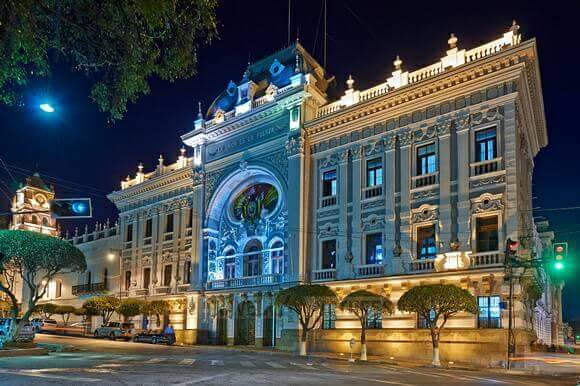
Plaza 25 de Mayo Free Explore
Centro Histórico · 60 min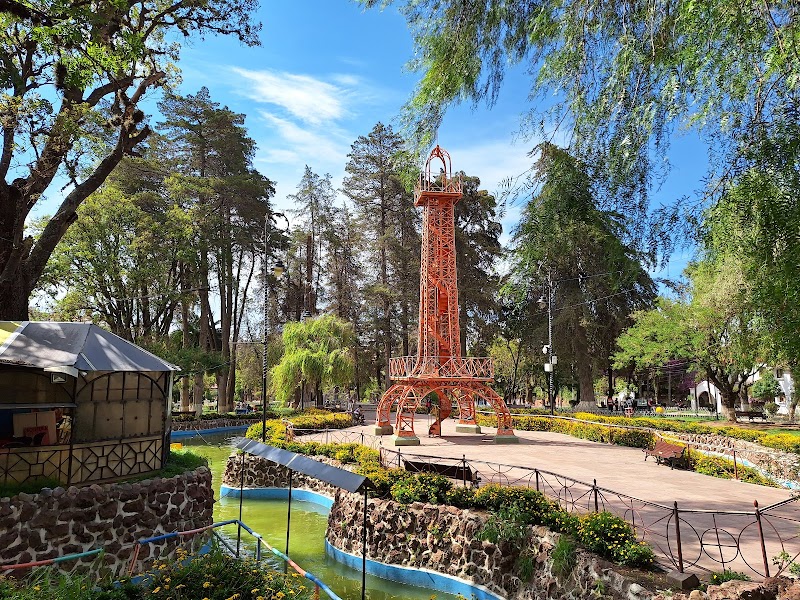
Parque Simón Bolívar Stroll
Parque Simón Bolívar / Zona Universitaria (10–15 min walk from plaza) · 90 min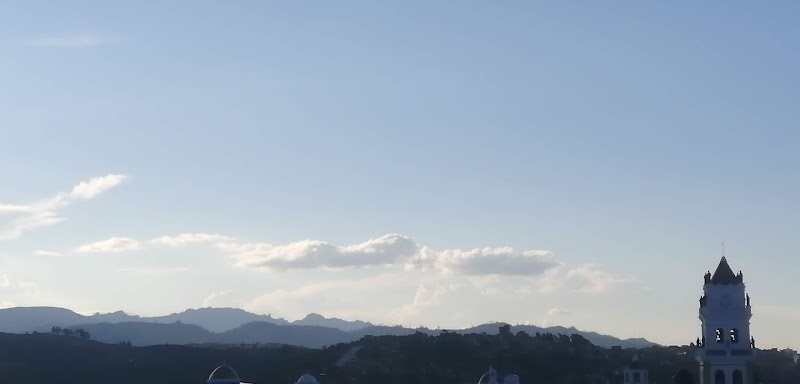
Evening Walk through Centro Histórico
Centro Histórico (around Plaza 25 de Mayo) · 60 minMoney-Saving Tips
- 1.Eat at university-area restaurants for meals under $2 — students know where to find quality for cheap
- 2.Buy bus tickets directly at Terminal de Buses to avoid agency markups of 5-10 bolivianos
- 3.Mercado Central offers fresh produce at half the price of downtown shops
- 4.Many museums offer free entry on Sundays for Bolivian residents — ask if they extend this to tourists
- 5.Hostels in San Lázaro neighborhood cost 30-40% less than historic center options
- 6.Share taxis to day trip destinations like Dinosaur Park — drivers will wait for groups of 4
- 7.Street food costs 3-5 bolivianos versus 15-20 bolivianos at tourist restaurants
- 8.Buy singani (local brandy) at supermarkets for 25 bolivianos instead of 8 bolivianos per shot at bars
Travel Tips
- •Pack layers — Sucre's altitude means 20°C temperature swings between day and night
- •Bring altitude sickness medication if you're arriving from sea level — Sucre sits at 2,800m
- •Download offline maps — WiFi outside hotels and cafés can be spotty
- •Learn basic Spanish phrases — English isn't widely spoken outside tourist areas
- •Carry small bills — many vendors can't break 100 or 200 boliviano notes
- •Book accommodation ahead during Carnaval (February/March) — the city fills up fast
- •Wear comfortable walking shoes — cobblestone streets are unforgiving on ankles
- •Keep copies of passport and documents — police checkpoints are common on intercity routes
- •Try coca tea for altitude adjustment — most cafés serve it free with meals