
Pucón
Adventure capital beneath smoking Villarrica volcano
Pucón sits on the shores of Lago Villarrica like it's posing for a postcard, with the smoking cone of Villarrica volcano looming behind it. But this isn't just another pretty lake town. This is Chile's adventure capital, where you can hike an active volcano in the morning, soak in thermal springs by afternoon, and kayak across mirror-calm waters as the sun sets. The town pulses with adrenaline junkies and nature lovers who come for world-class hiking, white-water rafting, and some of the most dramatic scenery in the Chilean Lake District. Sure, it gets busy in summer, and prices reflect the tourist demand. But when you're standing on the rim of a volcano crater watching lava bubble below, you'll understand why everyone makes the trip south.
Best Months
JAN · FEB · MAR · DEC
~25°C · high crowds
Culture & Context
MAPUCHE HEART, GERMAN SOUL
Pucón sits in the Araucanía Region, which is Mapuche heartland. That matters. The name "Pucón" literally comes from Mapudungun and refers to a clay vessel or entrance point, and the town itself was founded as a military fort in 1883 after the Chilean state forcibly subdued the Mapuche population. That colonial history isn't ancient — it's still felt. Communities like Quelhue, just across the Trancura River from town, are among the last fully Mapuche settlements in the area, and visiting them is genuinely meaningful, not just a tourist box to tick.
Then there's the German angle. Waves of German settlers arrived in the late 19th and early 20th centuries, and their influence shows up in the food. Kuchen (fruit-filled pastry with custard) and strudel appear on café menus alongside empanadas. The architecture in parts of the town leans alpine, which is mildly disorienting when there's an active volcano smoking on the horizon.
Pucón is also unapologetically a tourism town. The population sits around 22,000 but balloons dramatically in January and February when Chilean summer vacationers and international travelers arrive. Tour agencies line Avenida O'Higgins like a gauntlet. The town has built its identity entirely around adventure, and it doesn't pretend otherwise. That can feel exhausting if you stay too long. But get ten minutes outside the center — toward Huerquehue, toward the Trancura valley, toward any hot spring on the Liucura River — and the commercial noise drops away fast.
Local Customs
LATE DINNERS, FAST SPANISH
Dinner happens late. Chileans typically eat dinner between 8 PM and 10 PM. If a restaurant looks empty at 7 PM, don't panic — it'll fill up by 8:30..
Greetings between people who know each other involve a single kiss on the right cheek, even on first meeting in social settings. Handshakes are for formal business situations. Don't overthink it — just follow the other person's lead..
Always ask permission before photographing Mapuche individuals, especially in rural communities or at the Quelhue fair. A simple '¿Puedo sacar una foto?' goes a long way.
Respect a 'no' without question.. Chilean Spanish drops terminal consonants and runs words together fast. Slower Spanish from school won't prepare you for how locals actually speak.
Smiling and asking people to repeat slowly ('¿Puede repetir más despacio?') is completely fine and not rude.. Tour operators along O'Higgins will approach you constantly.
Don't feel pressured to book on the spot. Prices for volcano climbs and rafting are often negotiable, especially in shoulder season, and the agencies a block off the main drag sometimes charge less.. Volcano closures happen without much warning.
Villarrica is one of the most active volcanoes in South America. SERNAGEOMIN (Chile's geological service) monitors it continuously and will close climbing permits if activity increases. Have a backup plan..
Many national park entrances and some thermal baths only take cash. Bring Chilean pesos in small denominations before leaving Pucón's centro.. Tipping at restaurants is appreciated but not mandatory.
Around 10% is standard if service was good. Some places add a 'servicio' charge automatically — check the bill.. Open fires are strictly forbidden in national parks outside designated camping zones.
Violations carry serious penalties. This is not a soft rule.. The Mapuche community in this region has faced (and continues to face) real land-rights struggles with the Chilean government.
Be curious but respectful when these topics come up with locals. Listening is more valuable than having opinions.
Safety
WATCH VOLCANO, WATCH CROWDS
Pucón is one of the safer towns in Chile for travelers. Violent crime is low and residents are generally friendly and used to tourists. That said, the town is a tourist destination and opportunistic petty theft does occur, particularly in crowded areas around O'Higgins during peak summer. Keep your phone and camera low-profile in crowds, and don't leave bags unattended at the beach.
The bigger safety considerations here are environmental. Villarrica is one of the most active volcanoes in South America — it last erupted in February 2023. SERNAGEOMIN monitors it continuously, and the municipality monitors Lake Villarrica water quality regularly for algal blooms (particularly microcystins). Volcano climbing permits are revoked when activity increases, which happens without much advance notice. Check conditions with your guide or tour operator the morning of any planned climb.
Weather changes fast in the Lake District. Even on summer hikes, bring an extra layer and rain gear. Mountain weather especially can turn in under an hour. Tell someone your hiking plan before heading out solo. Secondary roads and mountain routes can be rough — if you're renting a car to explore further afield, an SUV or 4WD is worth the upgrade.
For women traveling solo, Pucón ranks well by Chilean standards — rated 4.2 out of 5 for solo female travel safety. Street harassment is lower than in larger Chilean cities. Use standard awareness at night, particularly in bars during high season.
Canada's government travel advisory notes there has been some politically motivated violence in the broader Araucanía region related to ongoing Mapuche land rights disputes. This rarely affects tourist areas or the Pucón town center, but it's worth knowing the regional context and following local news during your visit.
Getting Around
WALKABLE TOWN, PLAN ARRIVALS
Getting to Pucón takes planning. The town has no year-round commercial airport. Fly into Temuco (La Araucanía International Airport, airport code ZCO) — the flight from Santiago takes about 90 minutes. From Temuco, it's roughly a 1.5 to 2-hour drive or bus ride to Pucón (about 100 km). Bus tickets from Temuco to Pucón run approximately $7–14 USD.
If you're coming from Santiago by bus, several companies run overnight services directly to Pucón. The trip takes 9–10 hours. Opt for the 'cama' (fully reclining) seats — it's worth the extra cost on a 10-hour overnight haul. Book ahead in summer; seats go fast.
Once in Pucón, the town is compact and flat — genuinely walkable. The grid is easy to navigate, and most key spots (plaza, O'Higgins, the lake) are within 20 minutes on foot.
Local buses (micros) run from around 6:30 AM to 10 PM and cost 500–700 CLP (under $1 USD). They're reliable for getting to nearby neighborhoods but slow. Colectivos (shared taxis on fixed routes) cost 1,000–1,500 CLP and are faster, though they only leave when full. For hot springs outside town — Termas Los Pozones, Termas Geométricas, Huife — you'll need a rental car, organized tour, or private transfer. Renting a car in Temuco and driving to Pucón is a solid option if you want flexibility to explore the surrounding area at your own pace. The border with Argentina (Mamuil Malal Pass) is about an hour's drive east, which is also one way to extend a tourist visa.
Useful Phrases
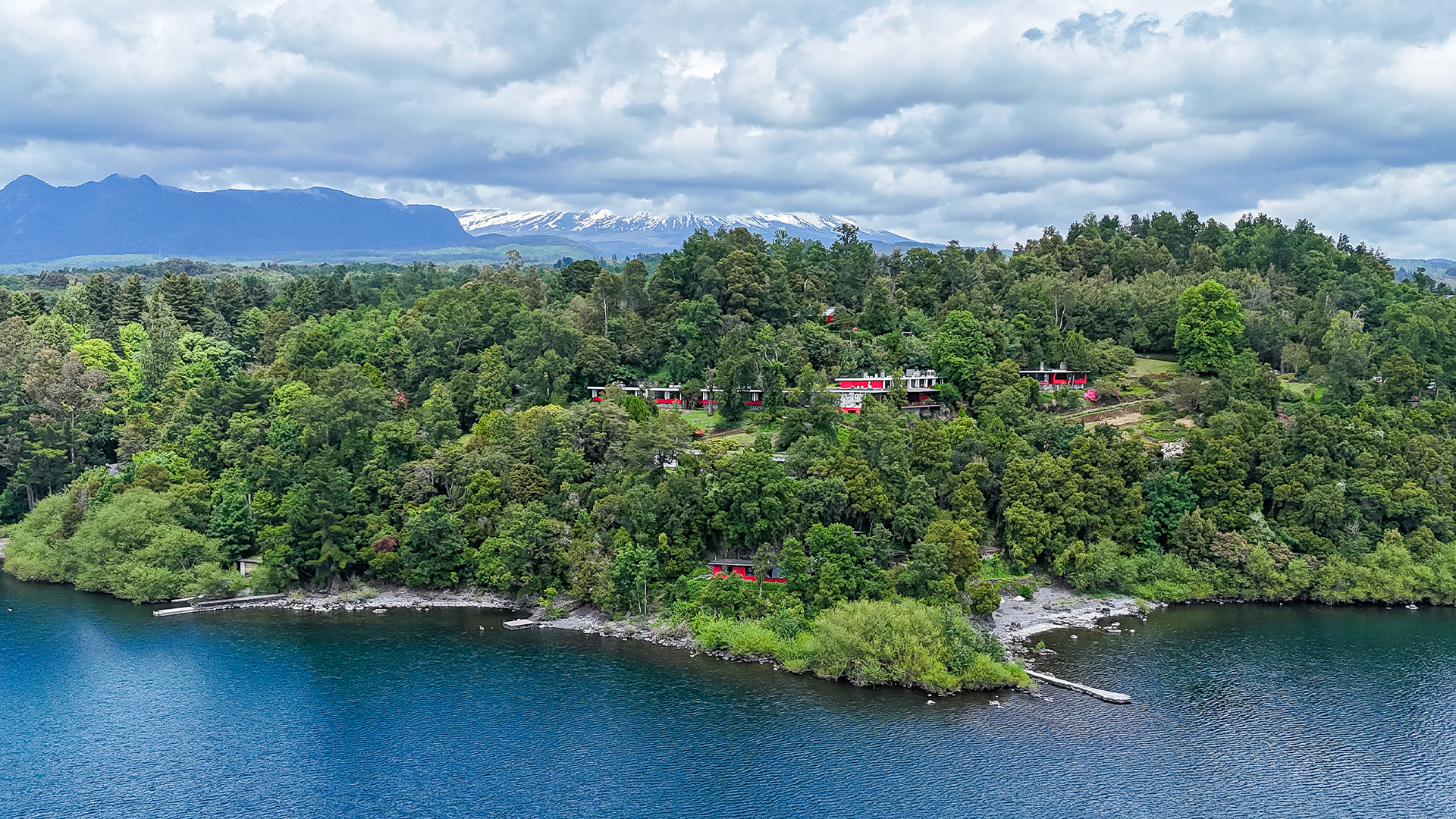
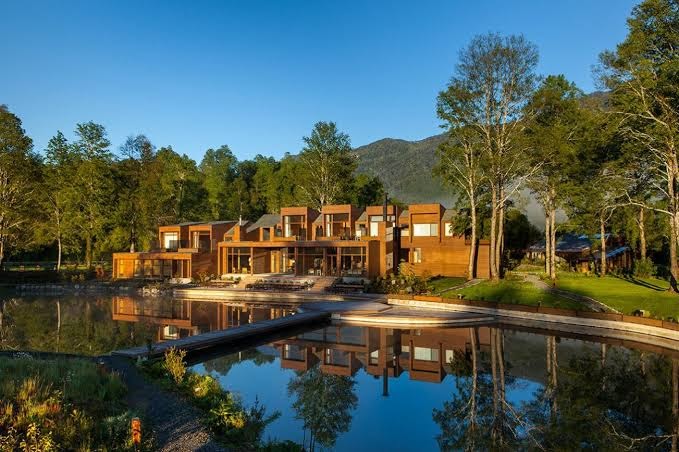
Where to Stay in Pucón
2 recommended properties
Money-Saving Tips
- 1.Book volcano tours directly with operators like Summit Chile rather than through hotels to save 20-30%
- 2.Eat lunch at local almacenes (corner stores) for cheap empanadas and sandwiches instead of tourist restaurants
- 3.Buy groceries at Unimarc or Lider supermarkets rather than convenience stores near the lake
- 4.Stay in hostels with kitchens during peak season when restaurant prices spike
- 5.Take colectivos instead of taxis for short trips around town
- 6.Visit thermal springs on weekdays when entrance fees are lower
- 7.Book accommodation well in advance for December-February to avoid price gouging
Travel Tips
- •Start volcano hikes early (6am) to avoid afternoon cloud cover that can obscure summit views
- •Pack layers — lake level can be 20°C while the volcano summit is near freezing
- •Bring cash as many small businesses don't accept cards, and ATMs charge high fees
- •Book popular activities like volcano climbing 2-3 days in advance during summer
- •Check volcano activity levels before booking climbs — tours get cancelled for safety
- •Rent gear locally rather than bringing hiking equipment on flights
- •Learn basic Spanish phrases as English isn't widely spoken outside tourist operators