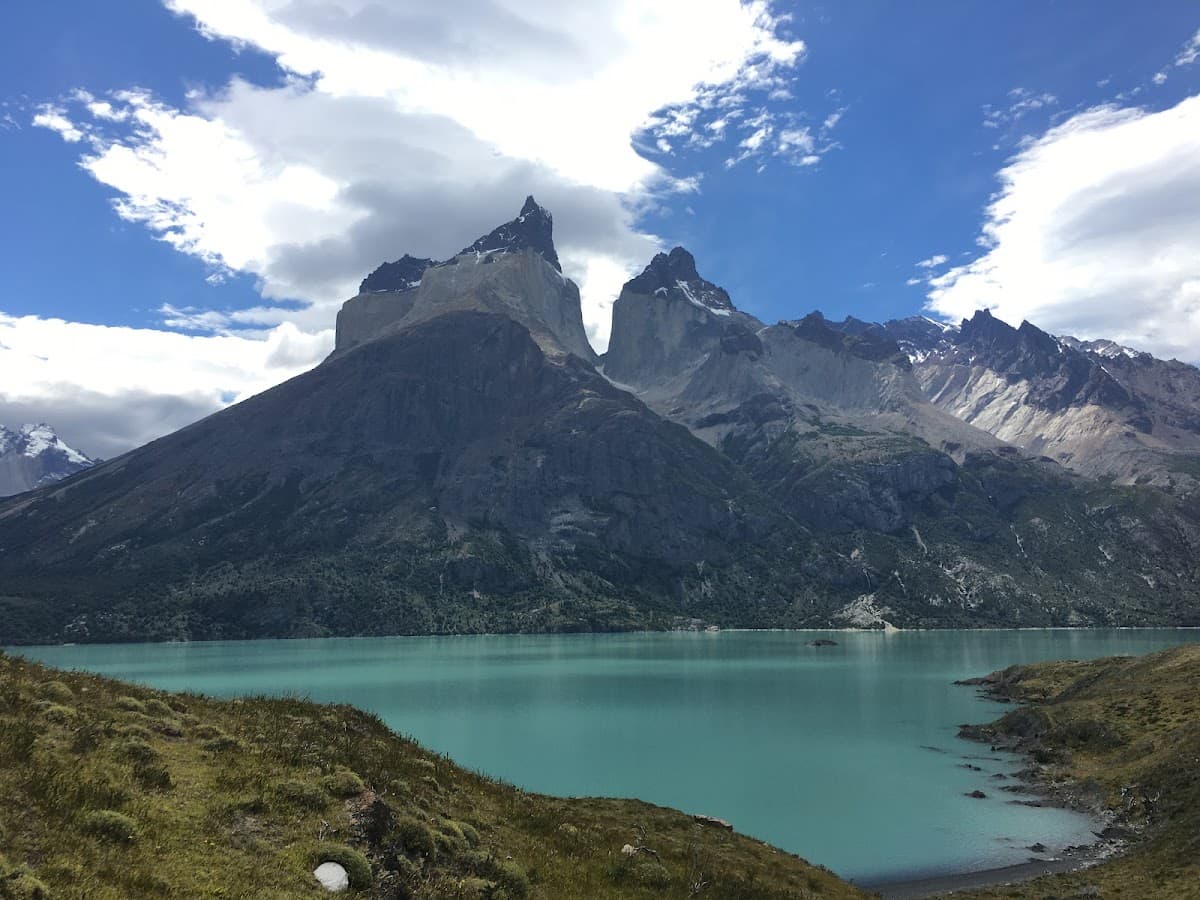
Torres del Paine
Patagonia's crown jewel of granite towers
Torres del Paine rises from the Patagonian steppe like something from another planet. These granite towers pierce the sky at 2,800 meters, casting shadows over turquoise lakes and ancient glaciers. But this isn't just about the iconic spires you've seen on Instagram. This is raw Patagonia — where guanacos graze beside your tent and condors circle overhead while you're still drinking your morning coffee. The park spans 242,000 hectares of pure wilderness, and honestly? You could spend weeks here and still feel like you've barely scratched the surface.
Local Knowledge
Culture & Context
Pai sits in Mae Hong Son Province in northern Thailand, and the surrounding area is home to a mix of Thai, Shan (Tai Yai), and hill tribe communities including Karen and Chinese Yunnanese settlers. The town itself has a well-established hippie-backpacker identity that dates back to the 1990s, when artists and musicians discovered it. But look, don't mistake the laid-back vibe for a culture-free zone. Buddhism shapes daily life here just as much as anywhere in Thailand. The town's growth has been enormous - someone who visited in 2016 barely recognizes it compared to a 2024 visit. Hundreds of accommodation options now dot the valley, and Chinese tour groups make up a significant portion of visitors, especially outside of backpacker season. The 2009 Thai film 'Pai in Love' and the 2012 Chinese film 'Lost in Thailand' put Pai on the map for East Asian tourists, which means Coffee in Love cafe still gets steady busloads of visitors re-enacting movie scenes. This has genuinely changed the town's character, for better and worse.
Safety
The single biggest danger in Pai is scooters. The road from Chiang Mai has 762 curves and claims more lives than almost any other road in Thailand. Thailand has the second-highest road fatality rate in the world, and nearly 75% of traffic deaths involve motorcyclists. Don't rent a scooter to ride from Chiang Mai to Pai if you're not an experienced rider. Once in Pai, even local roads cause plenty of accidents - one travel writer reported three separate accidents within their group during a single trip. Always wear a helmet (it's the law, and the rental shop helmets are often dangerously thin - consider buying a better one for 500-1,000 baht). Never ride at night if you can avoid it. If you're not confident on a scooter, book guided day tours instead - most canyon and hot springs visits can be arranged this way. If an accident happens, call 1669 for an ambulance and 1155 for the English-speaking Tourist Police. Do not sign anything you don't understand before they arrive. Check that your travel insurance covers motorcycle riding - many policies don't if you lack a valid motorcycle license at home. Pai's only hospital is a small government facility; serious injuries require evacuation to Chiang Mai. Also worth noting: drink spiking does happen in tourist areas across Thailand. Don't leave drinks unattended at bars. Methanol poisoning from cheap alcohol is a real risk - stick to reputable bars and branded bottles. The passport-as-deposit scam at scooter rental shops is common; never leave your passport as a security deposit. A cash deposit or a photo of your passport is acceptable instead.
Getting Around
Getting to Pai: The main route is a minivan from Chiang Mai's Arcade Bus Terminal or Aya Service. Two main companies run regular vans: Aya and Prempracha Transport. Cost is 200 baht each way. The ride is 3 hours and involves those 762 curves - take motion sickness pills if you're prone to it. Book the return van the moment you arrive in Pai during high season (November-February). Seriously. It sells out and people have waited two days to get back. Flying into Chiang Mai is the most practical entry point; from Bangkok, an overnight sleeper train to Chiang Mai (around 800-900 baht for a lower bunk) is a popular and enjoyable option. Getting around Pai: The town center is walkable, but almost everything worth seeing outside of town requires transport. Scooter rental runs 150-200 baht per day ($5-6) plus a cheap daily insurance add-on. Bicycles can be rented for 50 baht/day for in-town use only. Songthaews (shared red pickup trucks) are available but infrequent outside of the town center - don't rely on them if you're staying in outlying areas. There is no Grab taxi service in Pai. A Grab from Chiang Mai to Pai costs around 3,000 baht ($87) if you want to book one; you'd need to pre-arrange the return separately.
Useful Phrases
Hello / Goodbye (men say 'krap', women say 'ka')
Thank you (men/women versions)
No problem / It's fine / Don't worry about it. Thais use this constantly and it captures the whole vibe of Pai.
Very delicious. Say this at any food stall and watch the cook's face light up.
Too expensive. Use this at the walking street market when bargaining.
How much is this?
Can I get a discount?
How are you? (also used as a casual 'what's up')
Local Customs
- •Perform the wai (press palms together near chest, slight bow) to greet locals and show respect - especially monks, elders, or anyone serving you. You don't have to initiate it, but returning one is always appreciated.
- •Cover your shoulders and knees at any temple. The Big White Buddha (Chedi Phra That Mae Yen) has staff who will turn you away or loan you a sarong if you show up in shorts. Just bring a scarf.
- •Never point your feet at a Buddha statue or at another person. Feet are considered the lowest, least sacred part of the body in Thai culture.
- •Women should never touch monks or hand anything directly to them. Place objects within reach instead.
- •Never make jokes about or criticize the Thai royal family. This is covered under lèse-majesté laws and is a serious offense, not a cultural quirk.
- •Keep disagreements calm and quiet. Getting visibly angry in public causes everyone to 'lose face' - the other person AND you. A smile and a patient, soft-spoken approach will get you much further than raising your voice.
- •Remove your shoes before entering temple buildings and many guesthouses. If you see a shoe rack at the entrance, take them off.
- •Tipping is not mandatory but appreciated. Round up at street food stalls. For sit-down restaurants, 50-100 baht is a kind gesture if service was good. Check the bill first - some places add a 10% service charge.
Itineraries coming soon
We're working on adding amazing itineraries for Torres del Paine. In the meantime, try the app to create your own!
Money-Saving Tips
- 1.Book refugios early to avoid expensive last-minute camping gear rentals in Puerto Natales
- 2.Bring your own food for multi-day treks — refugio meals cost 15,000 pesos each
- 3.Rent gear in Puerto Natales rather than buying if you're not a regular trekker
- 4.Take the bus from Puerto Natales instead of renting a car if you're just hiking
- 5.Camp at established sites (6,000 pesos) rather than staying in refugios (35,000+ pesos)
- 6.Buy groceries at Unimarc in Puerto Natales — park prices are double
- 7.Consider visiting in March for lower accommodation prices and fewer crowds
Travel Tips
- •Pack layers and waterproof gear — weather changes in minutes
- •Book the Grey III glacier boat tour in advance during summer
- •Carry cash — most park services don't accept cards
- •Download offline maps before entering the park — cell service is spotty
- •Bring a buff or balaclava for the infamous Patagonian wind
- •Start early on hiking days to avoid afternoon wind gusts
- •Reserve campsites online before arriving at the park
- •Bring extra tent stakes — the standard ones won't hold in wind
- •Pack more food than you think you need for multi-day treks
- •Check fire restrictions before bringing camping stoves
Frequently Asked Questions
Explore Torres del Paine
Ready to explore Torres del Paine?
Get a personalized itinerary in seconds with Takeoff.
Free on iOS. No credit card required.