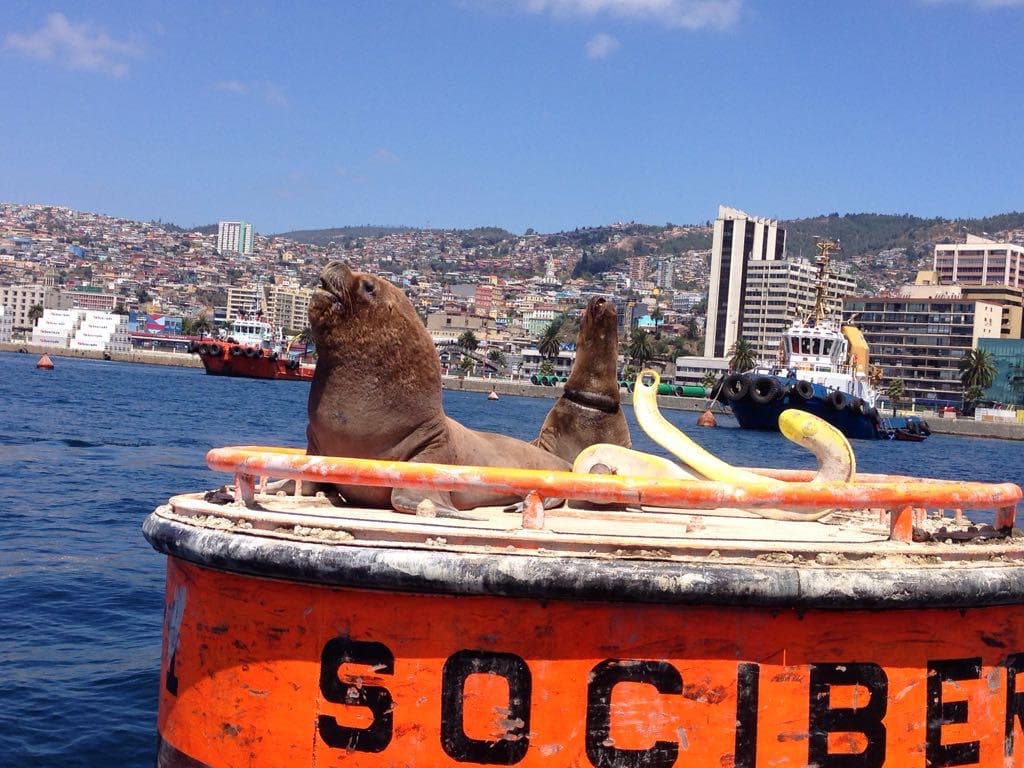
Valparaíso
Bohemian port city with rainbow houses and Pacific Ocean views
Valparaíso sprawls across 42 hills overlooking the Pacific, its houses painted in every color you can imagine and a few you can't. This UNESCO World Heritage port city feels like someone took San Francisco, mixed it with Rio's favelas, and added a heavy dose of Chilean wine and street art. The funiculars creak up impossible slopes while artists turn entire buildings into canvases. Sure, some neighborhoods look rough around the edges, but that's part of Valpo's charm — it's beautifully, authentically chaotic.
Best Months
JAN · FEB · MAR · OCT · NOV · DEC
~22°C · moderate crowds
Culture & Context
VERTICAL CITY, POLITICAL ART
Valparaíso sits about 120km northwest of Santiago and has been Chile's main port since the colonial era. The Chilean Navy has been headquartered here since 1817. It's also the seat of the Chilean National Congress (which relocated from Santiago in 1990), so there's a civic weight to the place that goes beyond its bohemian street-art reputation.
The 2003 UNESCO World Heritage designation covers the historic quarter — specifically the relationship between the flat port area (el plan) and the 45 hillside neighborhoods (cerros) connected by staircases, winding roads, and mechanical funiculars. That morphology is what makes the city genuinely unlike anywhere else. You're not just looking at old buildings; you're navigating a vertical city built by waves of European immigrants (British, German, Italian, Croatian) who each left architectural fingerprints on different hills.
The street art here is politically charged and constantly renewed. It's not decoration — it's a running commentary on Chilean history, social movements, and identity. Pablo Neruda, who kept a house (La Sebastiana) on Cerro Bellavista, described Valparaíso as 'the most insane city in the world,' and his affection for it is well-documented in his poetry. The city has a real creative scene that predates and outlasts the tourist attention: independent cafes, live music in small venues, independent publishers. It also has real poverty and a complicated relationship with gentrification on the tourist cerros. Two streets can feel like entirely different cities.
Local Customs
LATE MEALS, PALTA EVERYWHERE
Meal times run late by northern hemisphere standards. Lunch (almuerzo) is the main meal of the day, usually 1–3pm. Dinner rarely starts before 9pm.
Don't show up to a restaurant at 7pm expecting a buzzing room.. Once is the Chilean institution of a late-afternoon snack/tea, taken around 5–6pm — tea, bread, avocado (called palta here), and maybe cold cuts. It's a social meal as much as a food one..
Tipping is not mandatory but is appreciated. In sit-down restaurants, 10% is standard. In more casual spots or market stalls, rounding up is fine..
Avocado (palta) goes on everything. Bread, pasta, sandwiches. Don't be surprised when it shows up where you didn't expect it.
This is a feature, not a bug.. Street art is treated as legitimate cultural heritage here, not vandalism. Don't refer to it as graffiti — Valparaíso's murals are a point of serious civic pride..
Chileans drop the 's' at the end of syllables and conjugate second-person verbs with an 'i' rather than 'as' (e.g., '¿cómo estai?
' instead of '¿cómo estás?'). If someone sounds like they're speaking a completely different Spanish dialect, that's because they kind of are..
The funiculars (ascensores) only take cash, and they go out of service for maintenance without much notice. Always have a backup plan for getting up or down the hill, especially in peak season.. Earthquake preparedness is serious business.
Familiarize yourself with your accommodation's evacuation procedure. Chile has one of the world's most efficient seismic alert systems, but that doesn't mean you should ignore it.
Safety
WATCH YOUR BELONGINGS
Valparaíso is genuinely worthwhile but it asks more of your awareness than, say, a resort town. The UNESCO tourist core on Cerros Alegre and Concepción sees regular police patrols during daylight hours and is reasonably safe for daytime wandering. The main threat is petty theft: pickpocketing in crowded markets, bag snatching at outdoor cafes, and the classic distraction scam where someone 'accidentally' spills something on you while an accomplice takes your bag.
A few concrete rules: Don't walk alone on isolated staircases after dark. Some alleyways between cerros have limited exits — stick to the established tourist routes until you know the geography. After dark in the port zone (El Plan) and the lower hill slopes, take Uber or Cabify rather than walking. Street colectivos at night are a gamble. Cerro Alegre and Concepción at night have seen a rise in opportunistic theft as of 2025–2026, so keep phones in your pocket and bags in front of you.
Politically motivated demonstrations occur periodically in the city center — the earlier 2025 fishing law protests turned violent briefly. Avoid any gatherings that start escalating. Chile ranks 62nd on the 2025 Global Peace Index, making it one of the safer countries in South America overall, but Valparaíso specifically scores lower on safety perception than that national ranking suggests. Emergency numbers: 133 for police (Carabineros), 131 for medical emergencies.
Getting Around
MICROS & FUNICULARS
Getting around Valparaíso without a car is very doable — locals do it daily.
**Micro buses** are the workhorses of the city. Fares are around 500 CLP ($0.55). Pay cash to the driver or use a Bip! transit card (the same rechargeable card used on Santiago's metro). Key routes for tourists: lines O and 612 connect Plaza Sotomayor with hillside neighborhoods. Route 606 and 612 serve Playa Ancha and run every 5–10 minutes. A new night bus service, the N01, launched in October 2025 and connects Valparaíso with Viña del Mar, Quilpué, and Villa Alemana from 11pm to 6am every day of the week.
**Colectivos** (shared taxis on fixed routes) are faster than micros and cost 600–800 CLP. They have route numbers on the roof. Hard to figure out as a newcomer — ask your accommodation which colectivo serves your specific route.
**Uber and Cabify** both operate normally in Valparaíso. Uber tends to run 10–20% cheaper than Cabify. Use these at night instead of hailing street taxis, which can have informal pricing.
**The Metro/Merval (EFE)** runs between Estación Puerto in Valparaíso and Limache, stopping through Viña del Mar. It's the cleanest, fastest way to move between the two cities. During New Year's 2026, the system ran double-length trains from noon onward to handle the crowds. A Bip! card works here too; for fewer than 4 metro trips on a short visit, buying a single ticket at the booth is fine.
**Funiculars (Ascensores)**: 15 ascensores operate across the city in 2026. Cash only, small bills. They close for maintenance — sometimes for weeks. Ascensor Concepción (1883, the oldest) and Ascensor Artillería are the most reliable for tourists. Always check before committing to a route that depends on one being operational.
**Santiago to Valparaíso**: Turbus and Pullman Bus run frequent coaches from Alameda terminal in Santiago. Journey takes 1.5–2 hours and costs around $5–8 USD each way. Book in advance for weekends and holidays — they sell out.
Useful Phrases
Valparaíso Itineraries
View all
Seven Wild-Hued Days in Valparaíso’s Hills and Sea Mist
Week · $$$
Wild Hills & Coastal Color in Valparaíso
Weekend · $$$
Valparaíso in Three Days: Hills, Street Art, and Sea Views
Day Trip · $$$

Wild Hills & Ocean Thrills: 7 Days in Valparaíso
Week · $$$
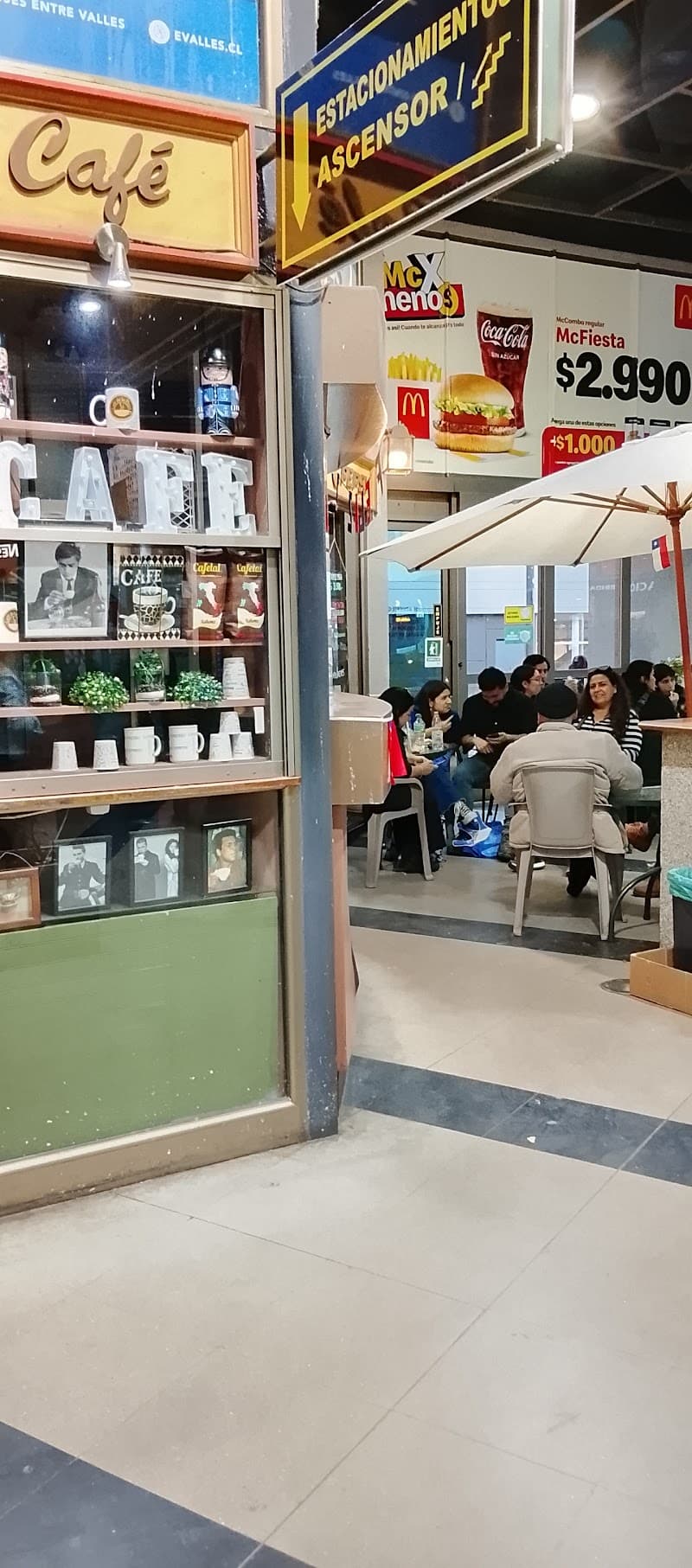
Wild Hills & Ocean Views: A Romantic Valparaíso Escape
Weekend · $$$
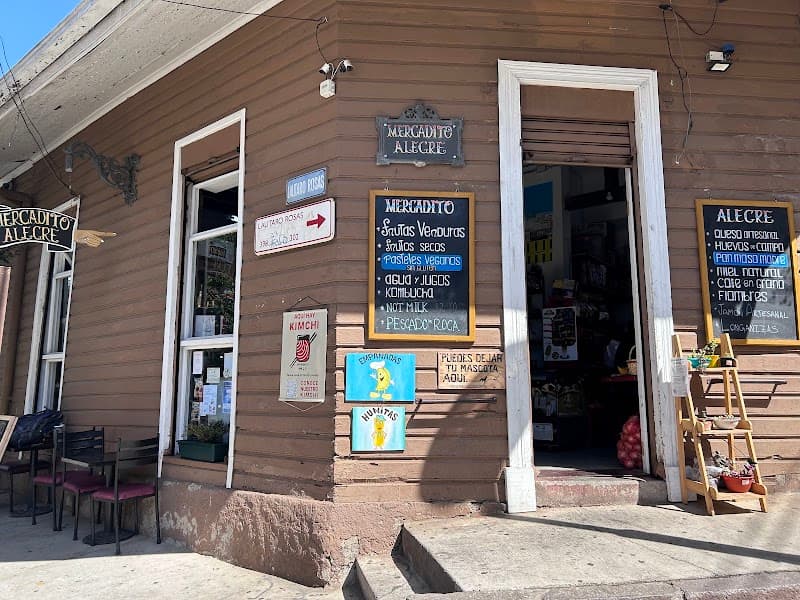
Wild Hills & Colorful Coasts: A Romantic Valparaíso Escape
Day Trip · $$$
Things to Do in Valparaíso
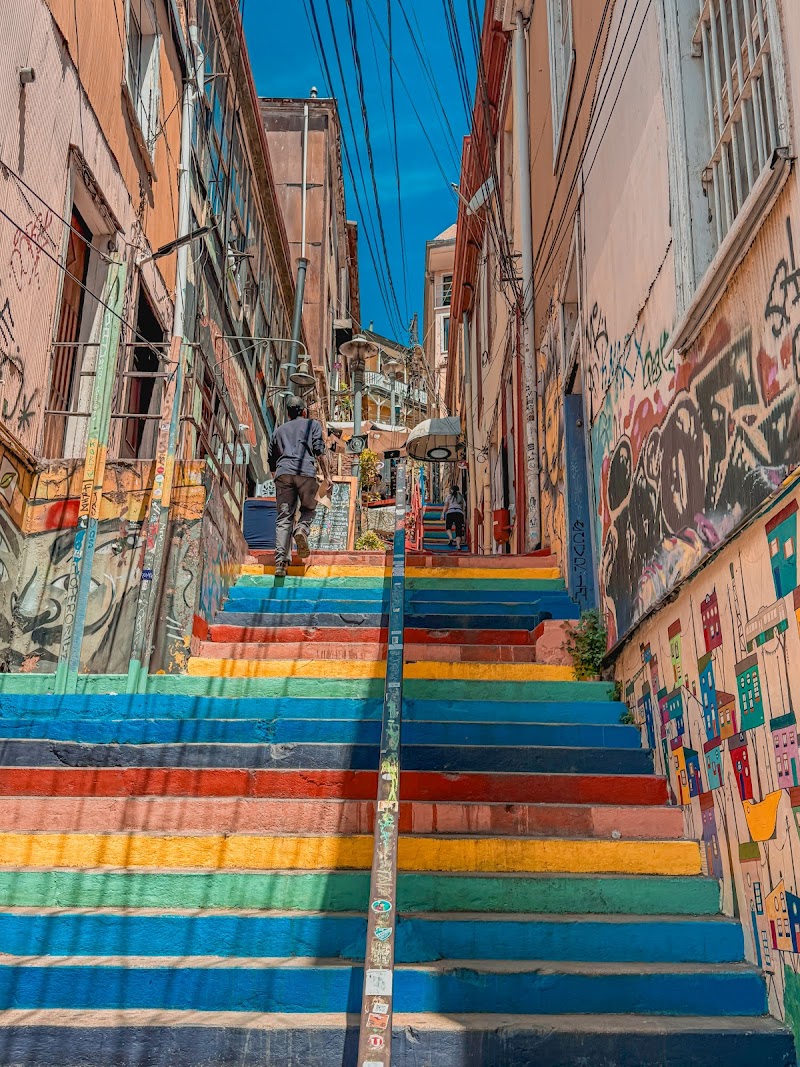
Cerro Alegre Street Art Walk
Cerro Alegre · 150 min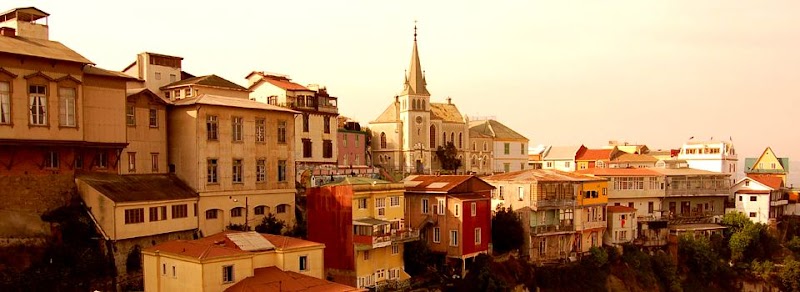
Cerro Concepción Miradors
Cerro Concepción · 90 min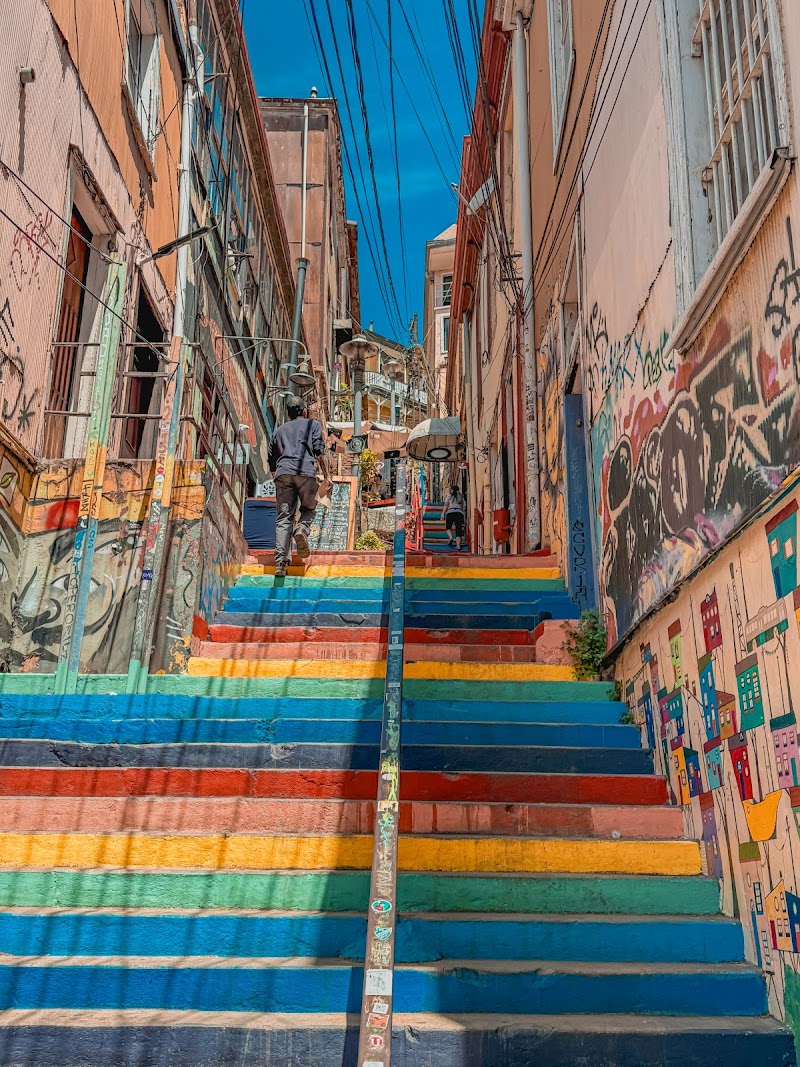
Valparaíso Premium Walking Tour (Cerro Alegre & Concepción)
Cerro Alegre / Concepción · 180 minMoney-Saving Tips
- 1.Eat at Mercado Cardonal for massive portions under $5 — the pescado frito feeds two people
- 2.Take funiculars instead of taxis up the hills — 300 pesos vs 3,000 pesos for the same trip
- 3.Buy wine at corner stores rather than restaurants — excellent bottles start at 3,000 pesos
- 4.Stay in El Plan (port area) for cheaper accommodation and easier transport access
- 5.Visit during shoulder seasons (April-May, September-October) for 30-40% lower hotel rates
Travel Tips
- •Download offline maps — GPS gets confused in the winding hillside streets
- •Carry cash — many small restaurants and bars don't accept cards
- •Pack layers — coastal weather changes dramatically throughout the day
- •Learn basic Spanish phrases — English isn't widely spoken outside tourist areas
- •Avoid displaying expensive items in certain neighborhoods, especially after dark
- •Book restaurants in advance on weekends — the good spots fill up fast
- •Wear comfortable walking shoes — you'll climb more stairs than you expect