
Baños
Ecuador's adventure capital nestled in volcanic valley paradise
Baños sits in a volcanic valley where the Andes meet the Amazon, and honestly? It's hard to find a more concentrated dose of adventure anywhere in South America. This small town of 20,000 people has turned adrenaline into an art form. You can swing off a cliff at Casa del Árbol in the morning, soak in volcanic hot springs by afternoon, and chase waterfalls until sunset. The backdrop is Tungurahua volcano, which occasionally reminds everyone it's still active with a gentle rumble or puff of ash. But that's part of the charm here – living on the edge, literally and figuratively.
Best Months
JAN · FEB · JUN · JUL · AUG · SEP · DEC
~24°C · moderate crowds
Culture & Context
VOLCANO-POWERED ADVENTURE TOWN
Baños de Agua Santa sits at the eastern edge of the Andes, straddling the line between highland Ecuador and the Amazon basin. The town exists almost entirely because of tourism. Hotel rooms genuinely outnumber homes here.
That's not a complaint — it's just context. Locals know what they're selling, and they're good at it. The economy runs on adrenaline tours, sugarcane candy, and thermal baths heated by an active volcano sitting right above the town.
Tungurahua last had a significant eruption in 2006, and as of 2024 it's on low-level monitoring with occasional gas emissions. The Ecuadorian Geophysics Institute watches it around the clock. The town is built on faith in that volcano, quite literally.
The Basílica de la Virgen de Agua Santa, the neo-Gothic church dominating the main plaza, is a pilgrimage site where locals credit the Virgin with protecting Baños from volcanic disaster. The votive offerings inside the church are genuinely moving — paintings and murals depicting near-miss accidents, floods, and eruptions that people believe they survived through divine intervention. That religious dimension coexists comfortably with the zip-line operators across the street.
The signature local sweet is melcocha, a thick sugarcane candy pulled by hand on street corners. You'll see vendors doing it on Calle Ambato — it's part performance, part product. Try it.
It's not subtle, but that's the point.
Local Customs
CASH FIRST, CAP REQUIRED
Bring a swimming cap to the hot springs — it's mandatory at Las Piscinas de la Virgen and most public baths. They sell them at the little shops across the road for about $0.50, but you'll pay slightly more if you buy at the entrance.
Don't skip this detail.. Cash is king outside the main tourist strip. ATMs exist but can run dry on weekends when domestic tourists flood in.
Pull money before Friday evening.. Visit midweek if you can. Locals from Quito and Ambato descend on weekends, and the lines at Casa del Árbol and Pailón del Diablo can get genuinely frustrating on a Saturday afternoon..
When booking adventure tours, stick to operators registered with Ecuador's Ministry of Tourism. Informal 'guides' advertised on hostel noticeboards sometimes skip insurance and certified equipment. Ask to see credentials..
Ecuador uses USD. No currency exchange required for most visitors. Prices in Baños are higher than in nearby Ambato or Puyo, but still lower than Quito..
The Tungurahua volcano is monitored 24/7 by IGEPN. If alert levels change from green to yellow or above, follow official government guidance. The town has practiced evacuations and knows the drill — trust the local response systems, not panic..
Ecuadorian mealtimes run late by North American standards. Lunch is the main meal, served roughly noon to 3pm. Dinner starts around 7–8pm.
Most restaurants near the plaza cater to tourist schedules, but local spots close earlier.
Safety
VERY SAFE, MONITORED ACTIVELY
Baños is one of the safest places in Ecuador for travelers. It's small, economically dependent on tourism (roughly 90% of residents), and runs active street monitoring with security cameras on the main roads. Violent crime against tourists is rare.
The center is actively patrolled — police presence is visible near Plaza Central and along Calle Ambato. During the day (6am–9pm), it's as relaxed as small-town Ecuador gets. At night, stick to well-lit main streets; dark side alleys after midnight deserve the same caution you'd apply anywhere.
The broader Ecuador safety picture is worth knowing: the US State Department has Ecuador at Level 2 (Exercise Increased Caution) as of October 2025, mostly due to gang violence concentrated in Guayaquil and coastal provinces. Baños and the central Andes (Cuenca, Cotopaxi, Quito's tourist areas) are explicitly listed as stable travel zones. The volcano is the other consideration — Tungurahua is active but currently on green (low) alert.
The Ecuadorian Geophysics Institute monitors it continuously. Follow their official alert system; don't rely on hostel rumors. For adventure activities, book with Ministry of Tourism-registered operators.
Rafting on the Pastaza River involves Class IV rapids — that's real, not marketing copy. Make sure guides have visible certifications. Carry a photocopy of your passport and leave the original in your hotel safe.
Pull ATM cash earlier in the week — machines can run dry on busy weekends.
Getting Around
WALKABLE, BUS-CONNECTED
Baños is easy to reach and easy to get around once you're there. From Quito, catch a bus at the Quitumbe terminal (southern Quito) — buses run every 30 minutes or so and the ride takes 3.5 to 4.
5 hours, costing $8–10. Look for signs saying 'Baños de Agua Santa.' The small bus station in Baños sits a few blocks from the main plaza.
From Guayaquil, buses run 7 times daily from the Terminal Terrestre — budget 5 to 6 hours. From Cuenca, you'll connect through Ambato. The town itself is compact and completely walkable.
Most hotels, restaurants, and tour agencies cluster within a 10-minute walk of the central plaza on Calle Ambato and Avenida Eloy Alfaro. Bike rental is the smartest way to do the Ruta de las Cascadas — rent for $5–10/day from any of the shops on Eloy Alfaro, ride mostly downhill east to Puyo past six waterfalls, and take the bus back. For Casa del Árbol (the swing), you can walk the 2–3km from town, take the local bus (tell the driver your destination), or book a shuttle through any tour operator.
Taxis are available and cheap for trips up to Runtún or the thermal baths. Uber doesn't operate in Baños — negotiate taxi prices before you get in.
Useful Phrases
Baños Itineraries
View all
7 Wild Days in Baños: Waterfalls, Jungle & Hot Springs
Week · $$$
Jungle Wild Weekender in Baños de Agua Santa
Weekend · $$$
7 Jungle-Wild Romantic Days in Baños de Agua Santa
Week · $$$
Wild Waterfalls & Jungle Romance in Baños
Weekend · $$$
7 Wild Days in Baños: Waterfalls, Jungle & Hot Springs
Week · $$$
Baños Jungle Wild: Family Waterfalls & Hot Springs Escape
Weekend · $$$
Things to Do in Baños
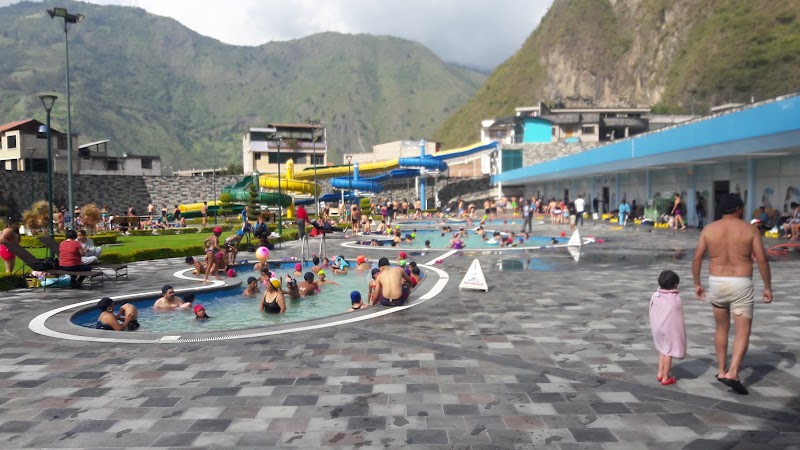
Termas de la Virgen (Hot Springs)
Centro Histórico / Termas area · 120 min
Self-guided Cycling on Ruta de las Cascadas (short version)
Baños to Río Verde corridor · 180 min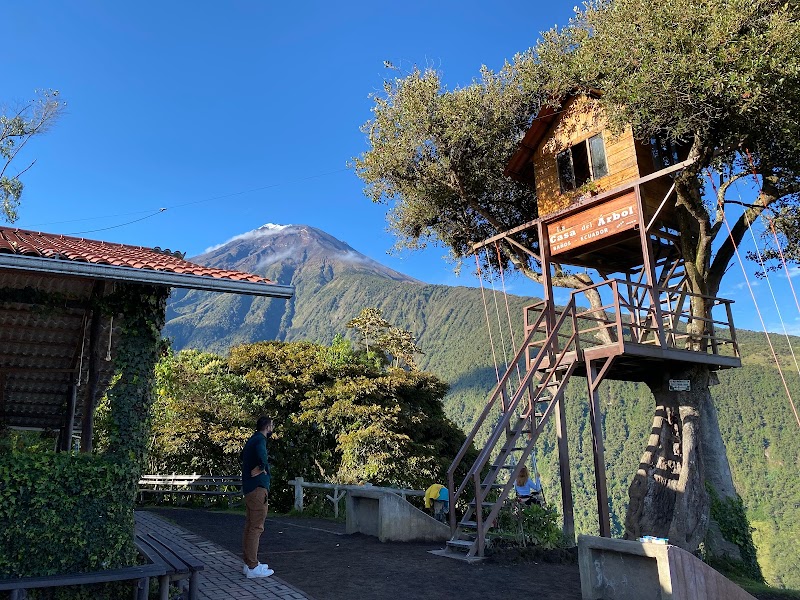
Casa del Árbol (Swing at the End of the World)
Casa del Árbol hillside · 150 minMoney-Saving Tips
- 1.Negotiate tour prices – operators quote high but often accept 20-30% less, especially for multi-day packages
- 2.Buy snacks and water at local stores, not from tour operators who mark up prices 200-300%
- 3.Many waterfalls along the Ruta de las Cascadas have free access – you don't need to pay for organized tours
- 4.Thermal baths cost $3-4 at public facilities vs $15-20 at fancy hotel spas – the water comes from the same source
- 5.Rent bikes for multiple days to get better daily rates – $4/day vs $5 for single days
- 6.Eat at local comedores (family restaurants) for $2-3 meals instead of tourist restaurants charging $8-12
- 7.Buy bus tickets directly at terminals rather than through hotels who add commission fees
Travel Tips
- •Pack layers – mornings are cool, afternoons warm, and mountain weather changes fast
- •Bring cash – many tour operators and small restaurants don't accept cards
- •Download offline maps – cell service gets spotty on mountain trails and waterfall routes
- •Start early for Casa del Árbol swing – lines get long after 10 AM, especially weekends
- •Check volcanic activity reports before booking – Tungurahua can restrict access to some areas
- •Wear good hiking boots – trails get muddy and slippery, especially near waterfalls
- •Book accommodations ahead during June-August peak season – the town fills up fast
- •Learn basic Spanish phrases – English isn't widely spoken outside tourist areas
- •Carry altitude sickness medication if coming from sea level – Baños sits at 5,900 feet