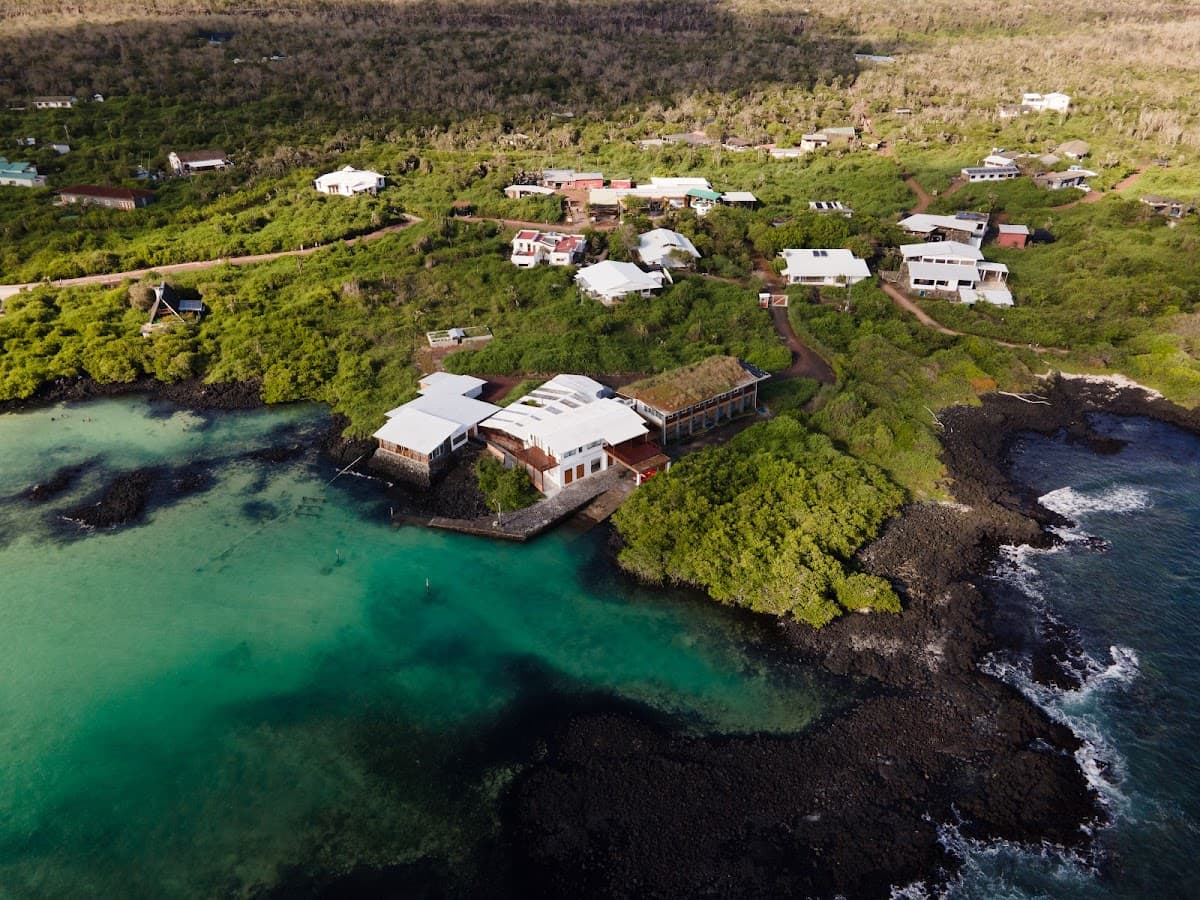
Galápagos Charles Darwin Station
Scientific sanctuary where evolution comes alive
The Charles Darwin Research Station sits on the edge of Puerto Ayora like a living museum where science meets wonder. Here, giant tortoises lumber across volcanic rock while researchers continue Darwin's work just steps from Academy Bay. It's not your typical tourist stop — this is where conservation happens in real time, where baby tortoises take their first steps, and where you can actually watch evolution in action.
Culture & Context
ROMAN RUINS MEET LENS & CANVAS
Arles sits at a genuinely strange and wonderful crossroads. It was "Little Rome" to the Romans themselves, and you can still feel that weight walking past a 2,000-year-old amphitheater on your way to a contemporary photography opening. The city's identity runs three deep: Roman antiquity (8 UNESCO World Heritage sites), Van Gogh's obsessive two-year residency from 1888–89, and a living Provençal folk culture tied to the Camargue cowboys, black bulls, and white horses just beyond the city limits. Add LUMA Arles, the Frank Gehry-designed arts complex that opened in 2021, and you have a place that keeps redefining itself without losing the original Roman bones. The pace is slow and deliberate — more wine-on-a-square than bar-crawl. Calmer than Marseille, less polished than Avignon, and honestly more interesting than both.
cultural_context_headline: ROME, VAN GOGH & CAMARGUE
Local Customs
Always say 'Bonjour' when entering a shop, café, or any business — skipping it reads as rude, not neutral.
It's the non-negotiable social lubricant of French daily life.. The aperitif hour is serious.
Locals gather from around 6–7pm for a pastis (the anise-flavored spirit, sometimes called 'le jaune') or glass of rosé before dinner. Sitting down for dinner at 6pm looks odd; 7:30–8pm is normal, later in summer.. The Saturday morning market stretches for over a mile through the city streets and is a genuine local institution — fresh produce, Provençal fabrics, lavender, charcuterie.
Arrive before 10am to avoid the worst crowds and get the best cheese.. Bullfighting is contested but real here. The Course Camarguaise (non-lethal bull games where 'raseteurs' snatch rosettes from bulls' horns) is distinct from Spanish-style corrida.
Both exist in Arles. Know which one you're attending and understand the emotional significance locals attach to this tradition before commenting.. Dress codes at restaurants are casual-smart in summer.
Provence doesn't do stuffy, but showing up in beachwear at a sit-down restaurant will get you looks.. The Fête du Costume in early July is one of the most culturally loaded events in the city — Arlésienne women parade in traditional silk dresses that are often family heirlooms. Watch respectfully; it's not a performance for tourists, it's a genuine living tradition..
Afternoons are slow. Don't expect shops to rush. Some close 12–2pm for lunch.
The city's rhythm is deliberately unhurried.
Safety
Generally low-risk.
The historic center is walkable day and night, and violent crime is rare. The real threat is pickpockets, especially in crowded festival spaces — the Amphitheater plaza, the Saturday market, and Les Rencontres d'Arles opening week all draw big crowds where bag-snatching happens. Use a crossbody bag, keep your phone in a front pocket, and you'll be fine. Stick to well-lit streets at night and avoid wandering solo into dimly lit alleys around La Roquette after midnight. If you're out late after a few glasses of rosé, a taxi is smarter than a dark shortcut. European emergency number is 112. Carry travel insurance — the nearest major hospital is in Arles itself (Centre Hospitalier d'Arles).
safety_headline: GENERALLY SAFE
Getting Around
WALK FIRST, TRAIN SECOND
The historic center is compact and best explored on foot — cobblestones are everywhere, so wear real shoes, not sandals. Nearly every major site (Amphitheater, Saint-Trophime, Espace Van Gogh, LUMA) is within 15 minutes of each other. Local buses connect the train station to residential areas and Alyscamps, running every 15–30 minutes (less frequent on Sundays). Buy tickets from the driver in cash or at a tabac. For getting TO Arles: trains from Marseille take about 45–60 minutes (roughly €32 round trip); from Avignon it's about 30 minutes (roughly €17 round trip). No airport in Arles — closest major one is Marseille Provence (MRS), about an hour by car. Rent a car for day trips to the Camargue or Les Baux-de-Provence; public transport out into those areas is thin.
transport_headline: WALKABLE CITY
Useful Phrases
Money-Saving Tips
- 1.Entry fee is only $10, making it one of the cheapest attractions in the expensive Galápagos
- 2.Bring your own water and snacks — the on-site café charges tourist prices
- 3.Free parking available, but most visitors walk from Puerto Ayora hotels
- 4.Gift shop books cost less than online shipping to most countries
- 5.Combine with free Academy Bay fish market visit in the same afternoon
Travel Tips
- •Visit early morning (7:30-9 AM) for cooler weather and smaller crowds
- •Wear closed-toe shoes — the volcanic rock trails can be rough
- •Bring a hat and sunscreen — limited shade on tortoise observation areas
- •Allow 2-3 hours if you want to read all the educational displays
- •Check feeding schedules at the entrance — baby tortoises eat at specific times
- •Photography allowed everywhere except active research zones
- •Bathrooms available at entrance and midway through the grounds
Frequently Asked Questions
BUILD YOUR
GALÁPAGOS CHARLES DARWIN STATION PLAN
Insider picks, smart timing, and a plan ready when you are.
Start Planning