
Otavalo
Indigenous market town beneath towering Andean peaks
Look, most people rush through Otavalo for the Saturday market and call it done. Big mistake. This indigenous Kichwa town sits at 8,200 feet, surrounded by volcanic peaks that'll make your Instagram followers question their life choices. The Plaza de Ponchos market is legendary, sure, but stick around and you'll find hot springs that locals actually use, crater lakes perfect for kayaking, and weavers who've been perfecting their craft for generations. Plus, your dollar stretches further here than almost anywhere else in Ecuador.
Best Months
JUN – SEP
~21°C · high crowds
Culture & Context
WEAVERS & GLOBAL TRADERS
Otavalo's Kichwa community is one of the most economically successful indigenous groups in South America. They built that success themselves, through weaving. Since at least pre-Inca times, Otavaleños have been producing textiles, and the 1964 Agrarian Reform Law finally let them profit from those skills directly.
Today, men still wear the traditional dark blue poncho, wide-brimmed felt hat, and long braided hair. Women wear white embroidered blouses, layered wool skirts, and gold bead necklaces. This isn't a costume — it's daily life.
Many families in surrounding villages like Peguche and Agato still weave on backstrap and foot looms and sell directly at the market. And here's the thing: the Otavalos are also globally connected traders who have sold their crafts internationally for decades. Don't mistake traditional dress for insularity.
These are sharp businesspeople who know exactly what their work is worth.
Local Customs
ASK BEFORE YOU PHOTOGRAPH
Always ask before photographing anyone — especially older women and children. A small tip is often appreciated, or make a purchase first. The community takes this seriously..
Bargain at the market, but keep it friendly. Aggressive haggling kills the vibe fast. Laughing and chatting your way to a deal works far better than a hard-nosed approach..
Kichwa is the first language in many surrounding communities. Even a few words earns genuine warmth from locals.. During Inti Raymi, the private community celebrations in outlying villages are for locals.
Only attend with a direct invitation from someone who lives there — no showing up uninvited to 'witness' rituals.. Ecuador runs on 'hora ecuatoriana' for social gatherings — arriving 15–30 minutes late to a casual meetup is normal. But for booked tours or market-day buses, be on time..
The animal market on Saturday mornings starts around 6:30–7:00 AM on the outskirts of town. It's a real livestock market, not a tourist attraction. Be respectful if you visit..
Tap water is not safe to drink in Otavalo. Stick to bottled water.. At the market, bring small bills — $5s, $10s, $20s.
Vendors genuinely struggle with $50s and will often refuse $100 bills outright.
Safety
SAFE BY DAY, TAXI AT NIGHT
Otavalo is genuinely safer than most major Ecuadorian cities. Walk around town and use your camera without too much anxiety during the day. That said, the Saturday market draws crowds, and pickpockets work crowds.
Keep valuables in a front pocket or a bag worn across the chest. After dark, stick to the well-lit town center streets and take a taxi rather than walking to outlying areas. The road up to Parque Condor (about 4 km from town) has been flagged by hostel owners as less safe to walk — take a taxi for $2–3 instead.
Stray dogs are common throughout the town, especially at night. The Peguche waterfall trail is generally fine during the day, but don't go alone after dusk.
Getting Around
WALKABLE, BUSES FROM QUITO
Buses from Quito's Terminal Carcelén run to Otavalo every 20 minutes or so, cost $2.50–3 each way, and take about 2 to 2.5 hours along the Pan-American Highway.
Buy your return ticket when you arrive on Saturday — buses back fill up fast by afternoon. From the Otavalo bus terminal, a taxi to Plaza de Ponchos costs around $1. Within town, everything is walkable.
To reach Peguche waterfall, you can walk 40–45 minutes along the old railway tracks from town, or grab a taxi for a couple of dollars. Cuicocha Crater Lake is about 30 minutes away by car — hire a taxi or join a day tour. Mojanda Lakes take about 45 minutes on an unpaved road and are best done with a driver or guide.
Day tours from Quito covering Otavalo, Cotacachi, and Cuicocha run $50–100 and include transport both ways.
Useful Phrases
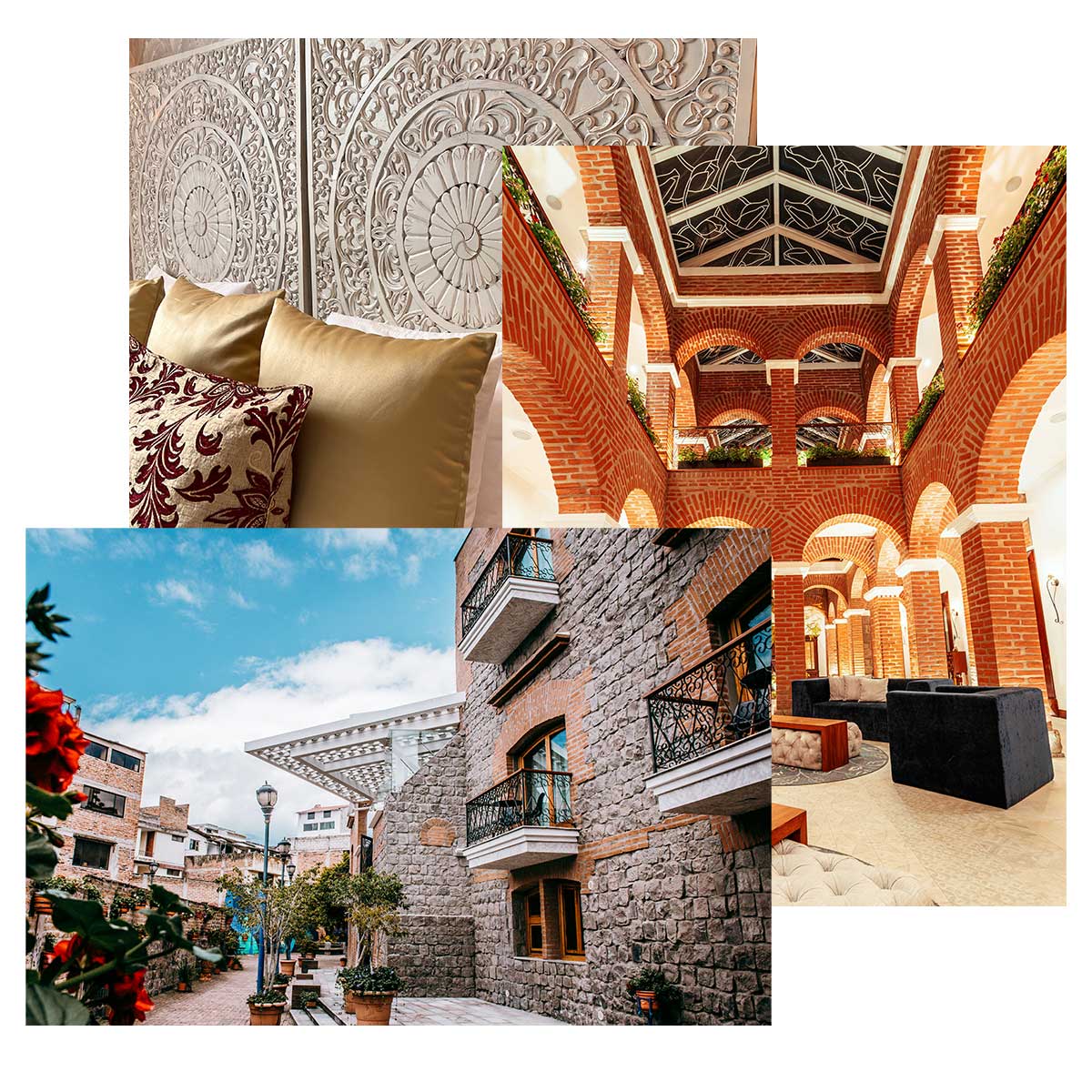
Where to Stay in Otavalo
1 recommended properties
Money-Saving Tips
- 1.Saturday market prices drop 50% after 3pm when vendors want to clear inventory
- 2.Eat at Mercado 24 de Mayo instead of plaza restaurants - same food, quarter the price
- 3.Share taxis to day trip destinations - drivers charge per trip, not per person
- 4.Buy directly from weavers in surrounding villages to skip market markups
- 5.Stay Sunday through Thursday when hotel rates drop by 30-40%
Travel Tips
- •Bring cash - most vendors don't accept cards and ATMs run empty on market days
- •Pack layers - mornings start freezing, afternoons get warm, evenings turn cold again
- •Learn basic Spanish numbers for market negotiations - vendors respect the effort
- •Arrive at thermal springs before 4pm when tour groups leave and locals arrive
- •Book accommodation ahead for Saturday nights - the town fills up completely