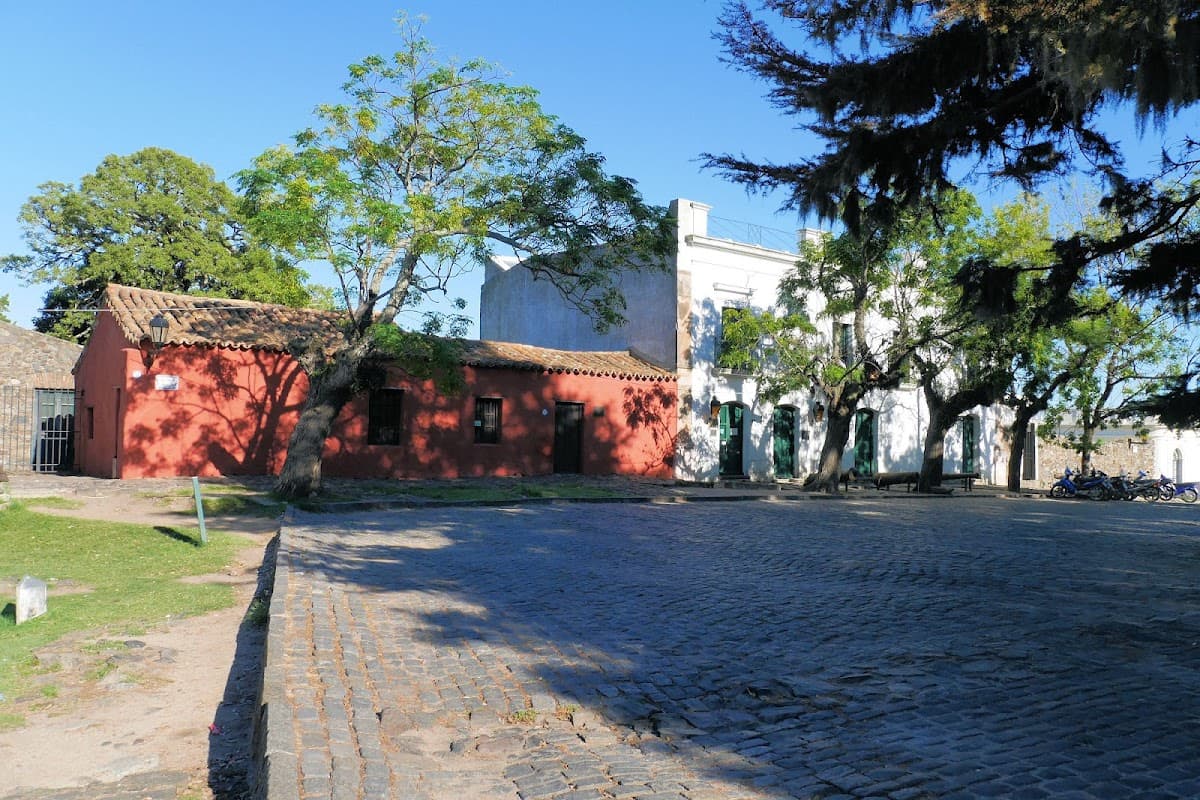
Colonia del Sacramento
Uruguay's Portuguese Colonial Gem on the Rio de la Plata
Just an hour from Buenos Aires by ferry, Colonia del Sacramento feels like stepping into a Portuguese colonial dream. This UNESCO World Heritage town sits quietly on the Rio de la Plata's shore, where cobblestone streets lead to candlelit restaurants and 17th-century walls frame perfect sunsets.
Look, it's not going to wow you with museums or nightlife. But if you want to hold hands on ancient ramparts while watching the sun dip behind Buenos Aires' skyline, this is your place. The Barrio Histórico spans just four blocks, but those blocks pack centuries of Portuguese and Spanish colonial architecture into a walking tour that takes maybe two hours if you're rushing.
Here's what makes Colonia special: it's genuinely relaxed. Locals sip mate on park benches. Restaurants don't hurry you. And the ferry connection means you can easily combine it with Buenos Aires for a perfect River Plate experience.
Best Months
JAN · FEB · MAR · APR · OCT · NOV · DEC
~25°C · moderate crowds
Culture & Context
PORTUGUESE MEETS SPANISH WALLS
Colonia del Sacramento is Uruguay's oldest city, founded by the Portuguese in 1680 on a peninsula jutting into the Río de la Plata. For over a century it changed hands between Portugal and Spain — sometimes violently — before becoming part of independent Uruguay in 1825. That tug-of-war left a fascinating architectural fingerprint: winding, terrain-following Portuguese streets inside the old walls, and a grid-pattern Spanish-colonial layout outside them.
The whole historic quarter (Barrio Histórico) was designated a UNESCO World Heritage Site in 1995. Today the town has about 26,000 residents, but swells massively on weekends when Argentines hop the ferry for a quick escape. Many Argentines have actually bought vacation homes here.
The vibe is slow, warm, and slightly faded in the best way — think peeling pastel walls, vintage VW Beetles parked under jacaranda trees, and dogs that cheerfully attach themselves to passing tourists. Mate culture is everywhere. You'll see people of all ages walking around with a thermos under one arm and a gourd in hand.
If a local offers you mate, accept it — it's a genuine gesture of welcome.
Local Customs
MATE & BESO CULTURE
Mate is serious business. Uruguayans carry their thermos and gourd (bombilla) everywhere. If offered mate in a social setting, drink all the liquid until you hear a sucking sound, then pass the gourd back to the cebador (the person preparing it).
Saying 'gracias' while passing it back means you're done — don't say it if you want another round.. Greeting strangers with a light kiss on the cheek (un beso) is normal — for both men and women — even on first meetings in social situations. Men typically shake hands with each other..
Siesta hours are real. Many shops and some restaurants close between roughly 1pm and 4pm. Plan your sightseeing or shopping around this, especially in summer..
Tipping is customary: 10% at restaurants, rounding up taxi fares. Note that many restaurants will back out the VAT from your bill, so your final total is often less than the menu price suggests.. Time operates on a relaxed schedule.
Arriving 15-30 minutes late to a social dinner is perfectly normal and even expected. Don't stress about rigid timing for casual plans.. Say 'buen provecho' (enjoy your meal) to other diners around you, including strangers — it's polite and expected in dining settings..
The town attracts a LOT of Argentine day-trippers, especially on weekends. If you want a quieter Colonia, come on a weekday or stay overnight — the atmosphere after the tour groups leave on the last ferry is completely different.. Uruguayans call themselves 'orientales' (easterners) — a reference to their position east of the Uruguay River.
It's a point of quiet national pride.
Safety
WATCH PICKPOCKETS, COBBLESTONES
Colonia del Sacramento is considered one of the safest cities in Uruguay and safe by South American standards generally. That said, the usual travel common sense applies: watch for pickpockets at tourist hotspots (particularly on Calle de los Suspiros and around the ferry terminal on busy weekend days), don't flash expensive cameras or phones unnecessarily, and avoid walking alone in quieter areas late at night. The residential neighborhoods north of the historic center are perfectly fine during the day.
Emergency number in Uruguay is 911. There are stray dogs throughout the historic quarter — most are friendly and will walk with you, but a small number can be territorial, so give them space. The cobblestone streets are genuinely uneven and can be ankle-roll hazards, especially on slopes near the river — wear actual walking shoes, not sandals or flip-flops.
If arriving by ferry during peak season (December–March, Easter week), the terminal can get chaotic with long immigration lines — arrive early and be patient.
Getting Around
FERRY FROM BUENOS AIRES
The main way most visitors arrive is by ferry from Buenos Aires. Two operators serve the route in 2026: Buquebus (premium, slightly more expensive) and Colonia Express (competitive pricing). The fast crossing takes about 1 hour 15 minutes.
Cheapest tickets start around €50 one way. Book in advance for summer months (December–March) and holiday weekends — ferries fill up. A new electric ferry called China Zorrilla, operated by Buquebus, is scheduled to begin service in 2026, carrying up to 2,100 passengers and 225 vehicles across the river on battery power.
From Montevideo, buses run regularly via Turil and COT from Tres Cruces terminal — the ride is about 3 hours and tickets should be bought a day ahead in high season. From the ferry terminal in Colonia, the historic center is just a 10-minute walk. Within the city: walking is king for the historic quarter.
Local buses run roughly 7am–9pm with fares around 30–40 UYU (~$1 USD) for venturing into other neighborhoods. Taxis run 150–200 UYU (~$4–5 USD) for a short ride. Bike rentals are widely available from shops and some hotels — though note the cobblestone streets in the historic center make cycling bumpy.
Golf cart rentals are a popular tourist option, starting around USD $67, and are worth it for exploring Real de San Carlos and the beaches north of town. A valid passport is required for the Buenos Aires–Colonia ferry crossing — it's an international route and both Argentine exit and Uruguayan entry are processed at the terminals.
Useful Phrases
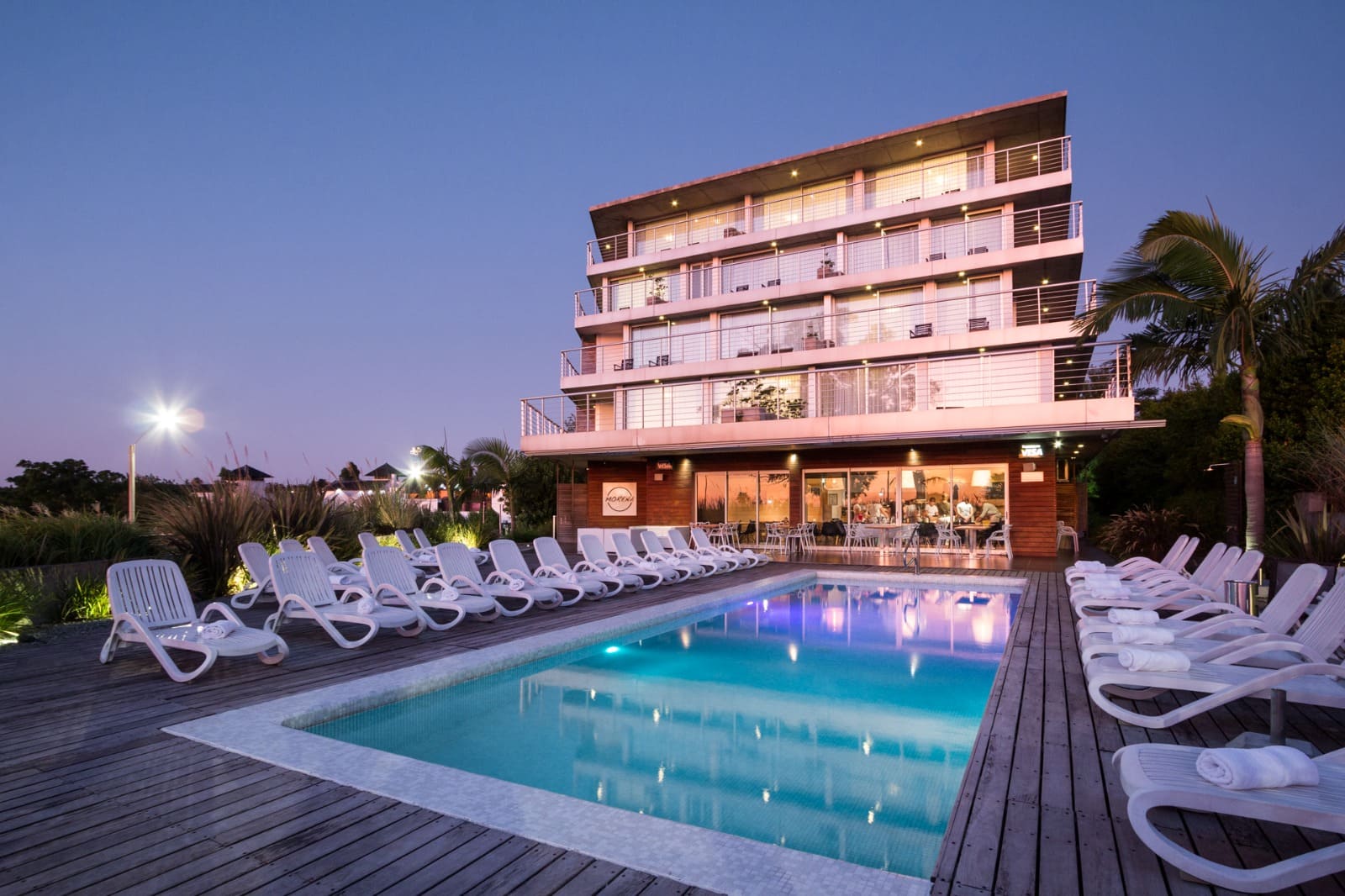
Where to Stay in Colonia del Sacramento
1 recommended properties
Money-Saving Tips
- 1.Argentine pesos are widely accepted, often at better rates than official exchange
- 2.Many restaurants offer lunch menus for $12-15 USD, much cheaper than dinner
- 3.Ferry tickets from Buenos Aires cost less when booked online in advance
- 4.Local wine at restaurants costs half what you'd pay for the same bottle in Buenos Aires
- 5.Walking tours are free - just tip your guide at the end
Travel Tips
- •Bring comfortable walking shoes - those cobblestones are unforgiving
- •Pack layers even in summer - river winds can be surprisingly cool
- •Learn basic Spanish phrases - English isn't widely spoken outside hotels
- •Visit the lighthouse before sunset for the best photos of the historic quarter
- •Keep your ferry ticket - you'll need it to re-enter Argentina
Frequently Asked Questions
Explore Colonia del Sacramento
BUILD YOUR
COLONIA DEL SACRAMENTO PLAN
Insider picks, smart timing, and a plan ready when you are.
Start Planning