Punta del Este
South America's glamorous Riviera meets bohemian beach culture
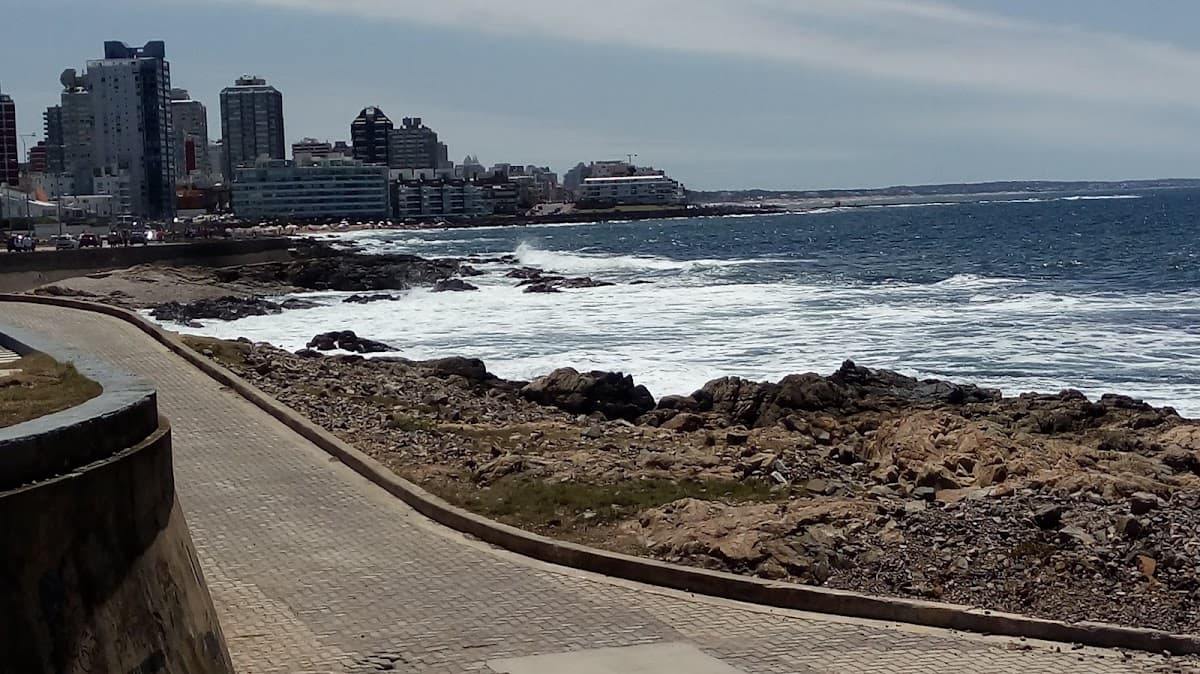
Punta del Este sits on Uruguay's southern coast like a perfectly curated Instagram feed come to life. This is where Argentine millionaires park their yachts next to bohemian artists selling sculptures on the beach. You'll find Michelin-worthy restaurants serving fresh sea bass steps from street vendors grilling choripán for $3. The peninsula splits the Rio de la Plata from the Atlantic Ocean, creating two distinct coastlines with completely different personalities. Playa Mansa on the west stays calm and family-friendly, while Playa Brava on the east churns with surfers and beach clubs that don't close until sunrise.
Best Months
JAN · FEB · MAR · DEC
~26°C · peak crowds
Culture & Context
SOUTH AMERICAN HAMPTONS
Punta del Este sits on a narrow peninsula in southeastern Uruguay, with the calm Río de la Plata on one side (Playa Mansa) and the full force of the Atlantic on the other (Playa Brava). The town's permanent population is roughly 10,000 people. Come December, that number explodes past 500,000 as Argentines and Brazilians flood across the border.
That contrast is everything you need to understand about this place. It's South America's answer to the Hamptons, and it knows it. Don't expect local authenticity in peak season.
But the quality of the grass-fed beef, the art scene, and the sheer spectacle of the coast? Legitimate. The food scene punches at a 9/10 level for fine dining in South America, built on Uruguayan beef that's grass-fed, hormone-free, and cooked over wood-fired parrillas with near-religious attention to detail.
Expect $25–50 per person for a full asado with sides and wine at a mid-range parrilla. Off-season (April through November), most of the resort infrastructure closes. The town becomes a quiet, genuinely local place.
That version of Punta is almost impossible to find in the brochures, but it exists.
Local Customs
MATE & LATE DINNERS
Mate is everywhere. Uruguayans carry thermoses and share mate constantly. Don't refuse if offered — it's a bonding gesture, not just a drink..
Mealtimes run late. Lunch is around 1–2pm, dinner rarely before 9pm. Restaurants often don't get going until 10pm in summer..
Tipping isn't mandatory but 10% is appreciated in restaurants. In fancy spots during high season, 10–15% is expected.. Uruguayans say 'll' and 'y' with a 'sh' sound — so 'playa' sounds like 'plasha.
' Don't be caught off guard by the accent.. Asado (barbecue) is a cultural institution. If a local invites you to one, say yes.
It can last four or five hours and that's entirely the point.. Sundays slow everything down significantly, even in summer. Plan grocery runs and bank errands for weekday mornings..
The chivito — a stacked sandwich of steak, ham, mozzarella, egg, olives, and peppers — is Uruguay's national sandwich. Order one at least once.
Safety
PETTY CRIME IN CROWDS
Uruguay consistently ranks as one of the safest countries in Latin America, and Punta del Este is considered safe by any reasonable standard. Expats walk around alone at night without major concerns. The main issue during peak summer season is petty crime — pickpocketing and bag snatching in crowded tourist areas like Playa Brava, the Port, bus terminals, and Gorlero Avenue.
The Peninsula, La Barra, and the Mansa and Brava shorelines are well-patrolled and well-lit. Off-season, some areas feel genuinely empty and isolated — stay aware on deserted beaches after dark during the shoulder months. Women traveling alone should choose buildings with a doorman (portero) and avoid isolated streets late at night in the off-season.
Standard travel insurance is always worth having. No specific vaccinations are required for entry. Uruguay's healthcare system has both public and private options, and private clinics in Punta del Este are solid.
The sun intensity in summer is serious — high-SPF sunscreen and reapplication are not optional.
Getting Around
RENT CAR, WALK PENINSULA
The nearest dedicated airport is Punta del Este (PDP), with seasonal flights from Buenos Aires and São Paulo running in summer. Year-round, your best bet is to fly into Montevideo (MVD) and take a bus or drive the 2-hour route on excellent highways. The bus from Montevideo costs around $15 USD and takes about 2.
5 hours. From Buenos Aires, you can take the Buquebus ferry to Colonia del Sacramento (1 hour) and then bus to Punta (3.5 hours total) for a scenic approach, or take the direct ferry to Montevideo ($60–100 USD, 2.
5 hours) and connect from there. Once in Punta, a rental car at $35–50/day is almost essential if you want to explore beyond the peninsula — José Ignacio is a 30-minute drive and has almost no public transport. Uber operates but coverage outside the peninsula is inconsistent.
Local bus tickets cost about $1.40 USD, and a monthly pass runs $51 USD. The peninsula itself is walkable.
Internet speeds average 145 Mbps and eSIM plans from providers like LATAM Travellers start around $3.88 for 7 days of coverage across Punta del Este and Montevideo.
Useful Phrases
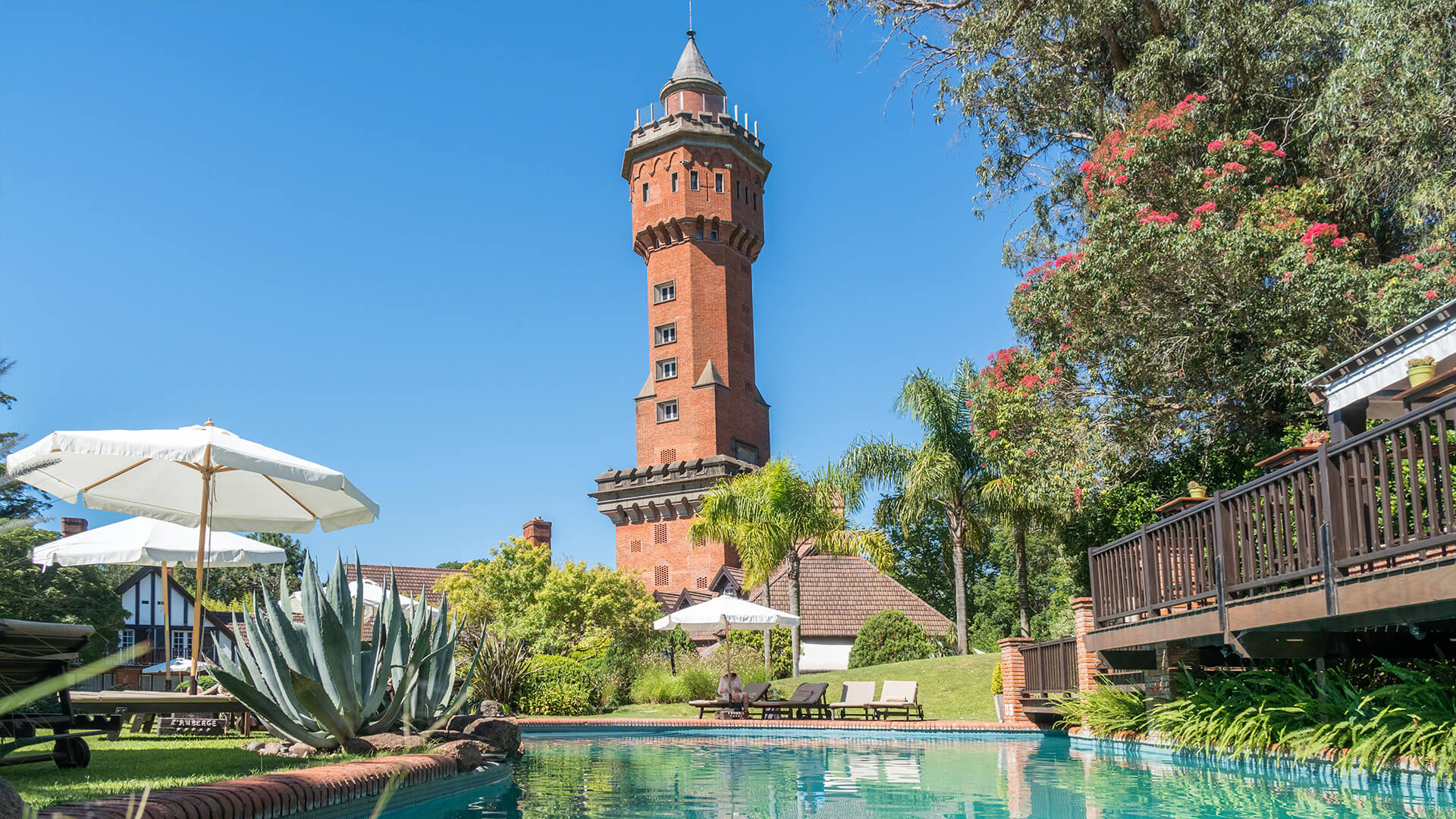
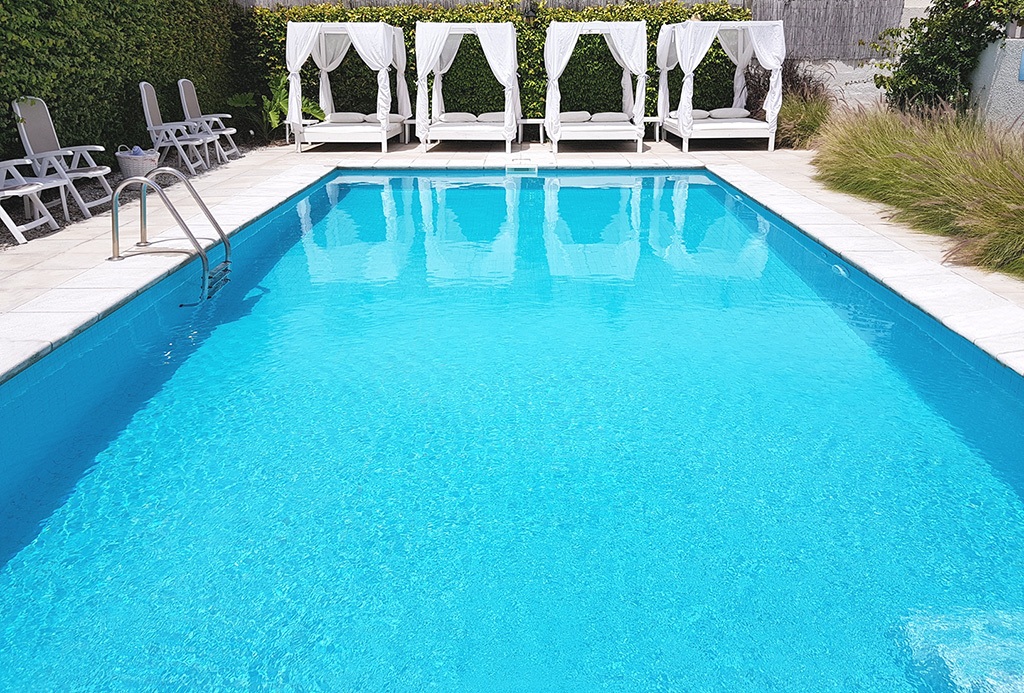
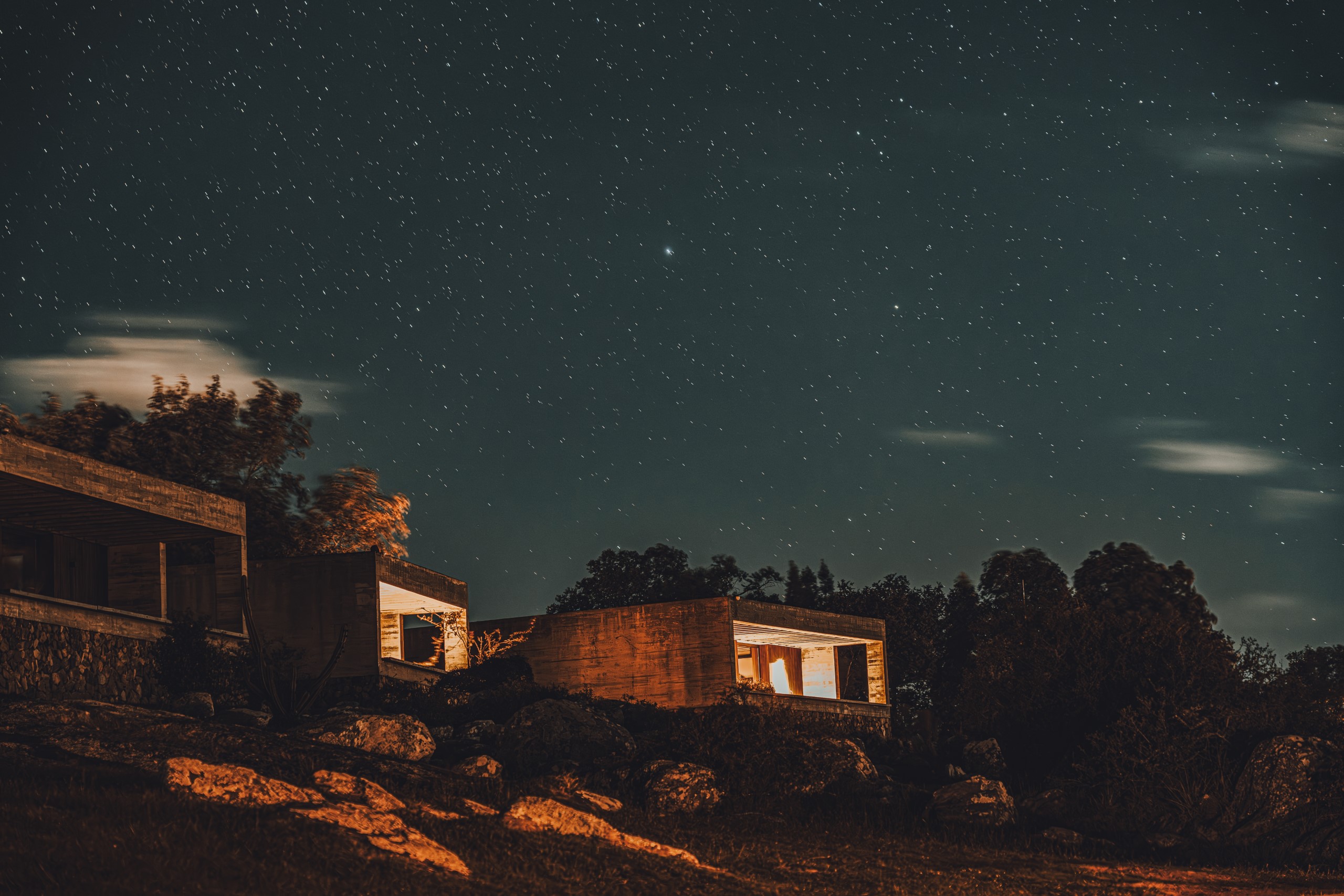
Where to Stay in Punta del Este
3 recommended properties
Money-Saving Tips
- 1.Visit in March or April when hotel prices drop 40% but weather stays warm
- 2.Buy groceries at Tienda Inglesa or Ta-Ta supermarkets instead of eating every meal out
- 3.Rent bikes ($15/day) instead of taxis for short trips around Peninsula Centro
- 4.Pack sunscreen from home - beach shops charge $20+ for basic SPF
- 5.Eat lunch at parrillas instead of dinner - same food, 30% cheaper prices
- 6.Book accommodations with kitchen access to save on breakfast costs
- 7.Use COT buses ($2) between beach towns instead of taxis ($25+)
- 8.Buy wine directly from vineyards like Bodega Garzón for better prices than restaurants
Travel Tips
- •Bring a universal adapter - Uruguay uses European-style plugs
- •Download offline maps - cell service gets spotty between beach towns
- •Pack layers for evening - ocean breezes cool things down after sunset
- •Make restaurant reservations 2-3 days ahead in December and January
- •Rent a car with GPS - street signs can be unclear outside main areas
- •Carry cash - many beach vendors and small restaurants don't accept cards
- •Learn basic Spanish phrases - English isn't widely spoken outside luxury hotels
- •Book accommodations early for New Year's week - everything fills up by October
Frequently Asked Questions
Explore Punta del Este
BUILD YOUR
PUNTA DEL ESTE PLAN
Insider picks, smart timing, and a plan ready when you are.
Start Planning