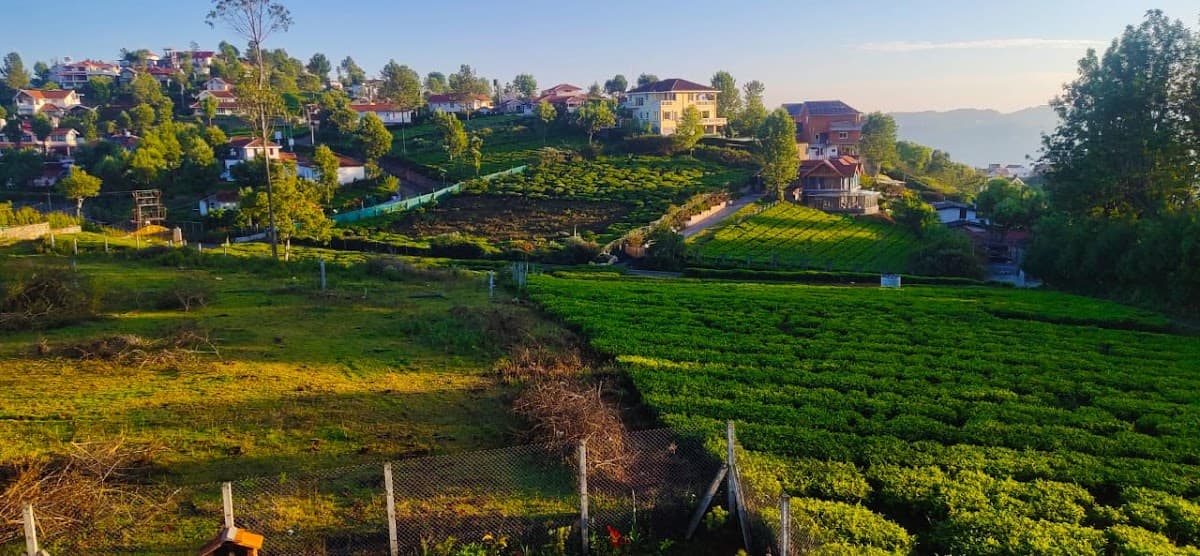
Tamil Nadu
Ancient temples meet vibrant culture in South India
Tamil Nadu doesn't try to impress you with flashy marketing campaigns. It just exists, magnificently, with thousand-year-old temples that still pulse with daily worship and street food that'll ruin you for everywhere else. This is South India at its most authentic — where classical dance performances happen in village squares, where every meal comes with at least four different chutneys, and where you can spend weeks temple-hopping without hitting the same architectural style twice. Sure, the summer heat can be brutal and the crowds at major temples overwhelming. But stick around past the initial culture shock, and Tamil Nadu reveals itself as one of India's most rewarding states for curious travelers.
Itineraries coming soon
We're working on adding amazing itineraries for Tamil Nadu. In the meantime, try the app to create your own!
Money-Saving Tips
- 1.Temple entry is usually free, but camera fees can add up quickly at ₹50-100 per temple
- 2.Government buses cost under ₹2 per 100km - they're crowded but incredibly cheap
- 3.Eat at local 'meals' restaurants for full South Indian thalis under ₹100 ($1.20)
- 4.Stay in heritage hotels during off-season (April-June) for 50% discounts despite the heat
- 5.Buy silk sarees directly from weavers in Kanchipuram rather than tourist shops
- 6.Book train tickets in advance - last-minute fares can be 3x more expensive
- 7.Temple towns often have free or very cheap accommodation in dharamshalas (pilgrim lodges)
Travel Tips
- •Remove shoes before entering any temple - carry socks to protect your feet from hot stone floors
- •Learn basic Tamil greetings - locals appreciate the effort and it opens doors
- •Temple dress codes are strict: cover shoulders and knees, no leather items allowed inside
- •Carry cash - many smaller temples and local restaurants don't accept cards
- •Download offline maps - GPS can be unreliable in rural temple towns
- •Book accommodation in advance during festival seasons and winter months
- •Try to visit major temples early morning (6-8 AM) to avoid crowds and heat
- •Respect photography restrictions - many temple interiors prohibit cameras entirely
Frequently Asked Questions
Explore Tamil Nadu
Ready to explore Tamil Nadu?
Get a personalized itinerary in seconds with Takeoff.
Free on iOS. No credit card required.