Texas Hill Country
Rolling hills, wildflowers and cowboy culture
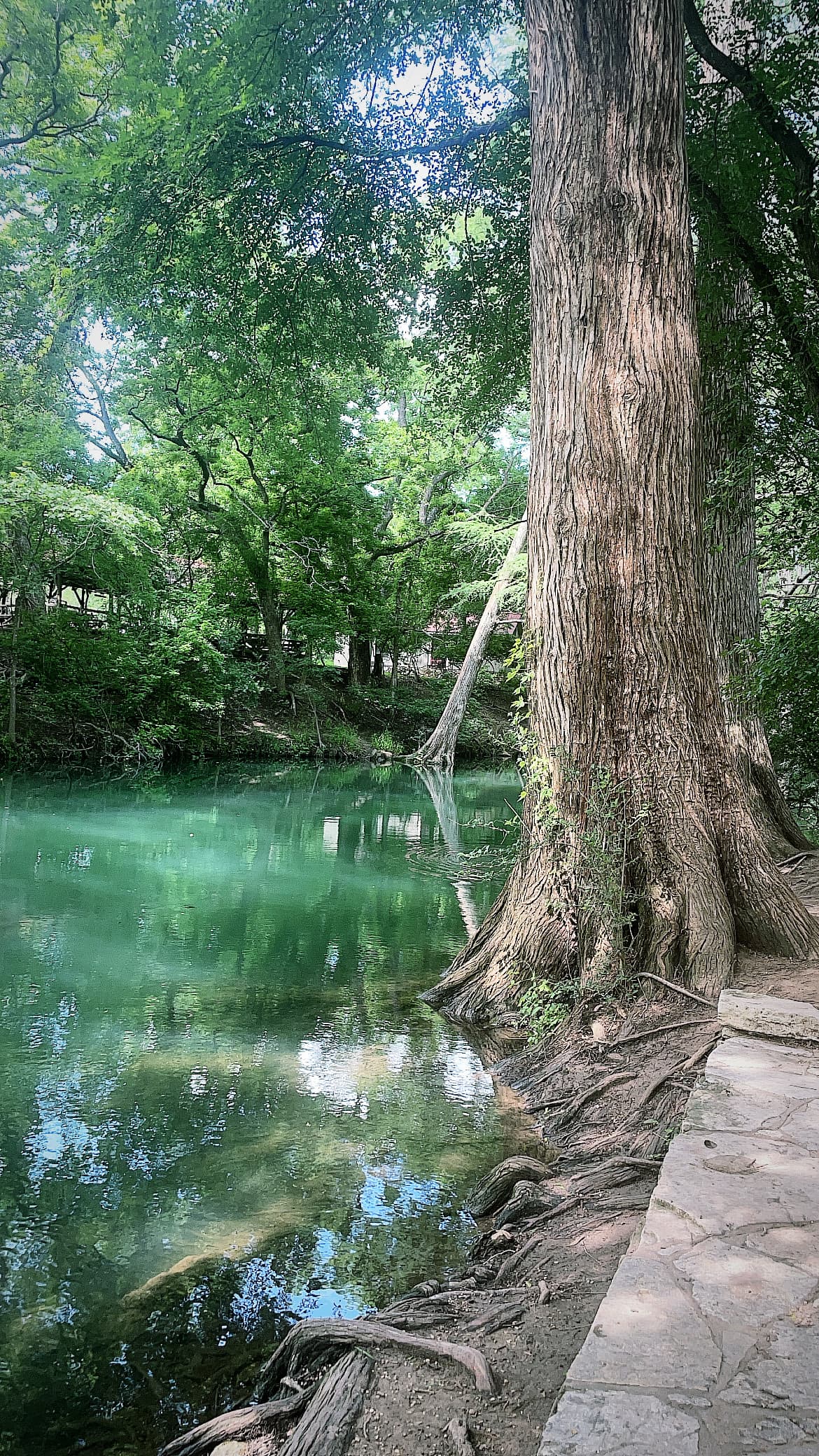
The Texas Hill Country unfolds like a secret Texas keeps from the rest of the world. Rolling limestone hills dotted with oak trees stretch for miles, broken up by spring-fed rivers and German-settled towns that still serve schnitzel alongside brisket. Come spring, bluebonnets carpet entire hillsides in a blue so intense it looks painted on. But here's what most people don't know: this region produces some seriously good wine, and the barbecue rivals anything you'll find in Austin. The Hill Country runs roughly from San Antonio north to Austin and west toward Kerrville, covering about 25,000 square miles of Central Texas. It's cowboy culture mixed with German heritage, craft breweries next to century-old dance halls, and enough scenic drives to keep your Instagram feed happy for months.
Itineraries coming soon
We're working on adding amazing itineraries for Texas Hill Country. In the meantime, try the app to create your own!
Money-Saving Tips
- 1.Visit wineries on weekdays for cheaper tasting fees and smaller crowds - many charge $5-10 less per person Monday through Thursday
- 2.Stay in New Braunfels or San Marcos instead of Fredericksburg during peak season - you'll save $50-100 per night and it's only a 30-minute drive
- 3.Pack lunches for state parks like Enchanted Rock - the concession stands charge $12 for a basic sandwich
- 4.Buy wildflower maps at gas stations for $3 instead of paying $15 for guided tours that hit the same spots
- 5.Camp at Garner State Park for $25/night instead of paying $200+ for Hill Country cabins during wildflower season
Travel Tips
- •Download offline maps before exploring ranch roads - cell service disappears quickly outside main towns
- •Bring cash for many BBQ joints and small-town businesses that don't accept cards
- •Start wine tasting early (10am) to beat afternoon crowds and heat, especially in summer
- •Check river levels before planning water activities - spring rains can make swimming dangerous
- •Book dinner reservations in Fredericksburg by 2pm on weekends or you'll be eating gas station snacks
- •Wear closed-toe shoes for cave tours at Natural Bridge Caverns - the rocks are slippery and sharp
- •Fill up your gas tank in larger towns - some ranch roads go 40+ miles between stations
Frequently Asked Questions
Explore Texas Hill Country
BUILD YOUR
TEXAS HILL COUNTRY PLAN
Insider picks, smart timing, and a plan ready when you are.
Start Planning