Tulum
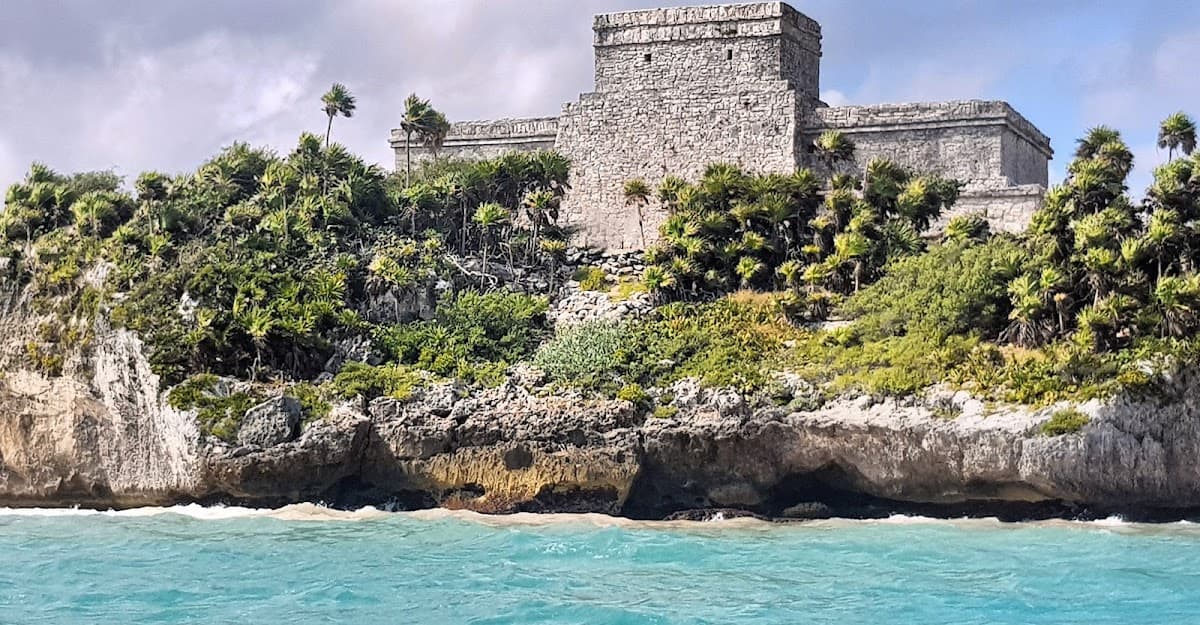
Ancient Mayan ruins overlook pristine Caribbean beaches perfectly
Picture this: 13th-century Mayan ruins perched on limestone cliffs, turquoise Caribbean waters lapping white sand beaches below, and a jungle backdrop that feels like stepping into a dream. That's Tulum in a nutshell. But here's what makes this place special beyond the Instagram shots – it's somehow managed to balance ancient mystique with modern wellness culture without losing its soul. Sure, it's gotten more expensive and crowded since the pandemic, but early morning at El Castillo or sunset at Playa Paraíso still stops you in your tracks. The town splits into three distinct areas: the beach zone with its eco-luxury hotels, the pueblo where locals actually live and eat, and the ruins that started it all. Come for the history, stay for the cenotes, and leave planning your next visit.
Best Months
JAN · FEB · MAR · APR · NOV · DEC
~30°C · peak crowds
Culture & Context
RUINS MEETS WELLNESS SPRAWL
Tulum is a Mayan port city turned global party and wellness destination, and that tension is very much alive. The ruins sitting above the Caribbean are from an actual working city — one of the last major Mayan sites built, prominent between the 13th and 15th centuries — and having a beach club 500 meters away from them says everything about how this place operates. Local Mayan communities still live in the surrounding villages and Yucatec Maya is a living language spoken by over 800,000 people across the Yucatán Peninsula.
Respect for the natural environment is genuinely embedded in local culture, not just a marketing angle. The Sian Ka'an Biosphere Reserve covers a huge swath of land south of the hotel zone and protects it from development. But development pressure is intense, and residents in neighborhoods like La Veleta and Tumben Kaa have raised alarms about environmental issues like mosquito surges during rainy season.
The crowd that comes to Tulum leans international and heavily toward the wellness-tech-creative world — digital nomads, festival-goers, yoga practitioners. The locals who actually grew up here have a complicated relationship with all of it. Tipping well, shopping at local markets, and making any effort with Spanish goes a long way.
Local Customs
TIP 10-15%, COVER UP
Tip 10–15% in restaurants — service staff rely on it. Locals sometimes tip less, but as a visitor, rounding up is the right move.. Say 'buen provecho' (bon pro-VEH-cho) when walking into or out of a restaurant.
It means 'enjoy your meal' and you'll get warm smiles in return.. Always agree on the taxi fare BEFORE you get in. No meters exist here.
Ask your hotel what a fair price to your destination should be so you don't get quoted triple.. Cover up your swimsuit when walking in town. Beachwear stays at the beach — walking around Pueblo in a bikini marks you immediately as someone who doesn't know the culture..
At the Tulum ruins and any religious site, cover shoulders and knees. It's a real archaeological zone, not a photo backdrop.. Embrace 'hora mexicana' — Mexican time.
Things start late. Dinner at 9pm is normal. Stressing about a restaurant not opening on time is a losing battle..
Plastic is genuinely frowned upon here. Many venues have already eliminated single-use plastics. Bring a reusable water bottle..
Don't climb or touch structures at the ruins. It damages them and you'll be asked to leave.. Bargaining is acceptable at local markets and craft stalls, but not at restaurants or established shops.
Read the room.. If a vendor approaches you on the beach offering tours or services, a polite but firm 'no, gracias' is all you need. Don't engage with a long explanation — it prolongs the interaction.
Safety
TAXIS & COMMON SENSE
Tulum is generally safe for tourists. The U.S.
State Department rates Quintana Roo at Level 2 — the same as France, Italy, and Spain. That context matters. The realistic risks are petty theft, scooter accidents, and taxi overcharging — not violence targeting tourists.
The biggest practical safety issue is transportation. Uber, DiDi, and all ride-sharing apps are blocked by the local taxi union as of 2026, and that's unlikely to change. Only use taxis with official signage and ID displayed.
Always negotiate the fare before getting in — no meters exist here. A short ride within Pueblo runs around 100 MXN ($5 USD); beach-to-downtown can hit $20–60 USD depending on time of day. Festival nights near Zamna are the worst — taxis from the venue can charge $100–150 USD.
Pre-book a private driver for those nights. Scooter accidents are the single biggest danger for tourists. The beach road is narrow, busy, and full of inexperienced riders.
Wear a helmet. Photograph your scooter before taking it — scratch scams are common, where rental shops charge for damage that was already there. Don't walk on unlit jungle roads alone at night.
Stick to main streets in Pueblo and well-lit beach road areas after dark. Most safety incidents happen after midnight. Keep your phone in a crossbody bag in crowds.
Bike theft is common — always lock up. Don't buy drugs. The violence you read about in the news is cartel-on-cartel and not targeted at tourists, but getting near any part of that situation removes all your safety margin instantly.
Emergency number is 911. The nearest major hospital is Hospiten in Cancún, about 90 minutes away. Get travel insurance that covers evacuation.
Getting Around
BIKES & COLECTIVOS
Tulum is split into two main areas — Pueblo (downtown) and the Zona Hotelera (beach zone) — connected by Avenida Cobá, a road that takes 20–45 minutes to traverse by car because it's narrow and frequently jammed. Plan for this gap in every decision you make about where to stay. Bikes are the most practical daily transport for short distances.
Rental shops are everywhere in Pueblo, running around $8–12 USD/day. The ride from downtown to the beach takes 15–20 minutes. You'll sweat, but it's doable and saves constant taxi negotiations.
Colectivos are the local shared minivans and the cheapest motorized option in Tulum — around 15–20 MXN (under $1 USD) per ride. In Pueblo, catch one on Avenida Tulum by standing at the roadside and flagging one down. Shout "bajan!
" (BAH-han) when you want to get off. They run key routes including toward the ruins (north beaches) and toward Playa del Carmen. No set schedule — you wait and they come.
Carry small change; drivers often claim they have none. Taxis are available 24/7 and don't use meters. Agree on the price before getting in — every time, no exceptions.
A short Pueblo ride runs around 100 MXN ($5 USD). Beach road to downtown is $5–10 USD in the day and can double at night. There are two taxi stands in the town center with posted fixed fares.
On festival nights, pre-book a private driver. From Cancún airport, the ADO bus is the budget option at around $20 USD, dropping you at Tulum's bus terminal — then a colectivo or short taxi gets you to your hotel. Private transfers from CUN run $150–300 USD per vehicle.
The new TQO airport (Felipe Carrillo Puerto) now has domestic and select international flights, which cuts the Cancún trip entirely if your airline flies there. No Uber. No Didi.
That is not changing.
Useful Phrases
Tulum Itineraries
View all
Three Slow, Elegant Days in Cultural Tulum
Weekend · $$
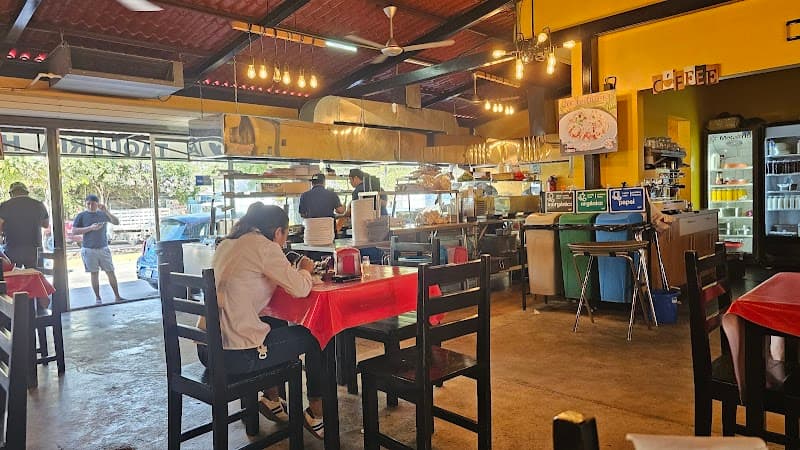
Slow-Play Tulum: Beach, Bites, and Nightlife
Weekend · $$$
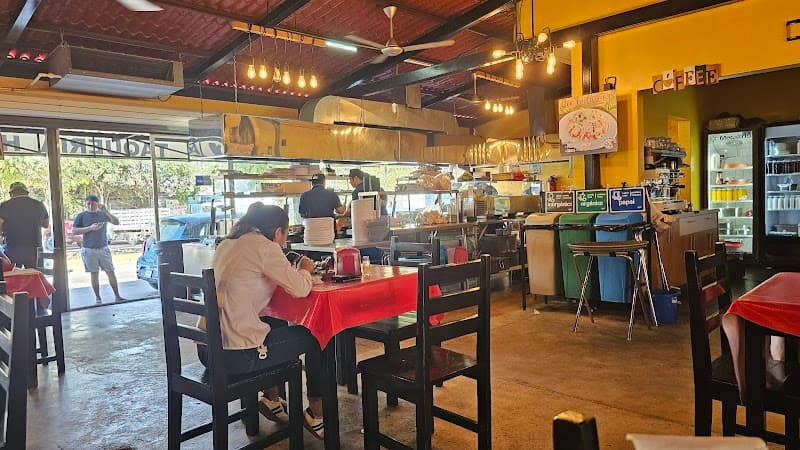
Four Days of Tulum: Ruins, Reef, Nightlife, and Coastal Comfort
Weekend · $$
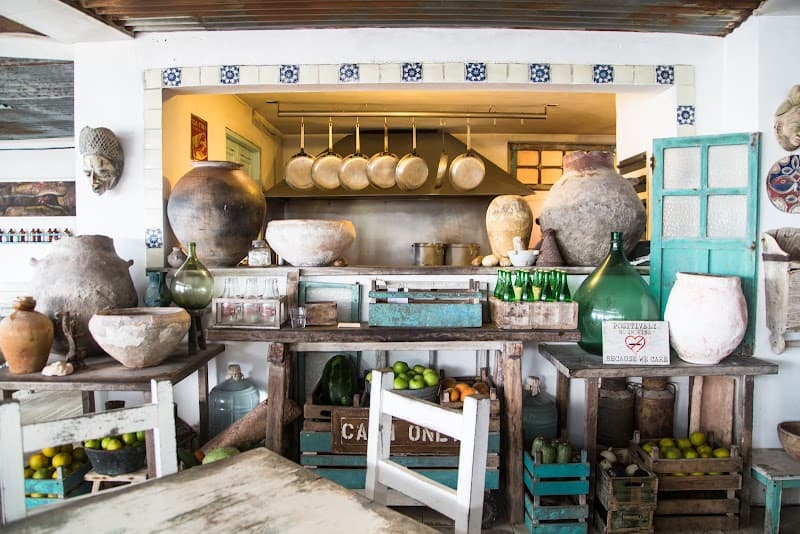
One Perfect Cultural Day in Tulum
Weekend · $$$$
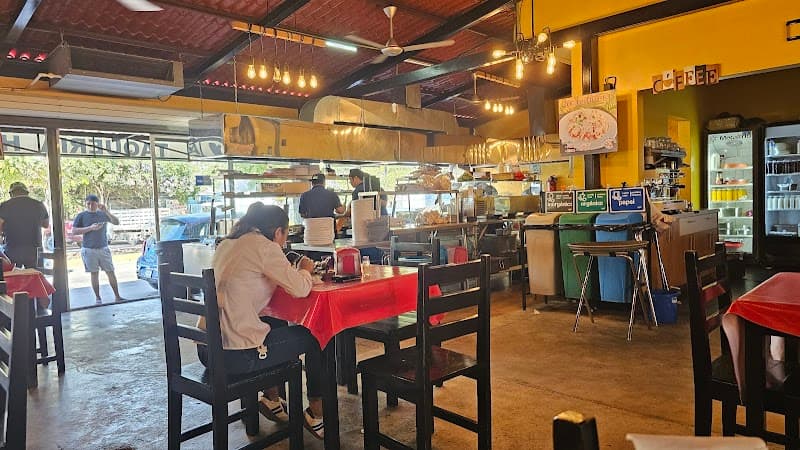
Tulum In A Day: Ruins, Beach, and Tacos with Ease
Weekend · $$$
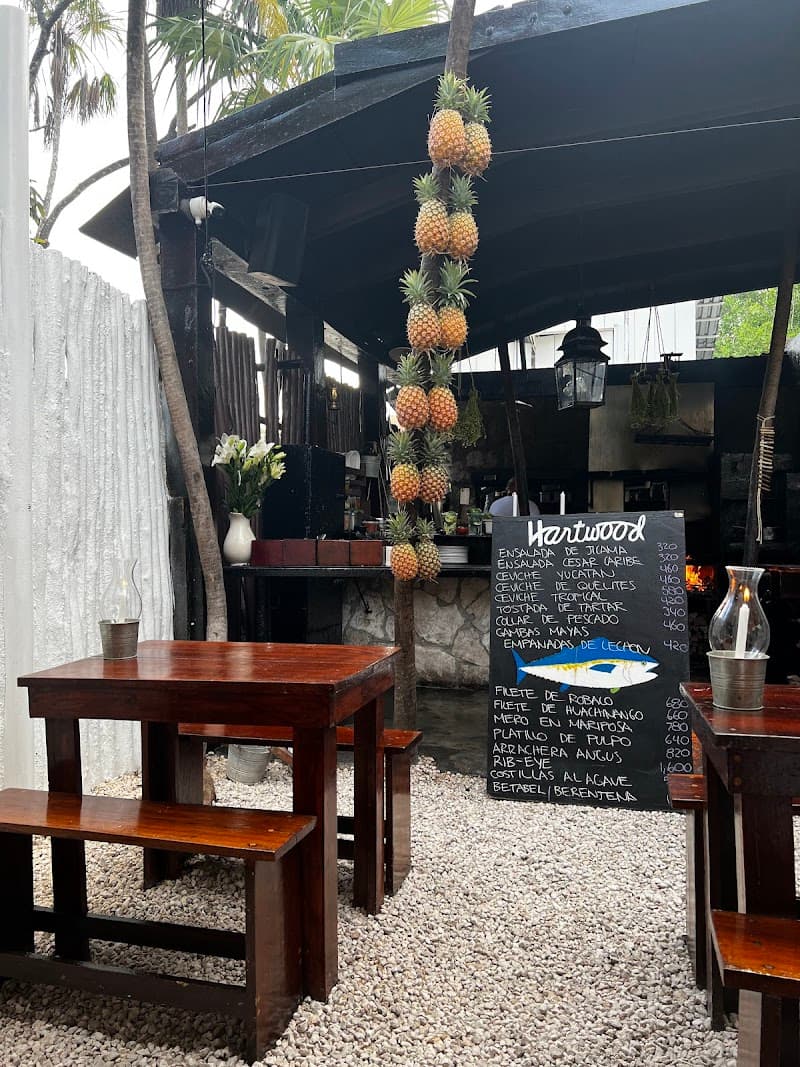
Bohemian Tulum Romance: Ruins, Cenotes & Starlit Nights
Weekend · $$$
Things to Do in Tulum
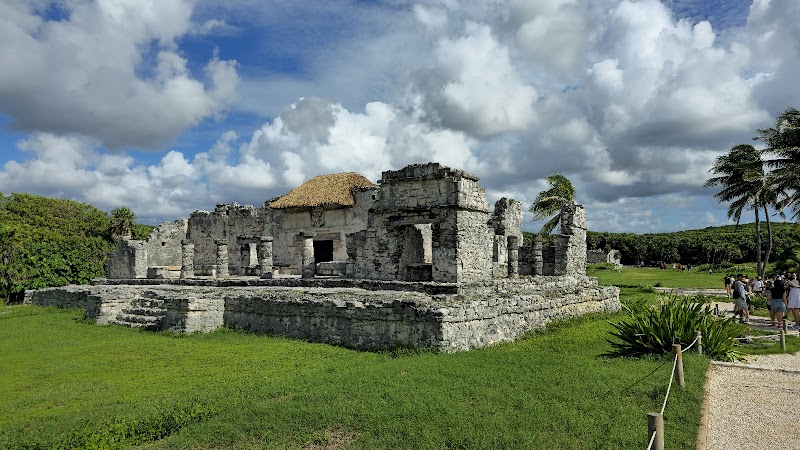
Tulum Ruins Archaeological Site
120 min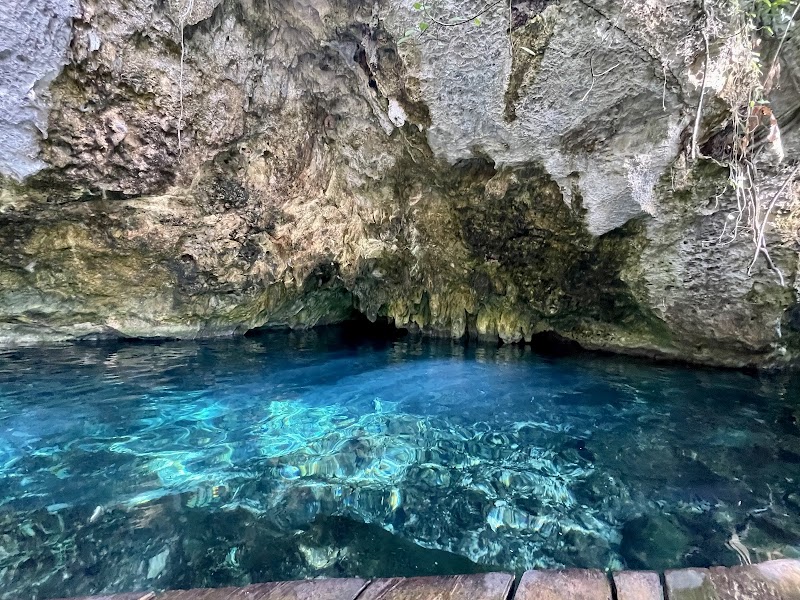
Gran Cenote (Cenote Grande)
120 min
Bahia Principe Luxury Akumal - Fitness Activities & Water Aerobics
90 minMoney-Saving Tips
- 1.Stay in Tulum Pueblo instead of the beach zone to save $200+ per night on accommodations
- 2.Eat at local taquerías like Antojitos La Chiapaneca where tacos cost 15 pesos instead of $8 at beach clubs
- 3.Buy groceries at Chedraui or Soriana in town – beach zone minimarts charge 3x normal prices
- 4.Take colectivos (35 pesos) instead of taxis (150-200 pesos) between pueblo and beach
- 5.Book cenote tours directly with operators instead of through hotels to avoid 30-50% markup
- 6.Visit during shoulder season (May-June, September-October) for 50% lower hotel rates
- 7.Rent bikes for 200 pesos/day instead of taxis for short trips around town
Travel Tips
- •Arrive at Tulum ruins by 8am to beat crowds and heat – it gets unbearably packed after 10am
- •Bring reef-safe sunscreen – regular sunscreen is banned at cenotes and can result in hefty fines
- •Download offline maps – cell service is spotty in jungle areas and cenote access roads
- •Pack cash in pesos – many cenotes, local restaurants, and bike rentals don't accept cards
- •Book popular restaurants like Hartwood weeks in advance, especially during high season
- •Rent a car if planning multiple cenote visits – public transport to remote cenotes is limited
- •Stay hydrated and bring electrolyte supplements – the humidity and heat can be intense
- •Respect the 'no photos' signs at sacred cenotes – locals take this seriously