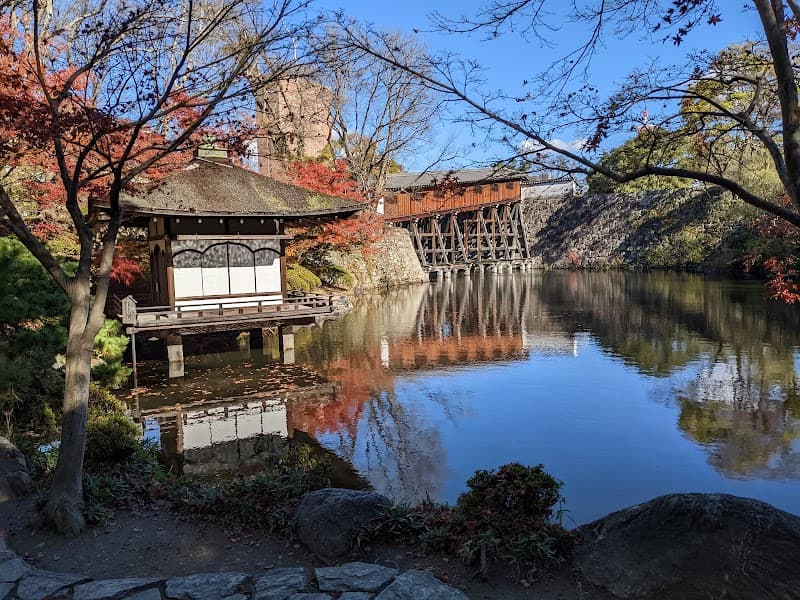
Wakayama
Sacred mountains and hot springs in Japan's spiritual heartland
Forget the crowds of Kyoto. Wakayama sits quietly in the Kii Peninsula, holding some of Japan's most sacred sites like a secret you're lucky to know about. This is where Buddhist monks have meditated for over 1,200 years on Mount Koya, where hot springs bubble up from ancient volcanic activity, and where the Kumano Kodo pilgrimage trails wind through misty cedar forests. You won't find tour buses clogging the streets here. Instead, you'll discover temple lodgings where you wake to the sound of morning prayers, onsen that locals have been soaking in for generations, and mountain paths that feel like stepping into a Studio Ghibli film. The pace is slower, the spirituality is real, and the natural beauty hits different when you're not fighting selfie sticks for the perfect shot.
Best Months
MAR · APR · MAY · SEP · OCT · NOV
~22°C · moderate crowds
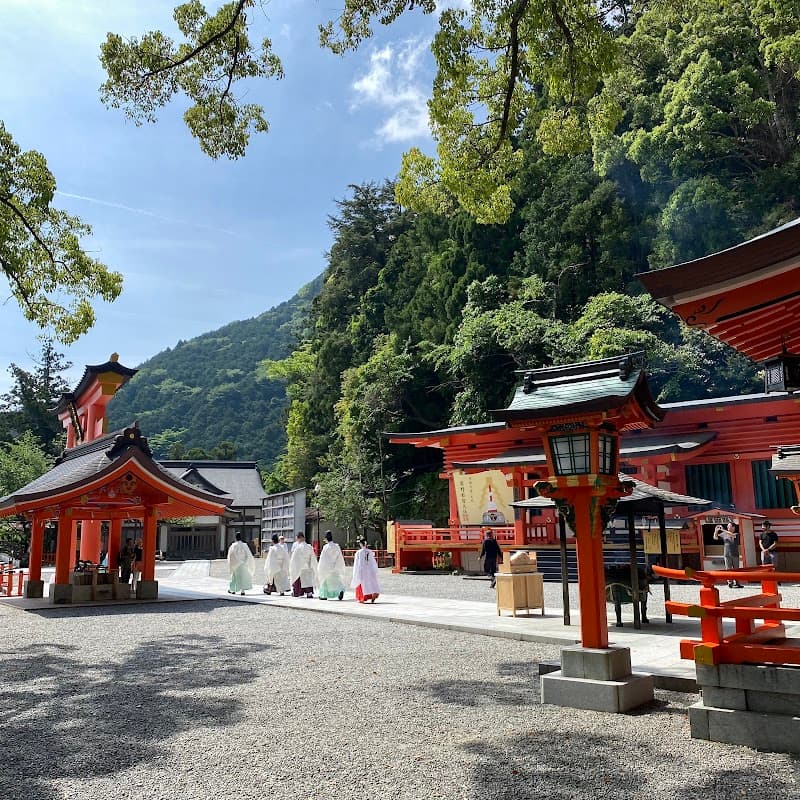
Things to Do in Wakayama
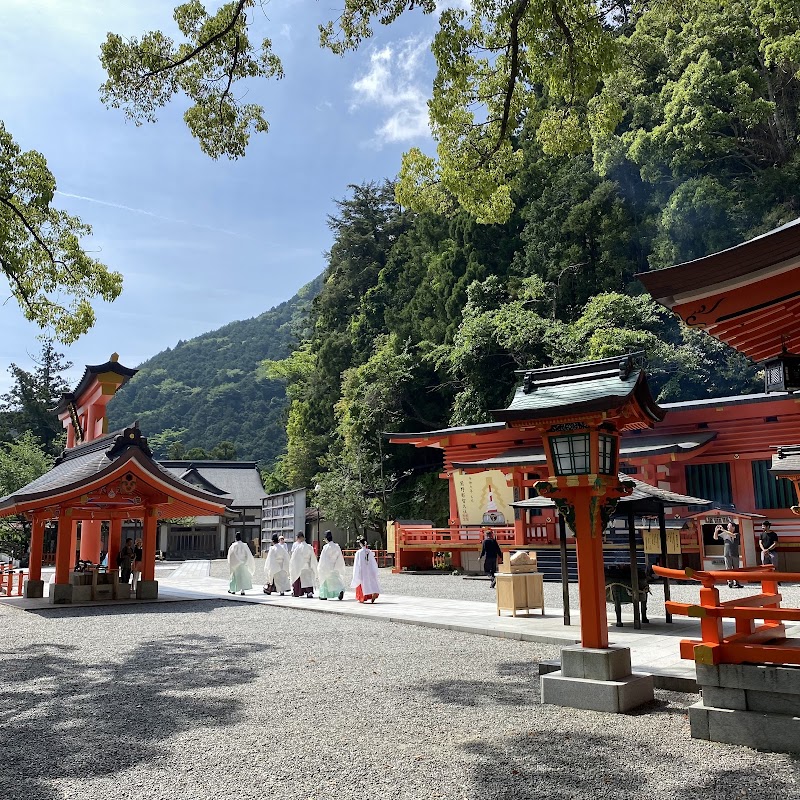
Kumano Nachi Taisha & Nachi Falls
180 min
Shirahama Beach & Adventure World
240 min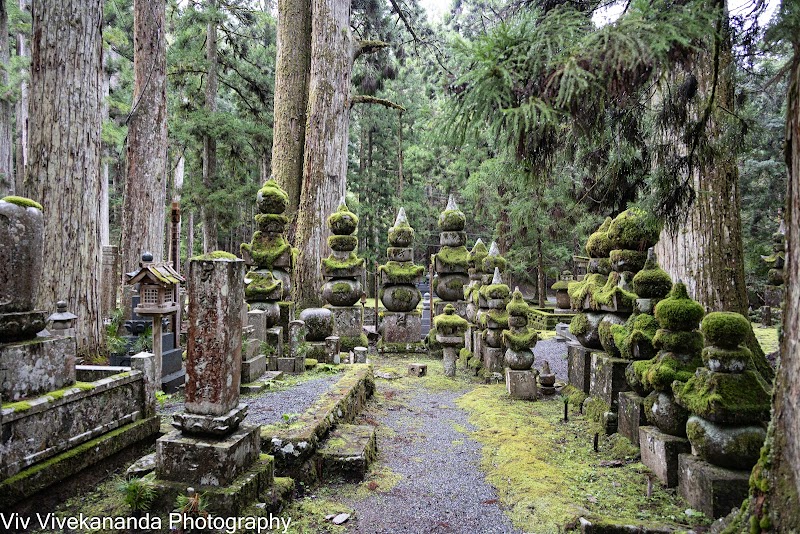
Koyasan Okunoin Cemetery
120 minMoney-Saving Tips
- 1.Temple lodgings (shukubo) include two meals and are often cheaper than hotels when you factor in food costs
- 2.The Koyasan World Heritage Ticket saves ¥500+ versus buying individual train and cable car tickets
- 3.Public hot springs cost ¥300-500 versus ¥3,000+ at resort hotels
- 4.Convenience store meals work fine for lunch while hiking - onigiri costs ¥150 versus ¥1,500 restaurant meals
- 5.JR Pass holders ride the Kuroshio Limited Express to southern Wakayama for free
- 6.Bicycle rental at ¥500/day beats taxi fares in Wakayama City
- 7.Local sake and plum wine cost half the price at shops versus restaurants
Travel Tips
- •Book temple lodgings 2-3 months ahead, especially for fall foliage season
- •Pack layers even in summer - Mount Koya gets cold at night year-round
- •Download offline maps before hiking Kumano Kodo trails - cell service is spotty
- •Bring cash - many temples and mountain shops don't accept cards
- •Learn basic onsen etiquette before visiting hot springs - wash thoroughly before entering baths
- •Temple stays include wake-up calls for morning prayers around 6 AM - it's optional but worth experiencing
- •Rent a car for southern Wakayama - public transport is limited outside major routes
- •Buy plum products directly from farms for better prices and quality