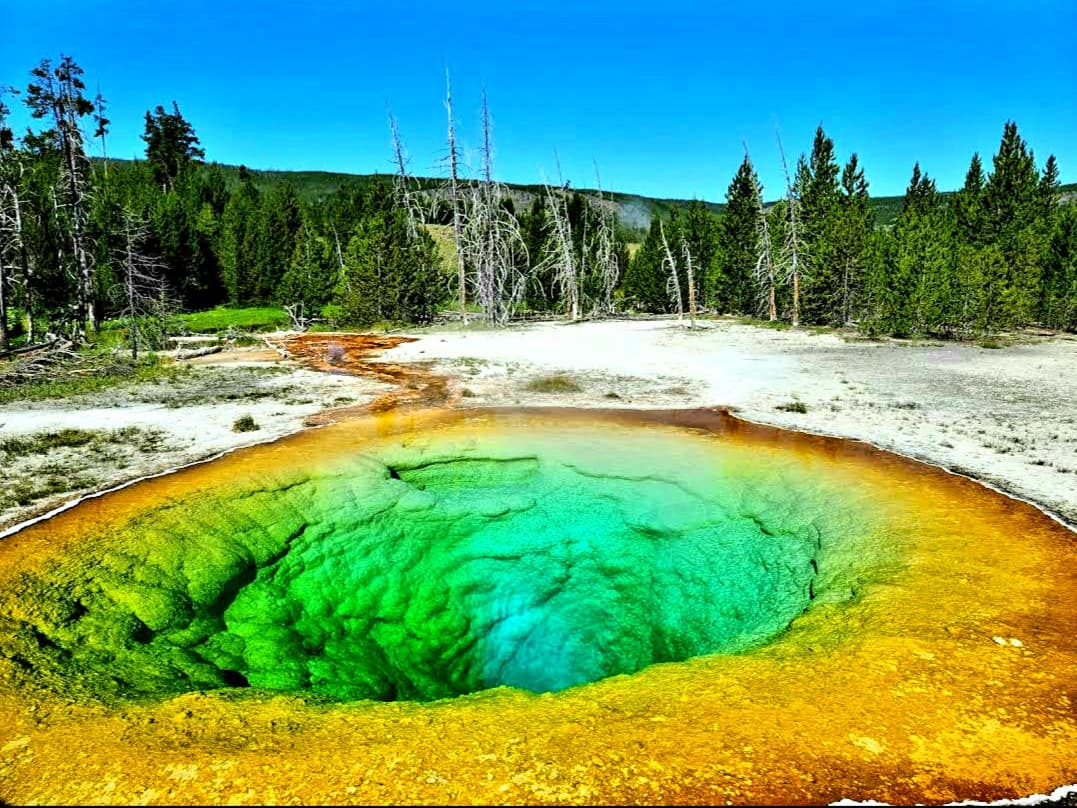
Yellowstone National Park
Geysers, wildlife and pristine wilderness in America's wonderland
America's first national park still feels like stepping into another world. Yellowstone spreads across 2.2 million acres of Wyoming, Montana, and Idaho, where bison wander past steaming geysers and wolves hunt in valleys carved by ancient glaciers.
But this isn't just about the Instagram-worthy shots of Old Faithful. The park holds half the world's geothermal features — over 10,000 hot springs, mud pots, and fumaroles bubble and hiss across the landscape. Grizzly bears fish for cutthroat trout in Yellowstone Lake. Elk bugle through autumn mornings in Lamar Valley.
Here's what makes Yellowstone different: it's a complete ecosystem. The wolves were reintroduced in 1995, and now the whole food chain functions as it did centuries ago. You can watch this ancient drama play out from your car window on the Grand Loop Road, or hike deeper into the backcountry where thermal features have no names and no crowds.
Best Months
JUN – SEP
~22°C · high crowds
Yellowstone National Park Itineraries
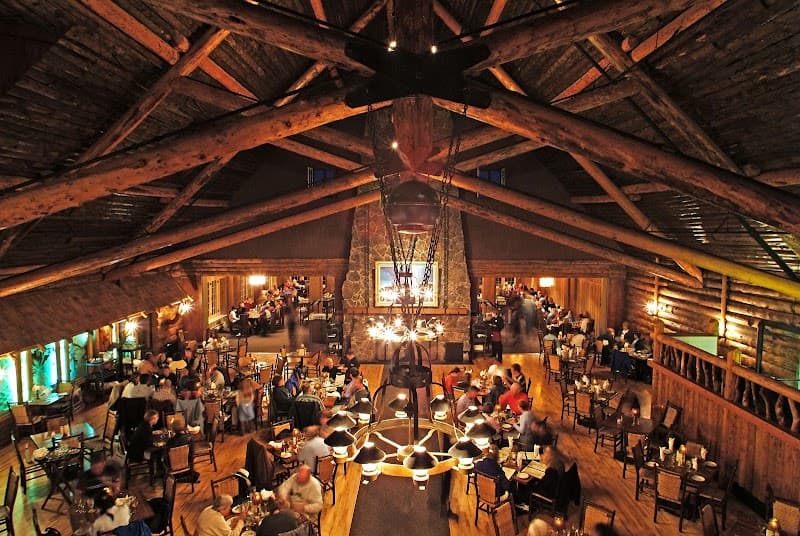
Things to Do in Yellowstone National Park
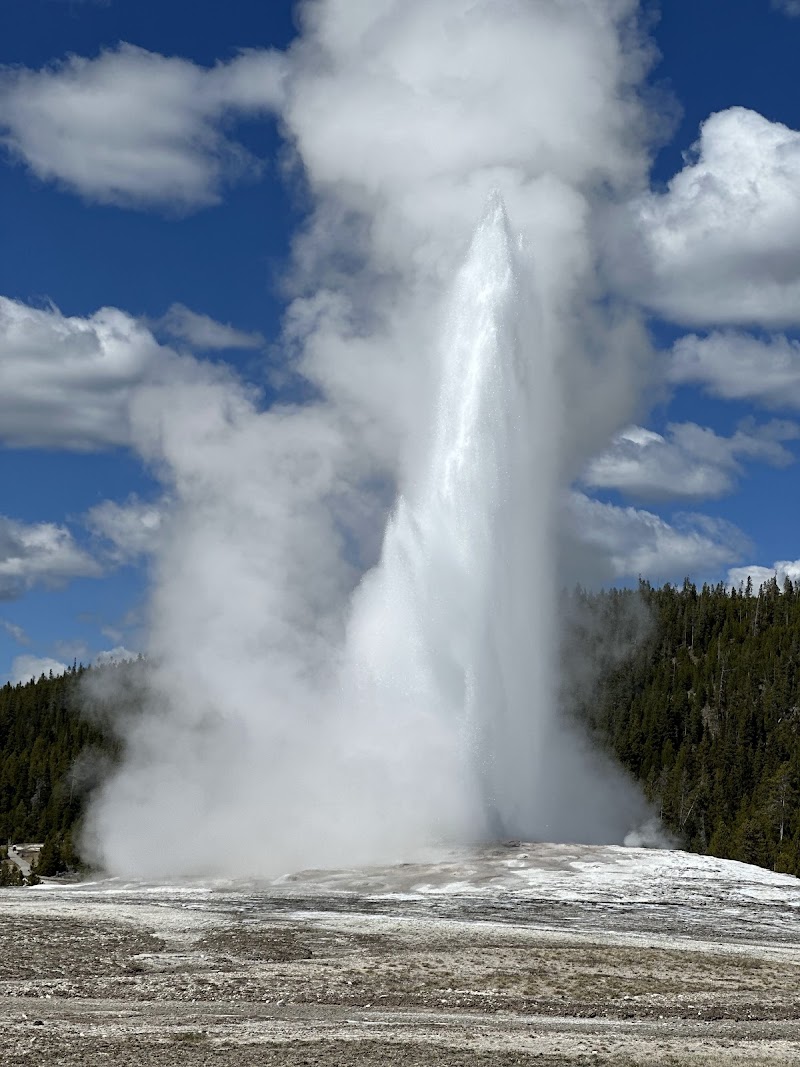
Old Faithful Upper Geyser Basin Loop
Yellowstone National Park—Upper Geyser Basin · 180 min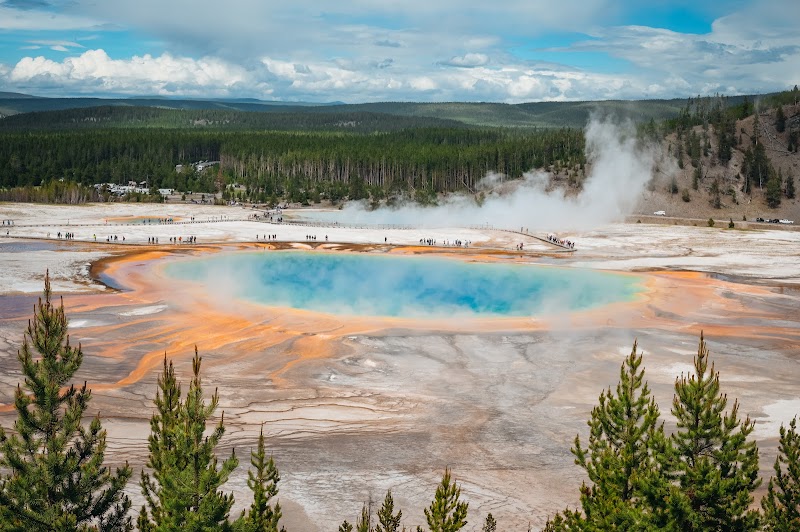
Grand Prismatic Spring Viewpoint & Midway Geyser Basin
Yellowstone National Park—Midway Geyser Basin · 120 min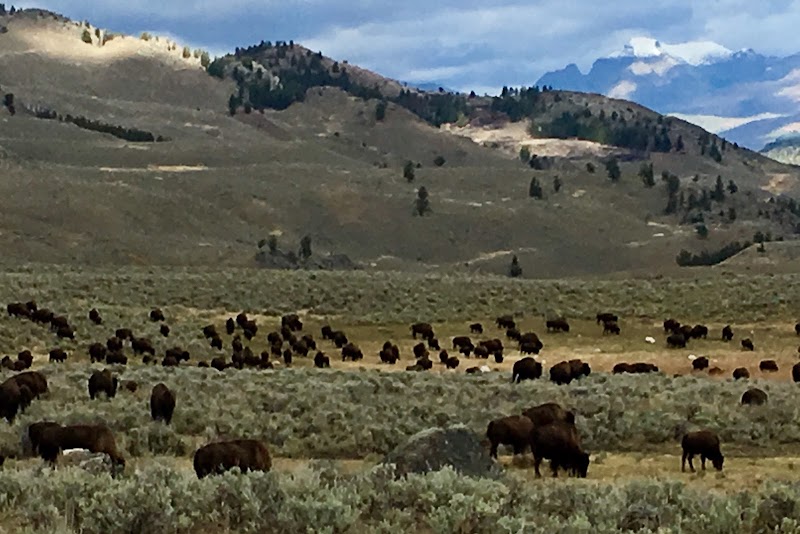
Lamar Valley Wildlife Expedition
Yellowstone National Park—Northeast Lamar Valley · 240 minMoney-Saving Tips
- 1.Buy groceries in gateway towns before entering the park — Yellowstone General Stores charge premium prices for basic supplies
- 2.The $80 America the Beautiful Annual Pass pays for itself if you visit more than two national parks per year
- 3.Stay outside the park in towns like West Yellowstone or Gardiner for better value and more dining options
- 4.Pack lunches for day trips — restaurant options inside the park are limited and expensive
- 5.Visit in shoulder seasons (May, September) for lower accommodation rates and fewer crowds
- 6.Camping costs $32 per night compared to $200+ for park lodges — book campsites five months in advance
- 7.Fill up your gas tank before entering — fuel inside the park costs significantly more than gateway towns
Travel Tips
- •Download the NPS Yellowstone app before your visit — it works offline and includes trail maps and wildlife tracking
- •Start your day early (before 8 AM) to avoid crowds at popular spots like Grand Prismatic Spring
- •Always carry bear spray when hiking and know how to use it — practice with an inert training canister
- •Keep 25 yards from bison and elk, 100 yards from bears and wolves — use your car as a viewing blind
- •The Grand Loop Road is 142 miles total — budget a full day to drive it with stops
- •Bring layers and rain gear even in summer — weather changes quickly at high elevation
- •Check road conditions before you go — construction and weather can close sections unexpectedly
- •Book accommodations and campsites as far in advance as possible — popular dates fill up within hours
- •Lamar and Hayden Valleys offer the best wildlife viewing, especially early morning and evening
- •Don't approach thermal features — the ground can be thin and the water reaches 200+ degrees
Frequently Asked Questions
Explore Yellowstone National Park
BUILD YOUR
YELLOWSTONE NATIONAL PARK PLAN
Insider picks, smart timing, and a plan ready when you are.
Start Planning