Zamalek
Cairo's leafy island oasis of culture and sophistication
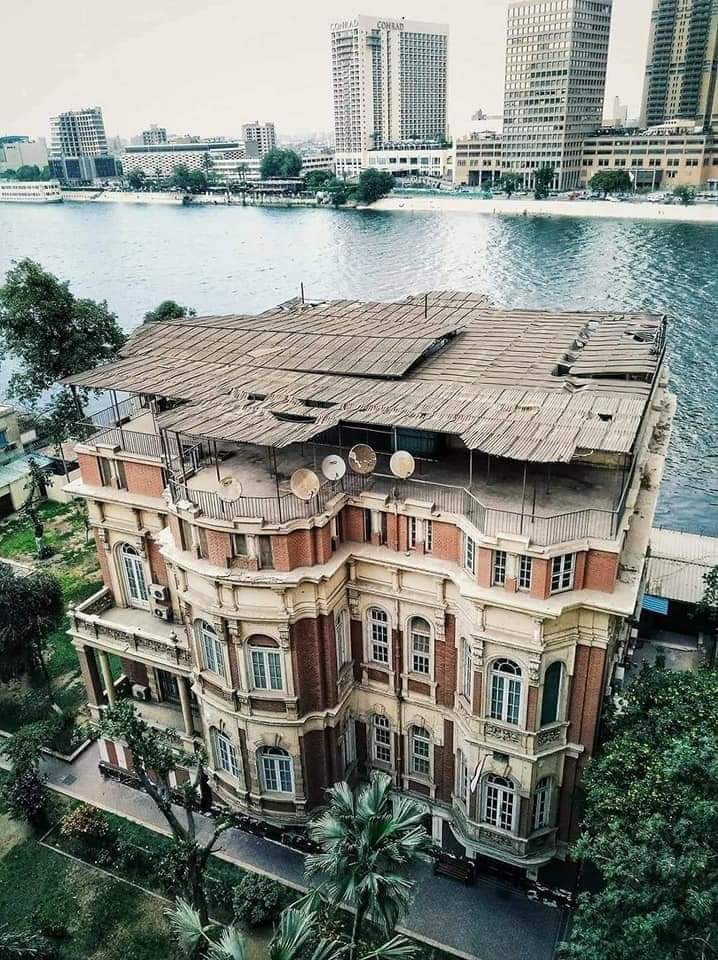
Forget everything you think you know about Cairo. Zamalek sits on Gezira Island in the middle of the Nile, a world away from the chaos of downtown. Tree-lined streets replace honking traffic. Art galleries outnumber street vendors. And the air actually feels breathable.
This is where Cairo's artists, expats, and intellectuals come to live and play. The Opera House anchors the southern tip while upscale restaurants and boutique hotels fill the quiet residential streets. You'll pay more here than anywhere else in Cairo, but you get what you pay for: sophistication without the sensory overload.
Culture & Context
ISLAND OF EMBASSIES & ART
Zamalek occupies the northern portion of Gezira Island in the middle of the Nile, and its whole identity is shaped by that geography — literally an island apart from the rest of Cairo's chaos. The name dates to Ottoman times, and the neighborhood was first landscaped by French designer De la Chevalerie, which is why it was historically called 'Jardin des Plantes' and why the tree-lined streets feel unusually European. Today it's often called Cairo's 'Beverly Hills,' home to the highest concentration of embassies and consulates in the country, which explains both the heavy security presence and the unusually international character of its residents.
The Cairo Opera House complex — home to the Cairo Symphony Orchestra and a serious contemporary arts program — anchors the southern end of the island and defines Zamalek's cultural identity. Zamalek SC, one of the two giants of African football (5-time CAF Champions League winners), takes its name directly from the neighborhood and has a passionate global fanbase. The neighborhood is also the city's de facto gallery district, with institutions like Zamalek Art Gallery and Safarkhan Art Gallery representing five-plus generations of Egyptian modern and contemporary art.
Expect a mix of wealthy Cairene families, diplomats, creative professionals, and a dense expat community that has chosen Zamalek for its walkability, relative quiet, and cultural density. It is more cosmopolitan and tolerant in atmosphere than most Cairo neighborhoods — alcohol is served openly at licensed venues, and the cafe scene is busy with young professionals, artists, and digital nomads well into the evening.
Local Customs
TIP SMALL NOTES ALWAYS
Tipping (baksheesh) is expected for almost every service — hotel staff, restroom attendants, guides, even petrol station attendants. Keep small EGP notes (5-20 EGP) handy at all times.. Dress modestly near mosques and religious sites.
Women should cover shoulders and knees; a light scarf for the head is useful. In Zamalek's cafes and bars, the dress code is more relaxed.. Bargaining is standard in markets like Khan El Khalili.
Start lower than you're willing to pay and meet in the middle. Smiling and knowing a bit of Arabic goes a long way.. Mosques restrict tourist access during Friday prayers (roughly 12 PM–2 PM).
Plan sightseeing around this window.. Alcohol is available in Zamalek at licensed restaurants and hotel bars, but it is not universally served everywhere — Egypt is a Muslim-majority country and many establishments do not serve it.. During Ramadan, many restaurants close during daylight hours.
After sunset (Iftar), the streets come alive with food and festivity — one of the most atmospheric times to be in the city if you're flexible.. Street food vendors and market stalls rarely accept cards. Always carry small EGP notes.
ATMs are widely available in Zamalek.. It is illegal to photograph police stations, military buildings, and some government infrastructure. When in doubt, ask before pointing a camera..
Greet shopkeepers and restaurant staff with a greeting before launching into requests — Egyptians value social warmth and find it rude to skip straight to business.. The concept of 'Inshallah' (God willing) is used constantly and genuinely — it can mean 'yes, definitely,' 'maybe,' or 'don't count on it,' depending on context and tone.
Safety
SAFE WITH STREET SENSE
Zamalek is consistently ranked among Cairo's safest neighborhoods — the heavy concentration of embassies means visible security presence on most streets, and it stays lively into the night thanks to its bar and restaurant scene. That said, Cairo carries a US State Department Level 2 advisory (Exercise Increased Caution) as of 2026, so some common sense applies anywhere. The real risks in Zamalek are not violent crime (which is rare against tourists) but petty stuff: phone snatching in crowded spots, overcharging in unlicensed taxis, and persistent vendors near tourist sites.
Use Uber or Careem rather than hailing street taxis, especially after dark — you avoid fare disputes entirely and have a digital record of the ride. Women traveling solo report occasional street harassment; dressing modestly and using apps rather than walking alone at night reduces this significantly. The metro has women-only carriages (marked with pink signs on platforms) if you prefer them.
Do not photograph police stations, military installations, or government buildings — it is illegal. Tap water is not safe to drink; stick to sealed bottled water. Avoid demonstrations and political gatherings entirely.
Keep copies of your passport and visa on your phone, and note the US Embassy number: +20-2-2797-3300.
Getting Around
UBER & METRO BEATS TRAFFIC
Zamalek sits on Gezira Island, so every trip in or out crosses one of two bridges — this is both charming and occasionally a bottleneck during rush hour (roughly 3:30–6:30 PM, when you should just stay put or use the metro). Uber and Careem are the most practical options for most visitors. Pickup in Zamalek is fast — often under 5 minutes — and a ride to Downtown Cairo costs around EGP 50-60.
No haggling, digital receipt, safe at night. The nearest Cairo Metro station is Opera (Line 2), just across the Qasr El Nil bridge. The metro runs until 1 AM and costs just a few EGP per trip — it's the fastest way to cross town during rush hour and beats traffic completely.
Shared city bikes are available via the Cairo Bike app (EGP 2 to start, EGP 5 per 45 mins) with docking stations in Zamalek — a genuinely fun way to loop the island in about an hour. Nile ferries also run from Zamalek, connecting to Giza and Downtown for around EGP 17. Avoid local microbuses (chaotic, no clear stops, overcrowded).
Buy a Vodafone Tourist SIM at Cairo International Airport for ~$11 — it's faster and cheaper than roaming, and you'll need it for Uber navigation. Do not attempt to drive yourself; Cairo traffic is aggressive and road rules are loosely enforced at best.
Useful Phrases
Itineraries coming soon
We're working on adding amazing itineraries for Zamalek. In the meantime, try the app to create your own!
Money-Saving Tips
- 1.ATMs on 26th of July Street offer the best exchange rates – avoid currency exchanges that charge 5-10% commissions
- 2.Restaurant prices in Zamalek run 3-4x higher than downtown Cairo – budget 300-500 pounds per person for dinner
- 3.Taxi drivers quote inflated prices to tourists – locals pay 20-30 pounds for short rides within the neighborhood
- 4.Many upscale restaurants add 12% service charge plus 14% tax – check your bill carefully before tipping extra
- 5.Grocery shopping at Metro Market costs less than hotel convenience stores – stock up on water and snacks there
Travel Tips
- •Download the Careem app alongside Uber – it often has more available drivers in Cairo
- •Dress modestly even in upscale Zamalek – cover shoulders and knees to avoid unwanted attention
- •Learn basic Arabic numbers to negotiate taxi fares and understand prices at local shops
- •Carry cash in small denominations – many places can't break 200 or 500 pound notes
- •Book restaurant tables in advance for weekend dinners – popular spots like Sequoia fill up quickly