Zanzibar City
Stone Town's labyrinthine alleys tell tales of sultans
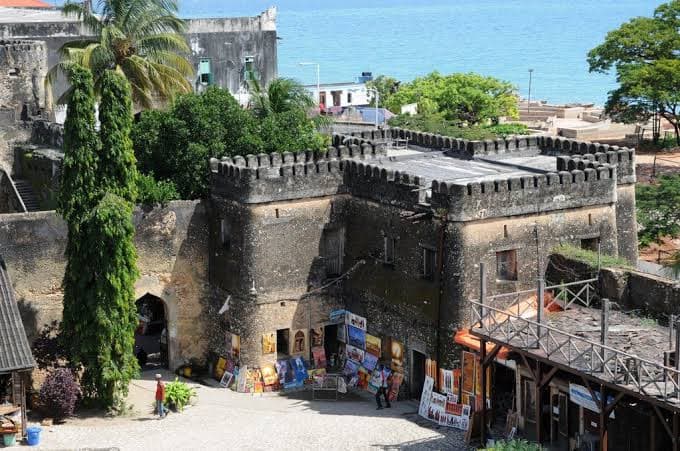
Stone Town doesn't reveal its secrets easily. You'll need to get lost in its coral-stone corridors at least once before the city starts making sense. But that's exactly the point. This UNESCO World Heritage site sprawls across the western edge of Unguja Island like a living museum, where Swahili merchants once traded with Persian princes and Omani sultans built palaces that still cast shadows over Mercury House.
The scent of cardamom and cloves drifts from the spice markets on Creek Road. Dhow boats bob in the harbor where Freddie Mercury was born. And somewhere in those narrow alleys between Malindi and Shangani, you'll find yourself three hours deep in conversation with a local artist who insists you try his grandmother's pilau recipe.
Here's the thing about Zanzibar City — it's not trying to impress anyone. The paint peels off colonial buildings. Cats sleep on mosque steps. The call to prayer echoes off carved wooden doors that have been opening and closing for centuries. This is East Africa at its most authentic, before the beach resorts and safari packages take over.
Best Months
JAN · FEB · JUN · JUL · AUG · SEP · DEC
~31°C · peak crowds
Money-Saving Tips
- 1.Negotiate prices at Darajani Market — vendors expect it and often start 50% higher than the real price
- 2.Eat at local restaurants in Malindi neighborhood where meals cost $2-3 instead of $8-12 in Stone Town tourist areas
- 3.Take dala-dalas instead of taxis — they cost 500 shillings versus 5,000+ for short trips around the city
- 4.Buy spices directly from Creek Road market stalls, not the packaged versions in hotel gift shops
- 5.Book accommodation during low season (March-May) when rates drop 30-40% despite the rain
- 6.Drink at local bars in residential areas where beer costs half the price of tourist establishments
Travel Tips
- •Download offline maps before exploring Stone Town — the coral-stone alleys all look identical and GPS signals are weak
- •Dress conservatively with covered shoulders and knees, especially when visiting mosques or local neighborhoods
- •Carry small bills (1,000 and 5,000 shilling notes) for market purchases and dala-dala rides
- •Learn basic Swahili greetings — locals appreciate the effort and it opens doors to better experiences
- •Visit the spice markets early morning when vendors are setting up and crowds are smaller
- •Bring a good flashlight for evening walks — street lighting in Stone Town is minimal and uneven
Frequently Asked Questions
Explore Zanzibar City
BUILD YOUR
ZANZIBAR CITY PLAN
Insider picks, smart timing, and a plan ready when you are.
Start Planning