Japan
34 Days Across Japan on a Shoestring Adventure
One-month budget loop mixing temples, trails, street food, and neon
A full-month, budget-friendly loop through Japan’s best cities, mountains, and coastal towns, balancing temples and castles with hiking, wildlife, and local neighborhoods. Street food, hostels, and free sights keep costs low while still delivering architecture, nightlife, nature, and history.
Highlights
Explore contrasting districts from historic Asakusa to neon Shinjuku and hip Shimokitazawa.
Wander atmospheric lanes and world-famous shrines like Fushimi Inari and Kiyomizu-dera.
Enjoy scenic mountain walks and riverside trails around Takayama and Kamikochi.
Unwind in small seaside towns and island shrines near Hiroshima and the Seto Inland Sea.
Sample cheap eats and late-night energy in Osaka, Tokyo, and Fukuoka’s yatai stalls.
Visit iconic castles and poignant WWII sites to understand Japan’s layered history.
Where to Stay
Budget Hostel Asakusa Area
Simple dorms or private rooms near Sensō-ji with good transit connections.
$20-35/nightGood to Know
Cash and Cards Balance
Carry some cash for small eateries, temple donations, and local buses, but use cards and IC cards where possible for safety and convenience.
IC Transport Cards
Get a rechargeable IC card (like Suica or PASMO) to tap in and out of most trains, subways, and buses across major cities.
Train Punctuality
Japanese trains run on very precise schedules, so arrive on the platform a few minutes early and board quickly when doors open.
Quiet Train Etiquette
Keep phone calls and loud conversation to a minimum on public transport, and set phones to silent mode.
Onsen Bathing Rules
Wash thoroughly before entering communal baths, bathe nude (no swimsuits), and never put towels or hair in the water.
Temple and Shrine Behavior
At shrines, bow at the torii gate, cleanse at the chozuya, and avoid loud talking; at temples, be especially respectful inside halls.
Budget Eating Strategy
Rely on convenience stores, chains like Matsuya or Sukiya, and lunch sets to keep daily food costs low while still eating well.
Street Food Hygiene
Look for busy stalls with a high turnover of food to minimize risk and ensure freshness when buying street snacks.
Luggage Forwarding Option
Consider using takkyubin (luggage delivery) between distant cities for a fee if you want to travel light on some segments.
Coin Locker Use
Most major stations have coin lockers where you can store bags for a few hours while sightseeing or waiting for check-in.
Free Wi-Fi Spots
Many convenience stores, big train stations, and some cafés offer free Wi-Fi, but speeds vary and may require simple registration.
SIM or eSIM Choice
For occasional data, choose a cheap travel eSIM or low-data SIM card rather than an unlimited plan.
Language and Signs
Most train signs include English, but small restaurants may not; use picture menus, plastic food displays, or translation apps to order.
Trash and Recycling
Trash cans can be rare, so carry a small plastic bag to hold your rubbish until you find proper disposal.
Shoes Off Indoors
Be ready to remove shoes in some hostels, temples, and older restaurants; wear socks without holes and easy-on/off shoes.
Cash for Local Buses
Smaller city and rural buses may not accept IC cards, so check in advance and keep small coins for fares.
Weather and Layers
Pack light layers and a compact umbrella, as weather can change quickly, especially in mountain areas.
Hiking Footwear
For hikes like Kamikochi or Fushimi Inari, wear sturdy sneakers with good grip rather than sandals.
Wildlife Respect
Do not feed monkeys or other wildlife, and be gentle with deer in Nara and Miyajima; avoid plastic bags they might eat.
Photography Manners
Avoid photographing people closely without permission, especially at shrines, in izakaya, or around geisha districts.
Hostel Common Areas
Use hostel lounges and kitchens to meet other travelers, cook occasional meals, and share tips.
Laundry Access
Most hostels have coin laundry; plan a wash every 5–7 days to pack lighter.
JR Pass vs Point-to-Point
For long stays with spread-out travel, compare JR Pass cost to individual tickets; sometimes regional passes plus point tickets are cheaper.
Check Last Train Times
Before a night out in areas like Shinjuku or Dotonbori, confirm the last train back to your accommodation.
Drink Water Availability
Tap water is generally safe to drink; carry a reusable bottle and refill at hostel or public fountains.
Emergency Phrases
Learn a few key phrases like “help,” “hospital,” and basic directions in Japanese.
Packing for Temples
Bring a light scarf or shawl to cover shoulders if you feel underdressed in religious spaces.
Heat and Sun Protection
In warmer months, carry sunscreen, a hat, and drink regularly, especially when hiking or walking long distances.
Basic Trash Sorting
Follow local signs for separating burnable, plastic, bottles, and cans when staying in guesthouses.
Conbini Meal Tricks
Ask staff to heat bento or fried items at convenience stores and look for discounted stickers in the evening.
Travel Insurance Importance
Consider basic travel insurance covering medical issues, cancellations, and hiking-related accidents.
Temple and Shrine Opening Hours
Many sites open early and close by late afternoon; prioritize popular temples in the morning.
Using Coin-Operated Lockers in Onsen
Bring 100 yen coins for lockers at onsen and public baths to secure your valuables.
Allergy and Dietary Cards
If you have dietary restrictions, prepare a small card in Japanese explaining them.
Earthquake Awareness
In case of tremors, stay calm, follow local instructions, and be aware of emergency exits in hostels and stations.
Backpacking Light in Cities
Use a small daypack for city exploration and leave larger bags at your hostel.
Respect No-Smoking Rules
Smoking is restricted to designated areas even outdoors; observe and use marked smoking spots.
Restaurant Lines as Quality Signal
A line of locals at a small restaurant is usually a good sign of quality and value.
Carry Small Towel
Bring a small hand towel for drying hands in bathrooms without paper towels and for wiping sweat on hot days.
Coin Purse Utility
Use a small coin purse to manage the many coins you’ll accumulate.
Check Seasonal Events
Look up local festivals or seasonal events in each city a week ahead of arrival.
JR Local vs Rapid Trains
On JR lines, check whether a train is local, rapid, or special rapid; faster trains skip stops, which can save time.
Elevator and Escalator Etiquette
Stand on the left or right on escalators depending on the region (right in Osaka, left in Tokyo) and let others pass.
Noise in Hostels
Bring earplugs and an eye mask for shared hostel rooms, especially in nightlife districts.
Using Google Maps Offline
Download offline maps of major cities for navigation without constant data.
Suica Refund at Trip End
Leave a little time on your final day to refund any remaining balance on your IC card at a station service counter.
Use of Masks
Many people still wear masks on trains and indoors; carry a few and consider wearing them during crowded rides.
Meal Tax and Service
Most restaurant prices already include tax and there is no tipping culture, so you can pay exactly the amount on the bill.
Early Morning Advantages
Arriving early at popular sights like Fushimi Inari and Kiyomizu-dera means fewer crowds and cooler temperatures.
Rainy Day Flexibility
Have a mental list of indoor options like markets, malls, and museums in each city.
Using Station Tourist Offices
Many major stations have tourist information counters where staff can provide maps and English assistance.
Your Weekend Itinerary
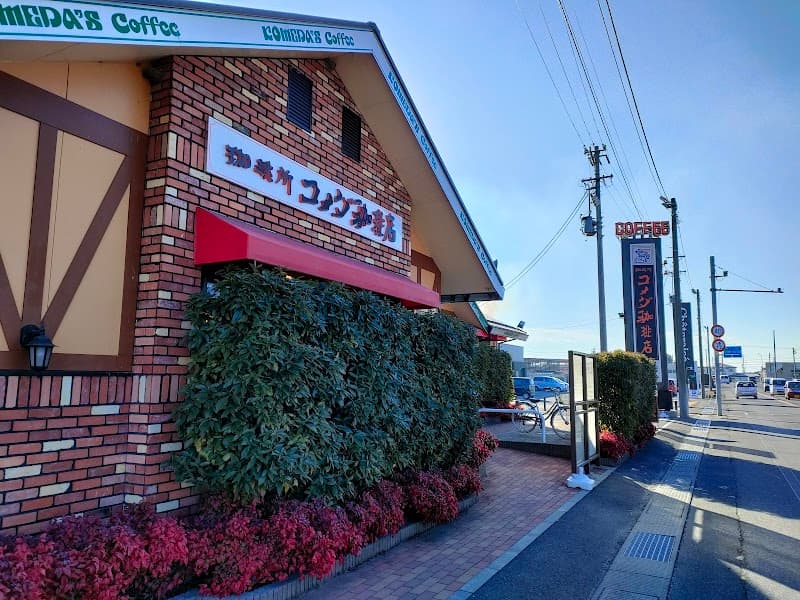
Komeda Coffee Ikebukuro
Nagoya-style coffee shop with toast and egg breakfast sets.
1h · $6-9 per personSunshine City Observation Area & Mall
Large complex with views, shops, and indoor attractions (skip paid parts if saving).
1h 30m · Free (mall areas)Public Onsen Bath (Day Use)
Visit a basic public onsen for a soak; follow bathing etiquette carefully.
1h 30m · $7-1250 activities across 24 days
Map