Tokyo
Tokyo in 7 Days: Culture, Heritage & Culinary Discovery
Ancient temples, modern art, and unforgettable food in the world's most dynamic capital
Planning a trip to Tokyo?
A carefully curated week blending Tokyo's most iconic historical sites with contemporary art, traditional neighborhoods, and exceptional local cuisine. This itinerary prioritizes walkable clusters within each neighborhood, pairing cultural highlights with authentic dining experiences while leaving room for spontaneous exploration.
Highlights
Experience Tokyo's spiritual heritage at Sensō-ji Temple and Meiji Shrine, two of Japan's most significant religious sites separated by centuries of tradition.
Walk the peaceful 5km loop around Japan's imperial center, discovering historic moats, seasonal gardens, and architectural remnants of medieval Tokyo.
Get lost in teamLab Planets' mind-bending light installations and interactive digital landscapes, where art responds to your movement.
Navigate Tokyo's food culture from Michelin-standard ramen in Shibuya to traditional tempura in Asakusa to cutting-edge fusion in Roppongi.
Witness Tokyo's architectural evolution from historic wooden temples to ultramodern skyscrapers like Tokyo Skytree and Shibuya Sky.
Explore Harajuku's vibrant streets and Takeshita Dori's kawaii aesthetic, then escape to serene Yoyogi Park's verdant landscapes.
Where to Stay

Hotel Gracery Shinjuku
Reliable 3-star hotel with modern rooms, excellent transit connections, and a prime location near restaurants and shopping. Rooftop views of Tokyo's skyline.
$90-120/night
Richmond Hotel Premier Asakusa
Upscale comfort in Tokyo's historic district with traditional-meets-modern design. Walking distance to Sensō-ji Temple and local restaurants. Excellent breakfast.
$110-140/night
The Ritz-Carlton Tokyo (Budget Alternative: Cerulean Tower Tokyu Hotel)
If splurging: ultimate luxury with panoramic views. Budget alternative: Cerulean Tower offers upper-mid-range comfort with excellent skyline views at $120-150/night.
$280+/night (Ritz) or $120-150/night (Cerulean Tower alternative)Good to Know
Suica/Pasmo Transit Card Mastery
Purchase a rechargeable Suica or Pasmo card at any station (about $20 with $10 balance). Use it on all trains, subways, buses, and convenience store purchases. Eliminates confusion of different train lines and ticket prices. Card remains valid for 10 years.
Early Morning Temple Visits
Most temples open at 6 AM and are nearly empty until 8-9 AM. Sensō-ji is particularly magical before crowds arrive. Early mornings offer peaceful spiritual experience and excellent photography without other tourists.
Restaurant Reservation & Timing Strategy
Book popular restaurants (especially Michelin-starred) 1-2 weeks ahead through Tabelog or Resy. Many excellent local spots don't take reservations. Lunch service (11 AM–2 PM) is less crowded than dinner. Few places accept walk-ins after 6 PM.
Clustered Neighborhood Exploration
Each Tokyo district (Shibuya, Asakusa, Harajuku, Shinjuku) has distinct character and is highly walkable. Organize days by neighborhood to minimize transit time and experience each area's unique energy. Most activities within a district are 10-15 minute walks apart.
Photography Etiquette & Moments
Never photograph inside temples without explicit permission; stand respectfully. Best photo times: early morning at Sensō-ji (6-7 AM) and Shibuya Crossing (early evening, 5-6 PM). Mag's Park offers controlled Crossing views without street-level chaos.
Museum Evening Hours & Free Admission
Many museums offer free or discounted evening admission (usually 5-8 PM on weekdays). Verify on museum websites. National Art Center and teamLab sometimes offer extended hours. This strategy stretches budget and provides evening cultural activity.
Pocket WiFi vs. SIM Card Decision
Rent pocket WiFi at airport ($5-8/day) or purchase local SIM ($15-30 for week). Pocket WiFi requires carrying extra device but allows sharing between travelers. SIM is simpler for couples. Both work reliably; WiFi is more convenient for 2 people.
Seasonal Cherry Blossoms & Festival Timing
Late March to early April: cherry blossom season (sakura), parks crowded but spectacular. October-November: autumn colors, comfortable temperatures. May-September: hot/humid. Avoid Golden Week (late April) and Obon (mid-August) due to domestic tourist crowds and price spikes.
Your Week Itinerary
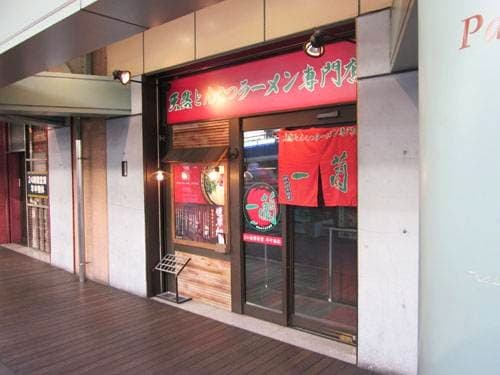
Ichiran Ramen
Counter-style ramen chain serving rich tonkotsu (pork bone) broth with perfectly textured noodles. Order: Classic Ichiran Ramen with extra soft-boiled egg. Clean, efficient, beloved by locals.
45m · $12-15 per person
Imperial Palace & East Garden
Walk the 5km loop around Japan's imperial residence, passing historic moats and bridges. East Garden features seasonal flowers, woodland paths, and Edo-period architecture remnants. Free entry; open 9 AM–4 PM.
2h · Free
Nabezo (Sukiyaki Restaurant)
Traditional sukiyaki (hot pot with beef, vegetables, tofu) experience. Interactive table-cooking where you cook thin-sliced wagyu beef in broth. Intimate and perfect for couples.
1h 30m · $35-50 per person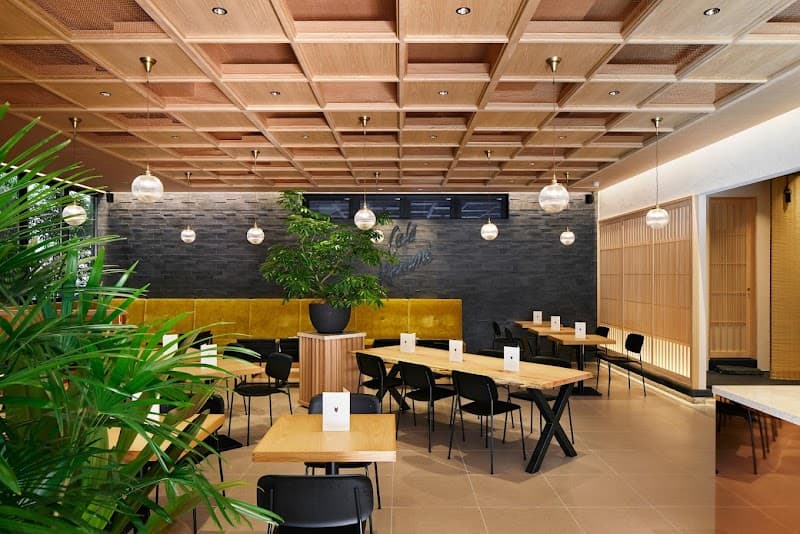
Cafe Kitsuné
Modern Japanese-French fusion café with pastries, matcha lattes, and light breakfast. Minimalist design reflects Japanese aesthetic.
45m · $10-18 per person
Shibuya Crossing & Mag's Park
World's busiest intersection with coordinated pedestrian scramble. Observe from ground level or ascend to Mag's Park (rooftop of Shibuya 109-2) for elevated perspective. Free observation platform.
45m · Free22 activities across 7 days
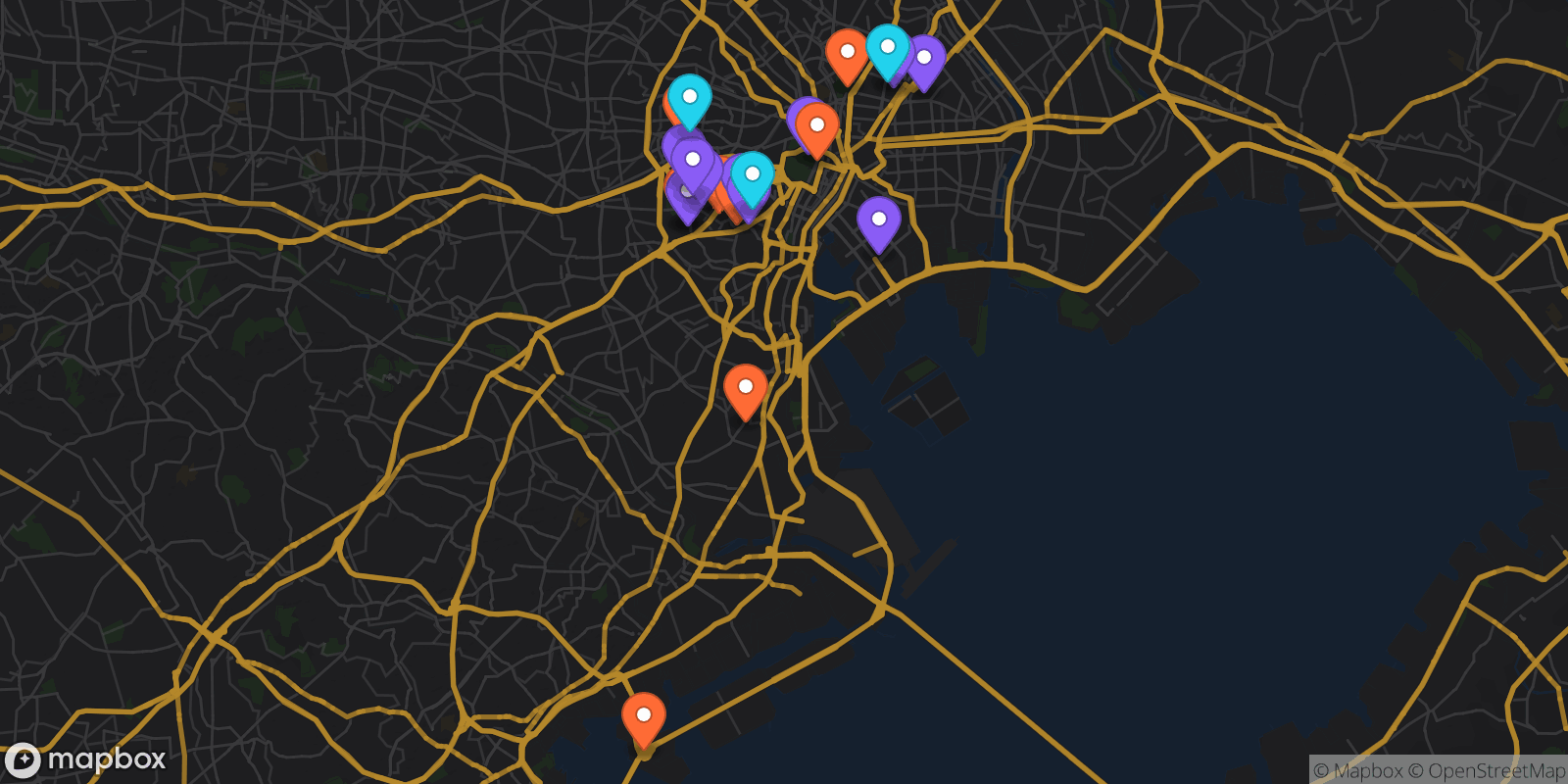
Map