Tokyo
Tokyo Culinary Journey: Markets, Kitchens & Wine
Taste Tokyo: markets, classes, and wine-soaked evenings
Planning a trip to Tokyo?
A 3-day immersion into Tokyo's food scene, blending iconic street markets with intimate cooking classes, local wine tastings, and mid-range dining gems. Perfect for couples seeking comfort, authentic flavors, and guided culinary discovery without overwhelming logistics.
Highlights
Explore Japan's legendary seafood market with fresh sushi, street snacks, and the electric energy of early-morning trading.
Learn to prepare traditional dishes hands-on in a small-group setting, then enjoy your creations with wine pairing.
Discover lesser-known Japanese wines paired with seasonal small plates in an intimate neighborhood bar.
Walk through Tokyo's upscale district sampling affordable gyoza, ramen, and soba at beloved local institutions.
Venture beyond Takeshita Street to find quiet alleys with vintage shops, cozy cafes, and authentic local dining.
Where to Stay

Hotel Gracery Shinjuku (or similar 3-star chain)
Mid-range comfort hotel with clean rooms, central location, and proximity to train hub. Steps from izakayas, restaurants, and Shinjuku nightlife. Reliable and convenient without frills.
$100–120 per nightGood to Know
Cash is King in Tokyo
Many local restaurants, street food vendors, and izakayas operate cash-only. ATMs are available at 7-Eleven and post offices, but carrying ¥20,000–30,000 ($130–200) ensures smooth dining without constant withdrawals.
Reserve Ahead, Especially for Dinner
Use Tabelog.com or Retty app to reserve mid-range restaurants 1–2 weeks in advance. Cooking classes book fastest; confirm dates immediately. Breakfast and lunch spots rarely need reservations.
Neighborhoods Are Walkable; Plan Geographically
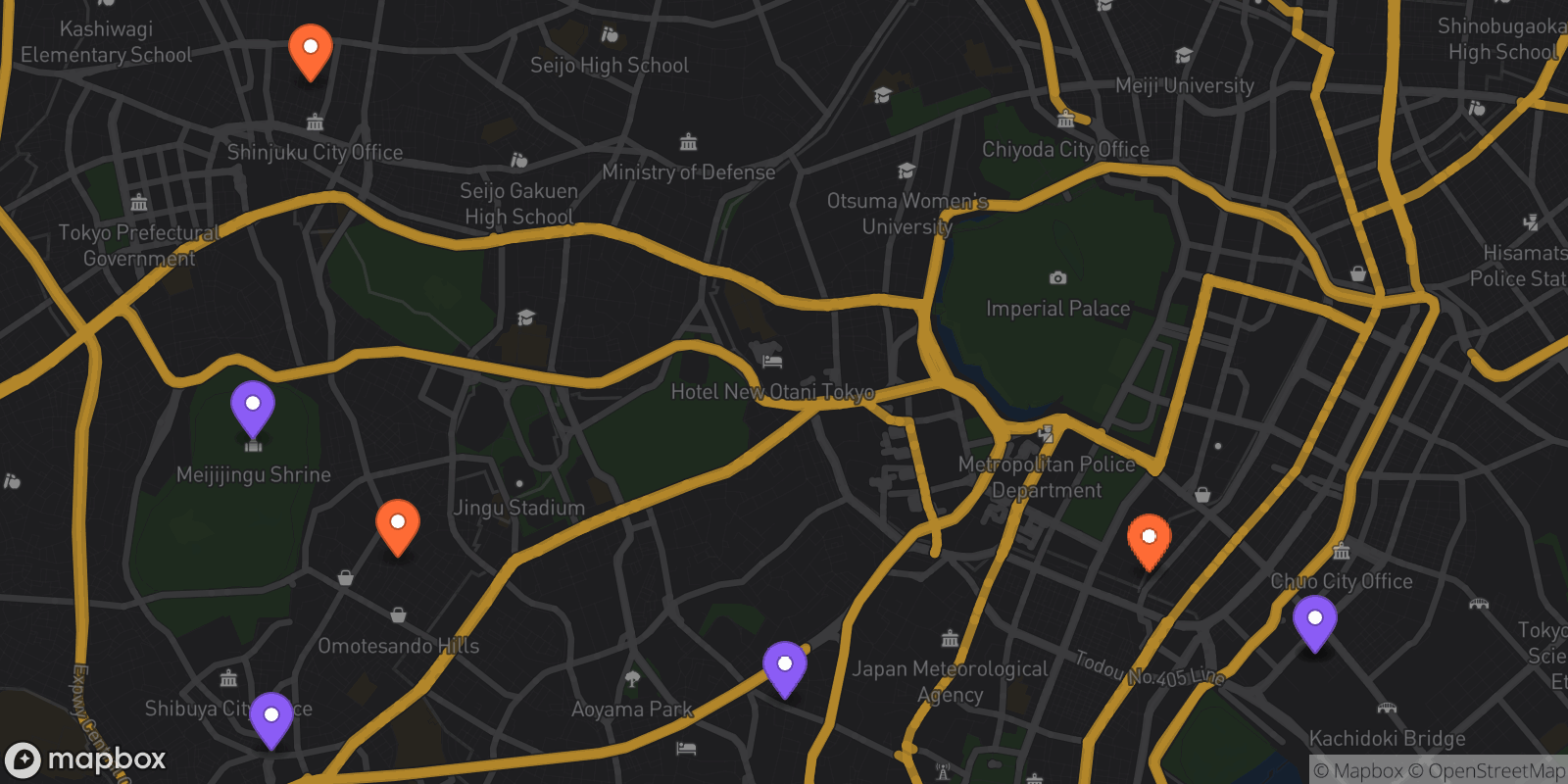
Group Day 1 around Tsukiji–Ginza cluster (15 min walk apart). Day 2 stays central (cooking class + wine bar in Shinjuku/Shibuya). Day 3 clusters Harajuku–Shibuya (walkable or one train stop). Minimizes transit time and fatigue.
Japanese Wine Is Underrated—Seek It Out
Yamanashi Prefecture produces excellent Koshu (white) and Merlot (red). Ask izakaya staff for local wines; pricing is often ¥3,000–5,000 per bottle (cheaper than European equivalents). Sommeliers love recommending lesser-known producers.
Lunch Offers Better Value Than Dinner
Same restaurants often charge 30–40% less at lunch. A mid-range dinner might cost ¥4,000–5,000 ($27–33), but lunch teishoku (set meals) are ¥1,200–1,800 ($8–12). Plan cooking classes or experiences for lunch; save mid-range dining for dinner.
Your Weekend Itinerary
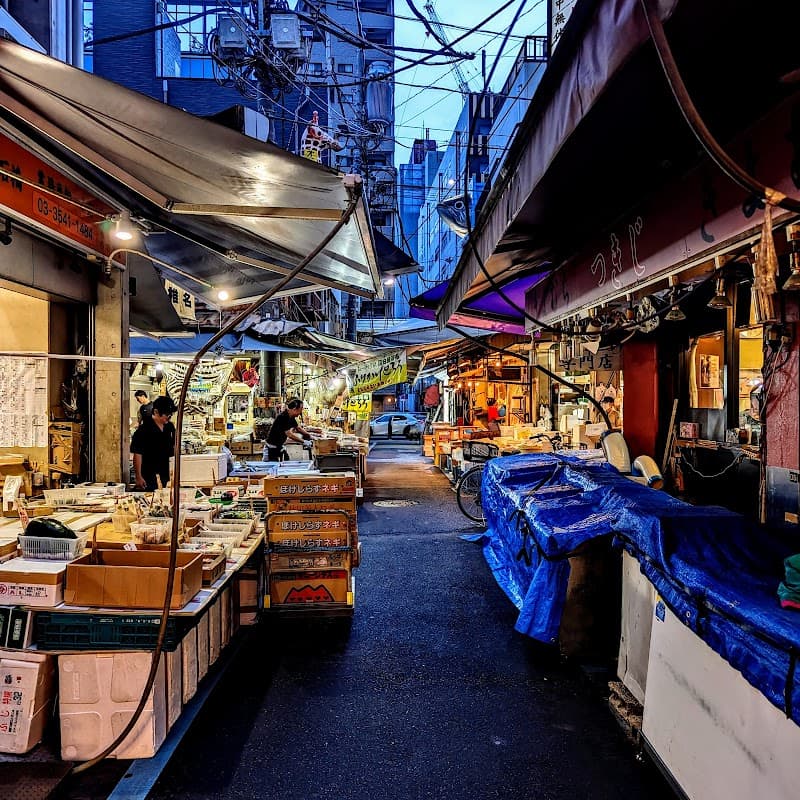
Tsukiji Outer Market Breakfast Stalls
Start with tamagoyaki (sweet rolled omelet), fresh uni on rice, and grilled scallops at market stalls. Arrive early (8–9 AM) for peak activity and best selection.
1h 30m · $15–25 per person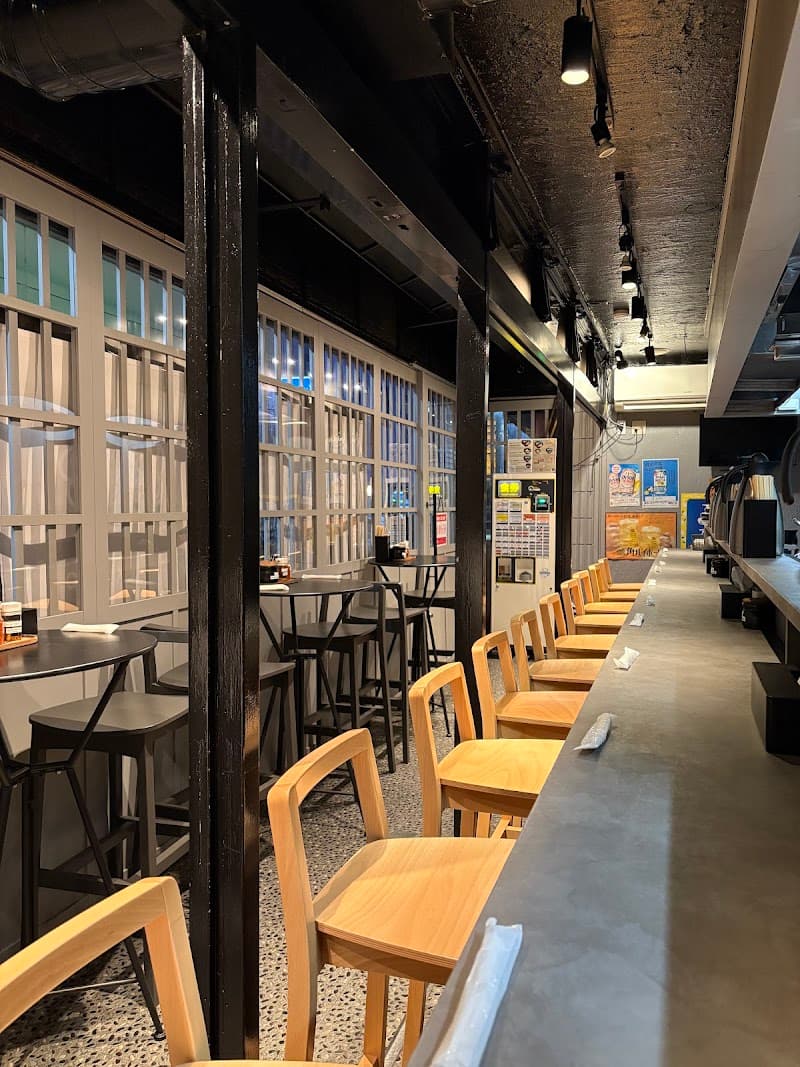
Kabuki Soba
Beloved cheap lunch spot serving amazing buckwheat noodles in classic dipping sauce. No frills, pure quality—exactly what locals eat.
45m · $8–12 per person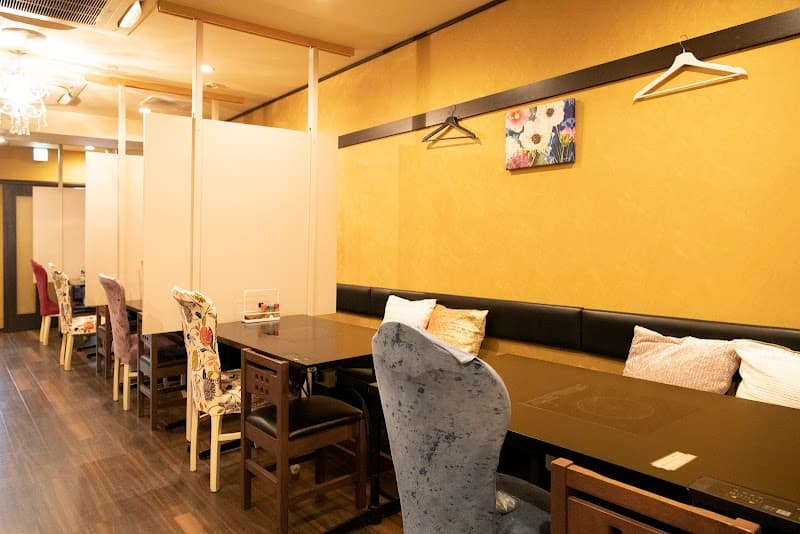
Lamb Shabu Kinnome Ginza Main Store
Excellent shabu-shabu (hot pot) with premium lamb and vegetable-rich broths. Intimate booth seating perfect for couples; social and interactive dining.
1h 30m · $30–45 per person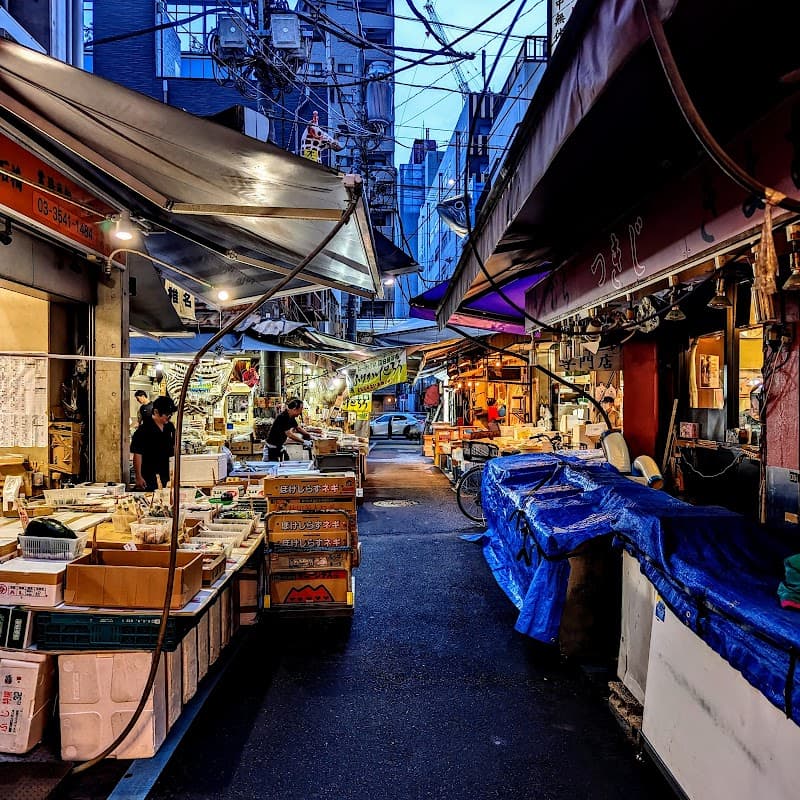
Tsukiji Outer Market Exploration
Wander fish stalls, produce vendors, and street-food shops. Sample fresh tamagoyaki, scallops, uni, and sweet treats. Take photos of the colorful chaos and energy.
1h 30m · Free (meals purchased separately)Ginza Street Food & Shopping Arc
Walk Center-gai (pedestrian street) and side alleys. Stop at Kabuki Soba, sample taiyaki (fish cakes) from street vendors, browse vintage shops, and observe Tokyo's upscale-meets-casual vibe.
2h · $5–15 (snacks and small purchases)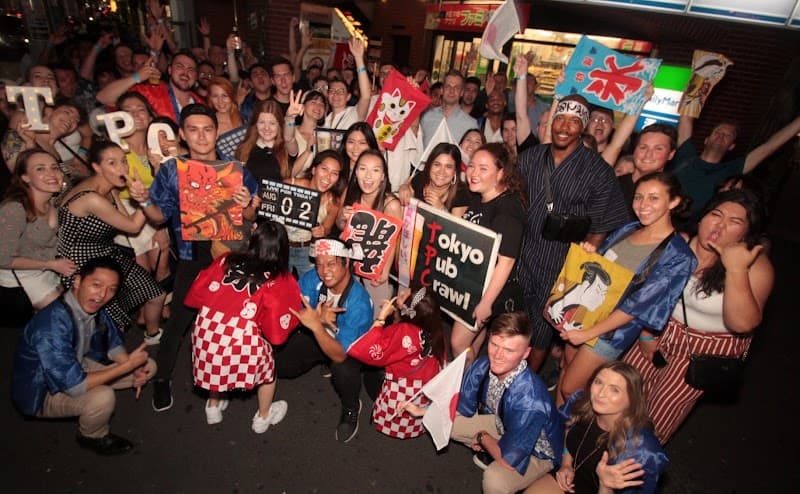
Nonbei Yokocho Alley Bar Hopping
Historic tiny standing bars tucked under train tracks. Order sake or beer, chat with locals and other travelers. Each bar holds 5–10 people max; intimate and wonderfully atmospheric.
1h 30m · $15–25 per personJapanese Cooking Class with Wine Pairing
Small-group class teaching sushi rolling, miso soup, and grilled dishes. Includes ingredients, instruction, and wine-paired tasting of your creations.
3h · $80–120 per personIzakaya Wine Tasting Bar (Local Neighborhood Pick)
Intimate standing or small-table izakaya specializing in Japanese wines from Yamanashi and Nagano regions. Pair wines with seasonal small plates (edamame, grilled chicken, cheese).
1h 30m · $25–40 per person12 activities across 3 days
Map