Tuscany
Medieval towns, Chianti wine, and homemade pasta—pure Tuscan bliss
Highlights
Wander the UNESCO-listed medieval village with its iconic stone towers, piazzas, and artisan shops perched atop rolling Tuscan hills.
Visit two authentic wineries to taste Chianti Classico, local olive oil, and balsamic vinegar paired with seasonal Tuscan food.
Learn to hand-roll pici pasta and prepare tiramisu on a working Tuscan farm, then enjoy your creations with unlimited wine.
Explore the stunning medieval city center, iconic cathedral, and atmospheric streets of Siena, the heart of southern Tuscany.
Stroll through vineyards, olive groves, and rolling landscapes while learning about Tuscan history and agricultural traditions.
Discover this perfectly preserved walled village with narrow streets and panoramic views of the surrounding Chianti countryside.
Where to Stay
2 picks
Hotel Chianti or Tuscan Farm Stay (San Gimignano area)
Choose a 3-star hotel or agriturisimo (farm stay) within walking distance of San Gimignano's center or nestled in vineyard countryside. Options include small family-run properties with restaurant facilities and vineyard views.
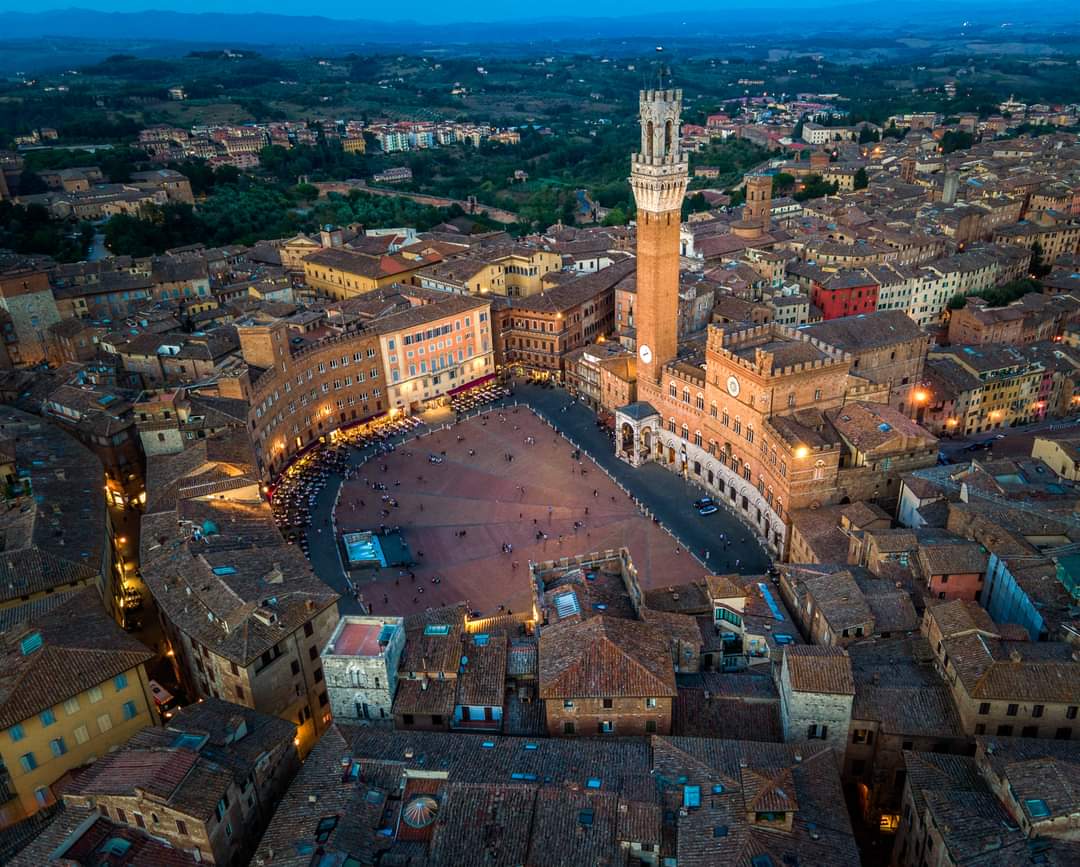
3-Star Hotel in Siena Centro (near Piazza del Campo)
Boutique 3-star hotel within 5-10 minute walk of Piazza del Campo and the Cathedral. Look for properties in historic buildings with character; many offer rooftop terraces with views.
Where to Eat
5 picks
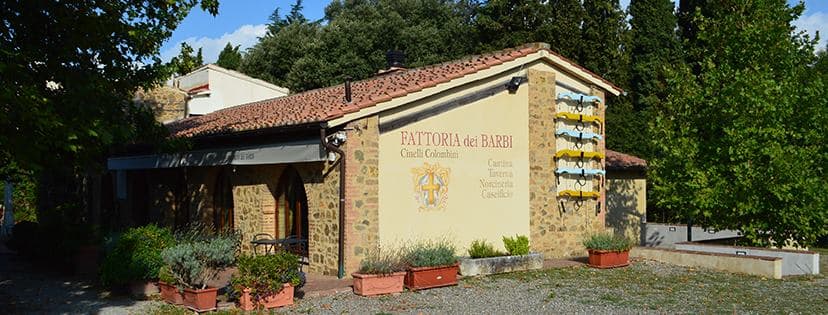
Fattoria Dei Barbi Farm Restaurant
Farm-to-table three-course meal featuring local pecorino, pasta, and roasted meats, paired with estate wines in a rustic farmhouse
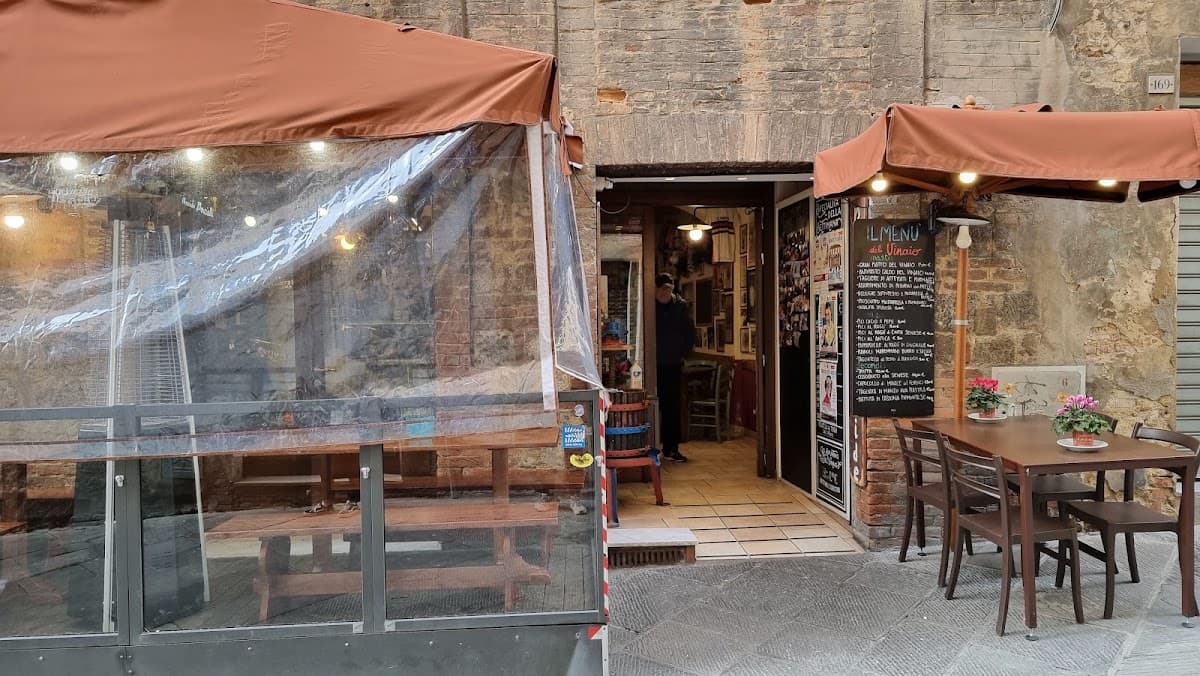
Il Vinaio Siena
Standing-room panini counter with house-cured meats, aged cheeses, and local wines; iconic casual Siena experience
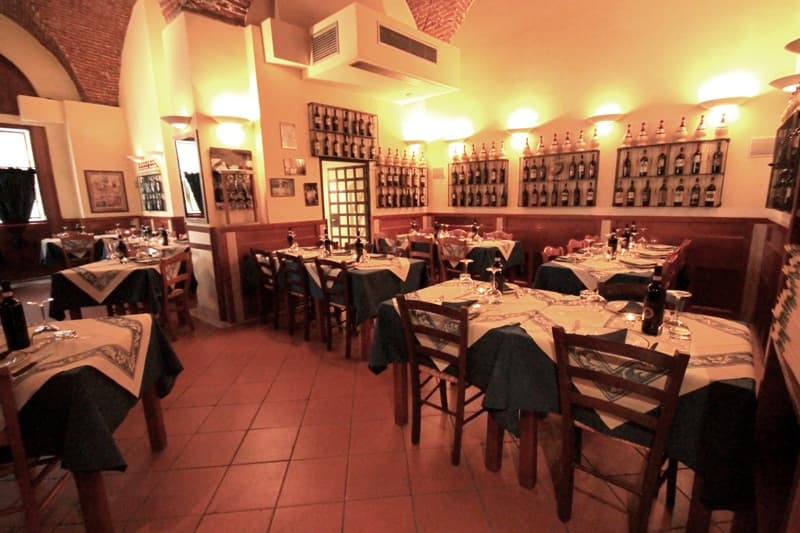
Ristorante Dante
Intimate restaurant near the Duomo offering seasonal Sienese dishes, homemade pasta, and local Brunello wines in a candlelit atmosphere
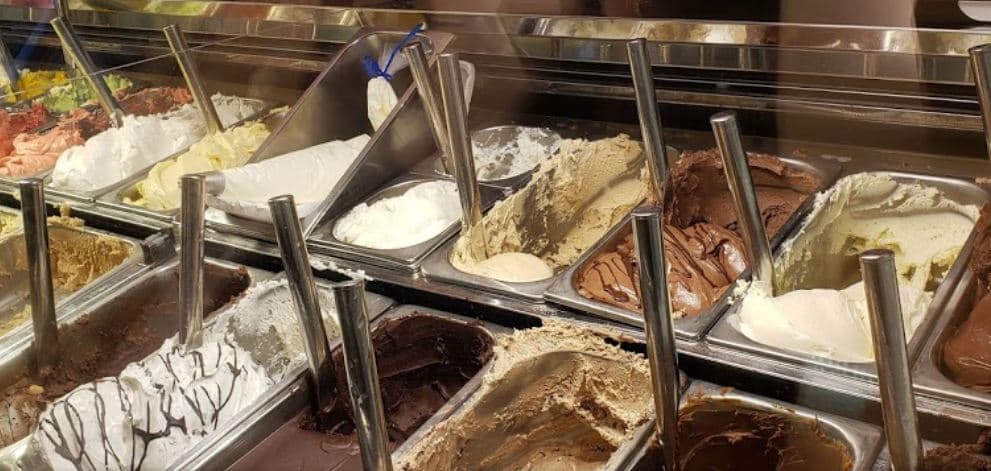
Gelateria dei Neri (or equivalent artisan gelato)
Award-winning gelato made with organic ingredients; try pistachio, hazelnut, or seasonal flavors; perfect evening stroll treat
Farm Kitchen at Fucecchio
Multi-course meal showcasing the farm's olive oil, vegetables, and wines; often included with pasta-making classes or countryside tours
What to Do
6 picks
San Gimignano Medieval Village Exploration
Wander UNESCO-listed piazzas, climb towers for panoramic views, browse artisan shops, and photograph the iconic skyline; approximately 2 hours of guided walking plus free time
Chianti Wine Tasting Tour (2 Wineries)
Visit two authentic wineries, enjoy up to 7 tastings, sample olive oil and balsamic vinegar, explore historic cellars, and see vineyards; typically includes Monteriggioni hamlet stop
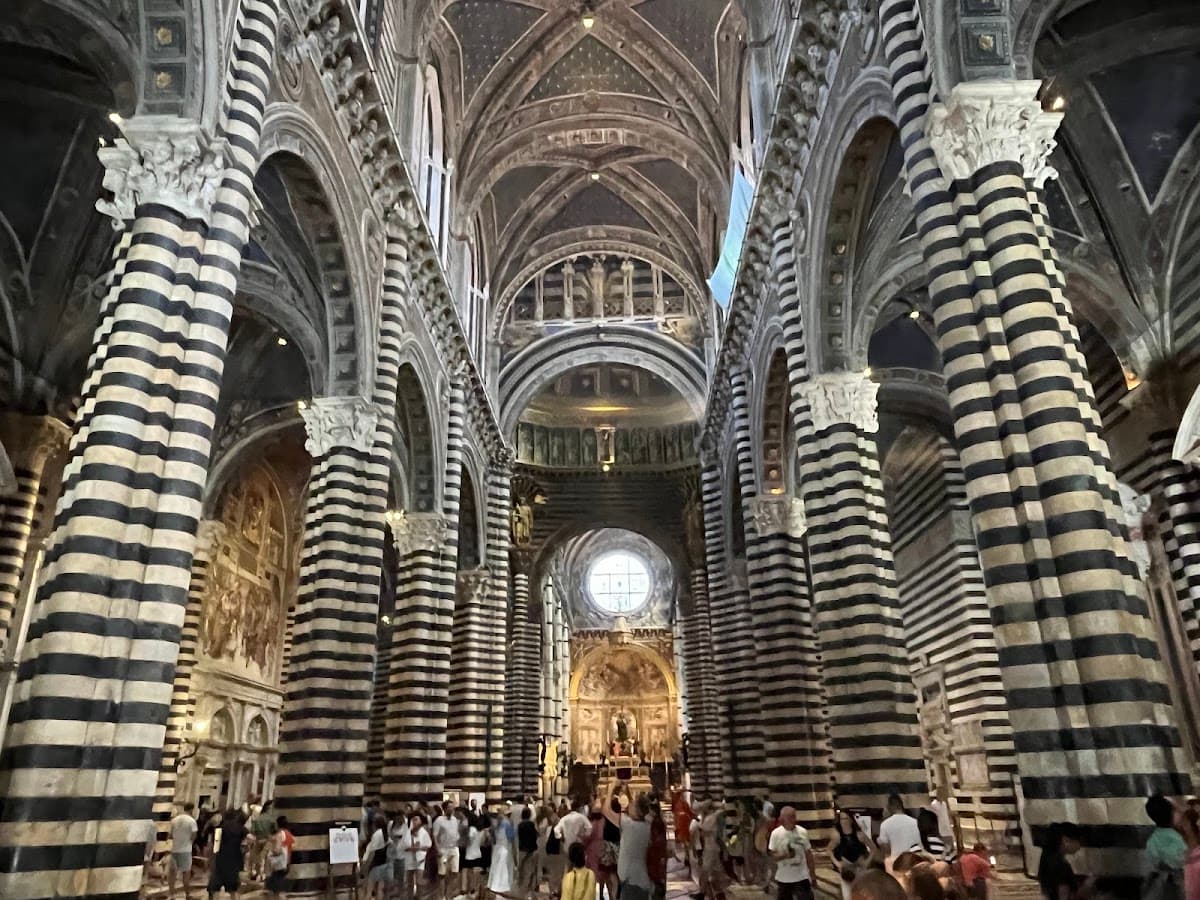
Siena Cathedral & Piazza del Campo Walking Tour
Guided or self-guided exploration of the 12th-century Cathedral interior, climb the bell tower (optional), admire the marble-inlay floor, and soak in the iconic fan-shaped piazza; 1.5-2 hours
Monteriggioni Walled Village Visit
Explore this perfectly preserved medieval hamlet with narrow stone streets, views of surrounding countryside, small museum, and local artisan shops; 1-1.5 hours
Pasta-Making & Cooking Class on Tuscan Farm
Learn to hand-roll pici pasta from a local chef, prepare tiramisu, enjoy farm walk through vineyards and olive trees, and dine on your creations with unlimited wine
Countryside Walk with Olive Grove & Vineyard Views
Guided or independent 1.5-2 hour walk through rolling fields, olive groves, and vineyards; learn about sustainable farming; stop for photos and local insights
Good to Know
5 picks
Book Tours & Classes Ahead
Wine tastings, cooking classes, and guided tours book up 1-2 weeks in advance, especially in peak seasons. Use GetYourGuide, Viator, or local operators like Fattoria dei Barbi. Many offer free cancellation up to 48 hours.
Transportation: Car Rental vs. Organized Tours
Rent a car (3-day ~$40-60) for maximum flexibility between villages, or book multi-day organized tours (3-day ~$350-500 per person) with hotel pickup. Public buses exist but are infrequent and less convenient for rural Tuscany. Driving is scenic but requires comfort with European roads and navigation.
Timing & Seasonal Considerations for March
March is shoulder season: mild weather (50-60°F), fewer crowds, but some farm stays and rural restaurants have reduced hours or require advance notice. Easter (April 20, 2026) is coming, so spring is beginning—wildflowers bloom in April. Book restaurants in small villages ahead; walk-ins risk closures.
Language & Local Customs
English is widely spoken in Florence and major towns, but rural villages and family-run farms often speak Italian only. Learn basic phrases ('Grazie,' 'Per favore,' 'Un tavolo per due'). Tipping is not expected; rounding up the bill or adding 5-10% for exceptional service is appreciated.
What to Pack for Tuscan Weather & Activities
Bring comfortable walking shoes (cobblestones are uneven), layers (mornings can be cool, afternoons warm), a light rain jacket (March is wet), and sun protection. For cooking classes, wear clothes you don't mind staining. A small day backpack suits the pace well.
Map
Best For
Start planning your trip with this itinerary in Takeoff.
Don't have the app? Download it free on the App Store.