Swakopmund
Namibia's German colonial gem between desert dunes and Atlantic waves
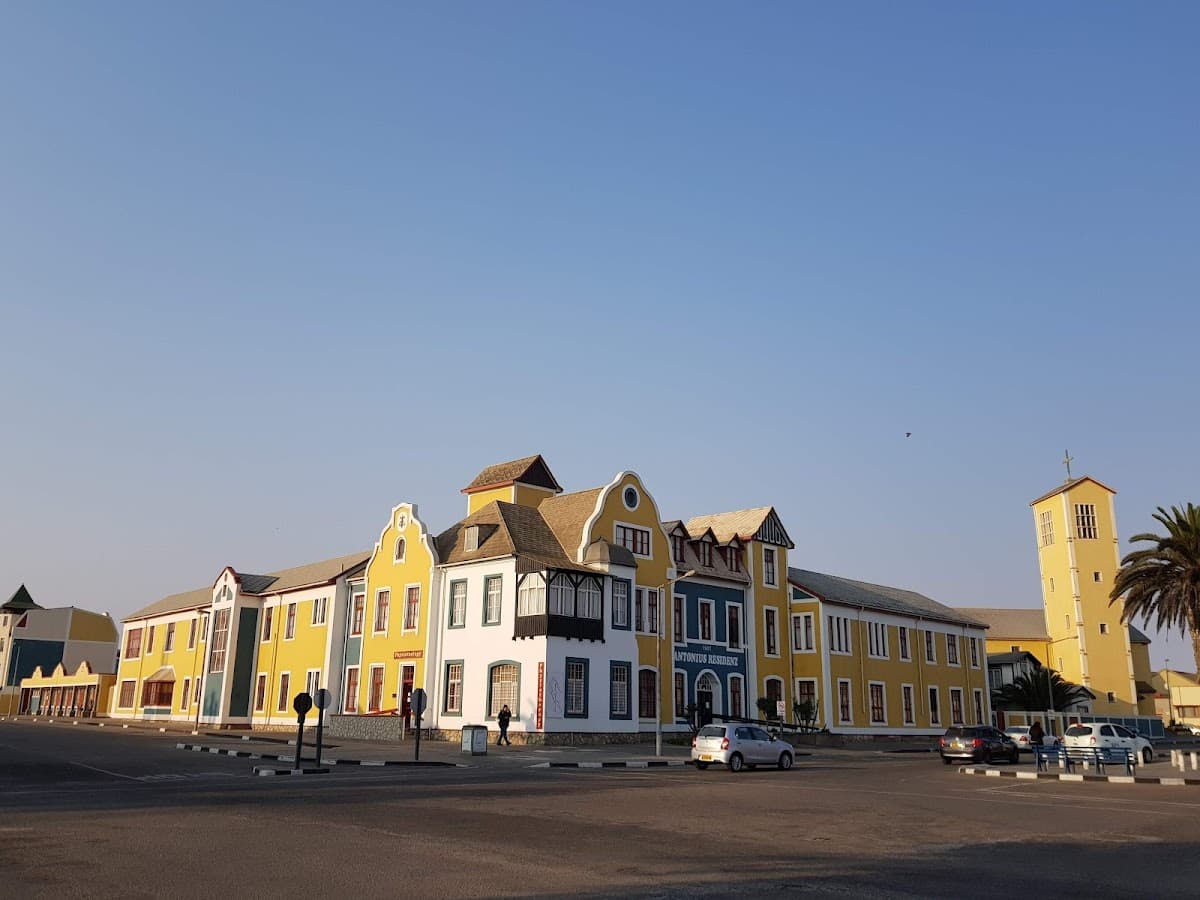
Swakopmund feels like someone dropped a Bavarian village into the Namib Desert and forgot to tell anyone. This coastal town of 44,000 people serves up bratwurst and Windhoek Lager while sand dunes tower behind Art Nouveau buildings and the Atlantic crashes against the shore. It's Namibia's adventure capital, where you can sandboard down 300-meter dunes in the morning and spot seals at Walvis Bay in the afternoon. The German influence runs deep here – street signs are in German, you'll hear more Deutsch than English in some cafes, and the local bakeries make pretzels that would make Munich proud. But this isn't just colonial nostalgia. Swakopmund has evolved into the launching pad for some of Africa's wildest adventures, from skydiving over the desert to quad biking through moonscapes that NASA uses for Mars training.
Best Months
APR – OCT
~20°C · low crowds
Culture & Context
BAVARIAN MEETS BANTU
Swakopmund was founded in 1892 as the main German harbour for South-West Africa, and those colonial bones never went away. The Bavarian-style facades are real, the German bakeries are real, and you can still get a proper Kaffee und Kuchen experience on a Tuesday afternoon. But the Germans are a minority today.
Most residents are Ovambo, Damara, Herero, and Nama, and many workers came from northern Namibia to take jobs in hotels and the fishing industry. You'll hear German, Afrikaans, Oshiwambo, and English sometimes in the same conversation. Herero women wear long Victorian-era dresses in bright colors — a tradition that came out of contact with German missionaries — and sell handmade crafts on Tobias Hainyeko Street.
Shops close for lunch and open again later, and nobody apologizes for it. The pace is genuinely slow. Locals would rather be at the beach, on the dunes, or at a braai than rushing anywhere.
Tourism has made merchants sharp-eyed about accents — prices at craft stalls go up when they hear one — but most items are handmade and worth negotiating fairly, not aggressively.
Local Customs
GREET FIRST, RESPECT ELDERS
Extended greetings matter here. Don't walk up to someone, skip the hello, and ask for directions. That's considered rude.
Start with a proper greeting first.. Firm handshake is standard. And here's a specific thing: touch your right elbow with your left hand while shaking hands with elders — it signals extra respect..
If someone offers you food or a drink, accept it. Refusing is considered impolite in Namibian culture, even if you're not hungry.. Always ask before taking photos of people, especially at craft markets or during cultural events.
Some communities — particularly Himba visitors at cultural gatherings — may expect a small donation for portraits.. Tip 10-15% at restaurants. It is expected and the service industry wages depend on it..
If you get invited to a braai (the local BBQ tradition), bring something. Drinks or snacks. Showing up empty-handed is noticed..
Do not point with your index finger. Use your open hand or thumb instead — pointing with one finger is considered impolite.. Bargaining at craft stalls is acceptable, but don't lowball handmade items.
Most are genuinely labor-intensive work and worth a fair price.
Safety
MOSTLY SAFE, WATCH SCAMS
Swakopmund is one of Namibia's safest tourist destinations, rated 7.1/10 overall, with lower crime rates than Windhoek and a dedicated Tourist Protection Unit (phone: 64 405 558). That said, petty crime exists.
Use ATMs inside bank branches, not on the street — card skimming at outdoor machines is a documented problem. The bar scam is real: a friendly stranger invites you to a specific venue where drinks run 5-10 times normal prices, and the situation can get uncomfortable when the bill arrives. Choose your own bars and check menu prices before ordering.
Taxis vary wildly in quality and some drivers have been involved in robberies — book through your hotel or the Tourist Protection Unit and agree on fares upfront. No formal rideshare apps operate here. The DRC township area has higher crime statistics; avoid walking there alone, especially after dark.
The central town, Vineta, and the Waterfront are all generally safe during evening hours. Keep car doors locked and nothing visible on seats.
Getting Around
RENT CAR, WALK CENTER
No metro, no rideshare apps, and the Desert Express tourist train is still suspended as of 2026 with no confirmed return date. To get from Windhoek, your options are: Intercape bus ($18-28, roughly 5h45m, though reviews document delays and mechanical issues), Carlos Shuttle or Welwitschia Shuttle (private daily services, more reliable), or renting a car and driving the 352km on the B2 highway yourself. Renting a car is strongly recommended for anyone wanting to explore the surrounding desert, coast, and Sossusvlei.
A fully equipped Toyota Hilux 4x4 runs about $213/NAD 3,382 per day. In town, minibus taxis cover basic routes but book through your accommodation for anything longer. The town center itself is very walkable — most attractions sit within a few blocks.
Stock up on small notes (N$10, N$20, N$50) because market vendors and local food spots are still cash-only.
Useful Phrases
Swakopmund Itineraries
View all
Sand, Sea & Dunes: A Wild Swakopmund Weekend
Weekend · $$$
Dunes, Desert Air & Atlantic Swells in Swakopmund
Day Trip · $$$
Sand, Sea & Dunes: 7 Romantic Days in Swakopmund
Week · $$$
Dunes, Atlantic Mist & Moonlit Romance in Swakopmund
Weekend · $$$
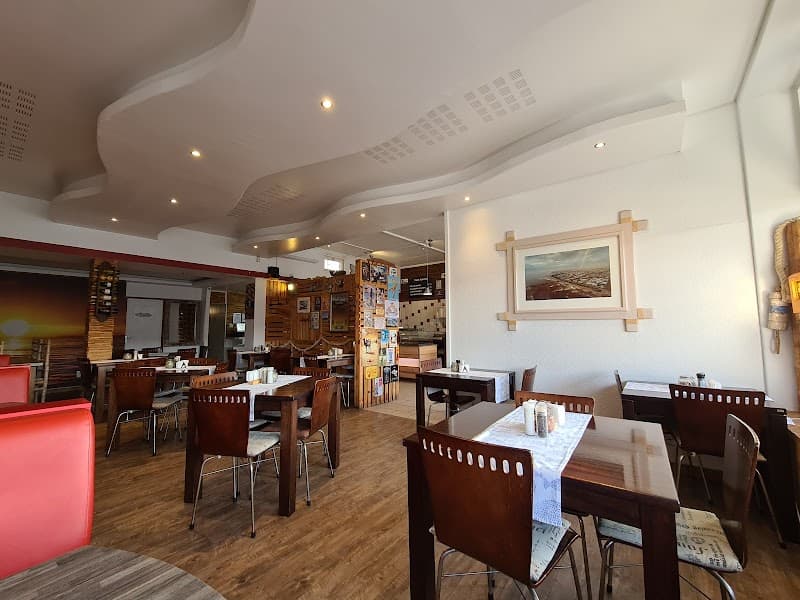
Dunes, Desert Skies & Atlantic Romance in Swakopmund
Day Trip · $$$
Dunes, Desert Ocean & Family Fun in Swakopmund
Week · $$$
Things to Do in Swakopmund
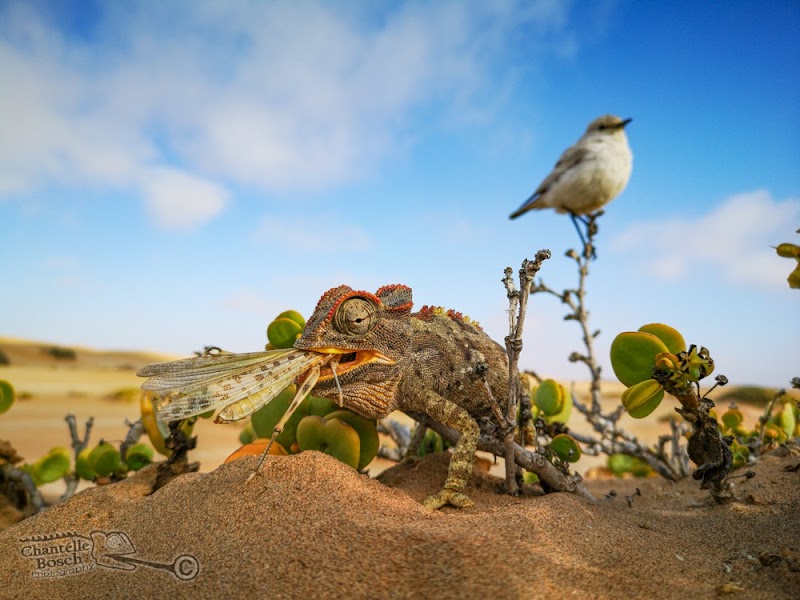
Living Desert Tour (Little 5 Safari)
Namib Desert Dune Belt South of Swakopmund · 240 min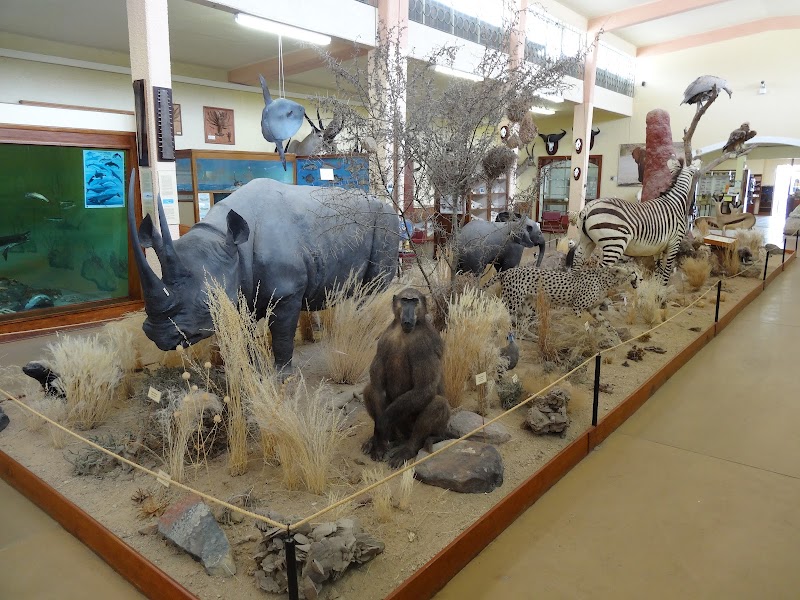
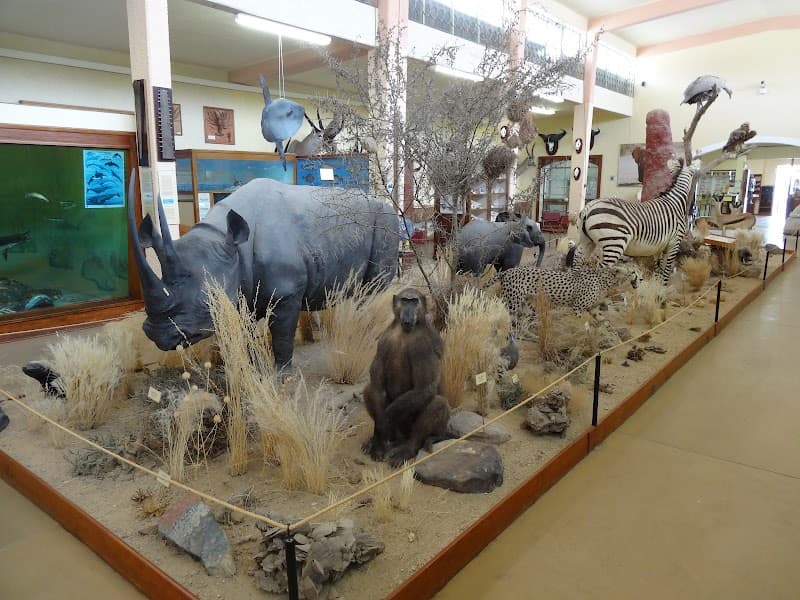
Swakopmund Museum
Swakopmund Mole / Seafront · 90 min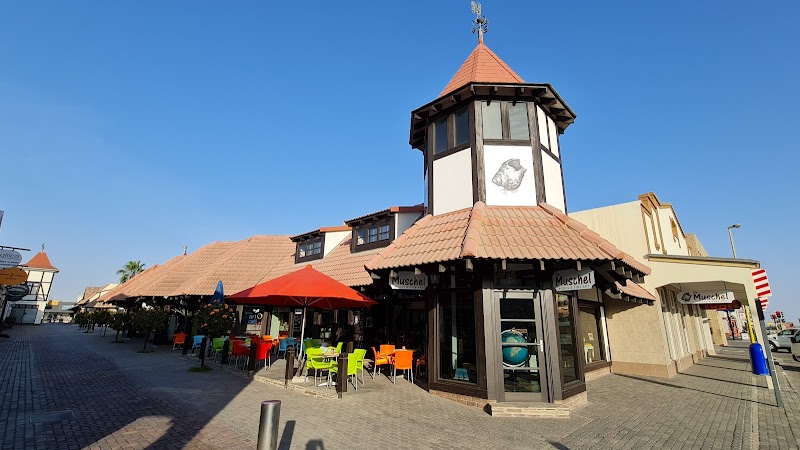
Free Evening in Swakopmund Center
Swakopmund Center · 90 minMoney-Saving Tips
- 1.Book accommodation directly with hotels rather than booking sites – many offer 10-15% discounts for direct bookings
- 2.Join group tours instead of private ones to split costs – sandboarding tours drop from N$1,200 solo to N$450 per person in groups of 4
- 3.Eat lunch at local spots like Village Café instead of hotel restaurants to save 40-50% on meal costs
- 4.Buy groceries at Spar or Pick n Pay for breakfast and snacks – hotel minibar prices are inflated
- 5.Book multi-activity packages through tour operators for better rates than individual excursions
- 6.Visit during shoulder seasons (April-May, September-October) when accommodation prices drop 20-30%
Travel Tips
- •Pack layers – temperatures swing 15°C between day and night, and coastal winds pick up after sunset
- •Book adventure activities 2-3 days ahead during peak season (June-September) as popular tours fill up
- •Bring sunglasses and sunscreen – the desert sun reflects off sand and can cause severe burns
- •Download offline maps – cell service gets spotty in the desert areas around town
- •Carry cash – many local restaurants and tour operators don't accept cards
- •Check wind conditions before booking skydiving or scenic flights – high winds frequently cancel flights
- •Wear closed shoes for desert activities – sand gets everywhere and can be scorching hot