
Dali
Ancient Yunnan kingdom beneath snow-capped Cangshan peaks
Look, Dali isn't just another Chinese tourist town. This ancient Bai kingdom sits between Erhai Lake and the towering Cangshan Mountains, and somehow it's managed to keep its soul intact. Sure, the old town gets crowded, but step into Xizhou village or cycle around the lake, and you'll find tea shops where locals still play mahjong all afternoon. The cobblestone streets of Dali Old Town buzz with backpackers and artists, while traditional Bai architecture stands firm against a backdrop of snow-capped peaks. Here's the thing — Dali moves at its own pace, and that's exactly why you'll want to stay longer than planned.
Best Months
MAR · APR · MAY · SEP · OCT · NOV
~23°C · moderate crowds
Culture & Context
BAI HEARTLAND & NOMADS
Dali is the heartland of the Bai people, and that matters more than any one attraction. The Bai (白族, meaning "white people") make up over 65% of the local population and have been here since before the 8th century, when Dali served as the capital of the Nanzhao and later the Dali Kingdoms. That's over 500 years of being the political and cultural engine of ancient Yunnan.
The present Old Town was rebuilt under the Ming Dynasty in the late 14th century after the Yuan Dynasty burned the original to the ground, so what you see now is layered history. The Bai are known for working silver and marble, for tie-dyeing intricate blue-and-white textiles in Zhoucheng village, and for a hospitality ritual called the Three Course Tea (San Dao Cha) where guests receive one bitter cup, one sweet, and one with a fragrant aftertaste. The symbolism maps onto life itself.
Bai houses are typically white-walled with vivid painted murals on the exterior. You will see this everywhere in the old villages around Erhai Lake. The town draws a specific crowd now: digital nomads, Chinese artists escaping Beijing and Shanghai, and backpackers who come for three days and stay for three months.
That bohemian layer coexists with active Bai village life, Buddhist pilgrims visiting the Three Pagodas, and domestic tour groups. All of these groups overlap on Fuxing Street, which is both the most useful and the most chaotic place in town.
Local Customs
THREE COURSES OF TEA
The Three Course Tea (三道茶, San Dao Cha) is a Bai hospitality ritual: the first cup is bitter (pure tea), the second is sweet (with brown sugar and walnut), and the third is fragrant (with honey, ginger, and Sichuan pepper). If you're offered it in someone's home or at a Bai farmhouse, accept. Refusing is considered rude..
Bai architecture rules: the white-walled courtyard compounds (called 'one sky and four walls') are private residences, not galleries. You'll see painted murals on exterior walls facing the street — these are public art meant to be appreciated from outside. Don't peer into courtyards uninvited..
At Bai markets and village stalls, light bargaining is expected but aggressive haggling is frowned upon. A 10-20% reduction is reasonable. Pushing harder than that on handmade goods is considered disrespectful to the craftsperson..
Remove your shoes before entering temples and certain traditional guesthouses. This is standard across China but more strictly observed in Bai religious spaces around Erhai Lake.. At the Torch Festival, wearing bright colors (especially red) is considered participatory and is welcomed by locals.
Standing back and just photographing is fine, but joining the dancing will make you friends fast.. Photographing elderly Bai women in traditional dress in the Old Town often comes with a small fee request — usually 5-10 RMB. This is normal.
The costumes are genuine and the women are not museum exhibits, so treating it as a fair exchange is the right call.. Yunnan's UV index is extreme at 2,000 meters elevation. Even on overcast days you'll burn faster than you expect.
Locals carry umbrellas year-round, not just for rain.
Safety
WATCH YOUR BELONGINGS
Dali is generally safe, but it has a few well-documented issues worth knowing. Pickpockets operate on Fuxing Street during peak season, particularly around the South Gate where tourist density is highest. Standard bag-watch precautions apply.
There have been reported robberies on the unmaintained footpaths leading up Cangshan Mountain, specifically on the trails toward Zhonghe Temple. Go in a group or take the cable car instead. The cable car is expensive (budget around 100 RMB) but the path robberies are real enough that multiple travel sources flag it.
On the food front, Fuxing Road restaurants routinely charge significantly more than the same dishes served a few streets over. Chinese menus are often cheaper than English ones at the same restaurant. Walk one or two blocks off the main drag and prices drop immediately.
UV radiation at Dali's 2,000-meter elevation is severe year-round. Sunburn happens fast, even on overcast days. Locals carry parasols every day of the year and they are right to do so.
Carry sunscreen of at least SPF 50. One more thing: scammers targeting tourists are active in the Old Town, including the classic "tea ceremony invitation" scam where new acquaintances invite you for tea and present an enormous bill afterward. If someone approaches you enthusiastically in English and immediately suggests going somewhere, be skeptical.
Getting Around
TRAIN, BUS & BICYCLES
Getting to Dali is easy. High-speed train from Kunming takes about 2 hours and costs 80-150 RMB. Book via the 12306 app (now supports international credit cards) or at the station.
The train arrives at Dali Railway Station in Xiaguan, not at the Old Town. From Xiaguan, local buses 4 and 8 run to the Old Town and cost almost nothing, though the ride takes about an hour. A taxi from Xiaguan to the Old Town runs around 30-40 RMB.
Dali Airport (DLU) is 13km east of Xiaguan. Taxis from the airport cost roughly 60 RMB to Xiaguan or 90 RMB to the Old Town. Once you're based in the Old Town, the best decision you can make is renting a bicycle for 20 RMB per day.
There is a dedicated bike trail around Erhai Lake and most of the villages worth visiting are reachable by pedal power. DiDi (the Chinese ride-hailing app) works in Dali and is significantly cheaper and more transparent than flagging a taxi on the street, especially in the tourist zone where some drivers quote tourist prices. For day trips to Xizhou or Shuanglang, a shared minibus from the north gate area is the cheapest option.
For Shaxi, a private car or direct bus from Xiaguan's main bus station is the standard move, about 2 hours each way.
Useful Phrases
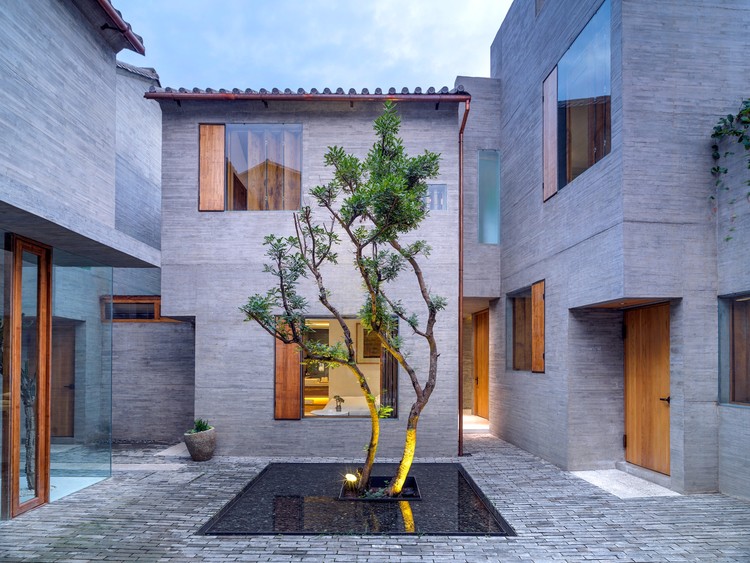
Where to Stay in Dali
1 recommended properties
Money-Saving Tips
- 1.Rent electric bikes for 30-50 yuan per day instead of hiring taxis — you'll save money and see more of Erhai Lake
- 2.Eat at local family restaurants in Xizhou village rather than tourist spots on Foreigner Street to cut meal costs in half
- 3.Book guesthouses directly instead of through booking platforms to avoid commission fees, especially in smaller villages
- 4.Take local buses (6 yuan) between towns instead of tourist shuttle buses that charge 20-30 yuan for the same route
- 5.Buy snacks and drinks at local markets rather than tourist shops — prices drop by 60% just one block away from main streets
- 6.Visit during shoulder seasons (March-May, September-November) when accommodation prices drop and you can negotiate better rates
Travel Tips
- •Download Baidu Maps before arriving — Google Maps barely functions in this region and you'll need navigation for lake cycling routes
- •Pack layers even in summer — mountain weather changes quickly and those traditional guesthouses get cold at night
- •Learn basic Mandarin phrases or use a translation app — English isn't widely spoken outside main tourist areas
- •Bring cash — many local restaurants and bike rental shops don't accept cards or mobile payments
- •Book Cangshan cable car tickets online in advance during peak season to avoid hour-long queues at the base station
- •Respect local Bai customs when visiting villages — ask permission before photographing people and dress modestly in temples