
Shenzhen
China's Silicon Valley meets futuristic urban playground
Look, ten years ago most people couldn't even pronounce Shenzhen. Now it's China's answer to Silicon Valley, wrapped in a gleaming metropolis that makes Dubai look modest. This former fishing village turned mega-city pulses with 13 million people, cutting-edge tech, and shopping that'll max out your credit cards faster than you can say "Taobao."
The skyline changes monthly. Seriously - cranes work around the clock building tomorrow's landmarks while you sleep. But here's what makes Shenzhen special: it's not trying to be Beijing or Shanghai. This city writes its own rules, speaks its own language of innovation, and somehow manages to feel both impossibly futuristic and surprisingly livable.
Best Months
JAN · FEB · MAR · OCT · NOV · DEC
~23°C · moderate crowds
Culture & Context
BOOM TOWN ENERGY
Shenzhen is the ultimate proof of what can happen when a government declares a fishing town a Special Economic Zone. In 1980, roughly 30,000 people lived here surrounded by rice paddies. Now it's a city of 17+ million, home to Huawei, Tencent, and DJI.
Over 70% of residents are migrants from other parts of China, which makes this one of the most culturally mixed cities in the country. The average resident age is around 32. Everyone came here to build something.
That energy is real and it's contagious. Mandarin is the working language everywhere — schools, government, transit — but you still hear Cantonese in older neighborhoods like Dongmen, and regional dialects from Sichuan to Heilongjiang if you listen at any food court. The city protects 120+ intangible cultural heritage projects, including the Dapeng Fish Lantern Dance.
It has more buildings over 200 meters tall than any other city in the world. And yet, wide streets, over 1,300 parks, and electric vehicles everywhere make it feel less dense than you'd expect.
Local Customs
MOBILE PAY REQUIRED
Shenzhen runs almost entirely on mobile payments. WeChat Pay and Alipay are not optional extras — they are the way you pay for almost everything, from street food to subway rides. Set up Alipay with your foreign credit card before you arrive..
Always hand items — money, a business card, a gift — with both hands. It signals respect and locals notice when you skip it.. Don't photograph military installations, government buildings, police checkpoints, or border infrastructure.
China enforces this strictly. Drones require permits and restricted zones are extensive; don't fly without checking in advance.. Tap water is treated but locals don't drink it straight.
Stick to bottled or filtered water for the duration of your trip.. During Chinese New Year, a large portion of Shenzhen's migrant population returns home, which actually thins out crowds at many attractions. Shops and restaurants in commercial areas may be closed for several days.
Plan ahead for food.. Bargaining is expected at places like Dongmen, Huaqiangbei, and wet markets. It's not expected in malls or chain stores.
Start at about half the asking price and meet somewhere in the middle.. At restaurants, calling a server is fine and normal — it doesn't feel rude here. Saying 'fúwùyuán' (服务员) to get their attention is the standard move..
Carrying your hotel's name and address in Chinese characters is genuinely important. Taxi and Didi drivers often can't read Pinyin, and showing them your phone screen with the Chinese address solves the problem instantly.
Safety
VERY SAFE, STAY SMART
Overall, Shenzhen is low risk. Violent crime is genuinely rare. Police presence is visible throughout the city, surveillance is extensive, and streets stay well-lit at night.
Solo female travelers generally report feeling comfortable, including at night. That said, there are a few things to be realistic about. Pickpocketing happens in crowded shopping areas like Dongmen and Huaqiangbei markets, and on busy metro lines during rush hour.
Keep your phone in a front pocket and use a crossbody bag in crowds. Typhoon season runs July through September — check weather forecasts daily during this period and follow official advisories. Never photograph military infrastructure, government checkpoints, or sensitive buildings; China enforces this strictly and the consequences are not minor.
Drug offenses carry extremely harsh penalties even for small amounts. Don't use drones without verifying permits and restricted airspace — the rules are extensive. Drink bottled or filtered water only.
For accommodation, stick to verified platforms and hotels in Futian, Nanshan, or near the airport rather than unverified guesthouses in industrial areas. Travel insurance is strongly recommended as medical costs for foreigners without coverage can be significant.
Getting Around
METRO & DIDI
The metro is your main tool. 18 lines, ¥2–8 per single trip depending on distance, English signage in most stations, clean and frequent. Get a Shenzhen Tong reloadable transit card from any ticket machine (English instructions available) — it works on metro and buses and saves time over buying single tickets.
Line 1 is the east-west backbone running from Luohu through Futian to Nanshan and on toward the airport. Line 2 is the coastal line hitting Shekou, Sea World, and OCT. Line 11 is your airport express.
Buses run ¥1–4 per trip and cover areas the metro misses, but they're slower. For rides, Didi is the default app — registered, safe, and drivers use navigation so the language barrier matters less. Registered taxis are generally reliable but language can be a barrier if you don't have your destination in Chinese.
The Luohu border crossing to Hong Kong is a literal walk — operating 6:30am to midnight. The Futian checkpoint also has direct MTR access into Hong Kong, operating 6:30am to 10:30pm. For the high-speed rail to Hong Kong West Kowloon (45 minutes) or Guangzhou South (30 minutes), book through official rail apps.
Shekou also has a ferry terminal connecting to Hong Kong Airport and Macau if you want to skip the land crossings entirely.
Useful Phrases
Shenzhen Itineraries
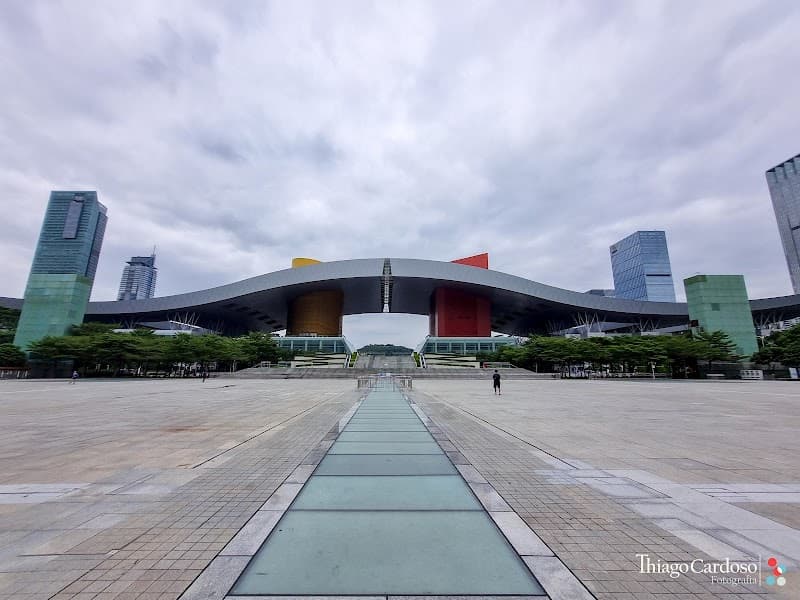
Where to Stay in Shenzhen
1 recommended properties
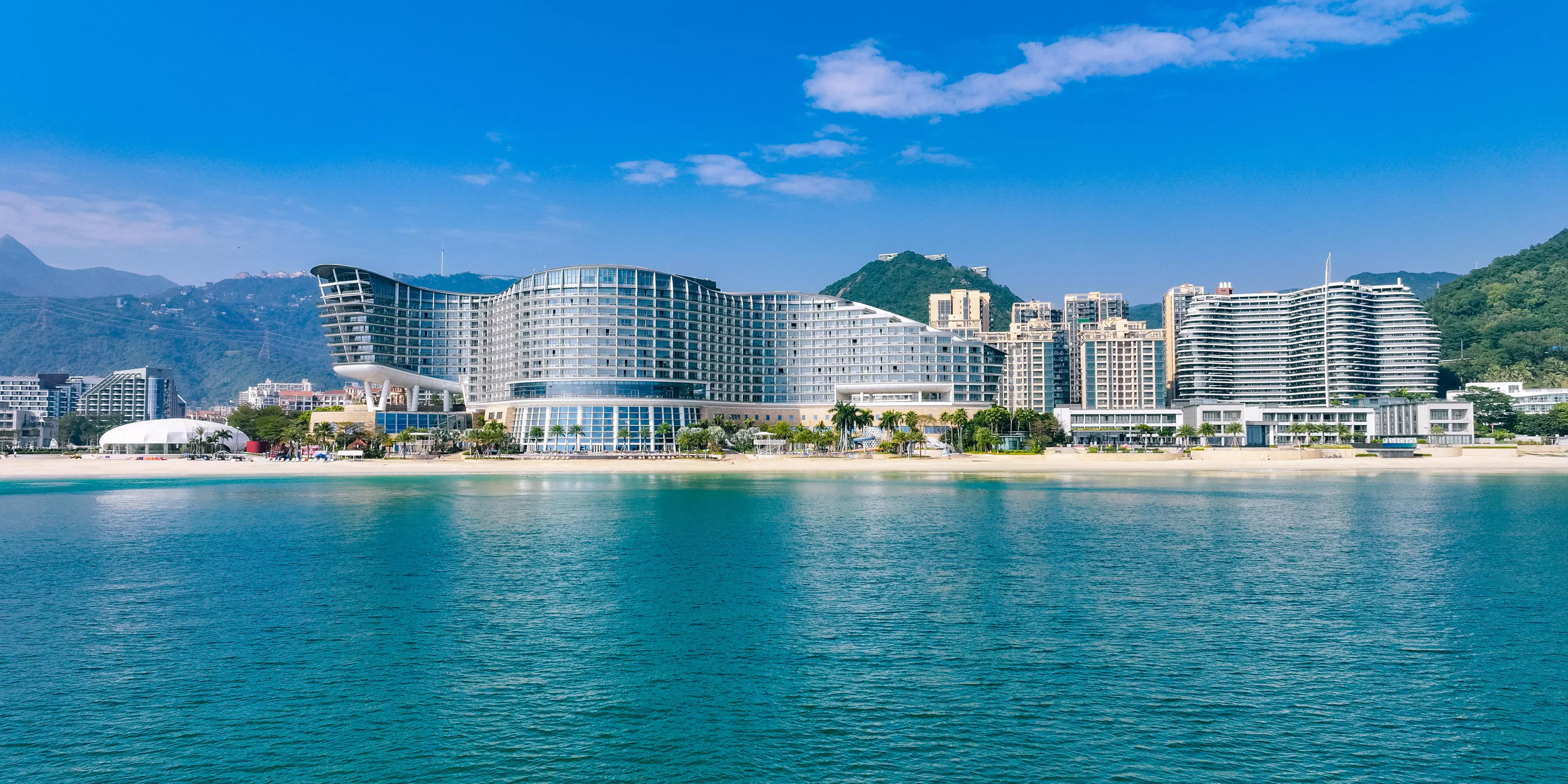
Things to Do in Shenzhen
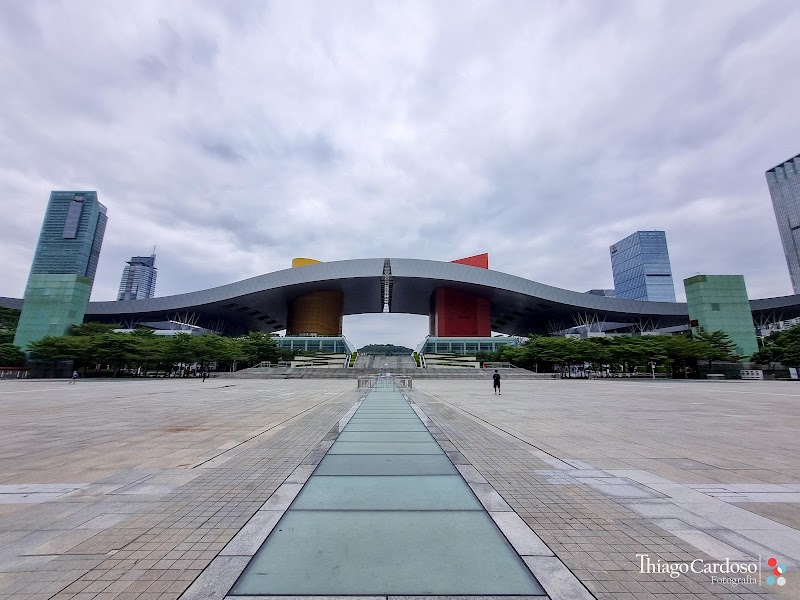
Shenzhen Civic Center
Futian CBD · 75 min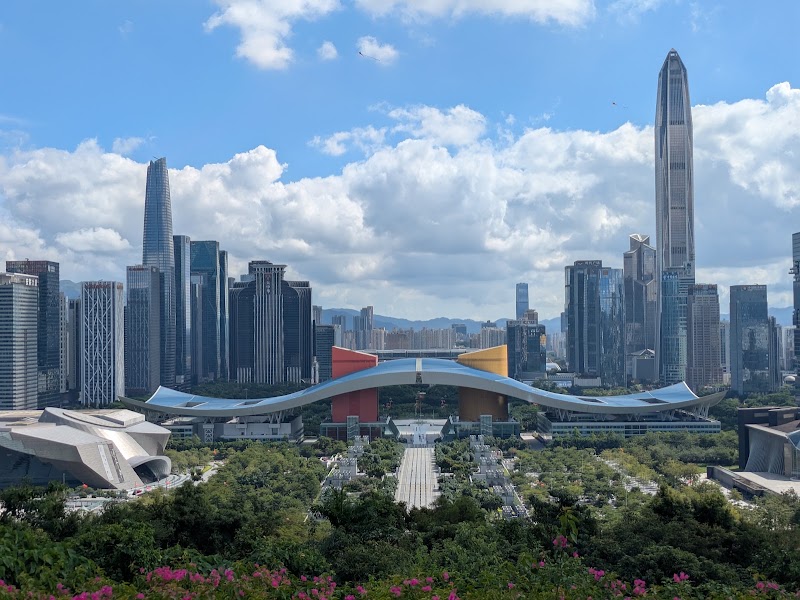
Lianhuashan Park
Futian · 90 min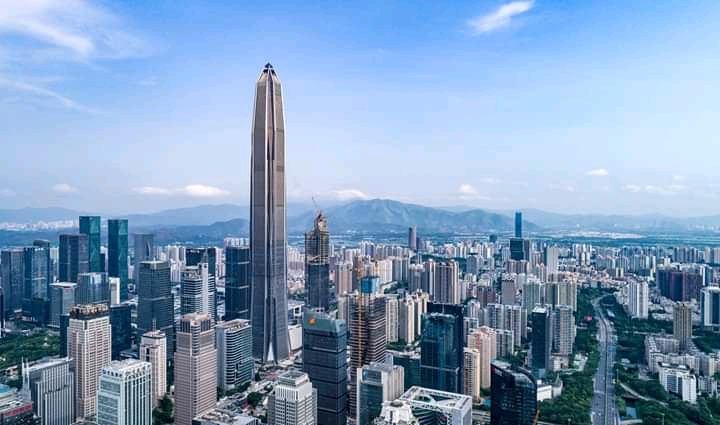
Free Explore: Futian CBD
Futian CBD · 150 minMoney-Saving Tips
- 1.Metro day passes cost 20 yuan and pay for themselves after three rides - way cheaper than taxis during rush hour
- 2.Eat where locals eat in Dongmen - street food costs 10-20 yuan vs 80+ yuan in tourist areas
- 3.Shopping malls offer free WiFi and air conditioning - perfect for escaping summer heat without spending money
- 4.Download Alipay before arriving - many places don't accept cash and foreign cards often don't work
- 5.Book hotels in Nanshan over Futian - similar amenities but 30% cheaper rates
- 6.Happy hour at rooftop bars runs 5-7 PM - cocktails drop from 80 to 50 yuan
- 7.Buy electronics in Huaqiangbei but negotiate hard - starting prices are inflated for tourists
Travel Tips
- •Download VPN before arriving - Google, Facebook, and Instagram are blocked
- •Learn basic Mandarin phrases or download translation apps - English isn't widely spoken outside hotels
- •Carry tissue paper - public restrooms rarely provide it
- •Dress modestly when visiting temples or government buildings - tank tops and shorts aren't appropriate
- •Keep your passport handy - some hotels and attractions require ID for entry
- •Air pollution can be heavy - pack a face mask for bad air quality days
- •Tipping isn't expected or required - service charges are already included in bills
- •Summer temperatures hit 35°C with high humidity - pack lightweight, breathable clothing