
Ankara
Turkey's political heart with ancient Anatolian roots
Forget Istanbul for a moment. Turkey's capital doesn't get the love it deserves, but that's exactly why you should go. Ankara sits on a high plateau in central Anatolia, where Roman ruins share space with government buildings and locals still outnumber tourists 10 to 1. The city pulses with authentic Turkish life - no tourist menus here, just proper döner at 3am and tea gardens where civil servants debate politics. Sure, it's not as flashy as the Bosphorus, but Ankara rewards curious travelers with genuine experiences and prices that won't drain your wallet.
Best Months
APR · MAY · JUN · SEP · OCT
~22°C · moderate crowds
Culture & Context
CAPITAL WITH HIDDEN DEPTH
Ankara is Turkey's capital, not its most famous city. That distinction belongs to Istanbul, and Ankara knows it. But that quiet chip on its shoulder makes it more interesting, not less.
This is where the republic was born in 1923 when Atatürk deliberately chose this Anatolian plateau city over cosmopolitan Istanbul. The decision still shapes everything: the wide boulevards, the government ministries stacked along Atatürk Bulvarı, the reverence for Atatürk that you feel most intensely here, at his mausoleum Anıtkabir. The city has real depth.
It was Ancyra under the Romans, a stop on ancient trade routes, and home to Hittite settlements going back to 2000 BCE. Today it's a city of five-plus million people, packed with university students, diplomats, civil servants, and a growing creative class. Ankara doesn't perform for tourists.
That's exactly why it's worth your time.
Local Customs
ACCEPT THE TEA, REMOVE SHOES
Tea is a social contract here, not just a drink. If someone offers you çay in a tulip-shaped glass, you accept at least one cup. Refusing can read as cold or rude.
You'll find it in shops, offices, even repair stalls on the street.. Remove shoes before entering someone's home. Hosts will often provide slippers.
This is non-negotiable social etiquette across Turkey, and Ankara is no exception.. When visiting mosques like Hacı Bayram or Kocatepe, dress modestly. Women cover their heads and shoulders; men avoid shorts.
Scarves are often available at the entrance, but bringing your own is better.. Tipping in restaurants runs 5–10%. Round up the bill or leave small change.
Splitting the bill is not common practice. If someone invites you out, they typically expect to pay.. Atatürk's image appears everywhere, from banknotes to café walls.
Criticism of him is not just socially awkward, it's legally sensitive under Turkish law. Don't go there with people you've just met.. Avoid loud political discussions with strangers.
Turkey's political climate in 2026 has seen significant tensions, including protests following the arrest of Istanbul Mayor İmamoğlu. Public demonstrations do happen in Ankara. Steer clear of crowds gathering near government buildings..
The first offer rule: when invited for a meal, a polite initial decline is customary. Accept by the third offer. It signals genuine sincerity rather than just politeness.
Safety
SAFE BUT STAY ALERT
Ankara is among the safest cities in Turkey for tourists. As the diplomatic capital, it's organized, well-patrolled, and heavily surveilled. That said, the US State Department maintains Turkey at Level 2 (Exercise Increased Caution) as of early 2026, primarily due to terrorism risks and the ongoing conflict situation near the Syrian and Iraqi borders.
Ankara is far from those regions, but stay alert in crowded public spaces like markets, transport hubs, and government-adjacent areas. In 2024, there was an attack on a Turkish Aerospace Industries facility in Ankara Province (a secured government site, not a tourist area). More recently, large protests erupted in Ankara and other major cities in early 2025 following the arrest of Istanbul Mayor Ekrem İmamoğlu.
Demonstrations can still occur without warning. Avoid any gathering that looks like a political protest, especially near government buildings and embassies. Standard city sense applies everywhere: keep copies of your passport, use official taxi apps or metered orange cabs (not unlicensed drivers), keep bags close in Kızılay and markets.
For women traveling solo, Ankara is generally considered safe, but dress modestly and trust your instincts at night. Emergency numbers: 112 (general), 155 (police). English-speaking officers are not guaranteed outside major tourist points.
The US Embassy is located in Ankara on Atatürk Bulvarı, No. 110, Kavaklıdere.
Getting Around
METRO ESSENTIAL, HILLS BRUTAL
Esenboğa International Airport (ESB) sits about 28–33 km northeast of the city center. No metro line connects it yet. (Construction on the 36-kilometer YHT Gar–Esenboğa Metro Line is just beginning in 2026, with 12 planned stations.
Don't expect it to be running on your visit.) Your airport options are: the Havaş shuttle bus to the city center for around 200 TL (roughly $5), which drops at AŞTI bus terminal; the BelkoAir public bus No. 442 to Kızılay Square; or a metered taxi for 750–1,000 TL depending on traffic, cash only for most orange cabs.
Ride apps like BiTaksi operate at the airport but route you through official taxis. Once in the city, the metro system is your best friend. Ankara has five underground lines (Ankaray plus four metro lines), totaling over 103 km of track.
Kızılay is the main interchange where lines cross. Buy an AnkaraKart at any metro station for discounted fares on buses, metro, and some other transport. Intercity connections are excellent.
High-speed trains run to Istanbul. The AŞTI bus terminal reaches every province in Turkey. For day trips, rent a car or use intercity buses to reach Gordion (ancient Phrygian capital, about 90 minutes away).
One real downside: Ankara is hilly and spread out. Walking between neighborhoods like Ulus and Çankaya is genuinely tiring and not always practical. Use the metro, not your feet.
Useful Phrases
Ankara Itineraries
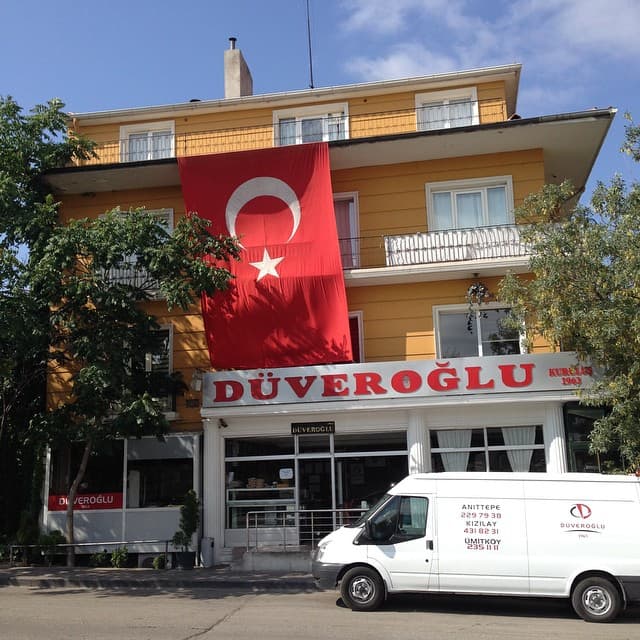
Things to Do in Ankara
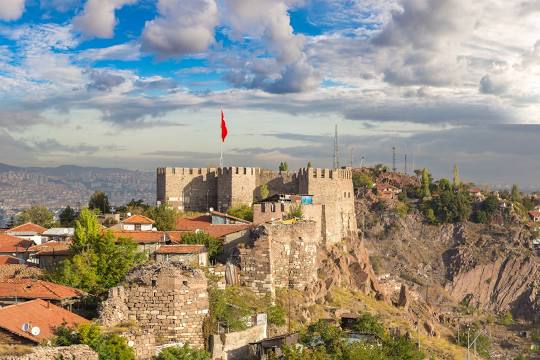
Ankara Castle (Ankara Kalesi) & Citadel Quarter
Ulus / Kale · 120 min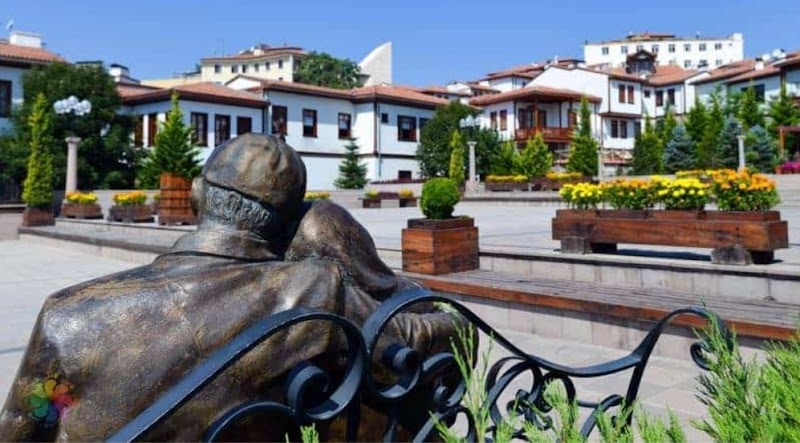
Hamamönü Historic Quarter
Hamamönü · 150 min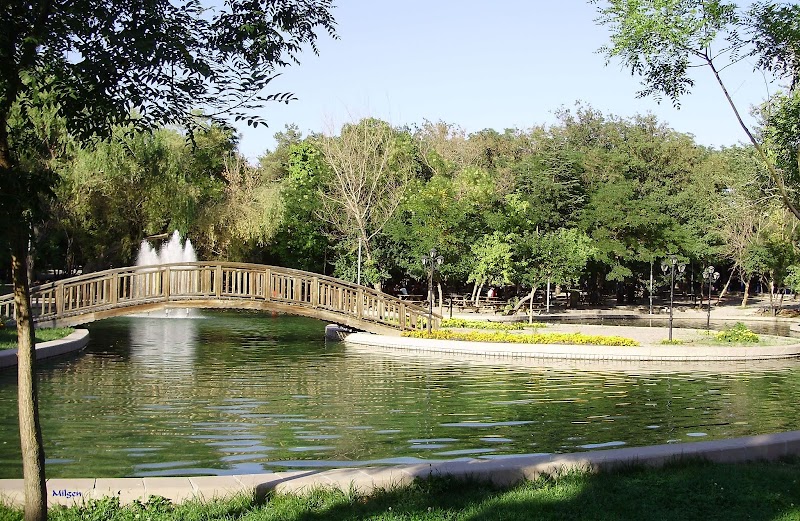
Kurtuluş Park (Kurtuluş Parkı)
Kurtuluş · 60 minMoney-Saving Tips
- 1.Buy an AnkaraKart for public transport - it's 50% cheaper than individual tickets and works on all metro lines and buses
- 2.Eat lunch at lokanta restaurants near government buildings - they serve quality Turkish food for 60-80 lira to feed hungry civil servants
- 3.Shop at Ulus Pazarı on Saturdays for fresh produce and local goods at fraction of tourist area prices
- 4.Book hotels Sunday-Wednesday when business travelers aren't in town - rates drop 30-40%
- 5.Skip expensive museum cafes and grab tea and simit from street vendors for under 10 lira
- 6.Use dolmuş minibuses instead of taxis for short distances - they cost just 8 lira vs 25+ for taxis
Travel Tips
- •Ankara sits at 850m elevation - pack a jacket even in summer as nights get surprisingly cool
- •Learn basic Turkish greetings - locals appreciate the effort more here than in touristy Istanbul
- •Government buildings close entire districts during official visits - check local news before planning routes
- •The citadel gets crowded with local families on weekends - visit weekday mornings for better photos
- •Many restaurants close between 3-6pm for afternoon break - plan meals accordingly
- •Bring comfortable walking shoes - Ankara's hills and cobblestone streets in old town are tough on feet
- •Download offline maps - cell coverage can be spotty in the citadel area
- •Carry cash - many local restaurants and shops don't accept cards, especially in Ulus district