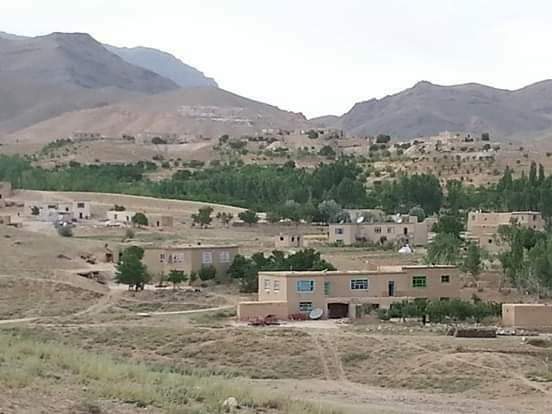
Afghanistan
Ancient Silk Road heritage amid challenging circumstances
Afghanistan sits at the crossroads where empires once collided and caravans carried silk, spices, and stories between East and West. This land holds some of the world's most significant archaeological treasures, from the towering Buddhas of Bamiyan's empty niches to the blue-tiled minarets of Herat.
But let's be honest — Afghanistan in 2026 isn't your typical backpacking destination. The security situation remains complex, and most governments strongly advise against travel here. Tourism infrastructure is minimal, and independent travel requires extensive planning, local contacts, and often armed escorts. The Taliban's return to power has also restricted women's movement and imposed strict cultural codes.
Yet beneath these challenges lies a country of extraordinary beauty and cultural depth. The Hindu Kush mountains rival any range in Central Asia, while cities like Mazar-i-Sharif house Islamic architecture that puts many East Asia monuments to shame. Afghan hospitality remains legendary — tea with strangers can turn into invitations to family weddings.
For now, most travelers experience Afghanistan through documentary films, books, or virtual tours. Those who do visit typically come on highly organized expeditions with security clearance, cultural sensitivity training, and deep respect for local customs. The country's story continues to unfold, and perhaps future years will see safer access to these remarkable Silk Road treasures.
Explore Subregions
Explore the Region

Money-Saving Tips
- 1.Bring US dollars in pristine condition — torn or marked bills are often rejected and exchange options are extremely limited
- 2.Budget $200-300 per day for organized tours including security, transport, and basic accommodation
- 3.Negotiate transport costs in advance as fuel prices fluctuate wildly and drivers add security premiums
- 4.Carry cash for everything — credit cards don't work and ATMs are unreliable or non-existent
- 5.Factor in substantial 'facilitation fees' for permits, guides, and checkpoint clearances that aren't advertised
- 6.Medical evacuation insurance is essential and expensive — budget $500+ for comprehensive coverage
- 7.Local SIM cards cost $20-50 but connectivity is sporadic, making international roaming potentially worthwhile
Travel Tips
- •Obtain multiple passport copies and keep them separate — checkpoints often retain documents temporarily
- •Learn basic Dari or Pashto greetings and always ask permission before photographing people or buildings
- •Pack conservative clothing covering arms and legs completely, with head coverings for women in all public spaces
- •Bring a comprehensive first aid kit and any prescription medications with official documentation
- •Download offline maps and translation apps before arrival as internet access is unreliable
- •Register with your embassy and maintain regular contact schedules with family or employers
- •Respect prayer times and local customs — Friday prayers can shut down entire districts for hours