
East Asia
Dynamic blend of ancient traditions and cutting-edge modernity
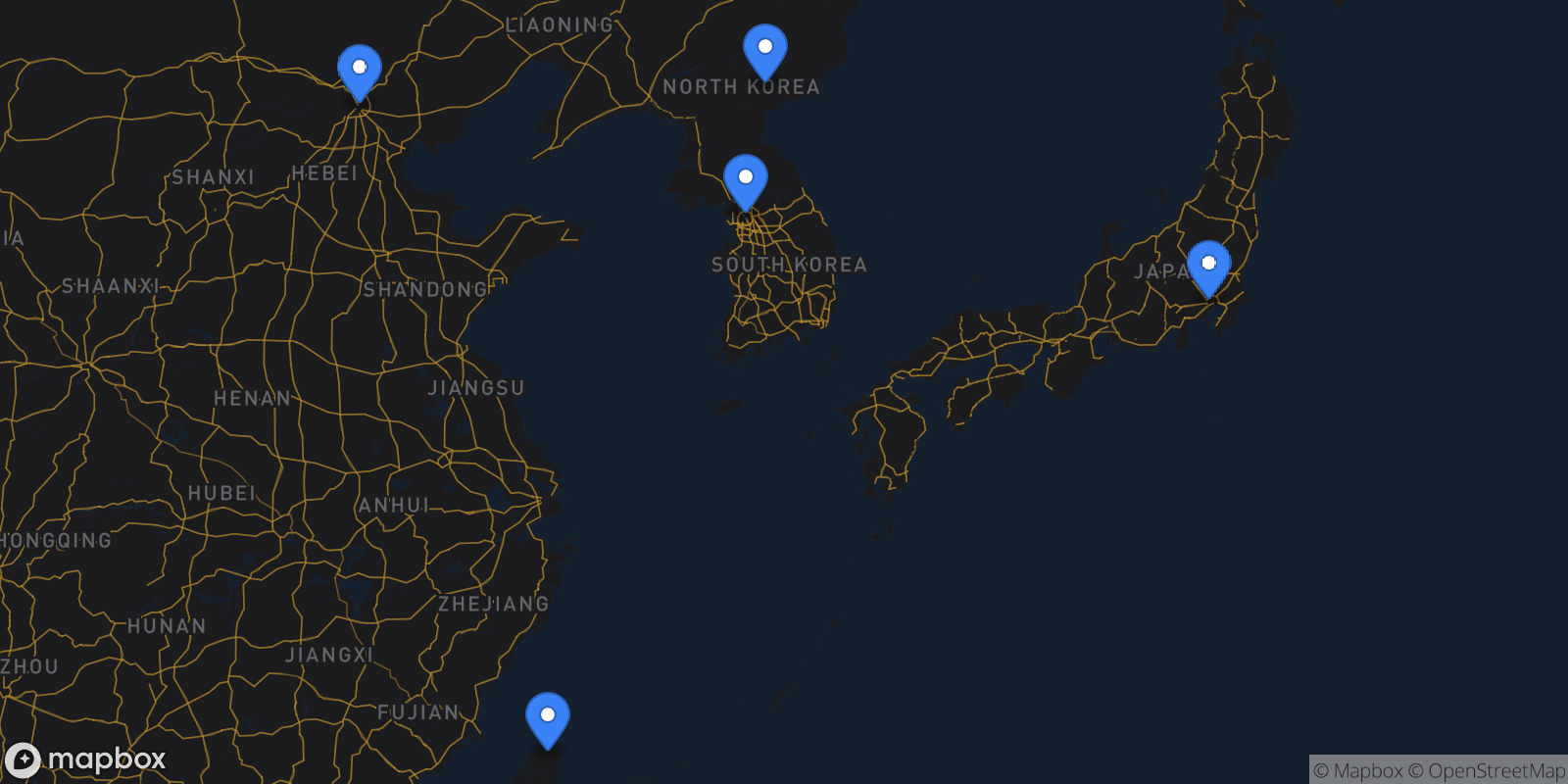
East Asia hits different. One minute you're slurping ramen in a Tokyo alleyway, the next you're watching monks chant in a 1,400-year-old temple in Kyoto. This is where bullet trains zip past rice paddies, where street vendors serve up the world's best dumplings for $2, and where ancient traditions somehow coexist with neon-lit skyscrapers.
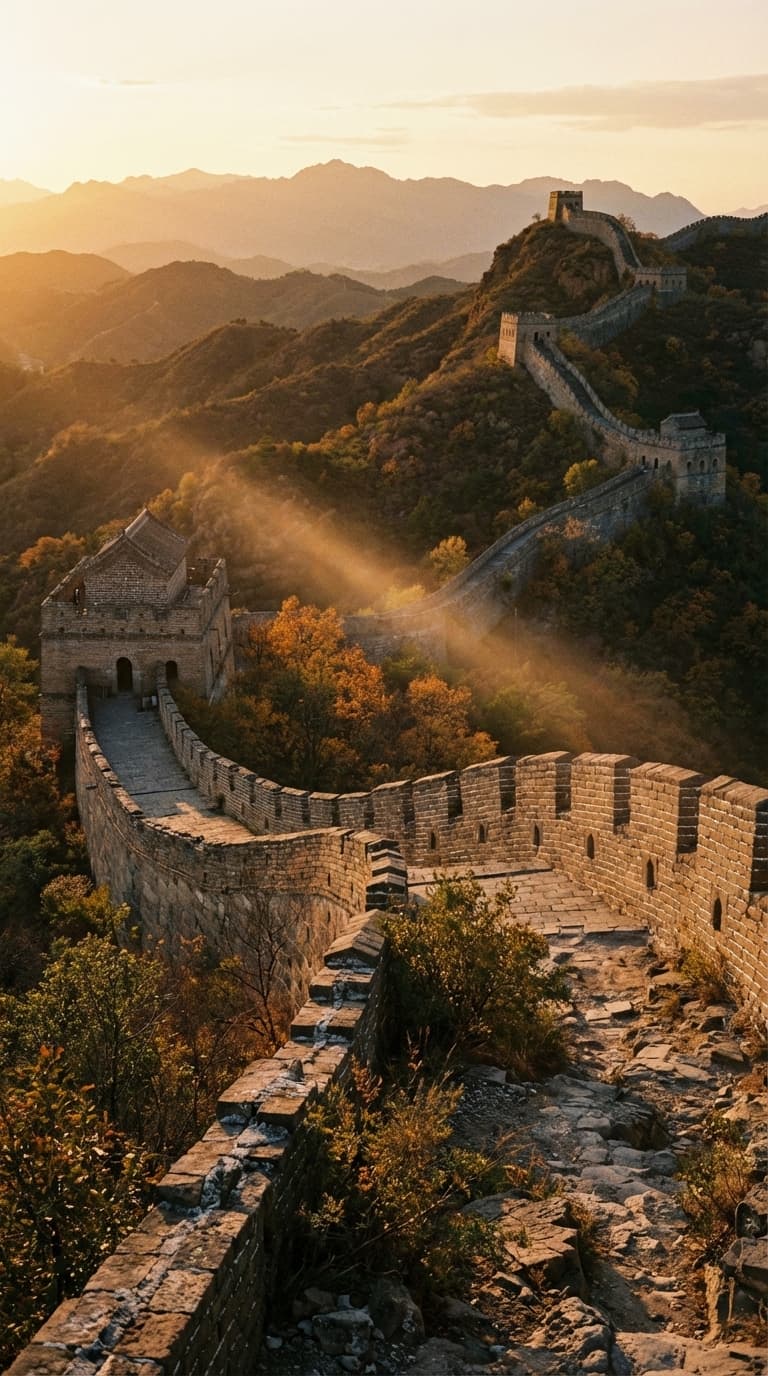
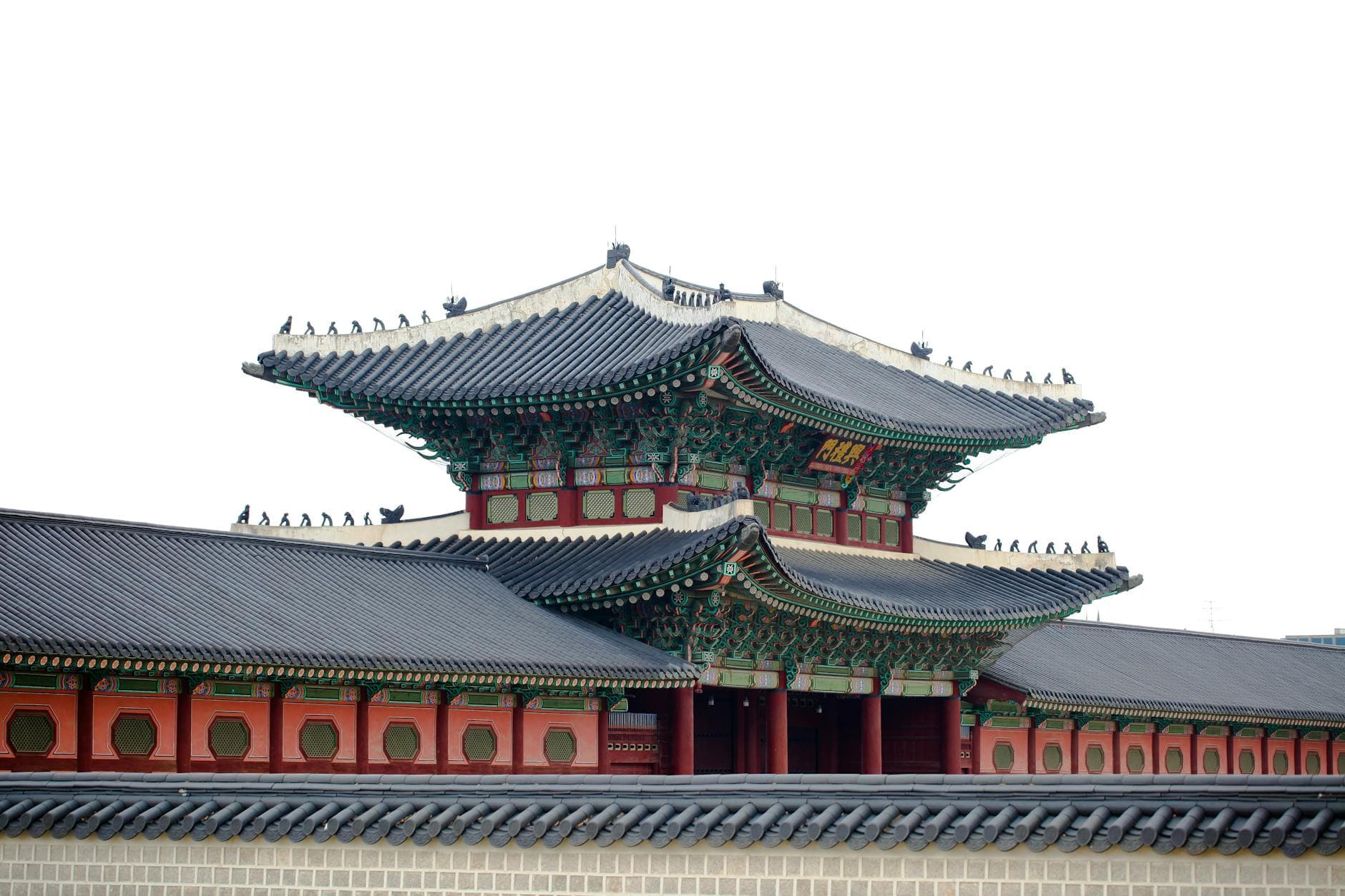
The region spans from Japan's cherry blossom festivals to China's Great Wall, from South Korea's K-pop culture to Taiwan's night markets. But here's what guidebooks won't tell you: East Asia isn't just about checking off bucket list sites. It's about that moment when you realize the elderly man teaching you origami in a Seoul park speaks better English than you expected, or when you discover that the best xiaolongbao in Shanghai comes from a hole-in-the-wall joint with no English menu.
Sure, the language barriers can be real. And yes, some cities feel overwhelming at first. But East Asia rewards the curious traveler with experiences you can't get anywhere else on the planet.
Explore Countries

Explore the Region
East Asia Itineraries
View all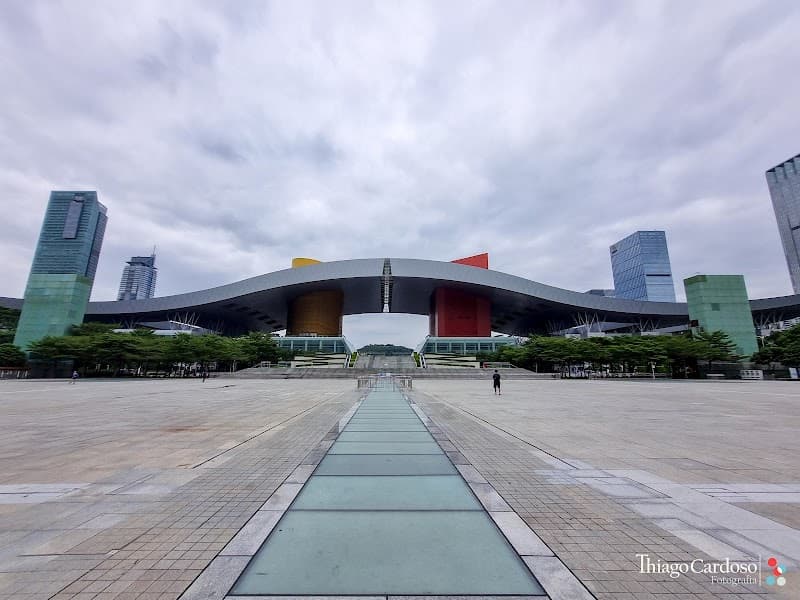
Shenzhen in Three Days: Food, Futurism, and Local Life
Weekend · $$$
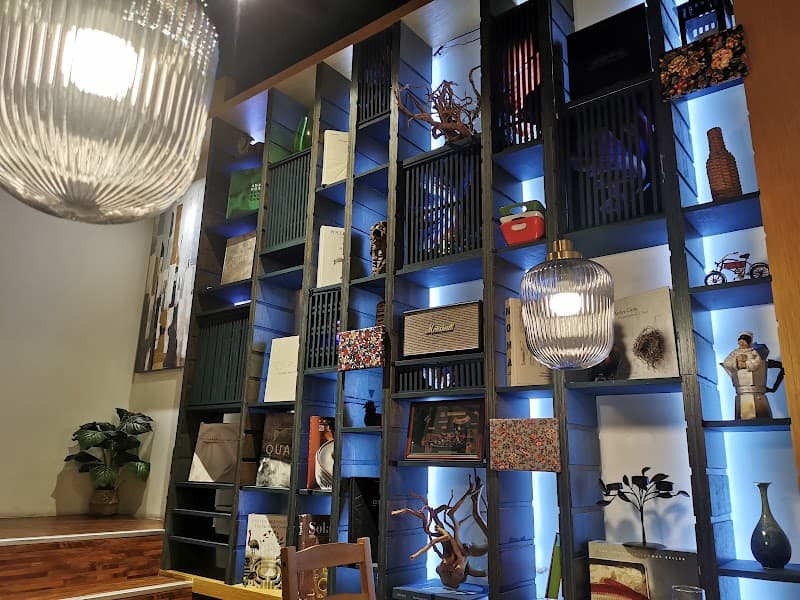
Taiwan by Rail, Street Food, and Coastal Adventure
Weekend · $$$
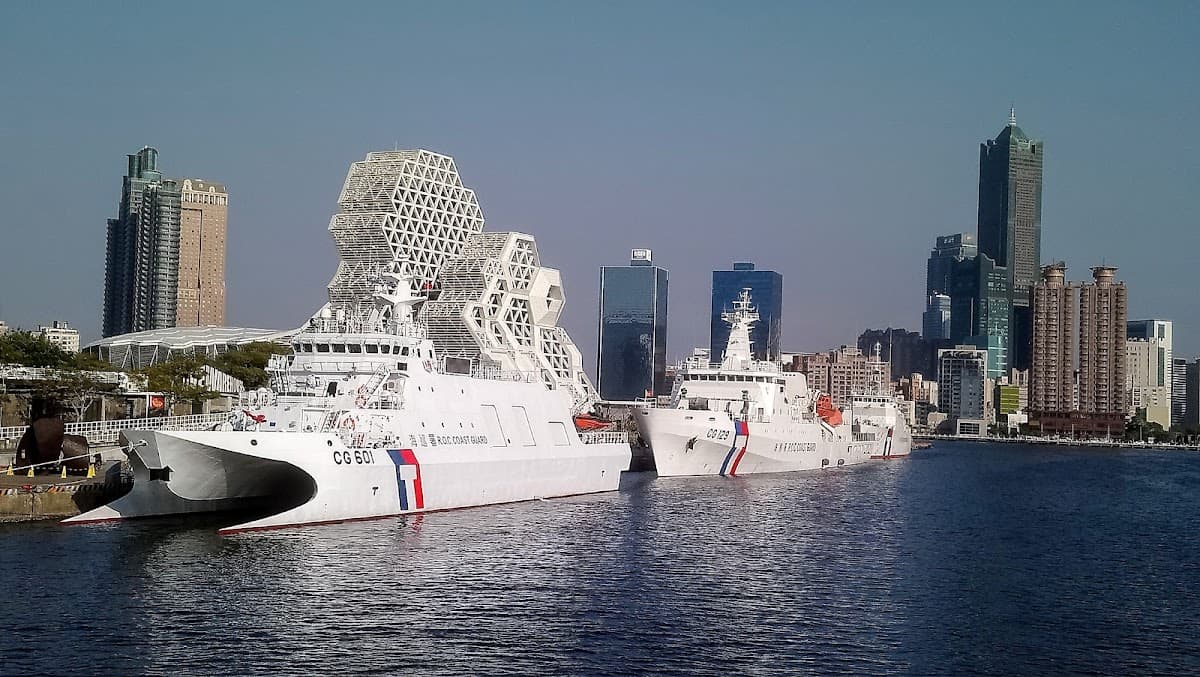
Slow Sips & Street Bites Across Taiwan
Weekend · $$$
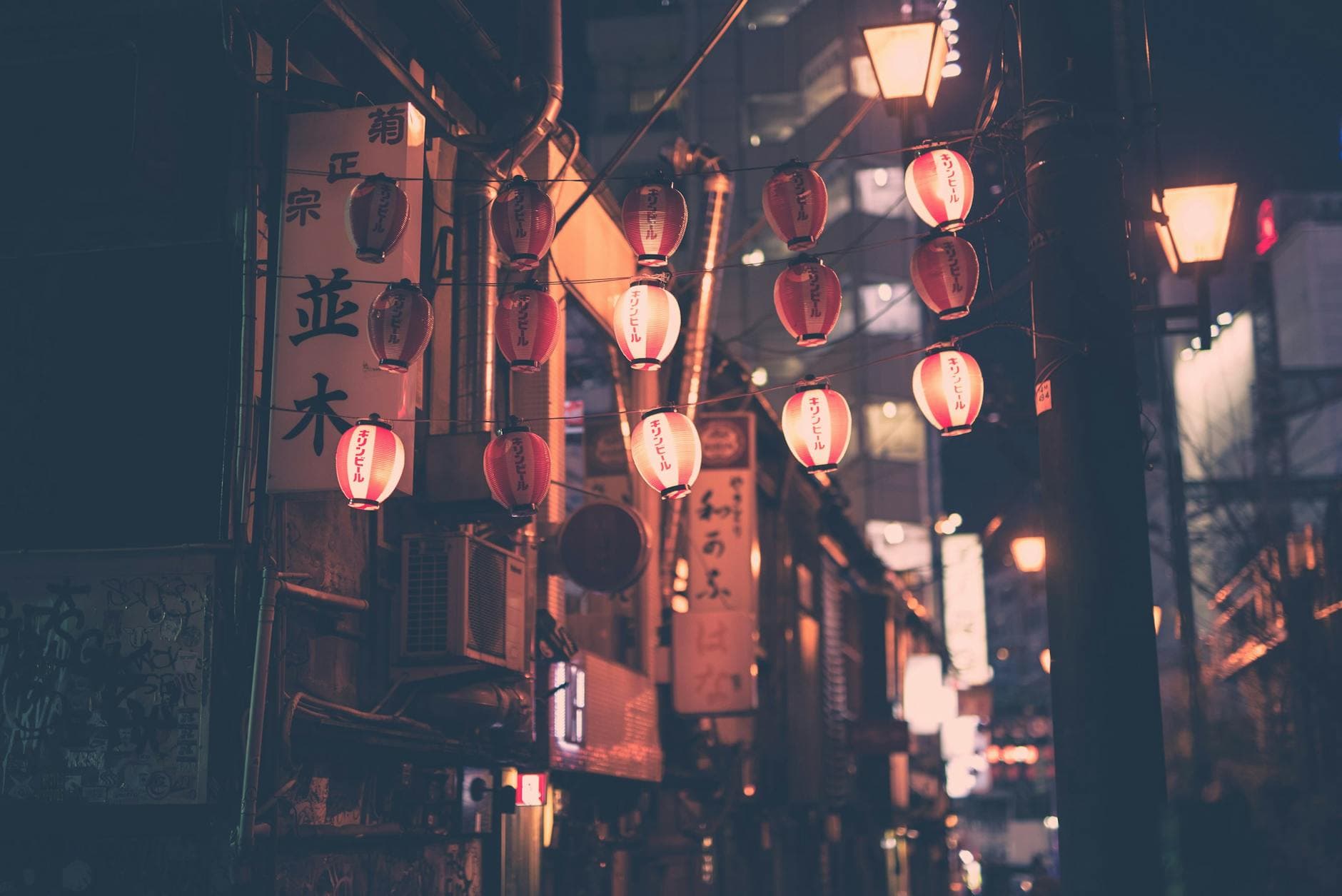
Tokyo to Kyoto: Glamorous Culture, Food, and Gardens
Weekend · $$$
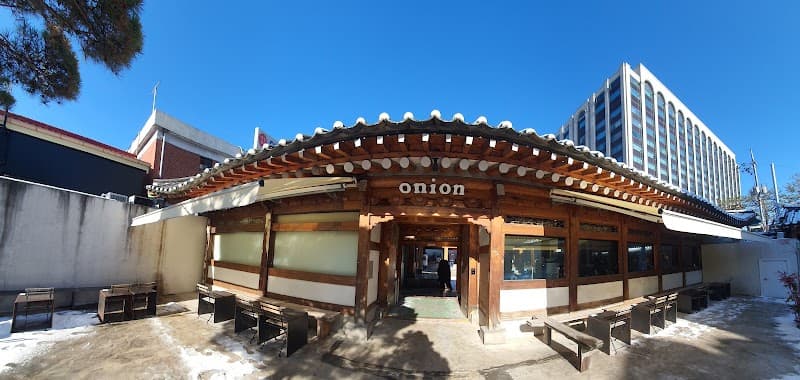
Seoul Slow Day: Palaces, Markets & Spa Calm
Weekend · $$$
10 Flavors of Japan: Tokyo, Osaka & Kyoto in Comfort
Weekend · $$$
Money-Saving Tips
- 1.Download payment apps before you go - Alipay and WeChat Pay dominate in China, while Japan still runs on cash for many small purchases
- 2.Convenience store ATMs (7-Eleven, FamilyMart) accept foreign cards when bank ATMs won't - especially crucial in Japan
- 3.Lunch sets cost half the price of dinner at the same restaurant - eat your big meal midday and save ¥2,000+ per day
- 4.Buy transit cards at airports for better exchange rates than currency counters - T-money in Korea, Octopus in Hong Kong, IC cards in Japan
- 5.Department store basement food courts serve restaurant-quality meals for ¥1,000-1,500 vs ¥3,000+ upstairs
- 6.Book trains and domestic flights through local websites (not international booking sites) to avoid markup fees - savings of 20-30% common
Travel Tips
- •Learn basic chopstick etiquette - never stick them upright in rice (funeral ritual) or pass food chopstick-to-chopstick
- •Carry cash everywhere in Japan - many places don't accept cards, even in 2026
- •Download offline translation apps with camera function for menus and signs - Google Translate works but Papago performs better for Korean
- •Remove shoes when entering homes, some restaurants, and all temples - pack slip-on shoes and decent socks
- •Bow slightly when greeting people in Japan and Korea - handshakes are becoming common but bowing shows respect
- •Public transportation etiquette: no phone calls on trains, give up priority seats, let people exit before boarding
- •Tipping isn't customary and can be offensive - service charges are included in prices
- •Carry tissues and hand sanitizer - public restrooms often lack paper towels and soap