
Hangzhou
Ancient elegance meets modern sophistication by West Lake
Marco Polo called Hangzhou "the most beautiful and magnificent city in the world." Eight centuries later, he'd probably still stand by that claim. This is where ancient Chinese poetry comes alive along the shores of West Lake, where morning mist dances over pagodas and willow trees. But Hangzhou isn't stuck in the past. The city that gave birth to Alibaba pulses with tech energy, while its tea houses and silk workshops keep thousand-year-old traditions breathing. You'll find yourself cycling past temples one moment, then sipping craft cocktails in a rooftop bar the next. The locals have mastered something rare: living gracefully between old and new.
Best Months
MAR · APR · MAY · SEP · OCT · NOV
~22°C · moderate crowds
Culture & Context
SONG DYNASTY MEETS ALIBABA
Hangzhou was the capital of the Southern Song Dynasty starting in 1127 and hit a population of one million people back then. Marco Polo visited in the 13th century and reportedly called it the finest city in the world. That legacy still shapes the place: tea culture, silk, classical gardens, and canal life are genuinely part of daily existence here, not just museum displays.
But modern Hangzhou is also headquarters to Alibaba and Ant Group, which has driven some of the fastest cost escalation of any Chinese city. You feel that tension everywhere: a Song-dynasty teahouse next to a tech campus, a wetland park ringed by apartment towers. The local dialect is Hangzhounese (杭州话), a hybrid Wu variety with strong Mandarin influence from Song-era northern migrations.
In practice, everyone speaks standard Mandarin, and younger residents in tourist areas often manage basic English. Tea is genuinely central here. Longjing (Dragon Well) tea from the nearby hills is graded into seven levels.
Don't buy the most expensive stuff from a lakeside vendor without asking the price first. Silk is the other big product; bargain before buying at China Silk City. Tipping is not a custom here and can even cause mild awkwardness.
Local Customs
ALIPAY REQUIRED, NO TIPPING
Tea drinking is taken seriously. At a proper teahouse, wait for the host or server to pour before you drink. Tapping two fingers on the table is a polite, silent 'thank you' when someone pours for you, rooted in an old custom from the Qing dynasty..
Tipping is not done. At restaurants, hotels, or with taxi drivers. It can confuse people or even be politely refused..
Bargaining is expected at markets and small shops — including China Silk City. Not in regular stores, not in restaurants. A starting counter-offer of 40-50% of the asking price is normal.
Don't be offended by the back-and-forth.. Cash is less useful than you might expect. Alipay and WeChat Pay dominate almost everything, from street food stalls to taxis.
Get your foreign card linked to Alipay before you arrive. Many places technically accept cash but clearly prefer not to handle it.. Don't drink tap water.
Bottled water is cheap and everywhere. The local water quality is inconsistent enough that even long-term residents buy filtered or bottled water.. Wear your bag in front in crowded tourist areas like Hefang Street and train stations.
Pickpocketing is the main petty crime concern and it targets distracted tourists near major attractions.. Watch out for the 'tea ceremony scam' near popular tourist areas. Friendly strangers invite you for tea, then present a wildly inflated bill.
Decline politely and keep walking.. During Labor Day (May 1-5) and Golden Week (first week of October), West Lake gets genuinely packed. Not unpleasantly so, but crowded enough that some spots feel claustrophobic.
Plan accordingly or aim for early mornings.. Photos are generally fine everywhere outdoors. But inside Buddhist temple halls, photography of Buddha figures requires permission.
Ask before pointing a camera at any religious statuary.
Safety
VERY SAFE, WATCH PICKPOCKETS
Hangzhou is one of the safer cities in China, and that's saying something because China's major cities are genuinely low-crime by global standards. Violent crime against tourists is rare. In survey data, 96 out of 100 residents and visitors say they feel completely safe during the day, and 92 out of 100 feel secure at night.
That said, a few things are worth knowing. Pickpocketing happens in crowded spots — Hefang Street, major train stations, and West Lake on public holidays. Wear your bag in front, keep your wallet inside your bag rather than a back pocket, and don't flash cash.
The 'tea ceremony scam' is active near tourist zones: a friendly stranger invites you for tea, you go, and the bill is ¥500+. Decline and walk away. For taxis, stick to the official queue or DiDi (the Chinese Uber).
'Black taxis' outside train stations will overcharge. Air quality in Hangzhou fluctuates; if you're sensitive to pollution, check the AQI before spending a full day outdoors. Drink bottled or filtered water only.
Emergency numbers: 110 (Police), 120 (Ambulance), 119 (Fire). Tourist complaint hotline: 0571-96123.
Getting Around
METRO & SHARED BIKES
Getting to Hangzhou: High-speed rail from Shanghai Hongqiao takes 45-60 minutes and costs ¥73. Trains run every 15-30 minutes from early morning. Book on the 12306 app (English interface available, accepts international payment).
From Hangzhou Xiaoshan Airport (HGH), take Metro Line 19 for 35-45 minutes to the city center. Taxis from the airport cost ¥100-150 and take 40+ minutes depending on traffic. Getting around: The metro is your best tool.
12 lines, ¥2-9 per trip, bilingual signage throughout. For tourists: Line 1 (West Lake, train stations, Grand Canal), Line 3 (Xixi Wetland, Lingyin area), Line 19 (airport express). Pay via Alipay QR code — link your foreign Visa or Mastercard to Alipay before you go.
Ticket machines also work with cash. A 3-day unlimited metro pass costs ¥40. Shared bikes via Alipay are available near metro exits and around the lake; great for the West Lake loop.
On weekends and public holidays, private cars face odd/even plate restrictions around West Lake. Taxis may drop you outside the scenic zone. The metro avoids this entirely.
Water bus from Gongchen Bridge to Wulinmen Gate costs ¥3 and is worth doing once for the canal atmosphere alone.
Useful Phrases
Hangzhou Itineraries
View all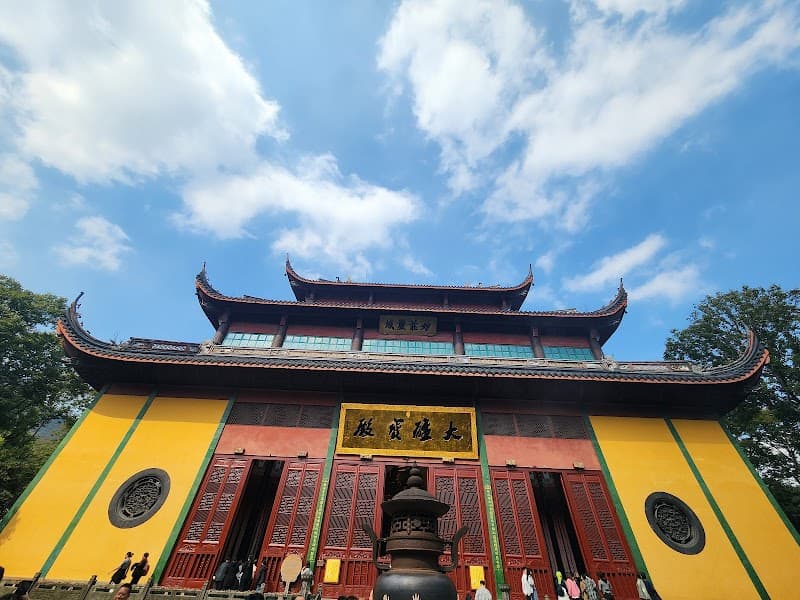
Seven Lush Days in Lakeside Hangzhou
Week · $$$
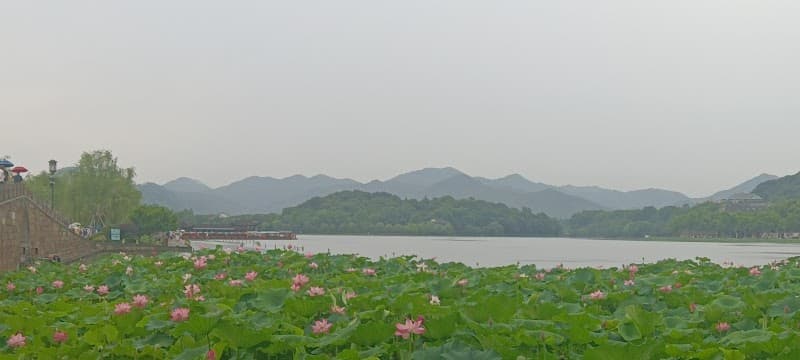
West Lake Wild: A Jungle-Feel Hangzhou Weekend
Weekend · $$$
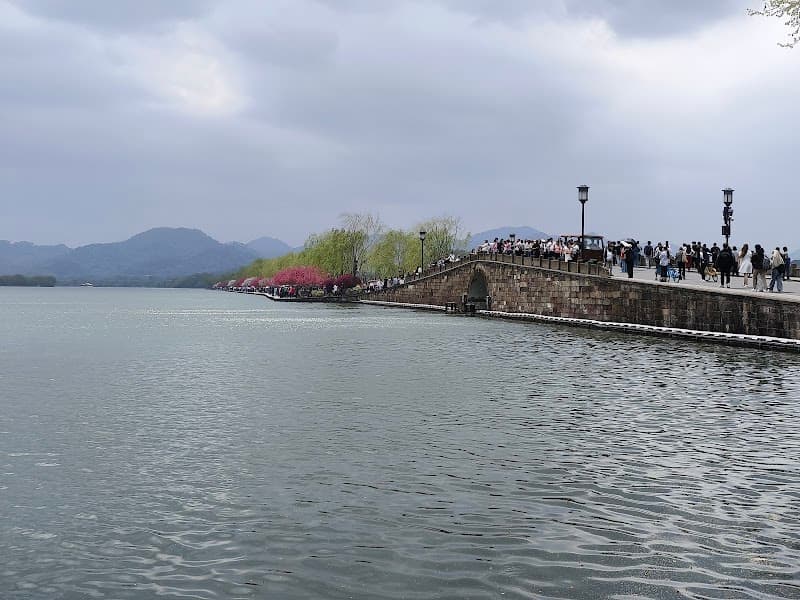
7 Dreamy Days in Hangzhou’s Lakes, Temples & Tea Hills
Week · $$$
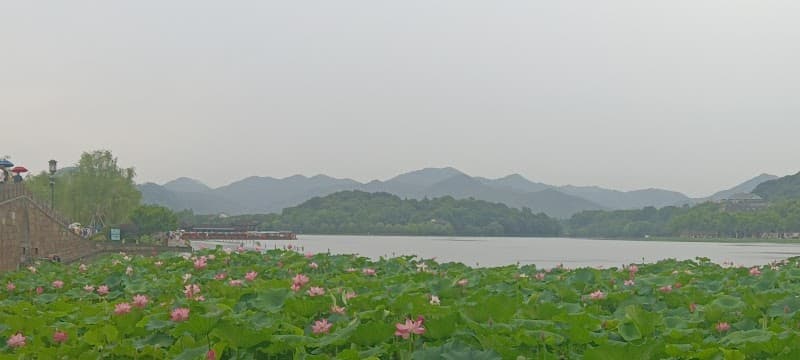
Jungle-Lake Romance: 3 Days in Hangzhou
Weekend · $$$
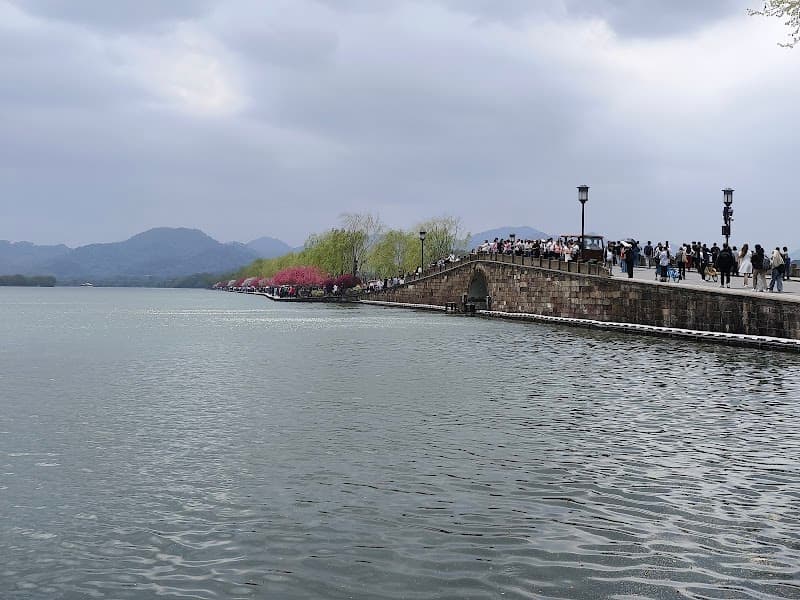
Jungle Wild Hangzhou: Lakes, Hills & Tea Villages
Week · $$$
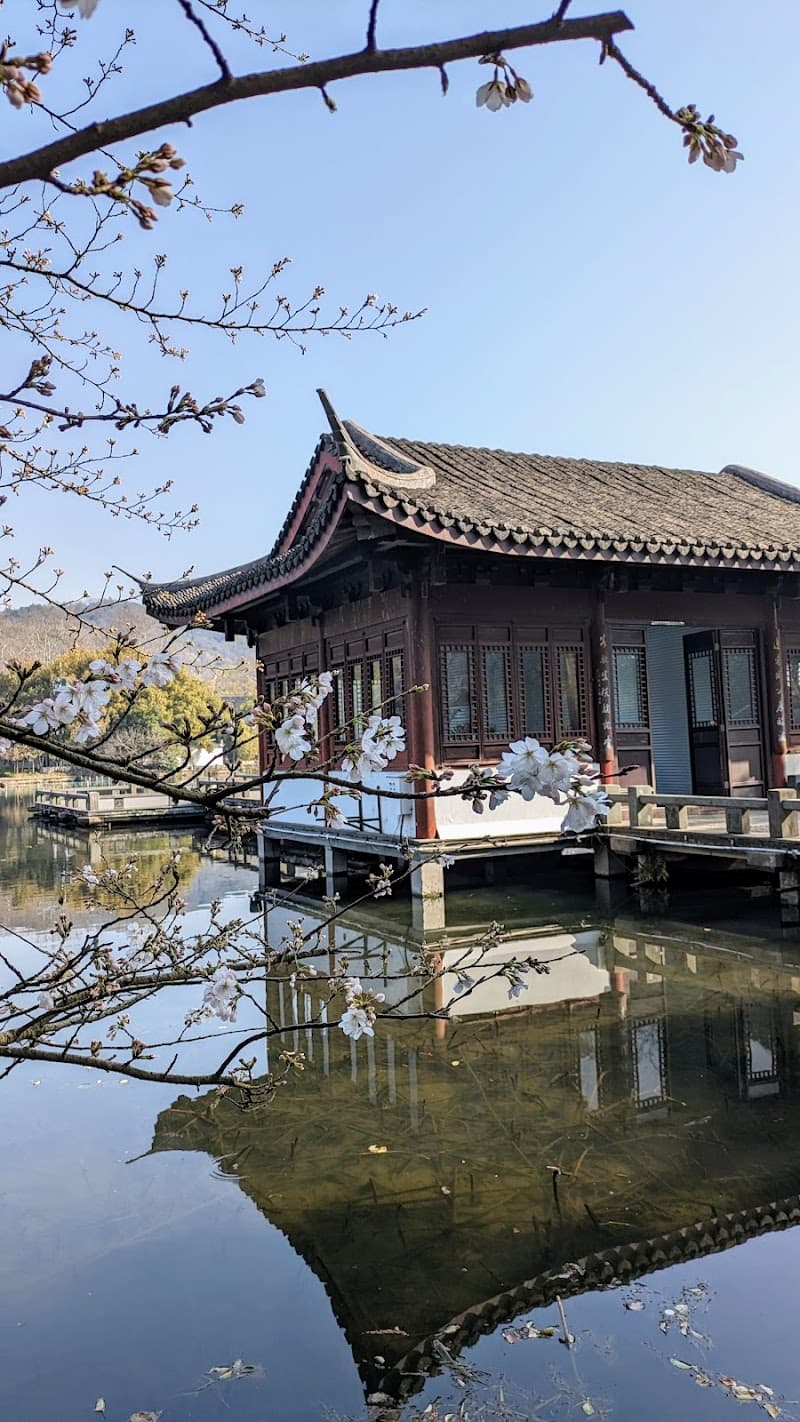
Jade Green Weekender: Family Adventures in Hangzhou
Weekend · $$$
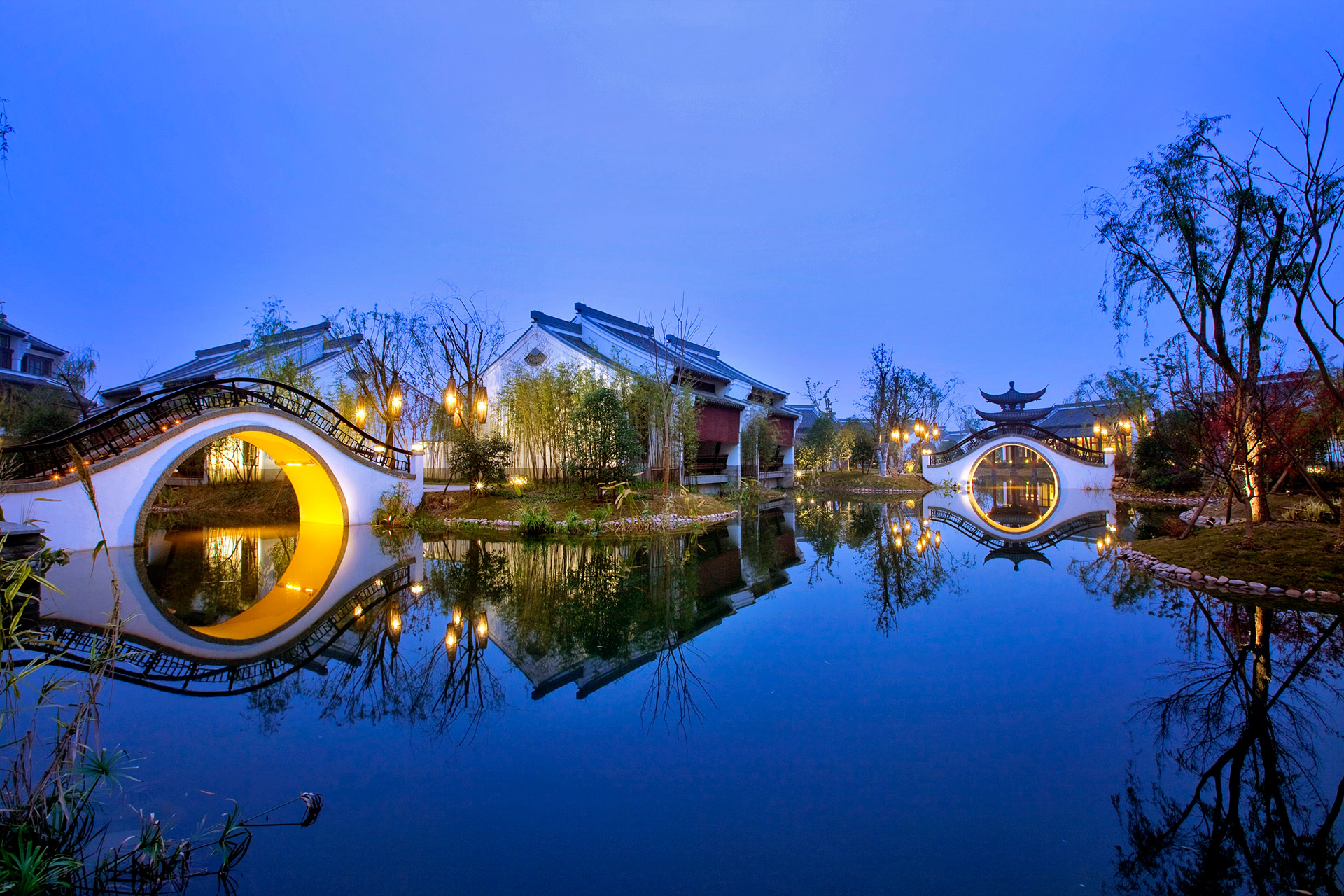
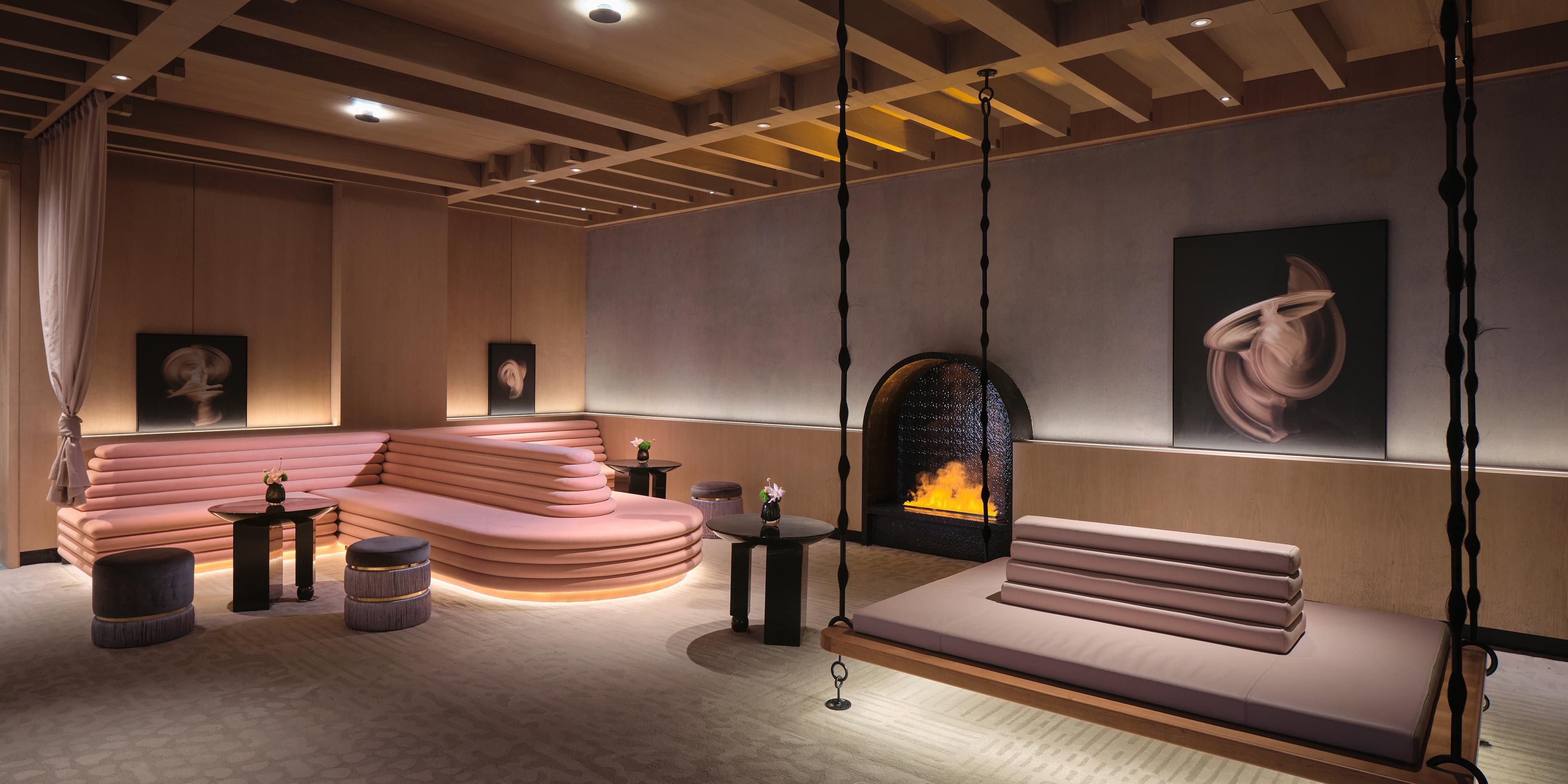
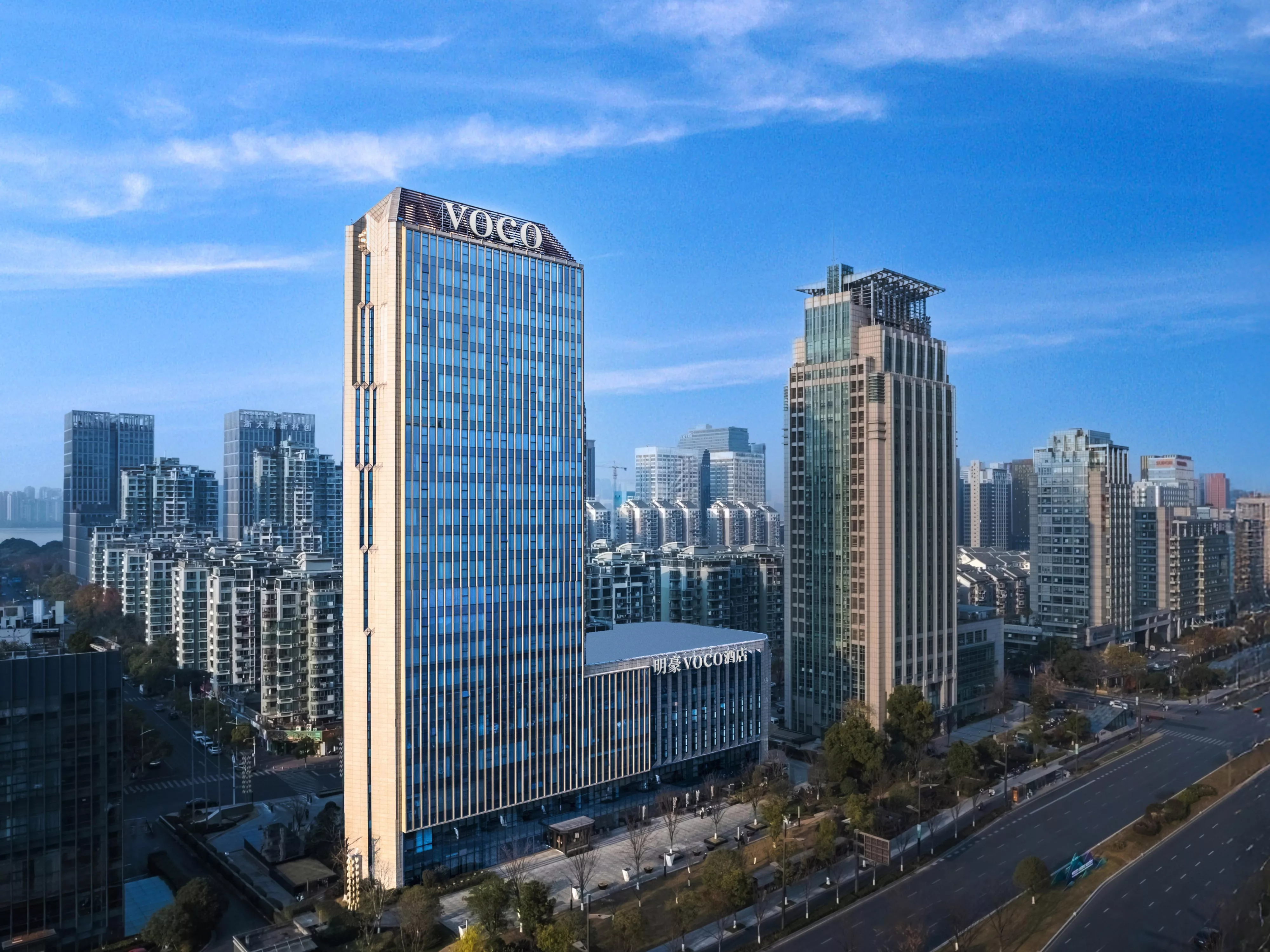
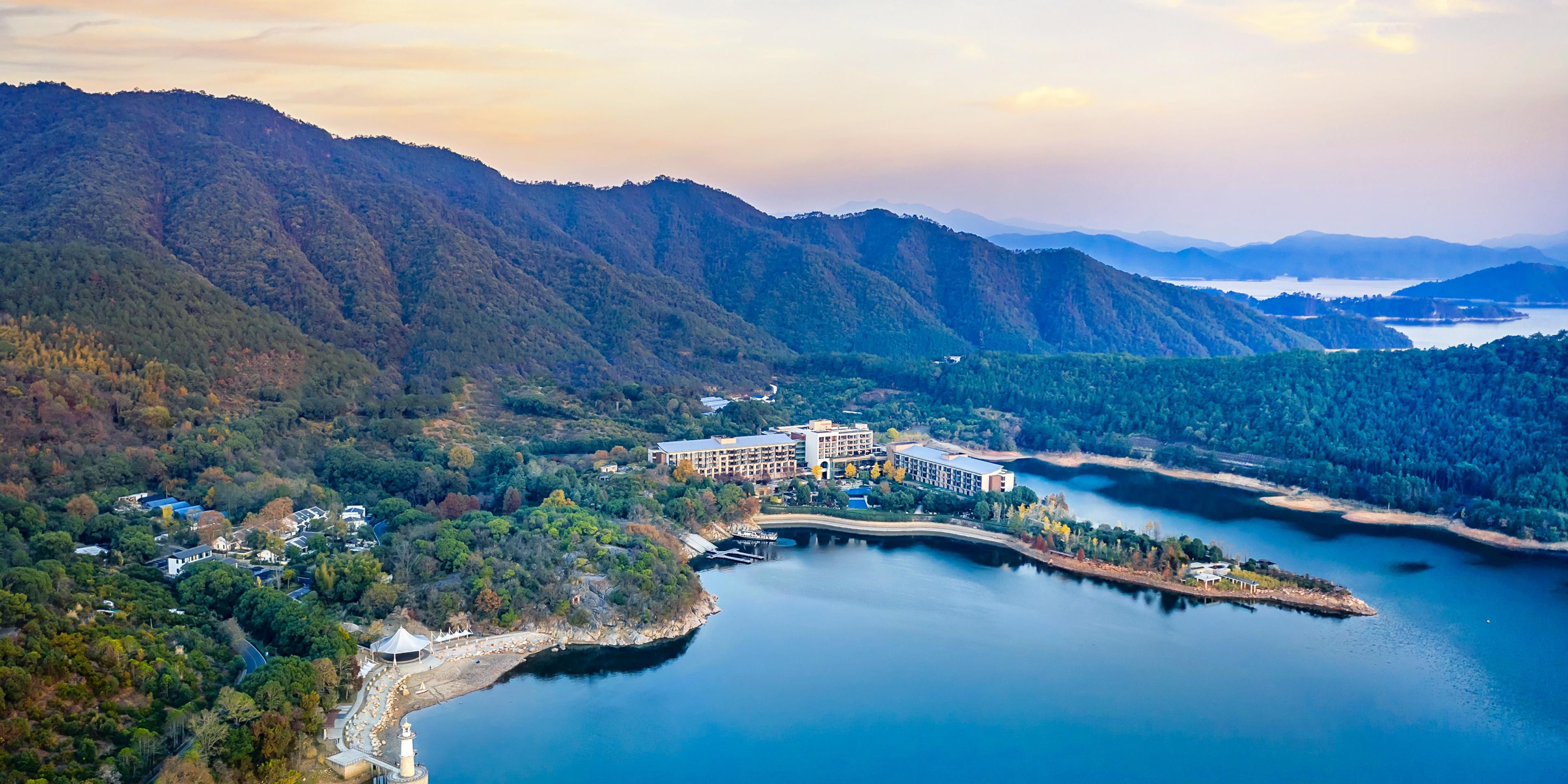
Where to Stay in Hangzhou
8 recommended properties
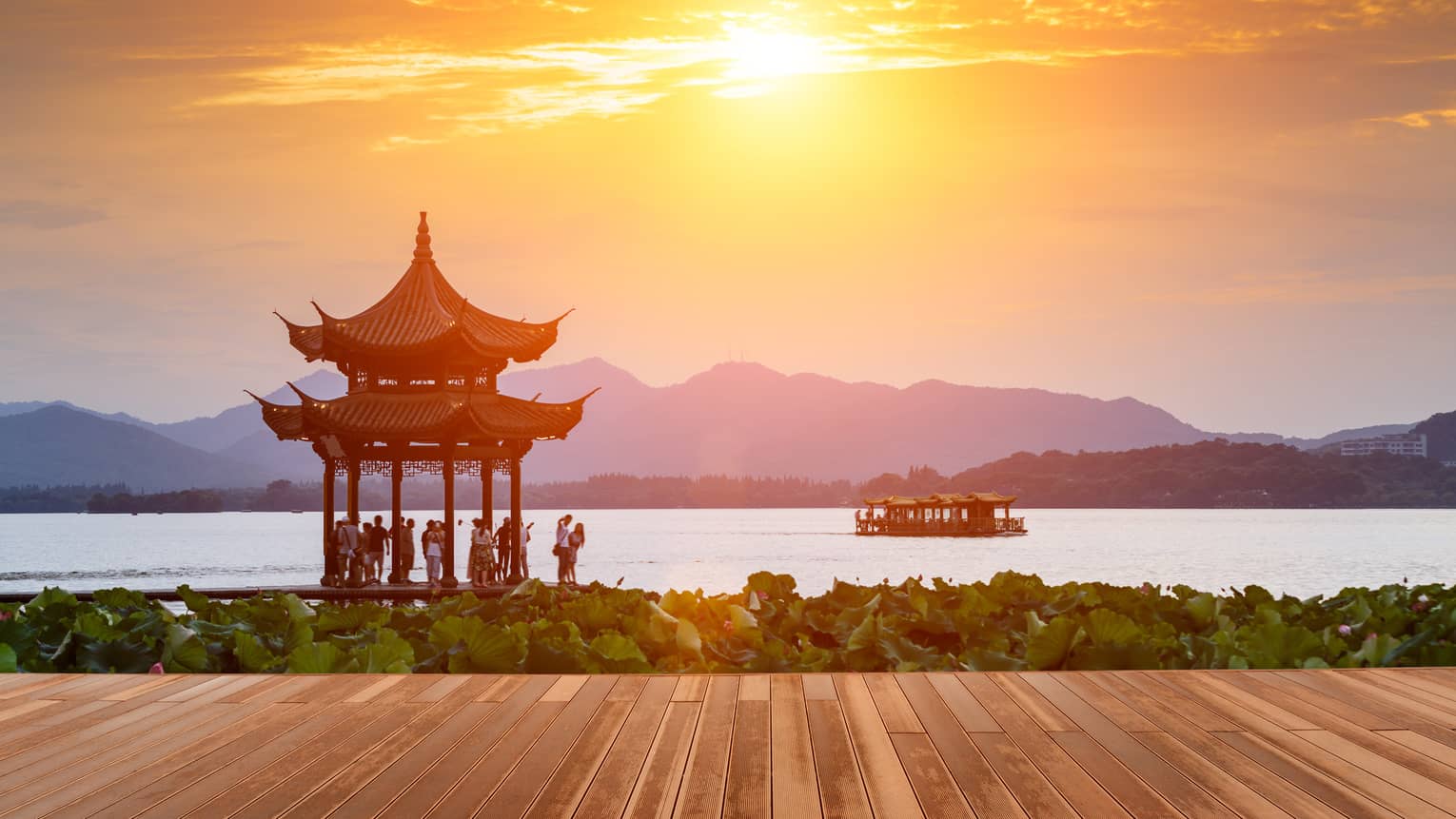
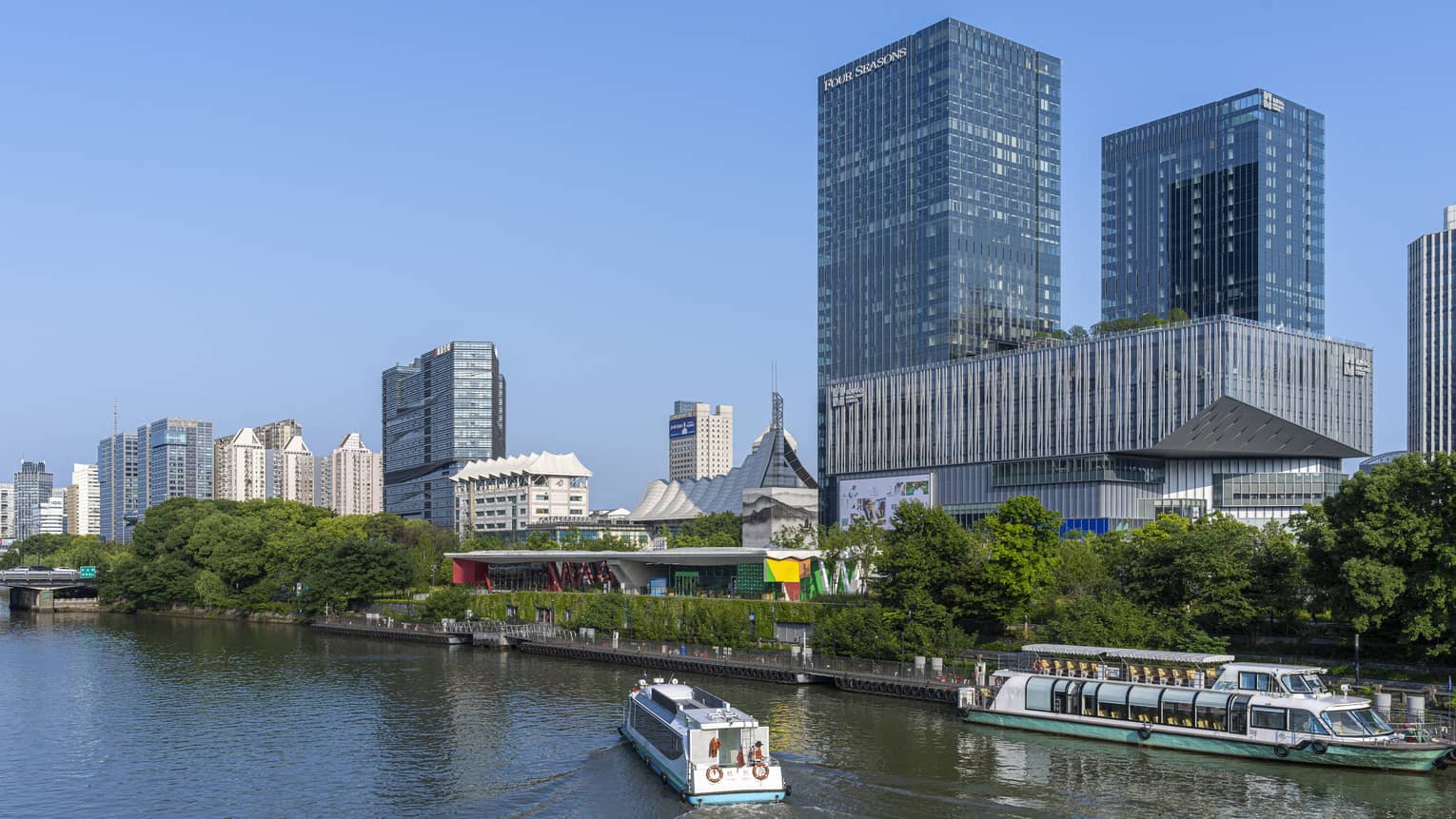
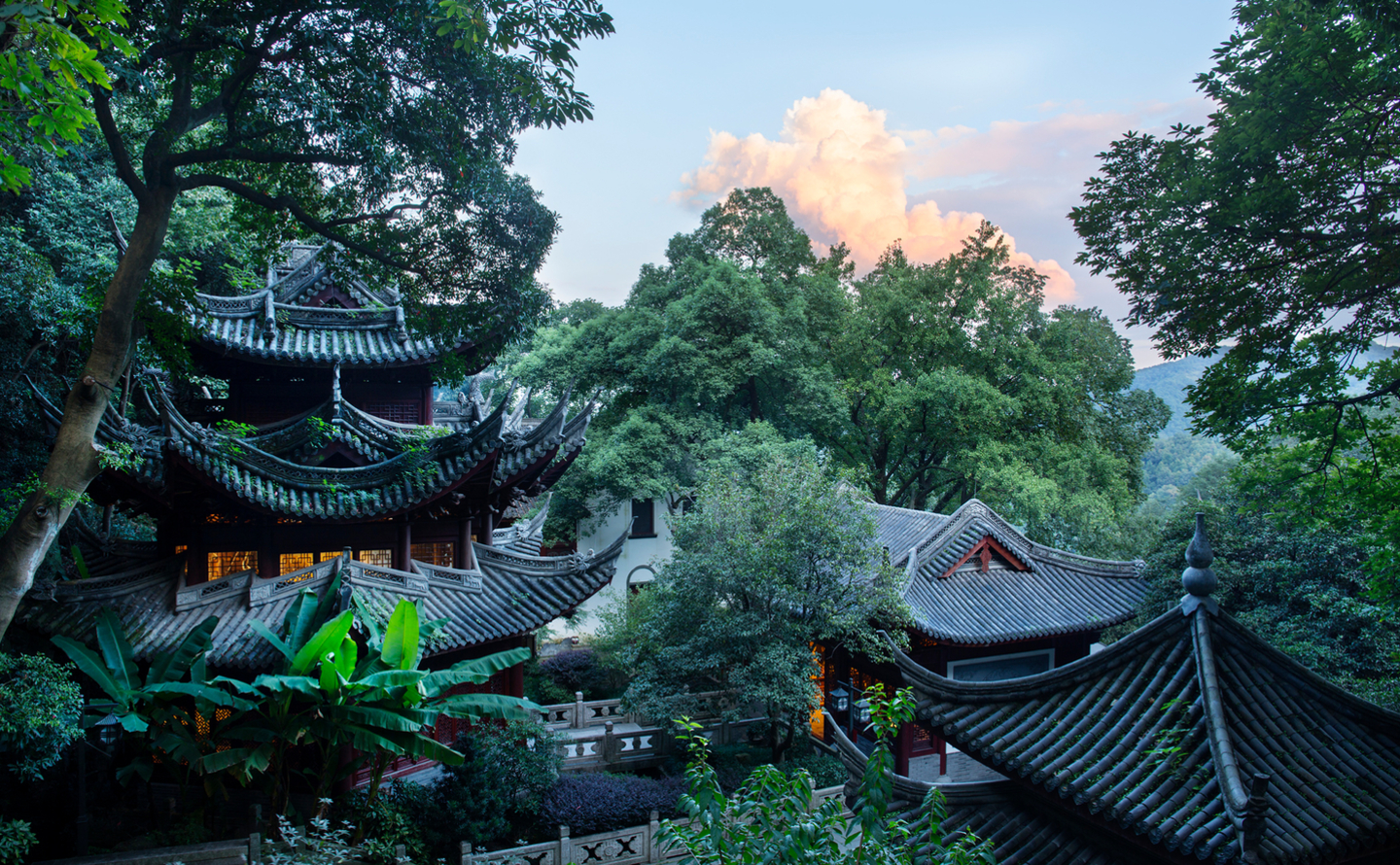
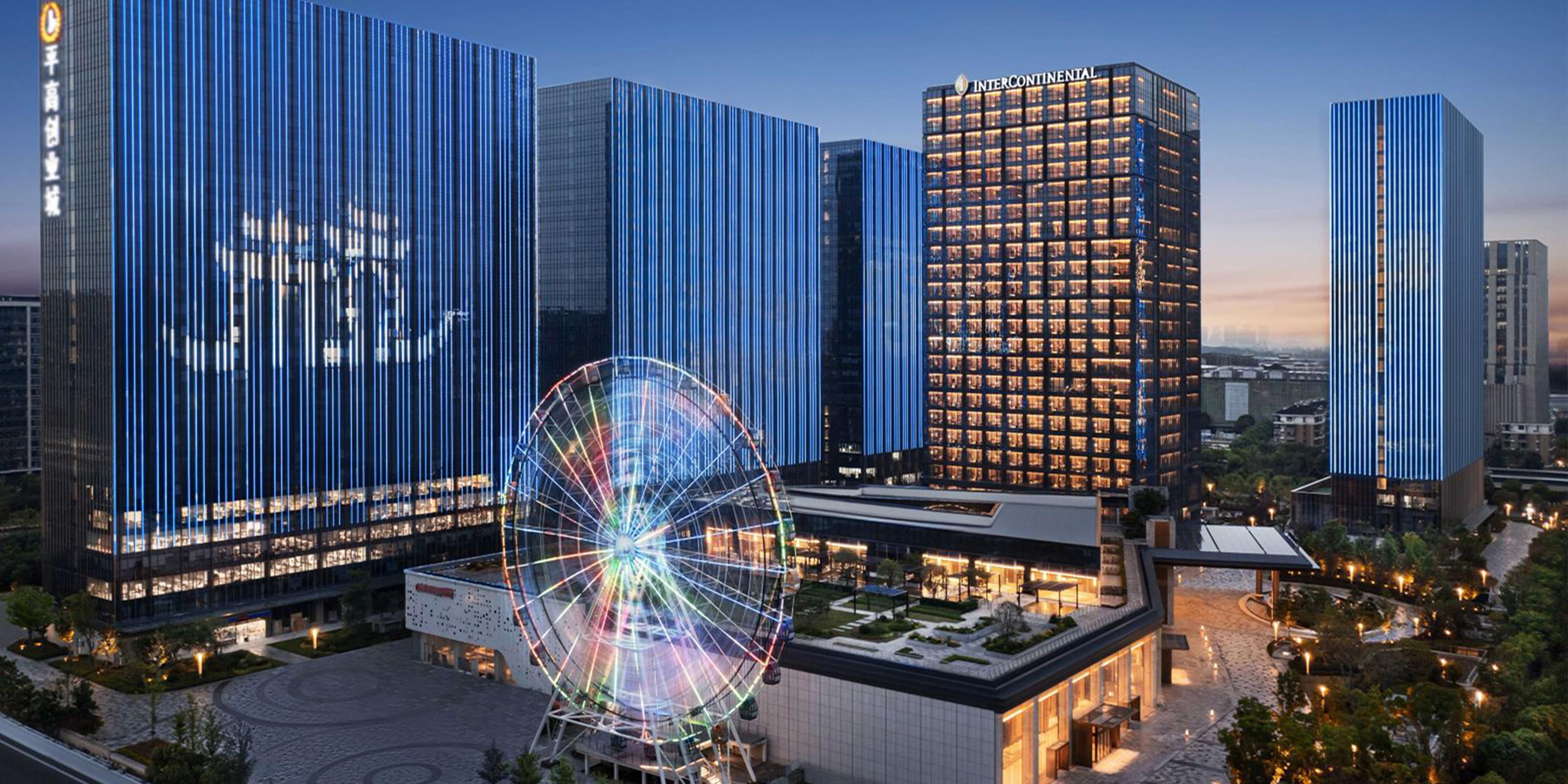
Things to Do in Hangzhou
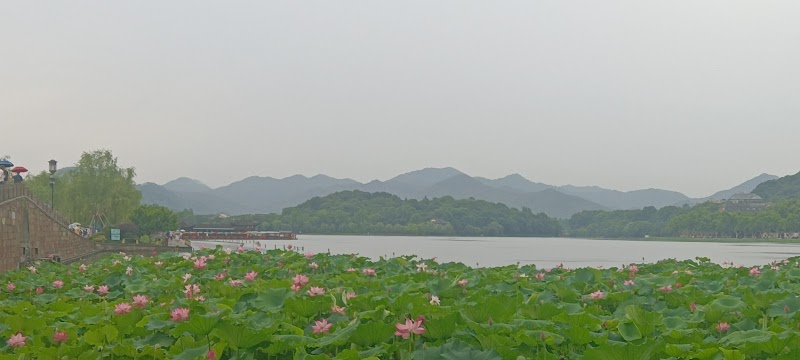
West Lake (North Shore & Bai Causeway)
West Lake North · 150 min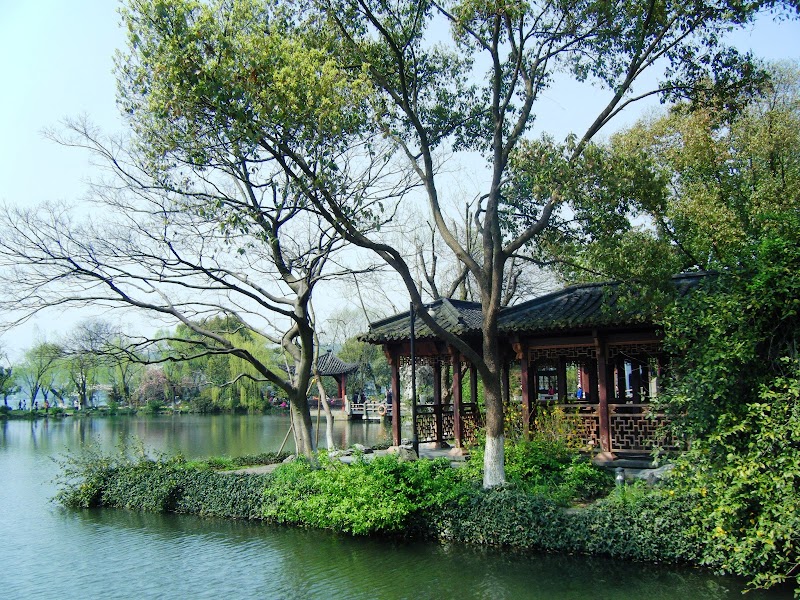
West Lake Boat Ride to Xiaoyingzhou Island
West Lake Central · 120 min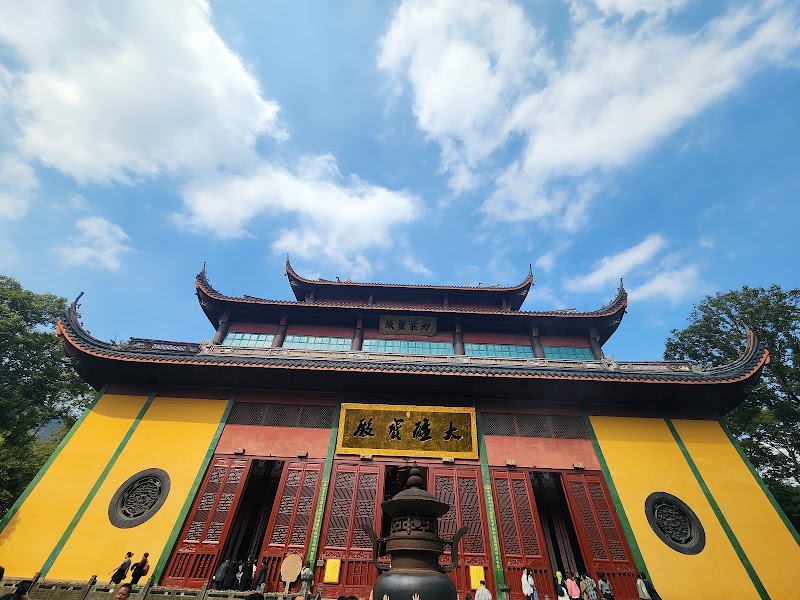
Lingyin Temple & Feilai Feng Grottoes
Lingyin / West Lake Northwest · 180 minMoney-Saving Tips
- 1.Download Alipay before you arrive - most vendors don't accept foreign credit cards, but mobile payments work everywhere
- 2.Buy a Hangzhou Tourist Card (¥25) for discounts at museums and free public transport for 24 hours
- 3.Eat lunch before 1 PM and dinner before 6 PM when many restaurants offer set menus at half price
- 4.Book West Lake boat rides directly with boatmen at the dock - they're 30% cheaper than hotel concierge bookings
- 5.Shop for tea at wholesale markets like Hangzhou Tea Market instead of tourist shops - same quality, 60% less cost
- 6.Many temples offer free vegetarian meals during lunch hours if you're respectful and dress modestly
- 7.Use bike-share instead of taxis for short trips - it's ¥1 per hour versus ¥15 minimum taxi fare
Travel Tips
- •Learn basic Mandarin greetings - locals appreciate the effort and are more helpful with directions
- •Carry tissues and hand sanitizer - many public restrooms don't provide them
- •Download offline maps before exploring - Google Maps doesn't work reliably in China
- •Dress modestly when visiting temples - cover shoulders and knees, remove hats
- •Book popular restaurants 24 hours ahead, especially on weekends when locals dine out
- •Keep your passport with you always - hotels and some attractions require ID for entry
- •Bring a portable charger - you'll be using translation apps and maps constantly
- •Try to visit West Lake early morning (before 8 AM) or late afternoon to avoid tour groups