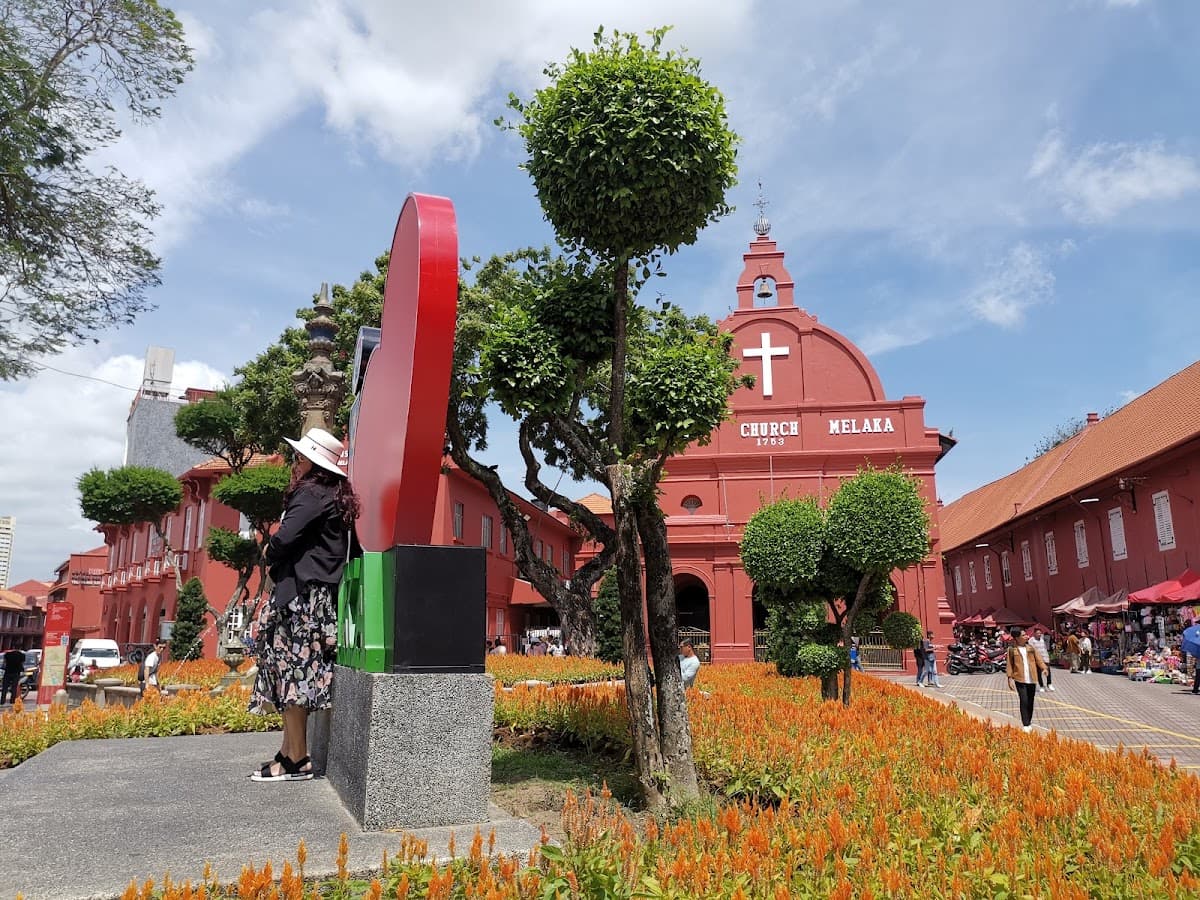
Malacca City
Malaysia's historic port tells centuries of multicultural stories
Look, Malacca City isn't trying to be Kuala Lumpur. And that's exactly why you should go. This UNESCO World Heritage site on Malaysia's west coast has been collecting stories for over 600 years — Portuguese churches next to Chinese temples, Dutch colonial buildings housing Indian spice shops, and Peranakan shophouses serving the best laksa you'll ever taste. The Malacca River cuts through the heart of it all, lined with colorful murals and cafes that stay open past midnight. Sure, it gets crowded on weekends when locals from KL drive down for the food. But walk five minutes off Jonker Street and you'll find quiet lanes where old uncles play chess and the smell of charcoal-grilled satay drifts from hidden alleys.
Best Months
JAN · FEB · JUN · JUL · AUG · DEC
~31°C · high crowds
Culture & Context
COLONIAL LAYERS CONVERGE
Malacca has been through more colonial hands than almost any city in Southeast Asia. The Portuguese took it in 1511, the Dutch in 1641, the British in 1824, and the Japanese during WWII. Each layer left architecture, food, and bloodlines.
The Peranakan (or Baba-Nyonya) community, descendants of early Chinese traders who married local Malay women, developed their own language, cuisine, and dress codes that survive today. You'll see it in the beaded slippers, the Nyonya laksa, and the Baba Nyonya Heritage Museum on Jalan Tun Tan Cheng Lock. Then there are the Kristang — descendants of Portuguese-Malay intermarriage — still living in the Portuguese Settlement, still speaking a 500-year-old Portuguese-Malay creole called Papia Kristang.
Jalan Tukang Emas (Harmony Street) tells the whole story in one block: a Taoist temple, a Hindu temple, and a mosque sitting almost door to door. This isn't a theme park recreation of tolerance — it's just how the city grew. Malacca was designated a UNESCO World Heritage Site in 2008, and the 38.
62-hectare heritage core is protected. Renovations have to follow strict guidelines, which means the shophouses stay shophouses. The flip side is that some parts feel preserved rather than lived-in.
Look for the neighborhoods slightly outside the tourist circuit — Kampung Morten, the area around Bukit China — for the unpolished version.
Local Customs
RIGHT HAND RESPECT
Remove shoes before entering temples, mosques, and private homes. You'll see the pile of sandals at the door — that's your cue.. Use your right hand when giving money, receiving food, or passing anything to someone.
The left hand is considered unclean in Malay and Indian culture.. Dress modestly at religious sites — cover shoulders and knees. Most temples and mosques have sarongs available at the entrance if needed..
Don't shake hands with someone of the opposite gender unless they initiate it. A slight nod is fine and always well-received.. Most food stalls prefer cash, and many use DuitNow QR for e-wallet payments (Touch 'n Go, GrabPay).
Keep small notes handy — RM5 and RM10 bills go a long way at hawker stalls.. Malaysian time is real. Things start late, service moves at its own pace.
Factor this in, especially at sit-down restaurants during peak meal hours.. At the Jonker Street market, haggling is expected for souvenir and craft stalls — but always with a smile. Food vendors don't negotiate..
Avoid public displays of affection. Malacca is more conservative than Kuala Lumpur. Same-sex couples should be especially discreet; Malaysia has significant legal and social restrictions for LGBTQ+ travelers.
Safety
WATCH YOUR BELONGINGS
Malacca is one of the safer cities in Malaysia, with a lower crime rate than Kuala Lumpur. The US State Department rates all of Peninsular Malaysia at Level 1 — Exercise Normal Precautions — as of early 2026. Petty theft and pickpocketing are the main concerns, particularly in crowded areas like the Jonker Street night market on weekends.
Keep bags zipped and in front of you. Credit card skimming increased in Malaysia in 2025 — use ATMs inside banks rather than standalone machines, and prefer DuitNow QR payments where possible. Traffic is genuinely chaotic.
Motorcycles weave unpredictably. Cross streets carefully and never assume you have right of way. The monsoon season (roughly November to February) brings flooding risk in low-lying areas near the river.
The city center is safe during the day; stick to well-lit areas at night if you're out late. For LGBTQ+ travelers, Malacca is conservative — discretion is strongly advised. Emergency number is 999 (police, ambulance, fire).
Tourist police operate in the heritage district during peak hours.
Getting Around
GRAB & WALK
Getting to Malacca is easy. From Kuala Lumpur, buses run frequently from TBS (Bandar Tasek Selatan) terminal — companies like Transnasional, KKKL Express, and Mayang Sari do the 2.5-hour trip for RM12–20 (about $3–5).
The bus drops you at Melaka Sentral terminal, which is outside the city center. From there, take a Grab to Jonker Street (RM15–20). From Singapore, it's a 3.
5–4 hour drive or a 4–5 hour direct bus (KKKL Express, 707 Travel, Startmart Express). Budget RM10–15 per Grab ride for most in-city trips. Local Panorama Melaka buses exist but run on irregular schedules — not reliable for first-timers.
Grab is your real transit system here. There are no ride-hailing pick-up surprises like in KL. The city center is mostly walkable if you're based near Jonker Street, but the Portuguese Settlement and Kampung Morten require wheels.
Parking in the heritage zone fills up fast on weekends — arriving by bus and using Grab is the smarter call.
Useful Phrases
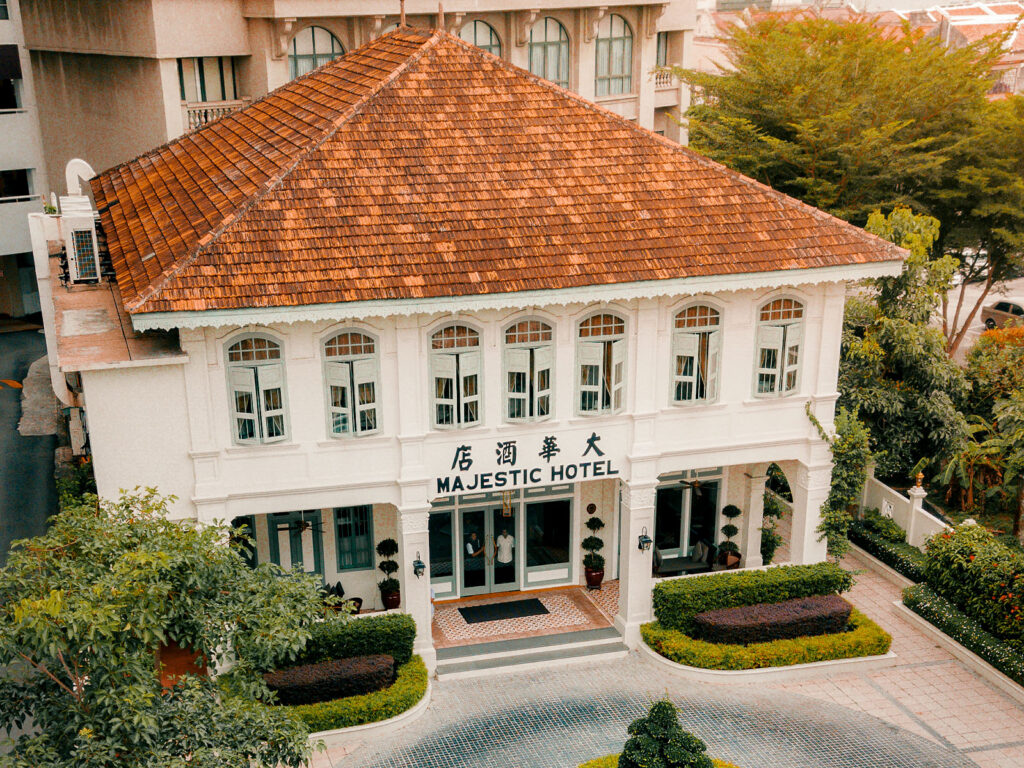
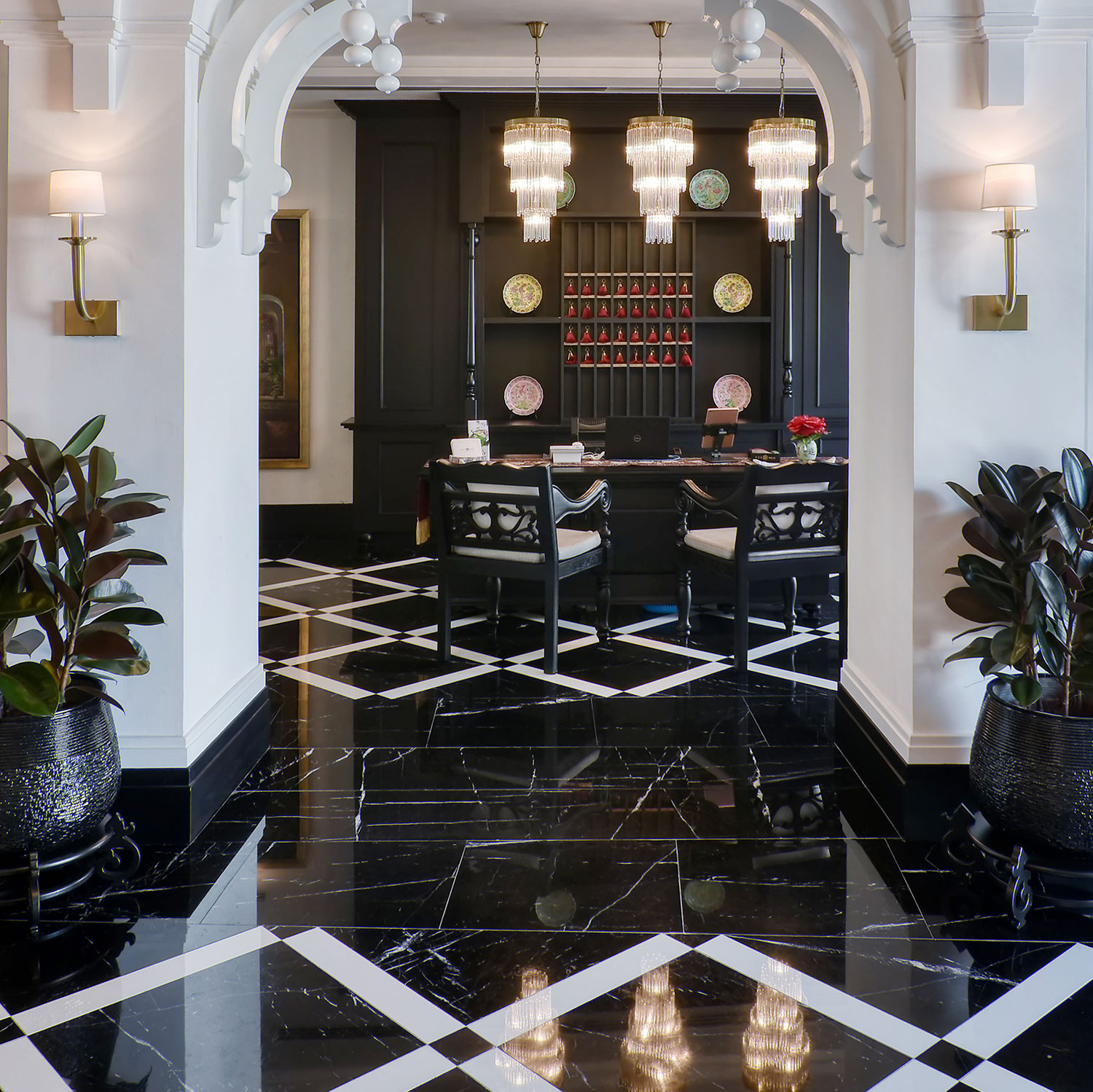
Where to Stay in Malacca City
2 recommended properties
Money-Saving Tips
- 1.Eat at kopitiam coffee shops instead of heritage hotel restaurants — same quality, half the price
- 2.Buy souvenirs at Pasar Besar traditional market, not Jonker Street tourist shops
- 3.Take the free Panorama Melaka shuttle bus between major attractions instead of expensive trishaws
- 4.Stay in Taman Melaka Raya neighborhood for modern hotels at local prices
- 5.Visit during weekdays to avoid weekend price surges at hotels and restaurants
- 6.Drink fresh coconut water from street vendors (RM3) instead of bottled water from hotels (RM8)
Travel Tips
- •Download the Grab app before arriving — it's the easiest way to get around when walking isn't practical
- •Carry cash — many street food vendors and local shops don't accept cards
- •Wear comfortable walking shoes with good grip — the heritage area has uneven stone streets
- •Learn basic Bahasa Malaysia greetings — locals appreciate the effort and you'll get better service
- •Pack light layers and a small umbrella for sudden afternoon thunderstorms
- •Book heritage hotels well in advance during Chinese New Year and school holidays
Frequently Asked Questions
Explore Malacca City
BUILD YOUR
MALACCA CITY PLAN
Insider picks, smart timing, and a plan ready when you are.
Start Planning