Ifugao
Ancient rice terraces carved into mountains by indigenous hands
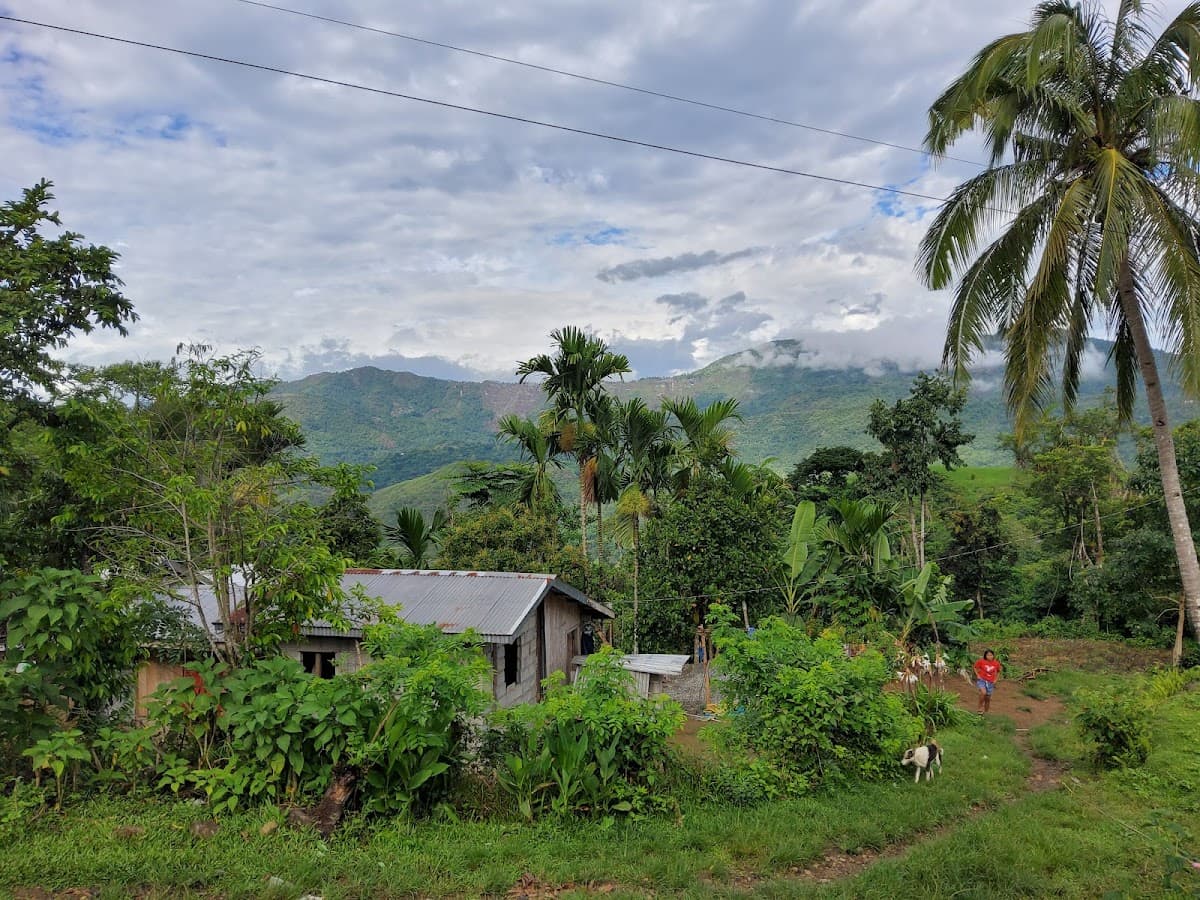
The Ifugao rice terraces rise like green staircases to the sky, carved by indigenous hands over 2,000 years ago. These aren't just pretty landscapes – they're living villages where Ifugao farmers still plant and harvest rice using ancient methods. You'll trek through mountain paths between terraced amphitheaters, sleep in traditional huts, and eat meals cooked over wood fires. But here's the thing: this isn't easy tourism. The roads are rough, the hikes are steep, and you'll be sharing basic facilities with other travelers. Come for the culture and the views, not the comfort.
Itineraries coming soon
We're working on adding amazing itineraries for Ifugao. In the meantime, try the app to create your own!
Money-Saving Tips
- 1.Budget 2,000-3,000 pesos per day including accommodation, meals, and transport
- 2.Homestays in villages cost 500-800 pesos per night including basic meals
- 3.Jeepney rides to trailheads cost 50-100 pesos per person each way
- 4.Guide fees run 1,000-1,500 pesos per day for village-to-village treks
- 5.Bring cash - ATMs only exist in Banaue town center
- 6.Pack snacks from Banaue as village stores have limited selection and higher prices
Travel Tips
- •Pack layers - mountain weather changes quickly and temperatures drop at night
- •Bring good hiking shoes with grip - terrace paths get slippery when wet
- •Download offline maps as cell service is spotty in remote villages
- •Respect local customs - ask before photographing people working in the fields
- •Book village homestays in advance during peak season (December-February)
- •Carry a headlamp - villages have limited electricity and paths aren't lit
- •Bring water purification tablets or stick to bottled water in remote areas
Frequently Asked Questions
Explore Ifugao
Ready to explore Ifugao?
Get a personalized itinerary in seconds with Takeoff.
Free on iOS. No credit card required.